2026 Best Ways to Reduce Food Waste through Composting Solutions?

Time:2026-06-07 Author:Mason
0%

In an era where food waste has reached alarming levels, finding effective solutions is crucial. Composting is one way to tackle this issue effectively. According to Dr. Jane Goodwin, a leading expert in sustainable practices, "Composting not only reduces waste but enhances soil health." Her insights reflect the growing awareness of how to reduce food waste through composting.

Composting transforms organic waste into valuable fertilizer. It reduces the amount of waste sent to landfills. However, many people overlook its potential. For beginners, the process can seem daunting. Understanding how to reduce food waste through composting involves learning what materials to use. It requires patience and care in maintaining the right balance of greens and browns. There are common mistakes, like adding meat or dairy, which can lead to odor problems.

Implementing composting in daily life can seem complicated. Yet, it offers significant benefits. It encourages mindful consumption and promotes sustainability. Each household has an opportunity to contribute to a cleaner environment. Exploring this practice is not just beneficial; it’s essential for a healthier planet.
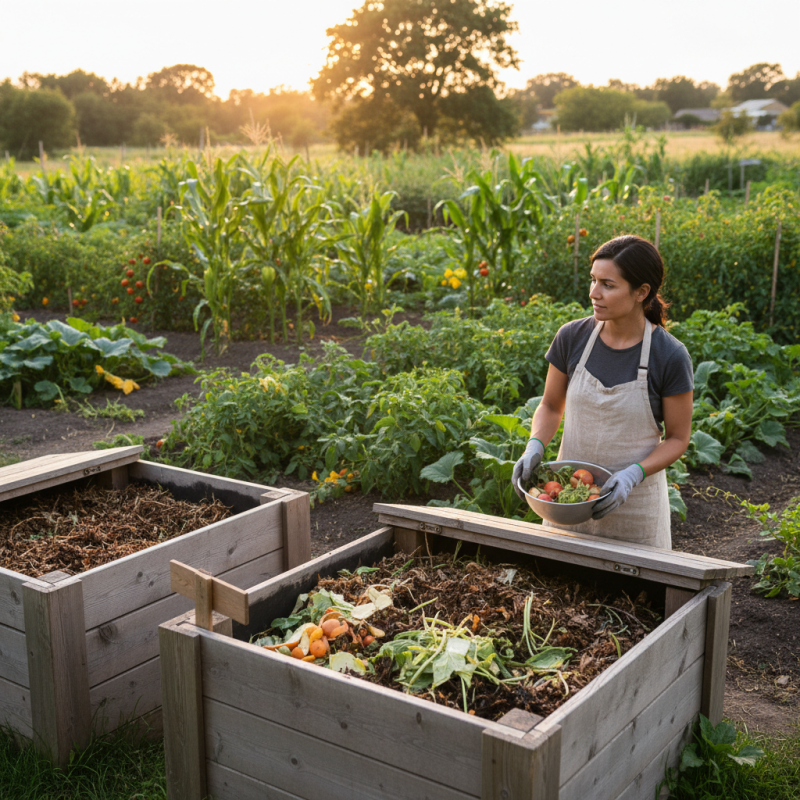
2026 Best Ways to Reduce Food Waste through Composting Solutions?

Best Practices for Composting Food Waste: An Overview

Composting food waste presents an effective solution for reducing overall waste. According to the Food and Agriculture Organization (FAO), about one-third of the food produced globally is wasted. This contributes to significant environmental issues, including greenhouse gas emissions. Composting can convert this waste into valuable soil amendments.

To start composting effectively, create a balance between green and brown materials. Greens include kitchen scraps like vegetable peels and coffee grounds. Browns consist of dry leaves and paper. A ratio of 2:1 greens to browns is often recommended. Regularly turning the compost helps aerate it, enhancing decomposition. Research indicates that well-maintained compost systems can reduce waste by up to 50%.

However, not all composting practices are equal. Some individuals may underestimate the importance of monitoring moisture levels. Too much moisture leads to odor, while too little slows decomposition. The average compost pile requires about 50-60% moisture for optimal conditions. Thus, it's essential to regularly check and adjust moisture levels, ensuring a successful composting process. Every detail counts in composting, and reflecting on these practices can yield better results.

2026 Best Ways to Reduce Food Waste through Composting Solutions

Composting Method Effectiveness (%) Duration (Weeks) Ideal Materials Maintenance Level
Hot Composting 80-90% 4-8 Vegetable scraps, grass clippings, leaves High
Cold Composting 50-70% 6-12 Fruit scraps, coffee grounds, garden waste Low
Vermicomposting 95% 2-4 Fruit and vegetable scraps, paper Medium
Bokashi Composting 80-100% 2-4 Meat, dairy, kitchen scraps Medium to High
Trench Composting 70-90% 8-12 Vegetable scraps, plant trimmings Low

Understanding the Impact of Food Waste on the Environment and Economy

Food waste presents a significant challenge for both the environment and our economy. When food is discarded, it does not just disappear; it ends up in landfills, generating methane, a powerful greenhouse gas. This harmful effect contributes to climate change, impacting natural ecosystems. The sheer volume of wasted food also strains our resources. Water, energy, and labor invested in food production go to waste. It is estimated that about one-third of all food produced is never consumed.

Composting offers a viable solution to tackle this issue. By turning food scraps into nutrient-rich soil, composting diverts waste from landfills. It enhances soil health and supports plant growth. Many households can easily start composting with kitchen scraps and yard waste. However, barriers like lack of knowledge or resources can hinder participation. Some people may struggle with maintaining compost bins or understanding what can be composted. Each small effort counts, yet it’s essential to address these common challenges.

Reflecting on our consumption habits is crucial. Awareness about food waste can spur changes in shopping and cooking practices. People should consider meal planning to avoid excess purchases. Engaging in community composting initiatives can also foster a sense of responsibility. Collective action has the potential to significantly reduce the volume of food waste.

Composting Methods: Aerobic vs. Anaerobic and Their Effectiveness

Composting is a crucial method for reducing food waste. There are two primary types: aerobic and anaerobic. Aerobic composting requires oxygen and involves microorganisms that thrive in air-rich environments. This process typically takes six weeks to three months. According to the U.S. Environmental Protection Agency, this method can reduce food waste volume by 30% to 50%.

Anaerobic composting occurs in environments without oxygen. It uses different microorganisms that break down material over several months to even years. This method is often slower but can produce biogas, a renewable energy source. A study from the Food Waste Reduction Alliance indicated that anaerobic digestion can recover up to 80% of its energy content. However, its efficiency is highly dependent on proper management.

Both methods have inherent challenges. Aerobic composting can create odors if not managed properly, while anaerobic digestion requires technical expertise and infrastructure. Each method has its strengths and weaknesses. Understanding these can lead to better waste reduction strategies. The choice between them should consider local conditions and specific waste types.

Data-Driven Benefits of Composting for Soil Health and Carbon Sequestration

Composting is a transformative process that significantly benefits soil health and aids in carbon sequestration. By breaking down organic materials, compost nourishes the soil, improving its structure and fertility. Healthy soil can retain moisture better, promoting plant growth and reducing the need for chemical fertilizers.

Tips for successful composting include maintaining a balance of green and brown materials. Greens like vegetable scraps and brown materials such as dried leaves work best together. Regularly aerate your compost pile to speed up decomposition. A well-aerated compost reduces odors and encourages the growth of beneficial microbes.

Moreover, composting can help reduce food waste significantly. Instead of sending scraps to landfills, composting transforms them into valuable resources. This process also captures carbon dioxide, mitigating climate change. Consider starting a simple compost bin at home and involve the family. It can lead to more awareness about food consumption and waste.

Community Initiatives: Successful Composting Programs Reducing Waste Together

Community initiatives are making significant strides in reducing food waste through composting. These programs bring together individuals and local organizations to tackle waste collectively. Reports show that approximately 40% of the food produced in the United States ends up in landfills. This waste generates methane, a potent greenhouse gas. By composting, communities can divert organic waste from landfills and reduce their carbon footprint.

Successful composting programs have emerged in various regions. For instance, cities like San Francisco have mandated composting, achieving a 50% waste diversion rate. Data from the EPA indicates that composting can reduce waste by around 30%, significantly lowering the environmental impact. Local composting hubs often offer education and resources, empowering residents to participate actively. Community gardens and composting workshops foster cooperation, but challenges exist. Some residents remain unaware of composting benefits or face barriers in access.

The effectiveness of these initiatives depends on consistent engagement. Building a culture of composting requires ongoing efforts. Feedback shows that while many appreciate the concept, participation may wane due to inconvenience or lack of information. Reflecting on these issues can help refine programs and enhance community involvement. Engaging with local leaders and sharing success stories may inspire reluctant participants to join the movement.

FAQS

: What is the impact of food waste on the environment?

: Food waste generates methane in landfills, contributing to climate change and harming ecosystems.

How much food is wasted globally?

About one-third of all food produced is never consumed, straining resources significantly.

What is composting?

Composting turns food scraps into nutrient-rich soil, helping to reduce landfill waste and improve soil health.

How can households start composting?

Households can easily compost with kitchen scraps and yard waste, but may face knowledge barriers.

What challenges do people face when composting?

Issues like maintaining compost bins and knowing what can be composted often hinder participation.

What are the benefits of meal planning?

Meal planning helps avoid excess purchases, reducing food waste and promoting better consumption habits.

What are aerobic and anaerobic composting methods?

Aerobic composting uses oxygen and microorganisms, while anaerobic composting occurs without oxygen, each with unique benefits.

How effective is aerobic composting?

Aerobic composting can reduce food waste volume by 30% to 50%, taking about six weeks to three months.

What is a drawback of anaerobic composting?

Although it can produce renewable energy, anaerobic composting requires technical expertise and proper management.

Why is community engagement important in reducing food waste?

Community composting initiatives promote responsibility and can significantly lower food waste in a collective effort.

Conclusion

Composting is an effective strategy for how to reduce food waste through composting, which not only minimizes the waste sent to landfills but also enhances soil health. This article explores best practices for composting food waste, highlighting the environmental and economic impacts of food waste and the importance of community initiatives in promoting collective action. It distinguishes between aerobic and anaerobic composting methods, detailing their relative effectiveness and benefits. Furthermore, it presents data-driven insights into how composting contributes to carbon sequestration, making it a pivotal solution in the fight against climate change. By engaging in these practices, communities can significantly reduce food waste and foster a healthier ecosystem.

Mason

Mason

Mason is a seasoned marketing professional with a deep expertise in the company's offerings and a passion for driving brand awareness. With a strong background in digital marketing strategies, he has an innate ability to connect with diverse audiences and effectively communicate product benefits.......