In the contemporary landscape of global agriculture, the transition from linear "take-make-dispose" models to circular bio-economies is no longer a choice but a necessity. As a leading Agricultural Waste Composting Machine Manufacturer & Factory, Chengdu AgBio Energy Co., Ltd. is at the forefront of this transformation. We specialize in engineering solutions that mitigate the environmental footprint of large-scale farming while unlocking the hidden economic value within organic residues.
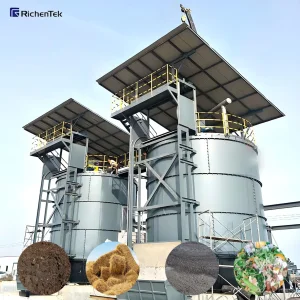
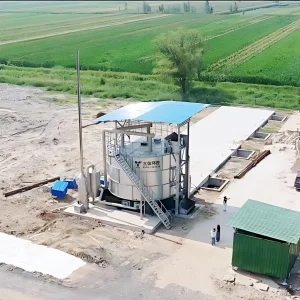
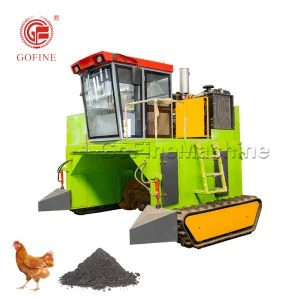
Agricultural waste—comprising crop residues like rice straw and coconut coir, to livestock manure and poultry droppings—represents a significant portion of the world's biomass. If left untreated, these materials contribute to methane emissions and groundwater pollution. Our high-performance composting systems utilize advanced aerobic fermentation technology to convert these liabilities into nutrient-rich organic fertilizers within a fraction of the time required by traditional methods.
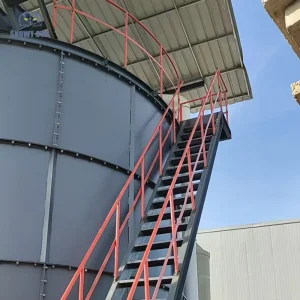
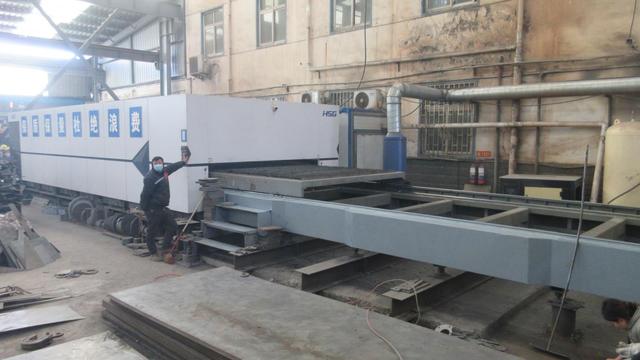
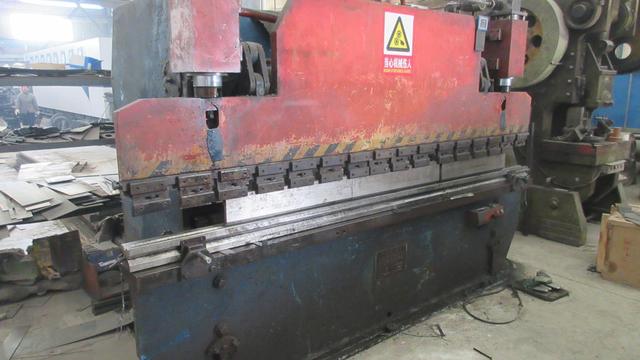
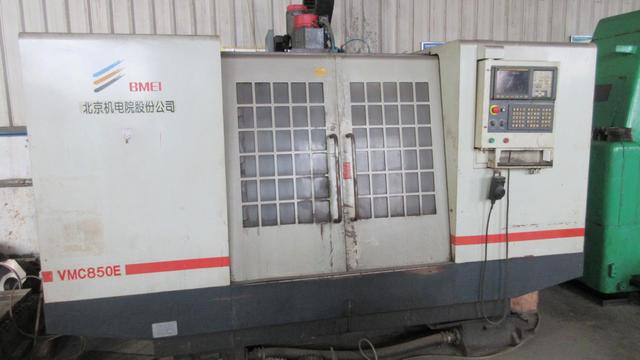
16,000+ SQM manufacturing facility designed for high-precision assembly of industrial fermentation tanks and turners.
Continuous innovation in microbial activation and thermodynamics to ensure 99% pathogen elimination in compost.
Solutions tailored to the environmental regulations of the EU, SE Asia, and the Americas, including CE & ISO certifications.
The global market for agricultural waste treatment is shifting toward Decentralized Intelligent Processing. Large-scale farms in regions like Thailand, Philippines, and Cambodia are increasingly moving away from centralized waste haulage due to rising logistics costs and carbon taxes. Instead, they are adopting on-site "Smart Composting Nodes."
Expert Staff
Years Experience
Efficiency Gain
Countries Served
Chengdu AgBio Energy Co., Ltd. is a professional manufacturer specializing in organic waste composting equipment, food waste recycling systems, and sustainable waste treatment solutions. Established in 2013 and headquartered in Chengdu, Sichuan Province, China, the company is dedicated to helping businesses, agricultural operations, municipalities, and environmental service providers transform organic waste into valuable resources. With a modern manufacturing facility covering more than 16,000 square meters and a team of over 230 employees, AgBio Energy delivers efficient and environmentally responsible waste management technologies to customers around the world.
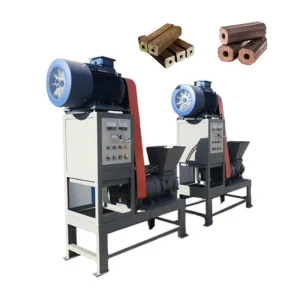
The company's product portfolio includes organic waste composting machines, food waste treatment systems, aerobic fermentation equipment, agricultural waste recycling solutions, manure composting systems, organic fertilizer production lines, municipal bio-waste treatment equipment, and intelligent composting management systems. These solutions are widely used in farms, food processing facilities, restaurants, hotels, commercial waste treatment centers, agricultural cooperatives, and municipal environmental projects.
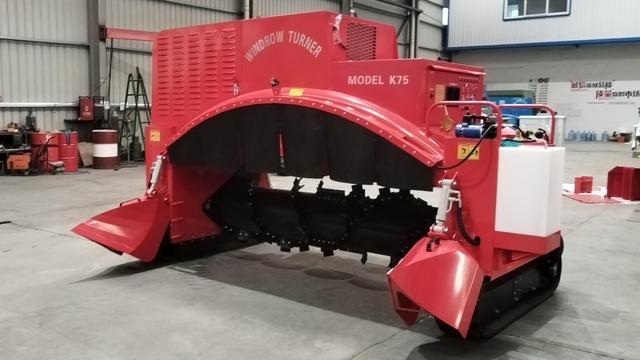
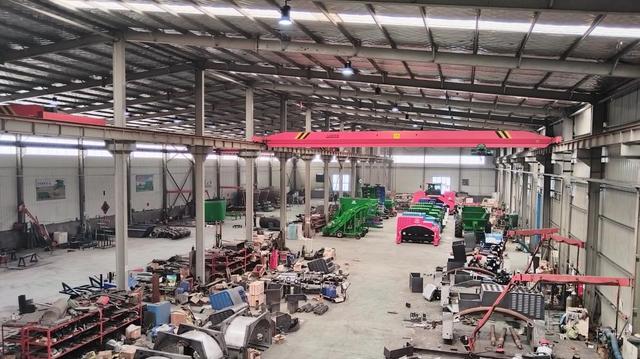
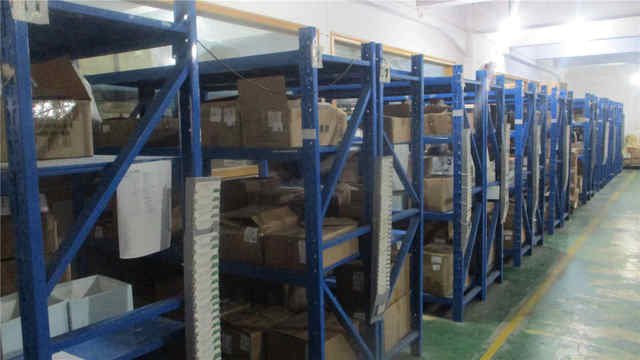
Our engineering team focuses on three core pillars of technical advancement for the next generation of composting machinery:
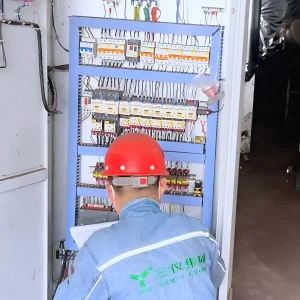
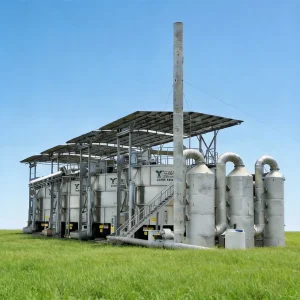
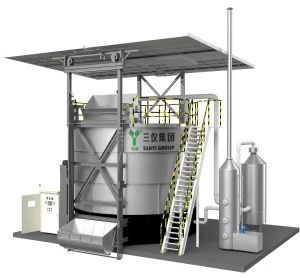
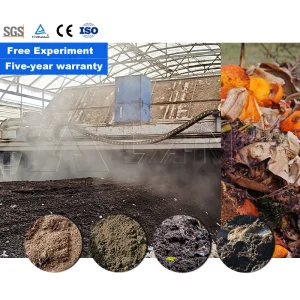
One of the biggest challenges in composting agricultural waste like rice straw or soybean dregs is moisture management. Our latest machines feature automated PLC-controlled aeration that adjusts oxygen flow based on real-time temperature sensors. This prevents anaerobic pockets and eliminates odors.
Agricultural waste can be abrasive and corrosive. We use SUS304/316 stainless steel for contact parts and specialized anti-corrosion coatings for fermentation tanks, ensuring a service life exceeding 15 years even in humid, tropical climates like Brunei or East Timor.
We are developing "Smart Composting" algorithms that predict the optimal C:N (Carbon to Nitrogen) ratio based on the input material type, providing operators with real-time feedback on what additives (like lime or sawdust) are needed to maximize nutrient retention.
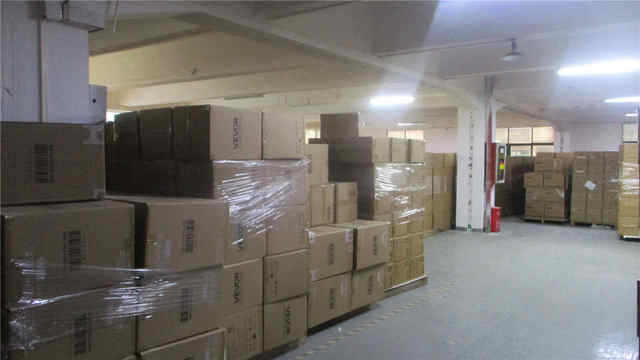
Procuring heavy machinery from a Chinese factory requires more than just high-quality steel. AgBio Energy provides a comprehensive support framework for global clients:
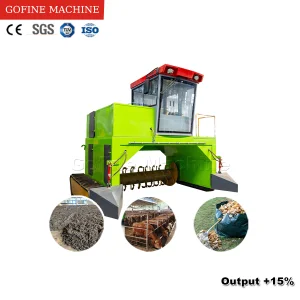
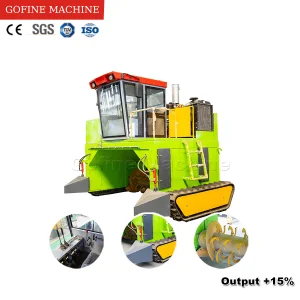
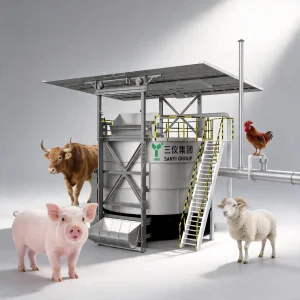
Our systems are designed for high versatility, handling everything from high-carbon materials like rice straw, coconut coir, and wood chips to high-nitrogen materials like poultry manure, pig slurry, and soybean dregs.
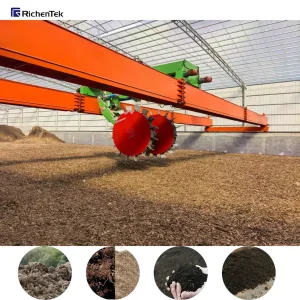
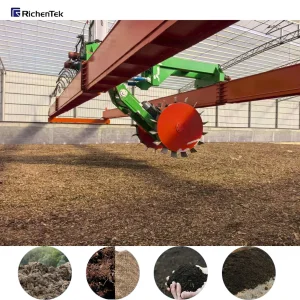
Depending on the technology used (e.g., aerobic fermentation tanks vs. windrow turners) and the feedstock, the process can take anywhere from 48 hours for preliminary decomposition to 15-20 days for a fully matured, stabilized organic fertilizer.
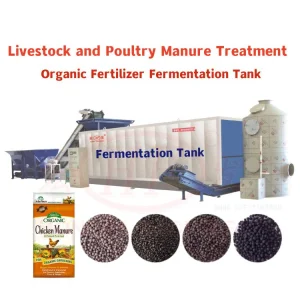
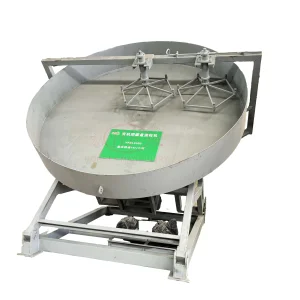
Yes. Beyond the composting machine, we offer complete lines including crushing, mixing, granulating, drying, cooling, and automated packaging systems to create retail-ready fertilizer pellets.
Our fermentation tanks are insulated and equipped with internal heating elements to maintain optimal microbial activity even in cold climates, while our tropical-grade components are designed for high humidity and heat resistance.
Commitment to innovation, sustainability, and resource recovery since 2013.
 AgBio Energy