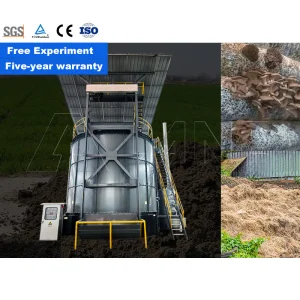
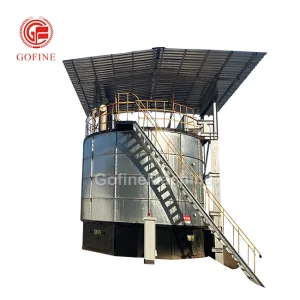
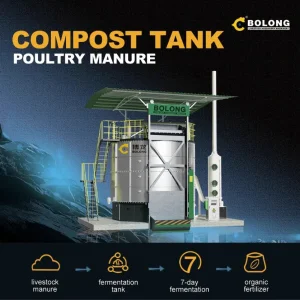
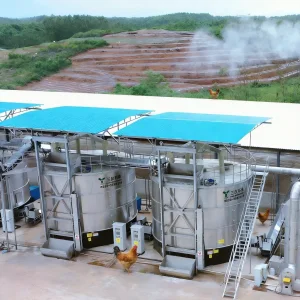
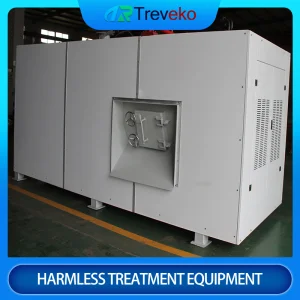
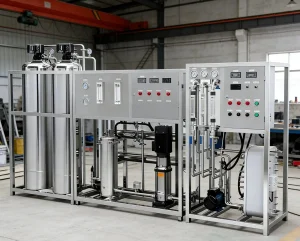
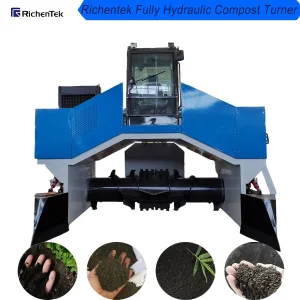
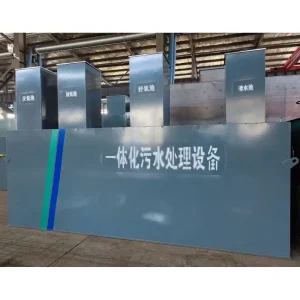
In the current era of environmental stewardship, the transition from waste disposal to resource recovery is no longer optional—it is a strategic necessity. Industrial fermentation composting machines represent the pinnacle of this transition, leveraging thermophilic aerobic digestion to convert heterogeneous organic waste into high-quality, pathogen-free bio-fertilizer within incredibly compressed timelines.
Modern machines utilize advanced aeration systems to maintain optimal oxygen levels, reducing composting cycles from months to just 7–14 days.
Internal temperatures reaching 60-70°C ensure the complete destruction of weed seeds and harmful bacteria, meeting strict international agricultural standards.
Integrated bio-filters and scrubbing systems capture volatile organic compounds, allowing facilities to operate near urban areas without environmental complaints.
China has emerged as the global leader in the manufacturing of organic waste treatment equipment. Factories in regions like Sichuan and Henan have integrated years of agricultural expertise with modern robotics and AI sensing technologies.
Chinese suppliers benefit from a complete industrial ecosystem. From high-grade stainless steel fabrication to the latest PLC (Programmable Logic Controller) systems, every component is sourced and assembled under one roof, ensuring cost-efficiency without compromising on component quality.
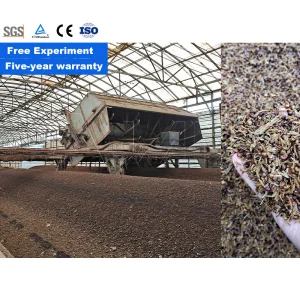
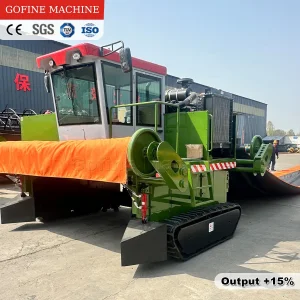
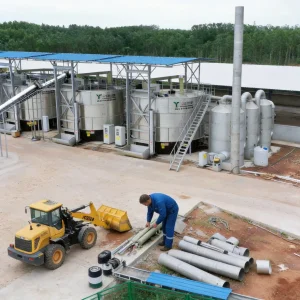
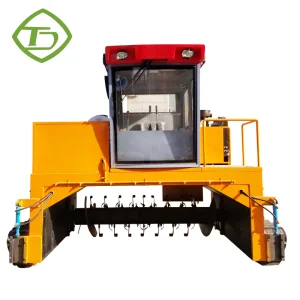
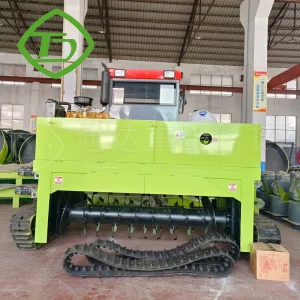
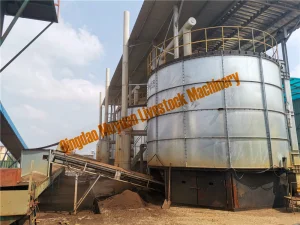
Unlike Western counterparts that often offer rigid, standard models, Chinese factories like Chengdu AgBio Energy Co., Ltd. excel in modular design. Whether you require a vertical fermentation tank for space-constrained urban areas or a crawler-type turner for large-scale rural windrows, the hardware is adaptable to specific moisture levels and substrate densities.
Recent years have seen Chinese manufacturers integrate IoT sensors that monitor real-time N-P-K levels, moisture, and temperature. These "smart" machines can be monitored remotely via cloud dashboards, a feature that has become a prerequisite for global large-scale procurement.
Chengdu AgBio Energy Co., Ltd. is a professional manufacturer specializing in organic waste composting equipment, food waste recycling systems, and sustainable waste treatment solutions. Established in 2013 and headquartered in Chengdu, Sichuan Province, China, the company is dedicated to helping businesses, agricultural operations, municipalities, and environmental service providers transform organic waste into valuable resources.
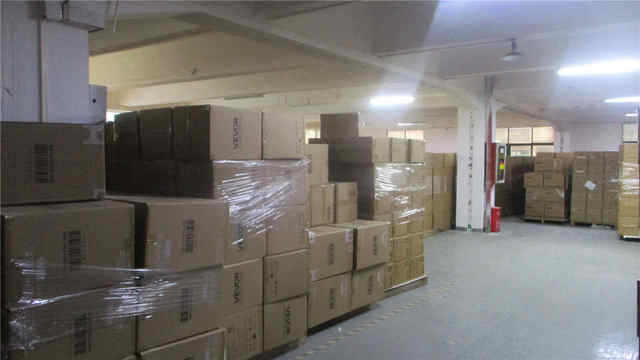
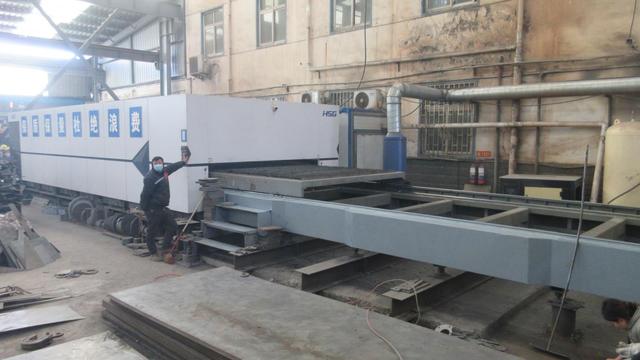
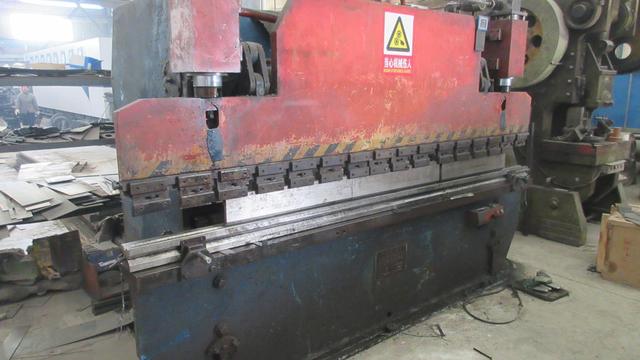
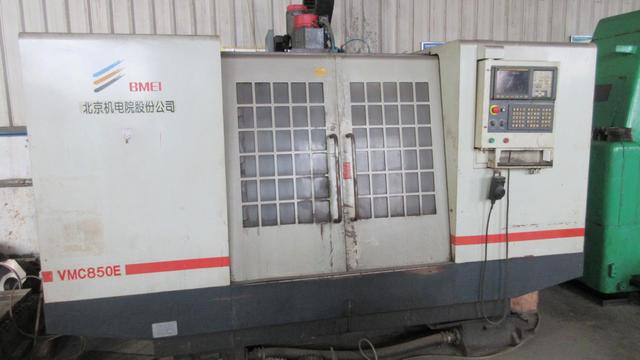
With a modern manufacturing facility covering more than 16,000 square meters and a team of over 230 employees, AgBio Energy delivers efficient and environmentally responsible waste management technologies to customers around the world. The company operates modern production workshops, assembly lines, and testing facilities to ensure product quality, operational efficiency, and long-term reliability.
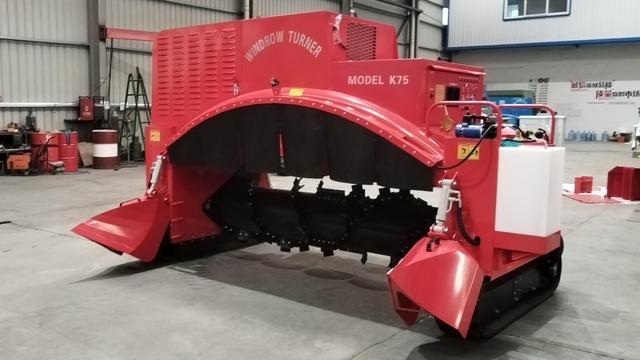
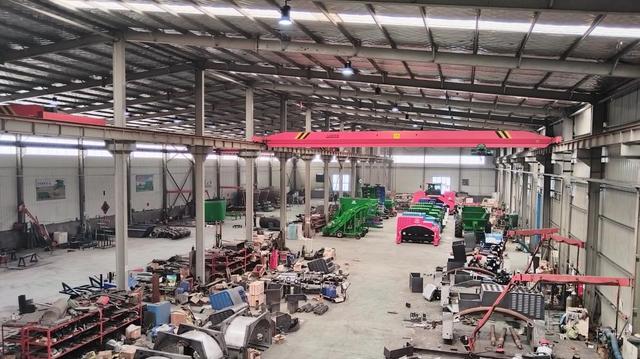
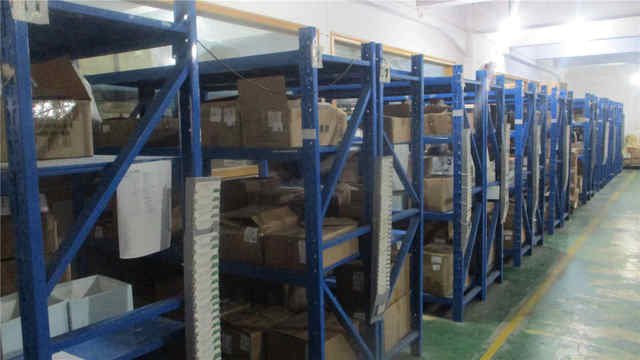
The company's product portfolio includes organic waste composting machines, food waste treatment systems, aerobic fermentation equipment, agricultural waste recycling solutions, manure composting systems, organic fertilizer production lines, municipal bio-waste treatment equipment, and intelligent composting management systems. These solutions are widely used in farms, food processing facilities, restaurants, hotels, commercial waste treatment centers, agricultural cooperatives, and municipal environmental projects.
The global demand for Fermentation Composting Machines is being driven by the "Green Deal" initiatives and ESG (Environmental, Social, and Governance) mandates. Procurement officers are now looking beyond the initial price tag, focusing on the Life Cycle Cost (LCC) and Carbon Credit Potential.
Large-scale poultry and livestock farms are no longer viewing manure as a waste liability but as a profit center. Integrated fermentation lines allow for the bagging and sale of commercial organic fertilizers.
Municipalities are moving away from massive, centralized landfills toward decentralized "micro-composting" units located within residential complexes, reducing transport emissions.
Newest generation machines utilize heat recovery systems, where the thermal energy generated by the aerobic bacteria is used to pre-heat incoming waste, significantly lowering electricity consumption.
The versatility of AgBio Energy's technology allows for application across vastly different environments:
Dealing with high-nitrogen chicken manure and pig slurry. Our fermentation tanks prevent groundwater nitrogen leaching while producing stable fertilizer.
Managing high-moisture vegetable scraps and fruit pulp. Specialized screw-press dehydration combined with fermentation reduces volume by 70%.
Compact, aesthetic, and silent units designed for basement installations, processing food waste directly at the source of generation.
Committed to innovation, sustainability, and resource recovery, Chengdu AgBio Energy Co., Ltd. continues to support global efforts toward circular economy development, landfill reduction, and environmentally responsible organic waste management through advanced composting and recycling technologies. As your dedicated supplier and factory partner, we invite you to explore the future of bio-energy with us.
 AgBio Energy