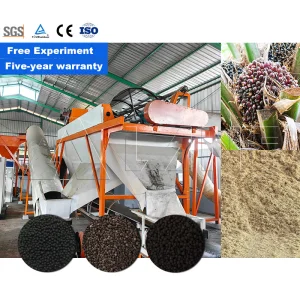
 Banana Waste Molasses Residue Composting Process Organic Fertilizer Production Line
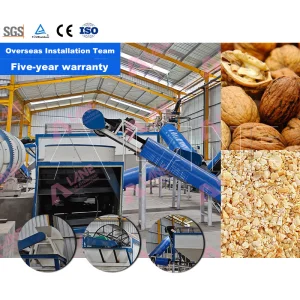 Palm Kernel Cake (Pkc) Waste Residue Composting Machine
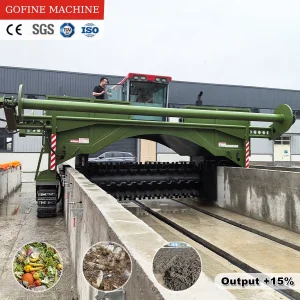 Thermostatic Aeration Film Cover Organic Composting Line
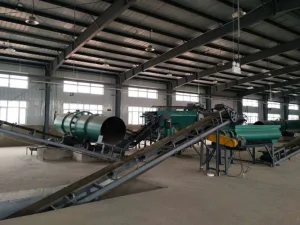 380V Granulator Shenzhou Wooden Case Composting Machine
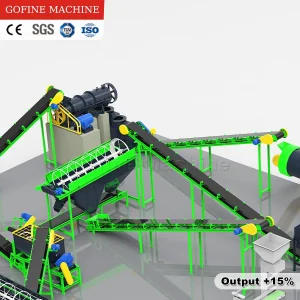 3 Ton/H Composting Fermentation Organic Fertilizer Line
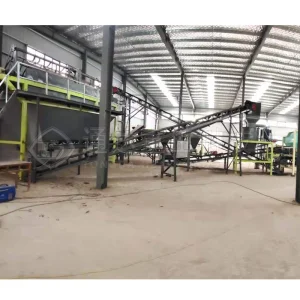 Organic Fertilizer Making Machine Poultry Waste Production Line
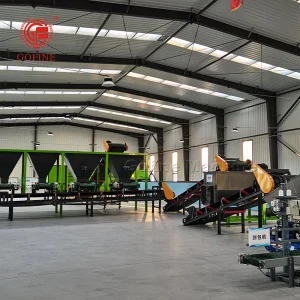 Middle East Approved Organic Fertilizer Granulation Line
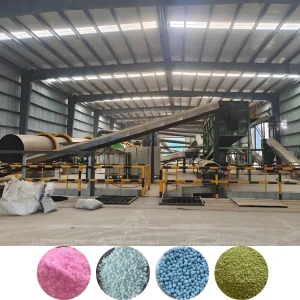 Industrial-Scale Composting & Granulation Line for NPK
In the contemporary era of environmental stewardship and circular economy initiatives, the role of Organic Fertilizer Composting Line Manufacturers & Exporters has transcended mere equipment supply. We are now architects of soil health and carbon sequestration. The global organic fertilizer market, valued at billions, is shifting from traditional manual pits to fully automated, AI-integrated fermentation systems.
Across Europe, the Americas, and Asia, stringent regulations on landfilling organic waste are driving the demand for industrial-scale composting lines. From the European Union's "Green Deal" to Southeast Asia's push for sustainable plantation management (palm oil and banana), the conversion of agricultural residues into nutrient-rich pellets is no longer optional—it is a fiscal and environmental necessity.
The transition toward regenerative agriculture is increasing the demand for high-quality organic fertilizers by 12% CAGR annually.
Sub-Saharan Africa and Latin America are emerging as major hubs for large-scale manure and crop residue recycling projects.
Carbon credit markets are providing new revenue streams for enterprises utilizing advanced composting technologies.
Modern composting is a precise science. It involves managing the Carbon-to-Nitrogen (C:N) ratio, moisture levels (typically 50-60%), and thermophilic phase temperatures (55-65°C) to ensure the total destruction of pathogens and weed seeds. Our engineering focus lies in Aerobic Fermentation, which reduces methane emissions—a greenhouse gas 25 times more potent than CO2—by up to 90% compared to anaerobic decomposition in landfills.
One size does not fit all in the world of organic fertilizer. Our systems are engineered for specific feedstocks:
Specialized lines for Banana Waste & Palm Kernel Cake (PKC). These materials require high-torque crushing and specific moisture adjustment due to their fibrous nature and high sap content.
In the Middle East and Central Asia, we deploy Chicken and Pig Manure lines with integrated thermostatic aeration, ensuring stability despite extreme ambient temperature fluctuations.
Utilizing Bagasse and Beet Pulp, our lines integrate with sugar refinery outputs to create a closed-loop system where industrial waste returns to the soil as fertilizer.
The future of organic fertilizer production is Digital and Decentralized. We are moving toward "Smart Composting Facilities" where:
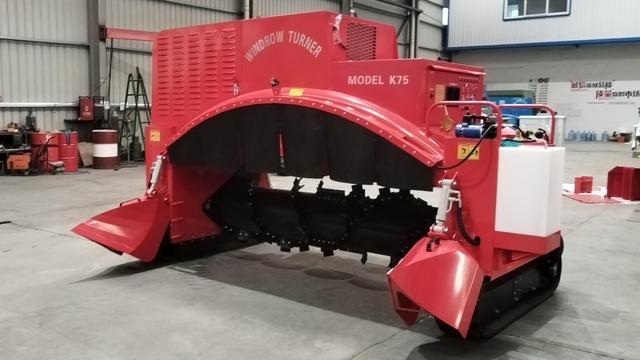
Chengdu AgBio Energy Co., Ltd. is a professional manufacturer specializing in organic waste composting equipment, food waste recycling systems, and sustainable waste treatment solutions. Established in 2013 and headquartered in Chengdu, Sichuan Province, China, the company is dedicated to helping businesses, agricultural operations, municipalities, and environmental service providers transform organic waste into valuable resources.
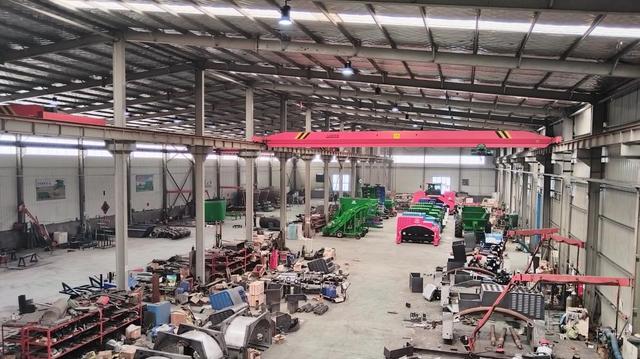
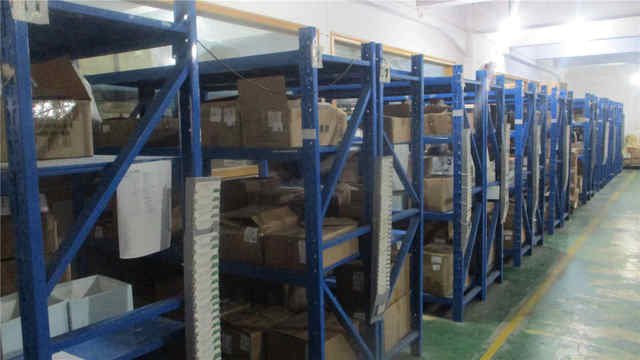
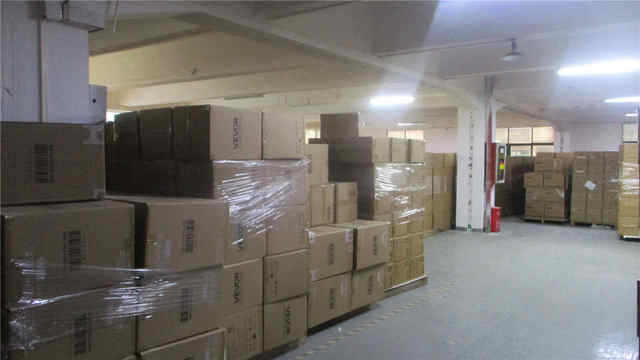
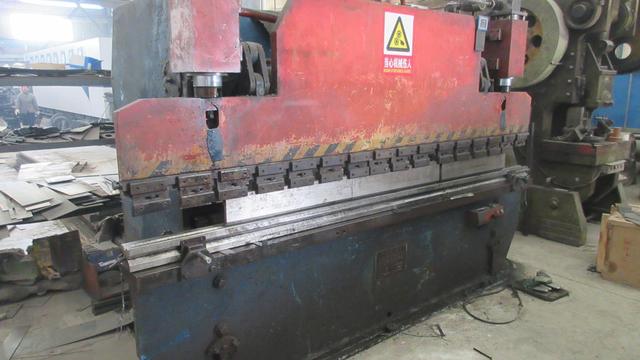
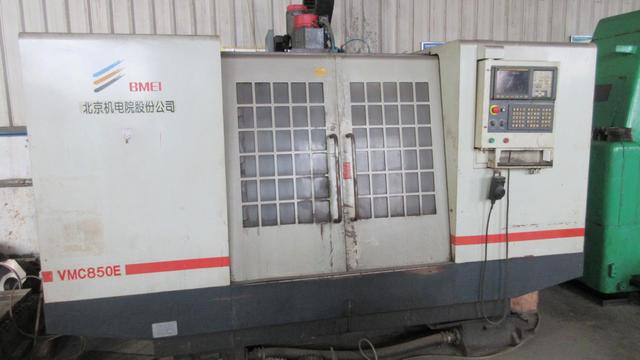
With a modern manufacturing facility covering more than 16,000 square meters and a team of over 230 employees, AgBio Energy delivers efficient and environmentally responsible waste management technologies to customers around the world. We offer comprehensive OEM and ODM services, providing customized waste treatment solutions tailored to specific project requirements and operational environments.
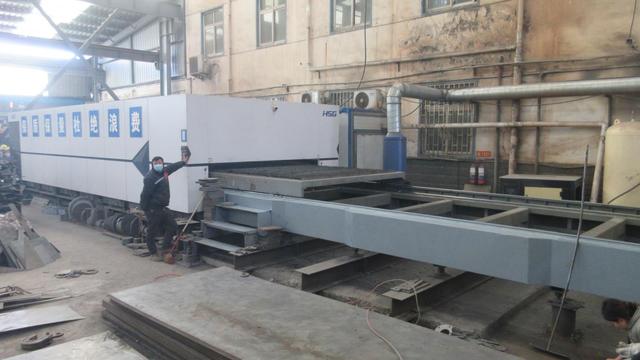
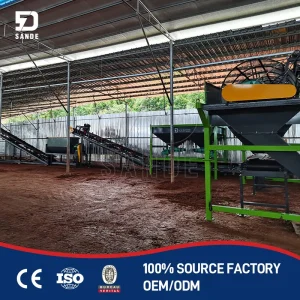 Automated Goose Manure Composting Organic Fertilizer Production Line
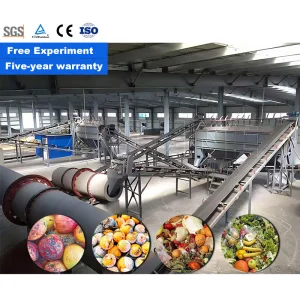 Chicken Waste Pellets Cocoa Bean Pod Waste Composting Line
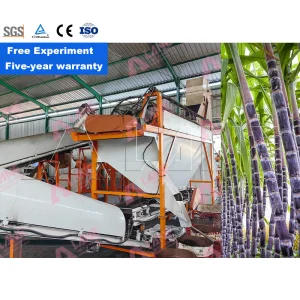 Lane Bagasse Composting Innovation for Sugar Residue
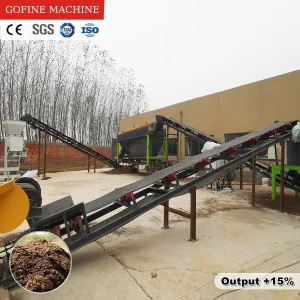 Complete Powdered Organic Fertilizer Production Line for Chicken Manure
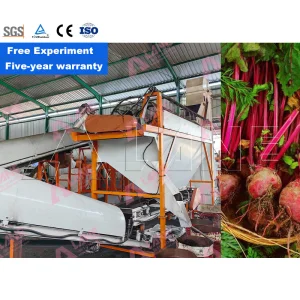 Lane Beet Pulp Sugar Beet Waste Organic Composting Machine
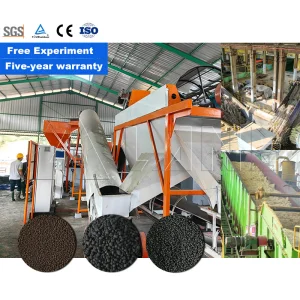 Sugar Mill Organic Waste Composting Machine Production Line
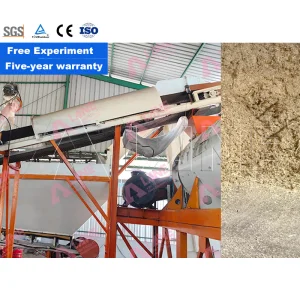 Lane Cost-Effective Small Scale Slaughterhouse Waste Composting Equipment
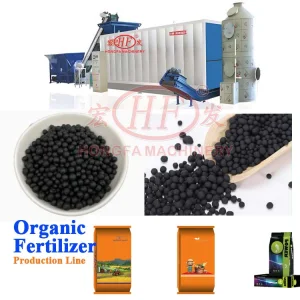 Humic NPK Organic Fertilizer Making Machine Production Line
 AgBio Energy