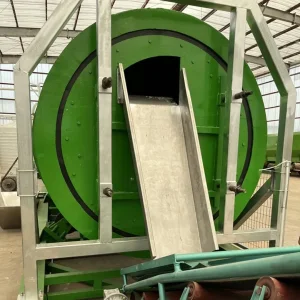
Aerobic Composting Equipment Factories & Suppliers

Global Industrial Insights & Strategic Procurement Solutions for Sustainable Organic Waste Transformation

🌐 Global Market Evolution of Aerobic Composting

As the global community shifts toward a Circular Economy, the demand for industrial-grade Aerobic Composting Equipment has surged. Modern waste management is no longer just about disposal; it is about resource recovery. In 2024, the composting equipment sector is defined by the integration of IoT monitoring, thermophilic microbiology, and emission control technologies.

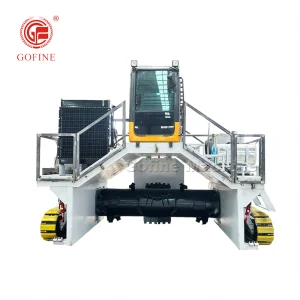
For B2B buyers and project contractors, selecting the right factory isn't just a matter of price—it's about "Information Gain." Understanding the nuance between batch fermentation and continuous flow systems, or the energy efficiency of modular aerobic tanks versus windrow turners, provides the competitive edge needed for high-ROI environmental projects.
📈

Market Growth

The global organic waste management market is projected to grow at a CAGR of 5.8%, driven by landfill bans and ESG mandates in the EU, SE Asia, and North America.

🌱

Soil Health Initiatives

Governments are incentivizing organic fertilizer production to restore soil carbon, making "waste-to-fertilizer" plants a highly profitable investment.

💡

Tech Integration

AI-driven aeration and moisture control sensors reduce composting cycles from months to just 15 days, significantly lowering operational costs.
🏭 China Factory 4.0: The Hub of Composting Innovation

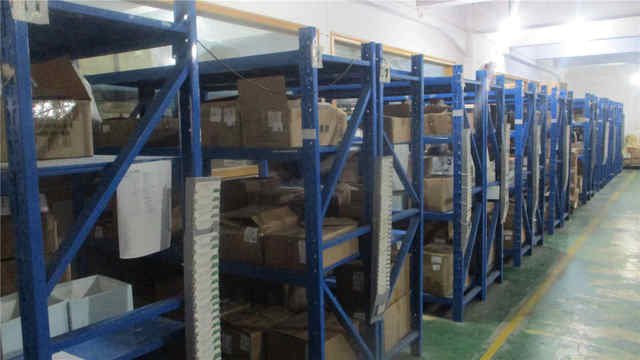
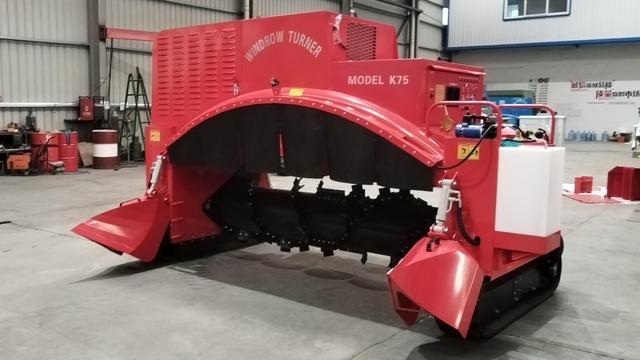
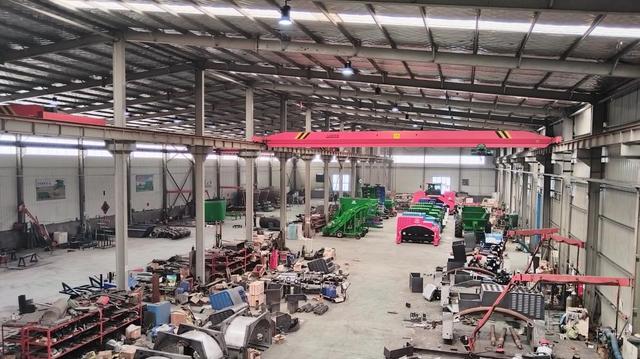
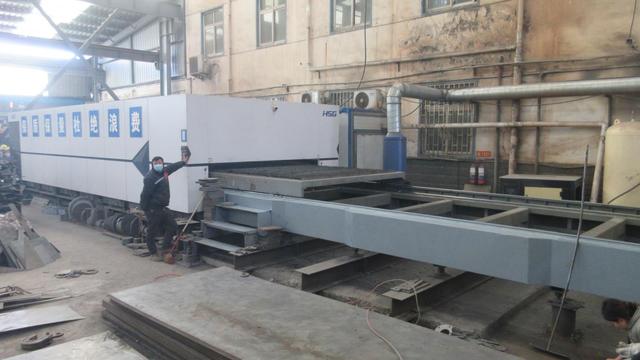
China has emerged as the global leader in environmental equipment manufacturing, not just through scale, but through Industrial 4.0 adoption. Suppliers like Chengdu AgBio Energy Co., Ltd. represent the pinnacle of this evolution. Operating from a 16,000-square-meter facility, we leverage automated laser cutting, robotic welding, and digital testing rigs to ensure each aerobic fermenter meets international standards (ISO/CE).

Supply Chain Resilience: Unlike fragmented manufacturers, Chinese integrated factories provide a "One-Stop" ecosystem—from raw steel processing to proprietary PLC software development. This reduces lead times by 30% and ensures that spare parts are always available for global shipping.
16,000+ Sqm Factory Area
230+ Expert Staff
15 Days Rapid Fermentation Cycle
50+ Exporting Countries

🔧 Engineering Excellence: Aerobic Fermentation Deep-Dive

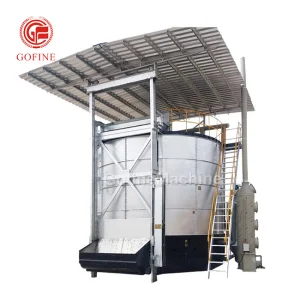
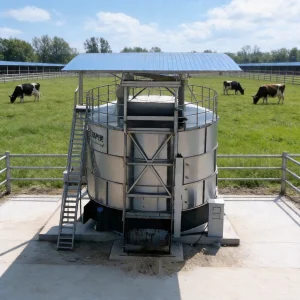
Aerobic composting relies on the activity of thermophilic microorganisms. To achieve Information Gain in your procurement process, one must look at the four pillars of modern aerobic digesters:

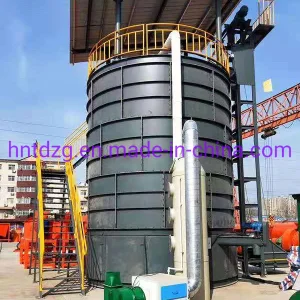
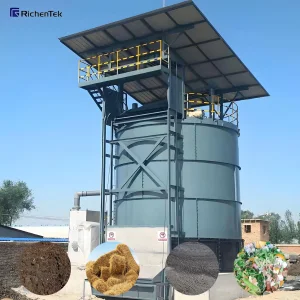
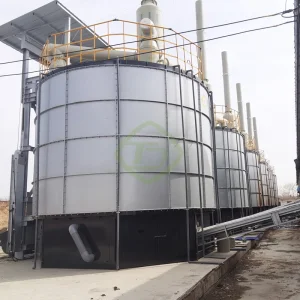
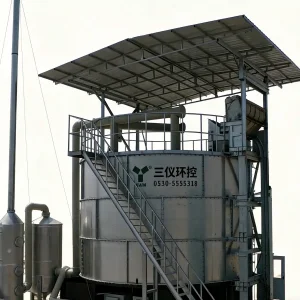
1. Temperature Management: Our tanks maintain a consistent 55-70°C, effectively killing pathogens and weed seeds while accelerating the breakdown of lignin and cellulose.
2. Oxygen Optimization: High-pressure forced aeration systems ensure no anaerobic pockets, which prevents the release of methane and hydrogen sulfide.
3. Vapor & Odor Control: Integrated bio-filtration and scrubber systems make our equipment suitable for sites near urban centers or commercial zones.
4. Modular Scalability: Whether you are processing 5 tons or 500 tons per day, our modular design allows for rapid expansion without replacing existing infrastructure.

Livestock & Poultry

Transforms high-moisture chicken, cow, or pig manure into hygienized organic fertilizer in 15 days. Ideal for large-scale agricultural cooperatives.

Municipal Bio-Waste

Designed for cities targeting 100% diversion from landfills. Processes MSW organic fractions and sewage sludge with minimal footprint.

Food & Commercial

Compact, automated units for hotels, hospitals, and food processing plants. Turn kitchen scraps into soil conditioner on-site.
🍃 Chengdu AgBio Energy Co., Ltd.

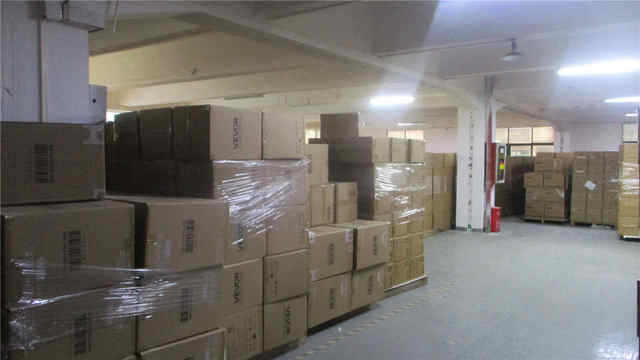
Chengdu AgBio Energy Co., Ltd. is a professional manufacturer specializing in organic waste composting equipment, food waste recycling systems, and sustainable waste treatment solutions. Established in 2013 and headquartered in Chengdu, Sichuan Province, China, the company is dedicated to helping businesses, agricultural operations, municipalities, and environmental service providers transform organic waste into valuable resources. With a modern manufacturing facility covering more than 16,000 square meters and a team of over 230 employees, AgBio Energy delivers efficient and environmentally responsible waste management technologies to customers around the world.

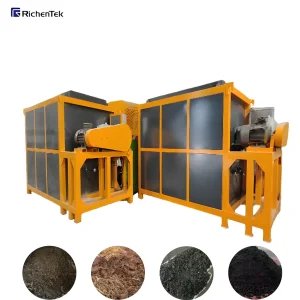
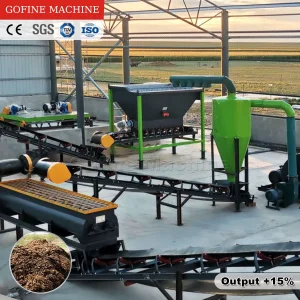
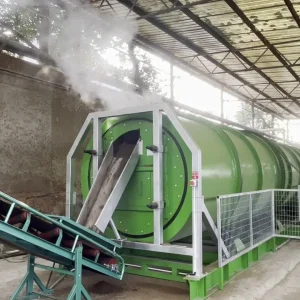
The company's product portfolio includes organic waste composting machines, food waste treatment systems, aerobic fermentation equipment, agricultural waste recycling solutions, manure composting systems, organic fertilizer production lines, municipal bio-waste treatment equipment, and intelligent composting management systems. These solutions are widely used in farms, food processing facilities, restaurants, hotels, commercial waste treatment centers, agricultural cooperatives, and municipal environmental projects.

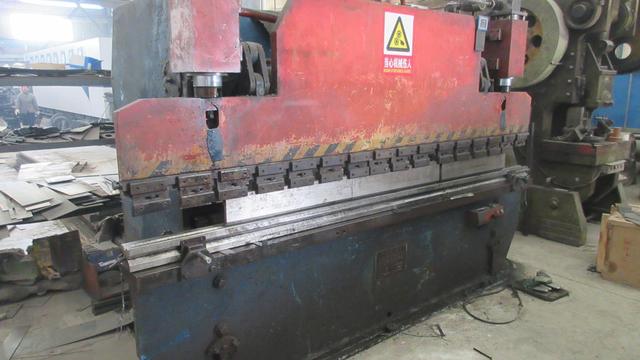
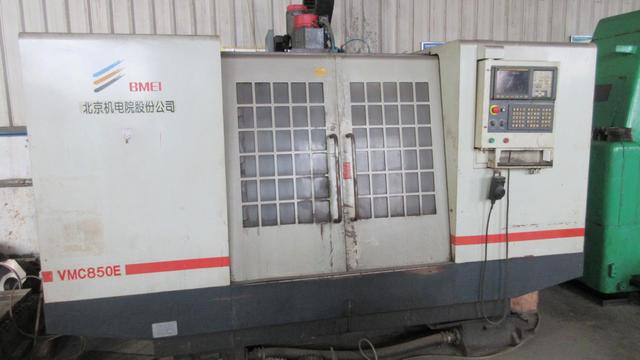
AgBio Energy integrates engineering expertise, process optimization, and advanced manufacturing technologies to develop reliable composting and organic waste recycling systems. The company operates modern production workshops, assembly lines, and testing facilities to ensure product quality, operational efficiency, and long-term reliability. Strict quality management procedures are implemented throughout product development, manufacturing, installation, and customer support processes.

In addition to standard equipment, AgBio Energy offers OEM and ODM services, providing customized waste treatment solutions tailored to specific project requirements, processing capacities, and operational environments. The company works closely with environmental organizations, agricultural enterprises, waste management operators, and project contractors worldwide.

Committed to innovation, sustainability, and resource recovery, Chengdu AgBio Energy Co., Ltd. continues to support global efforts toward circular economy development, landfill reduction, and environmentally responsible organic waste management through advanced composting and recycling technologies.
Frequently Asked Questions

What is the difference between aerobic and anaerobic composting? +
Aerobic composting uses oxygen and specialized bacteria to break down waste quickly (15-20 days) with minimal odor and no methane production. Anaerobic digestion occurs without oxygen, takes longer, and is primarily used for biogas production.
How does high-temperature fermentation handle pathogens? +
Our equipment maintains temperatures between 55°C and 70°C for several days. According to EPA standards, this "Process to Further Reduce Pathogens" (PFRP) ensures the final compost is safe for use in commercial agriculture.
Do you offer customization for specific climatic conditions? +
Yes. For cold climates (e.g., Canada, Northern Europe), we provide double-insulated tanks and integrated heating systems. For humid tropical climates, we enhance the dehumidification and bio-filtration modules.
What is the typical lifespan of an AgBio aerobic fermenter? +
With proper maintenance, our industrial tanks are designed for a 15-20 year service life. We use corrosion-resistant materials (SS304/316 options) to withstand the harsh environment of organic waste decomposition.
All Aerobic Composting Equipment Products