How Does Composting Enhance Sustainable Agriculture Benefits?

Time:2026-06-13 Author:Charlotte
0%

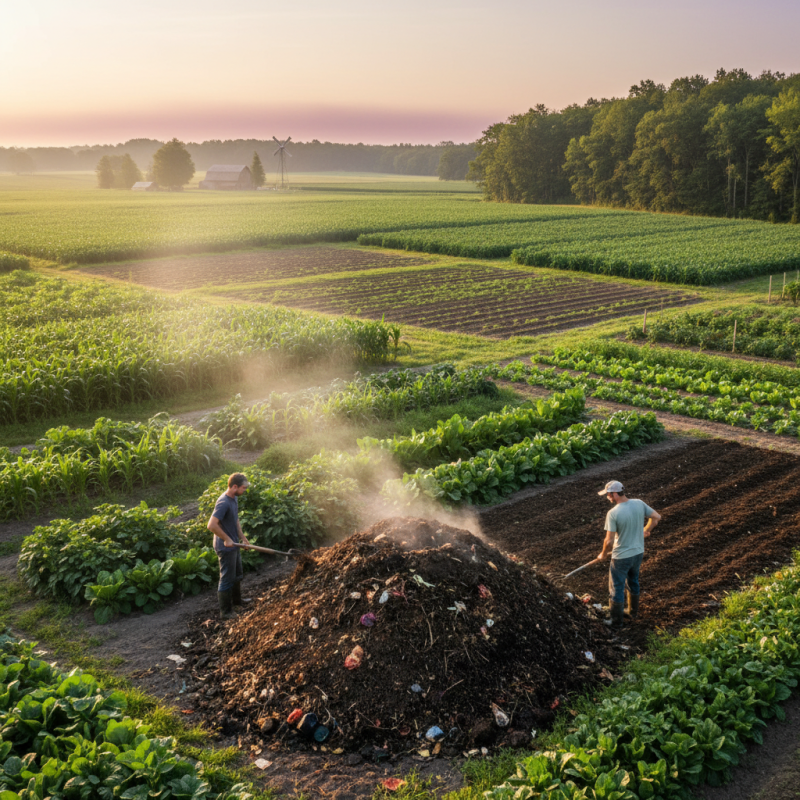
Composting plays a crucial role in enhancing sustainable agriculture. By recycling organic waste, it creates nutrient-rich soil amendments. This process helps to maintain soil health, which is essential for resilient crops. Farmers who adopt composting often see improved crop yields and reduced reliance on chemical fertilizers.

How does composting support sustainable agriculture? It fosters biodiversity by promoting beneficial microorganisms in the soil. When compost is added, it enhances soil structure and moisture retention. This results in healthier plants that can better withstand pests and diseases. The positive impact on the environment cannot be overlooked either, as composting reduces landfill waste and lowers greenhouse gas emissions.

Despite its benefits, challenges remain. Some farmers may hesitate to compost due to time constraints or a lack of knowledge. Proper composting techniques require attention to detail. It’s vital to strike a balance between carbon and nitrogen inputs. Reflecting on these hurdles can drive improvements in composting practices and further support sustainable agriculture.
How Does Composting Enhance Sustainable Agriculture Benefits?

Composting as a Soil Amendment: Improving Soil Fertility and Structure

Composting plays a vital role in enhancing soil fertility and structure. By turning organic waste into nutrient-rich compost, farmers can improve the quality of their soil. Compost adds essential nutrients like nitrogen, phosphorus, and potassium. This enriches the soil, making it more productive for crops. Natural microbial life thrives with compost. This activity leads to better nutrient availability for plants.

Moreover, compost enhances soil structure. It increases soil aeration and drainage, which helps prevent erosion. Healthy soil holds water better, which is crucial in agricultural regions prone to drought. The organic matter in compost helps bind soil particles together. This creates a crumbly texture, allowing roots to grow easily. The improvements are sometimes gradual. Farmers may need to monitor their soil regularly to notice changes.

However, using compost effectively requires careful management. The composting process must be monitored for temperature and moisture levels. Too much moisture can lead to foul odors. On the other hand, too little can slow down decomposition. It's important for farmers to learn from their experiences to optimize the composting process. There is always room for improvement in technique and understanding. The journey to perfect composting is ongoing.

Benefits of Composting for Crop Yield: Statistical Evidence from Agricultural Studies

Composting significantly boosts crop yields, according to various agricultural studies. These studies reveal that compost improves soil structure and fertility. Healthy soil retains moisture better and promotes root growth, leading to more robust plants. Research indicates that farms using compost can see a 20% increase in crop yield compared to conventional practices.

In a specific trial, tomato plants grown with compost showed larger fruit sizes. Another study demonstrated that leafy greens thrived when compost amendments were made. The benefits are not just quantitative; composting also enriches soil biodiversity. Microorganisms in compost support nutrient cycling, enhancing plant health. However, the level of benefit can vary based on soil type and climate conditions.

Many farmers, while aware of these advantages, may feel hesitant to adopt composting practices. Concerns include initial costs and time investment. Some might find it challenging to obtain the right materials for compost. This hesitance can limit the potential benefits of composting in diverse agricultural systems. Continued education and support for farmers are essential for improving long-term outcomes.

Reducing Agricultural Waste: The Role of Composting in Sustainable Practices

Composting plays a pivotal role in reducing agricultural waste. This practice transforms organic matter into nutrient-rich soil amendments. According to the United Nations Food and Agriculture Organization, about 1.3 billion tons of food waste is generated annually. A significant portion of this waste can be diverted through effective composting methods.

Farmers utilizing compost report improved soil fertility and structure. A study by the Rodale Institute found that adding organic compost increased crop yields by 20-30% over conventional practices. Moreover, composting not only reduces waste volume but also mitigates greenhouse gas emissions, acting as a natural carbon sink. The Environmental Protection Agency highlights that composting can reduce methane emissions by 40%.

Despite its benefits, composting may present challenges. Some farmers hesitate due to the initial cost and time requirements. Additionally, not all organic materials are suitable for composting. This requires careful selection and management to ensure quality. Thus, while composting proves valuable in sustainable agriculture, it demands commitment and ongoing learning from practitioners.

Impact of Composting on Sustainable Agriculture

This chart illustrates the benefits of composting in reducing agricultural waste and enhancing sustainable practices. It highlights the percentage reduction in waste and improvements in soil health over a five-year period.

Carbon Sequestration through Composting: Impact on Climate Change Mitigation

Composting plays a crucial role in carbon sequestration, a key factor in mitigating climate change. According to the U.S. Environmental Protection Agency (EPA), composting can capture up to 2.3 billion metric tons of carbon dioxide-equivalent emissions annually in the United States alone. By converting organic waste into compost, we not only reduce landfill waste but also create a valuable resource for soil health.

The addition of compost to agricultural soils enhances their ability to sequester carbon. A study published in Agriculture, Ecosystems & Environment found that compost application can increase soil organic carbon levels by 20-30%. This is significant. Healthier soils can store more carbon, helping to lower atmospheric CO2. Despite these benefits, many farms still underutilize compost. Barriers include lack of knowledge and resources in available composting technologies.

Incorporating compost requires effort and investment. Some farmers report that initial costs are high. Others find the transition to organic practices challenging. Nonetheless, the long-term benefits often outweigh these initial hurdles. Sustainable agricultural practices that include composting contribute positively to both soil health and climate resilience. They deepen our understanding of ecological systems.

Nutrient Cycling and Biodiversity: How Composting Supports Ecosystem Health

Composting plays a vital role in nutrient cycling. Organic waste breaks down, enriching the soil with vital elements. This process enhances soil fertility, boosting crop productivity. Farmers tapping into compost realize healthier plants. These plants yield more while needing fewer chemical fertilizers. It’s a holistic approach that promotes sustainable farming.

Biodiversity flourishes in compost-enriched soils. Healthy ecosystems support a variety of organisms. Earthworms, beneficial bacteria, and fungi thrive. These creatures support soil structure and nutrient availability. However, not all compost is equal. Inadequate mixing or poor materials may lead to nutrient imbalances. This imbalance can harm soil health and crop yields.

Farmers must reflect on their composting practices. Regular testing can ensure the right nutrients are available. Observing local flora and fauna offers insights into ecosystem health. Monitoring changes in plant growth or pest populations helps farmers adjust practices. Sustainable agriculture requires ongoing learning.

FAQS

: What is the role of composting in improving soil quality?

: Composting enhances soil fertility and structure by adding essential nutrients and increasing microbial life.

How does compost benefit plant growth?

It enriches soil with nitrogen, phosphorus, and potassium, making it more productive for crops.

What effect does compost have on soil structure?

Compost improves aeration and drainage, preventing erosion and allowing roots to grow easily.

How can compost help with water retention?

Healthy soil enriched with compost holds water better, which is crucial in drought-prone areas.

What challenges do farmers face when using compost?

Initial cost and time can be barriers. Monitoring moisture and temperature is also essential.

Can composting reduce agricultural waste?

Yes, it transforms organic matter into useful soil amendments, reducing waste volume significantly.

How does composting affect greenhouse gas emissions?

Composting can reduce methane emissions by 40%, acting as a natural carbon sink.

What are the financial considerations for composting?

Initial costs can be high, but the long-term benefits for soil and crop yield can offset these expenses.

Why might some farmers hesitate to compost?

Some lack knowledge about suitable materials and composting techniques, requiring ongoing learning.

What is the connection between composting and climate change?

Composting sequesters carbon and can significantly reduce carbon dioxide-equivalent emissions, aiding climate mitigation efforts.

Conclusion

Composting plays a crucial role in enhancing sustainable agriculture by serving as an effective soil amendment that improves soil fertility and structure. By incorporating organic matter into the soil, compost enriches the nutrient profile and enhances moisture retention, leading to improved crop yields, as supported by numerous agricultural studies showing tangible benefits for farmers. Furthermore, composting significantly reduces agricultural waste by repurposing organic residues, thus promoting sustainable waste management practices.

Additionally, composting contributes to carbon sequestration, which is vital for climate change mitigation efforts. By storing carbon in the soil, compost helps lower greenhouse gas emissions associated with conventional farming practices. Moreover, the process of composting fosters nutrient cycling and promotes biodiversity, ultimately supporting ecosystem health. Overall, understanding how does composting support sustainable agriculture is essential for developing practices that ensure the long-term viability of farming while protecting the environment.

Charlotte

Charlotte

Charlotte is a seasoned marketing professional with a deep understanding of the company's portfolio and a passion for elevating its presence in the market. With a keen eye for detail and a commitment to excellence, she ensures that our professional blog is regularly updated with insightful articles......