Understanding organic waste composting is essential for sustainable living. What is organic waste composting and how does it work? This process transforms kitchen scraps, yard waste, and other biodegradable materials into nutrient-rich soil. It benefits gardens and the environment.
Composting involves various stages. Microorganisms break down organic material in a controlled setting. Factors like moisture, temperature, and aeration play a crucial role. Balancing these elements helps achieve successful compost. The transition from waste to compost can seem complex. Mistakes are common, such as adding non-biodegradable items.
However, learning from these errors is part of the journey. Engaging in organic composting can be rewarding, but it requires patience and attention. Each batch teaches valuable lessons about decomposition and nutrient cycling. Composting connects us to nature while promoting environmental responsibility.
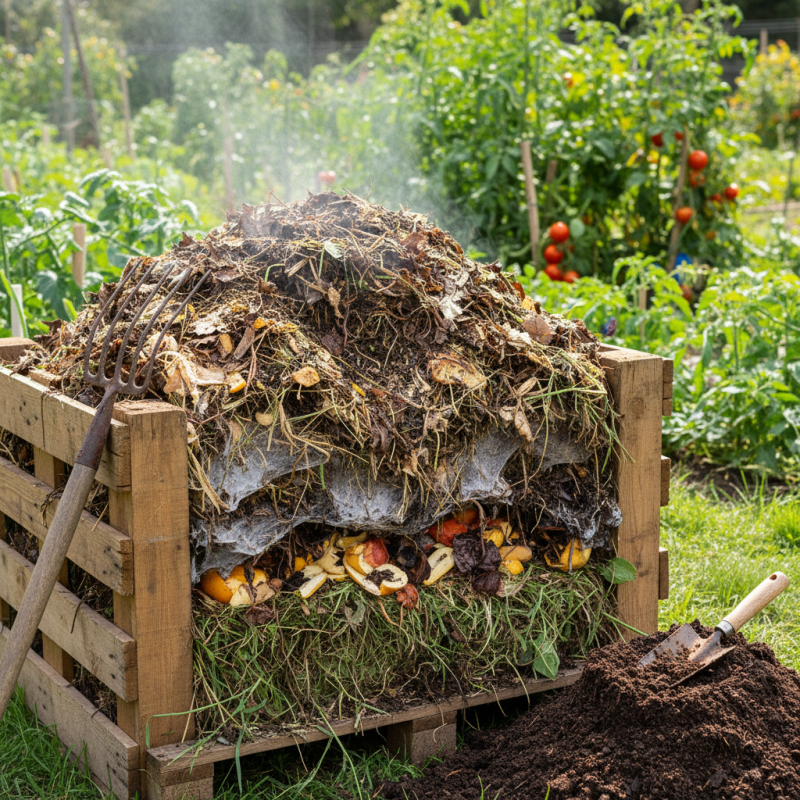
Composting organic waste transforms everyday materials into nutrient-rich soil. This practice significantly benefits the environment by reducing landfill waste. According to the Environmental Protection Agency (EPA), organic waste accounts for about 30% of what we throw away. When composted, this waste helps decrease greenhouse gas emissions.
Understanding organic waste composting involves knowing its basic components. Kitchen scraps, yard debris, and paper products can be composted. It is essential to maintain a proper balance of "greens" and "browns." Greens include nitrogen-rich materials. Browns are carbon-rich. Researchers suggest an ideal ratio of 2:1 greens to browns for efficient decomposition.
However, composting is not always straightforward. Factors like bacteria levels, moisture, and aeration can affect the process. Sometimes, compost piles become too wet or too dry, hampering decomposition. Maintaining a balance requires monitoring and occasionally adjusting the conditions. Understanding these challenges can enhance composting success and contribute to a healthier planet.
| Dimension | Description | Example Materials | Composting Time |
|---|---|---|---|
| Types of Organic Waste | Biodegradable materials that can decompose naturally. | Fruit and vegetable scraps, grass clippings, coffee grounds | 2-8 weeks |
| Microbial Activity | Microorganisms break down organic matter, generating heat. | Bacteria, fungi, worms | Varies based on conditions |
| Composting Method | Different techniques to facilitate composting. | Static piles, tumblers, trenching | Weeks to months |
| Benefits | Enhances soil fertility and reduces landfill waste. | Nutrient-rich organic fertilizer | N/A |
| Challenges | Potential odors, pests, and incorrect material usage. | Meat, dairy, and oily foods | N/A |
Composting plays a crucial role in sustainable waste management. It transforms organic materials, like food scraps and yard waste, into nutrient-rich soil. This process not only reduces landfill waste but also enriches our soil, supporting plant growth and biodiversity.
Implementing composting can be challenging. Not everyone knows how to do it correctly. Many people struggle with the right balance of carbon and nitrogen in their compost heaps. Too much moisture or not enough aeration can lead to unpleasant odors. These factors can discourage the practice, despite the benefits. Learning from these mistakes is part of the journey.
Understanding the local ecosystem helps enhance composting practices. Each region has unique soil requirements and organic materials. Engaging with community composting initiatives can foster knowledge exchange. However, there is still much to learn about optimizing composting processes for different environments. Embracing these challenges can lead to a sustainable future.
Composting organic waste is a vital process that reduces landfill use and enriches soil. You can start by collecting kitchen scraps like vegetable peels, eggshells, and coffee grounds. Keep an eye on the balance between "greens" (nitrogen-rich materials) and "browns" (carbon-rich materials). This ratio ensures efficient decomposition.
Shred larger items into smaller pieces. This accelerates the breakdown process. Turn your compost pile regularly. Aerating it introduces oxygen, which is crucial for the microorganisms thriving in the pile. Monitor the moisture levels; compost should be damp but not soaked. If it’s too dry, add some water or green materials. If it’s too wet, mix in more browns.
Patience is essential. It can take several weeks or months for compost to fully mature. The end product should smell earthy and be dark, crumbly, and rich in nutrients. Beware of common mistakes, such as adding too much meat or dairy, which can attract pests. Reflect on your successes and failures. Each batch of compost offers lessons for improvement. Adjust your method based on your observations. This journey toward sustainable waste management can contribute significantly to a healthier planet.
Home composting offers a sustainable way to manage organic waste. According to a report by the Environmental Protection Agency, composting organic materials can reduce landfill waste by up to 30%. Effective composting at home can be simpler than you think. Start with a balance of greens and browns:
greens include kitchen scraps and grass clippings, while browns comprise dried leaves and cardboard. Aim for a ratio of roughly 1:3.
Temperature is crucial. A compost pile needs to reach at least 130°F to effectively break down materials. Turning the pile every few weeks aerates it, promoting decomposition. This can be a challenge; maintaining the right moisture can be tricky. Too much water can stifle microbial activity, while too little can dry out the pile. Monitoring moisture levels helps maintain the ideal compost environment.
Common mistakes include overloading with one type of waste. Excessive fruit peels may attract pests, while too much grass can create a soggy mess. Not all food scraps are compatible. Avoid dairy and oils, as they can create odor issues. Even avid composters can inadvertently include unsuitable items. Reviewing best practices and learning from missteps allows for improved compost quality over time.
Composting organic waste is essential for sustainable waste management. However, many face challenges in the process. According to a report by the Environmental Protection Agency (EPA), about 30% of the waste generated can be composted. Yet, the actual composting rates remain low, affected by several factors.
One common issue is the imbalance of carbon and nitrogen in compost piles. An ideal ratio is 30:1, carbon to nitrogen. When this balance is off, composting slows down or fails altogether. Users may find they have too many green materials, like grass clippings, or too few brown materials, like dried leaves. This imbalance can lead to unpleasant odors and pest attraction. Regular monitoring and adjusting of materials can help.
Another challenge is maintaining adequate moisture levels. Compost should feel like a wrung-out sponge. Too much moisture may lead to anaerobic conditions, producing foul smells. Conversely, too little moisture can halt the decomposition process. As shown in studies, correcting moisture levels can increase compost quality by up to 50%. Addressing these challenges is crucial for effective organic waste composting and promotes healthier soil and plants.
: Composting is the process of turning organic waste into nutrient-rich soil.
It reduces landfill waste and enriches soil, supporting plant growth and biodiversity.
Kitchen scraps, yard debris, and certain paper products can all be composted.
A 2:1 ratio of greens (nitrogen-rich) to browns (carbon-rich) is suggested for effective decomposition.
Issues like moisture levels and air circulation can lead to odors and impede decomposition.
Regularly monitor conditions and adjust as needed based on observations of your compost pile.
It can take weeks to months for compost to mature, requiring patience in the process.
Adding too much meat or dairy can attract pests and lead to issues.
Each batch is a learning opportunity, helping to refine your approach and improve results.
Mature compost should smell earthy, be dark, crumbly, and rich in nutrients.
Organic waste composting is a vital practice in sustainable waste management, transforming biodegradable materials into nutrient-rich compost. Understanding what is organic waste composting and how does it work involves recognizing the natural decomposition process, where microorganisms break down organic materials like food scraps and yard waste. This creates a healthy ecosystem that supports soil health and reduces landfill reliance.
To effectively compost organic waste at home, one must follow a step-by-step process that includes selecting appropriate materials, maintaining the right balance of green and brown waste, and managing moisture and aeration. Best practices, such as regular turning and monitoring temperature, can enhance composting efficiency. However, common challenges, such as odors or pests, can arise but can be resolved through simple solutions, making composting an achievable and rewarding endeavor for environmentally conscious individuals.
AgBio Energy