Composting is an effective way to manage organic waste. It transforms food scraps and yard waste into valuable compost. This process not only enriches the soil but also plays a crucial role in reducing landfill waste. Many people wonder, "how does composting reduce landfill waste?"
When organic materials decompose in landfills, they produce methane, a potent greenhouse gas. By composting, we prevent these materials from entering landfills. This simple act significantly lowers greenhouse gas emissions. Composting can be done at home or through community programs, making it accessible to many.
However, it requires effort and commitment. Some may find it challenging to start. Others may worry about odors or pests. Despite these concerns, the benefits can be profound. Composting reduces the volume of waste we send to landfills. It fosters a sense of community and encourages sustainable practices. Understanding the impact of composting may inspire more people to participate actively.
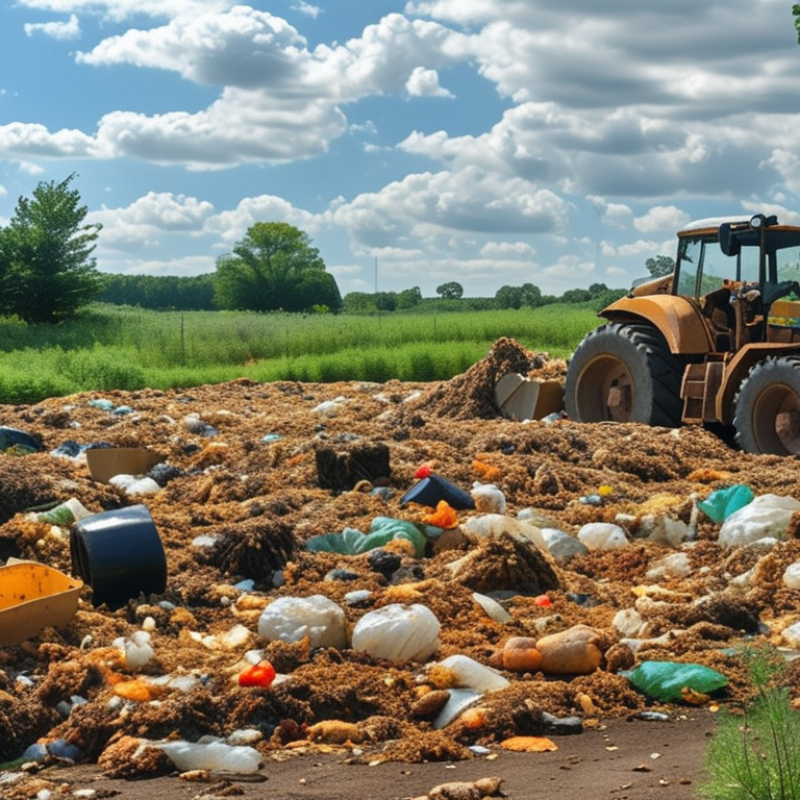
What is Composting and How Does It Work?
Composting is a natural process. It transforms organic waste into valuable soil enrichment. During composting, microorganisms break down food scraps, yard waste, and other biodegradable materials. This process creates a dark, rich substance called humus, which enriches soil and supports plant growth.
Creating your compost pile can be simple. Start with layers of brown materials, like leaves and twigs. Then add green materials, such as fruit peels or vegetable scraps. Moisture is crucial; keep the pile damp, not soggy. Aeration is key too. Turn the pile regularly to introduce air. This helps speed up decomposition.
Tips:
- Use a kitchen bin for easy collection of scraps.
- Avoid adding meat or dairy to prevent odors and pests.
- Keep an eye on the temperature. A hot compost pile works faster and reduces harmful pathogens.
Embracing composting may require trial and error, but it can significantly reduce landfill waste and promote sustainable gardening.
The Role of Organic Waste in Landfill Accumulation
Organic waste plays a significant role in landfill accumulation. Reports indicate that organic materials, such as food scraps and yard waste, constitute nearly 30% of what we throw away. This waste decomposes anaerobically in landfills, producing harmful greenhouse gases like methane. In fact, landfills are among the largest sources of methane emissions globally, contributing to climate change.
Composting presents a sustainable solution to this issue. By diverting organic waste from landfills, composting reduces landfill volume significantly. Data from the Environmental Protection Agency shows that composting, when implemented widely, could reduce landfill growth by up to 20%. Not only does this benefit the environment, but it also enhances soil quality. Nutrient-rich compost improves soil structure and promotes healthy plant growth, offering a practical solution to food security concerns.
Despite these benefits, composting practices are not universally adopted. Many people remain unaware or lack access to composting facilities. A report from the National Solid Waste Management Association noted that educating communities about composting can lead to higher participation rates. Overcoming this barrier is crucial to fully realize the advantages of composting and mitigate organic waste's impact on our landfills.
Benefits of Composting for Waste Reduction
Composting plays a crucial role in mitigating landfill waste. It transforms organic materials into nutrient-rich soil amendments. By composting, we can divert significant amounts of food scraps and yard waste from landfills. This not only reduces the volume of waste but also lessens the burden on waste management systems.
One of the key benefits of composting is its positive environmental impact. Composting reduces methane emissions from landfills. When organic matter decomposes anaerobically in landfills, it produces methane, a potent greenhouse gas. By composting, we limit these emissions and contribute to a healthier planet.
Tips for successful composting include maintaining a balanced mix of green and brown materials. Greens are rich in nitrogen and include fruit scraps, vegetable peels, and coffee grounds. Browns provide carbon and include dried leaves, cardboard, and straw. Regularly turning your compost pile helps aerate it, speeding up decomposition.
Start small to avoid feeling overwhelmed. Even a small bin can make a difference. Keep track of what works and what doesn't. Composting is a learning process, and adjustments may be needed along the way. Embracing composting can lead to a more sustainable lifestyle. It encourages us to rethink waste and promotes a circular economy.
Impact of Composting on Environmental Sustainability
Composting significantly impacts environmental sustainability by reducing landfill waste. Organic materials, such as food scraps and yard waste, comprise a large portion of our trash. Instead of sending these items to landfills, composting recycles nutrients back into the soil. This process not only diverts waste but also enriches the earth.
Many practices, such as backyard compost bins and community composting programs, can help in this endeavor. By utilizing these methods, individuals contribute to a circular economy. The compost produced supports plant growth and reduces the need for chemical fertilizers. However, often people underestimate how easy and beneficial composting can be. Education and awareness are crucial in changing mindsets.
Composting also mitigates greenhouse gas emissions. When organic waste decomposes in landfills, it produces methane, a potent greenhouse gas. In contrast, aerobic decomposition in composting systems releases significantly lower amounts of harmful gases. Yet, it’s important to recognize that not everyone has access to composting facilities. Addressing these gaps can enhance community efforts toward sustainability. Composting is a small but powerful tool in reducing our ecological footprint.
Practical Steps to Start Composting at Home
Composting at home is a simple yet effective way to reduce landfill waste. You can start with kitchen scraps like fruit peels and coffee grounds. These items might end up in the trash if you don’t compost. Yard waste, like grass clippings and leaves, are also great additions. It feels good to keep these materials out of landfills.
To begin, find a suitable spot in your yard. A corner will do, or you can use a container. Keep the compost pile moist, but not soggy. Consider layering green materials, like vegetable scraps, with brown materials like dried leaves. This balance is crucial for efficient decomposition. Don’t be alarmed if your compost pile heats up or smells. It’s part of the process but needs monitoring.
In time, you might notice that your efforts lead to a rich, dark compost. This is beneficial for your garden. Yet, it’s important to remember that composting requires attention. It won't always go perfectly. Some materials might not break down, or you may encounter pests. Learning from these experiences is part of the journey. Embrace the trial and error that comes with it.
FAQS
: Composting is a natural process that turns organic waste into nutrient-rich soil.
Begin with layers of brown materials like leaves, then add green materials like fruit peels.
Moisture keeps the compost pile damp, promoting faster decomposition.
Avoid adding meat and dairy, as they can attract pests and create unpleasant odors.
Composting reduces methane emissions from landfills and enriches soil, supporting plant growth.
Not everyone has access to composting facilities, but many can start a simple compost bin at home.
Composting can be simple, but it may require some trial and error to find what works best.
Aeration helps introduce air, speeding up the decomposition process within the compost pile.
Composting reduces landfill waste and encourages a circular economy through nutrient recycling.
Many underestimate composting's benefits; education can shift perspectives on waste and sustainability.
Conclusion
Composting is a natural process that transforms organic waste into nutrient-rich soil, significantly aiding in waste management. By breaking down materials like food scraps and yard waste, composting not only helps reduce the volume of waste sent to landfills but also improves soil health, thus promoting environmental sustainability. The accumulation of organic waste in landfills produces methane, a potent greenhouse gas; therefore, understanding how does composting reduce landfill waste is essential for mitigating climate change impacts.
Moreover, composting offers a myriad of benefits, such as reducing the need for chemical fertilizers and enhancing soil structure, which can further support sustainable agricultural practices. For individuals looking to contribute to this eco-friendly initiative, starting a compost bin at home is a practical and rewarding step towards minimizing waste and fostering a healthier planet.

 AgBio Energy