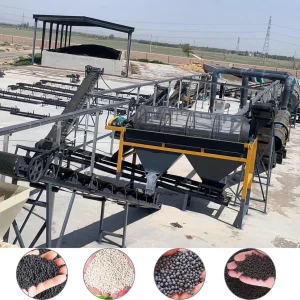
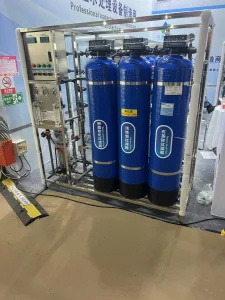
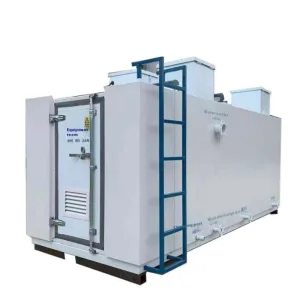
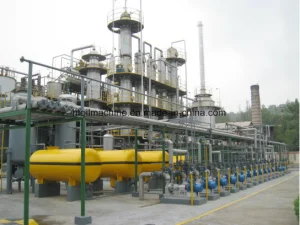
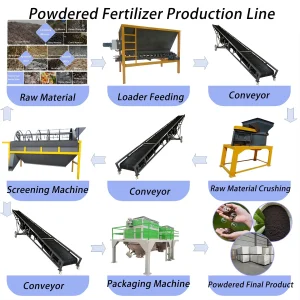
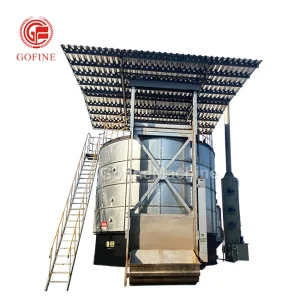
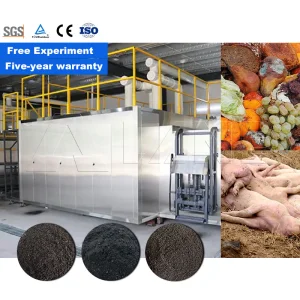
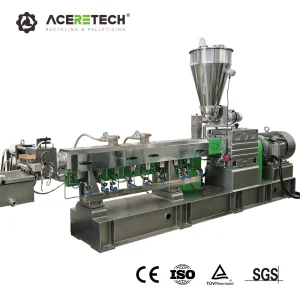
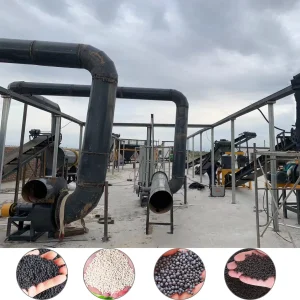
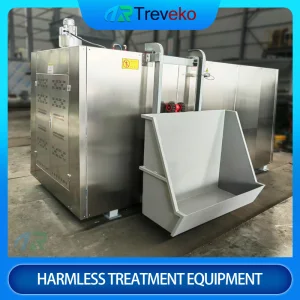
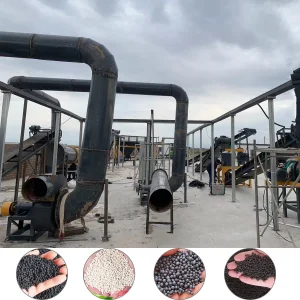
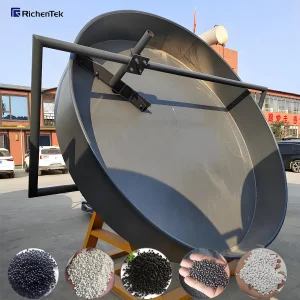
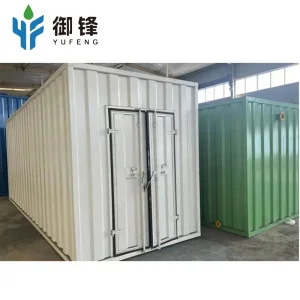
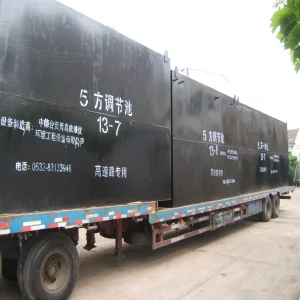
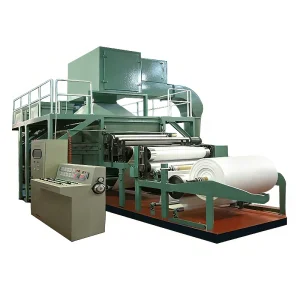
High-efficiency machinery for bio-organic fertilizer production, water treatment, and waste-to-resource systems.
Pioneering Sustainable Circularity Since 2013.
Chengdu AgBio Energy Co., Ltd. is a professional manufacturer specializing in organic waste composting equipment, food waste recycling systems, and sustainable waste treatment solutions. Established in 2013 and headquartered in Chengdu, Sichuan Province, China, the company is dedicated to helping businesses, agricultural operations, municipalities, and environmental service providers transform organic waste into valuable resources.
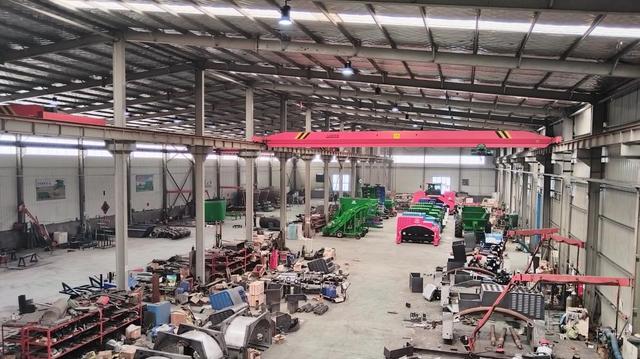
With a modern manufacturing facility covering more than 16,000 square meters and a team of over 230 employees, AgBio Energy delivers efficient and environmentally responsible waste management technologies to customers around the world. Our solutions bridge the gap between waste generation and resource recovery, driving the global transition toward a regenerative bio-economy.
Integrated ecosystems for diverse organic waste streams.
Transforming livestock manure and crop residues into high-NPK bio-organic fertilizers. Our systems reduce nitrogen runoff and restore soil microbiota, ensuring long-term food security.
High-speed aerobic digestion systems for cities. We help municipalities reduce landfill dependence by up to 90%, converting food scraps into soil conditioners in under 24 hours.
Advanced wastewater recycling for industrial processors. Our filtration and energy-saving treatment plants ensure zero-liquid discharge (ZLD) compliance and water reuse.
The next generation of "Smart Composting" and AI-driven Bio-Refineries.
Integration of PLC systems with cloud-based monitoring. Real-time tracking of moisture, oxygen, and temperature levels ensures optimal microbial activity and pathogen elimination.
Deep learning algorithms to predict fermentation cycles based on feedstock composition. This will reduce energy consumption by 30% and increase nutrient retention in organic fertilizers.
Transitioning from standalone machines to integrated bio-refineries that capture bio-methane and CO2 during the composting process, achieving true "Negative Carbon" operations.
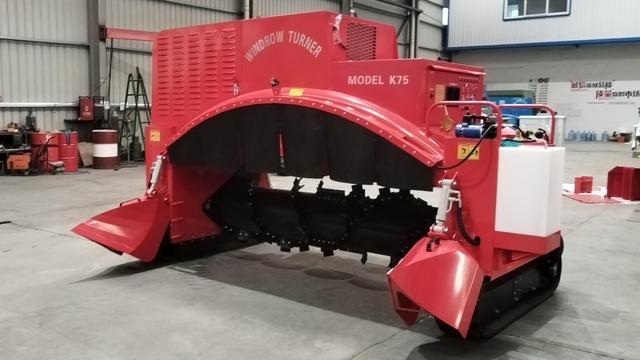
Operating from Chengdu, the industrial heart of Southwest China, AgBio Energy leverages a Tier-1 Supply Chain Ecosystem. Our "Industry 4.0" approach ensures:
Seamless localization for international enterprises.
Robust construction with UL/CSA compatible components. Our fertilizer manufacturing equipment is engineered for the heavy-duty demands of North American agricultural cooperatives.
Safety-first design meeting stringent European machinery directives and environmental emission standards for bio-aerosol control.
Beyond sales, we provide detailed technical documentation, remote commissioning, and spare parts support through localized partner channels.
Traditional composting methods often take 3-6 months to produce stable humus. AgBio Energy's technology focuses on Accelerated Aerobic Fermentation. By controlling the C/N ratio (Carbon-to-Nitrogen), moisture content (optimized at 50-60%), and utilizing high-temperature aerobic microbes, our bioreactors achieve Pathogen Inactivation (meeting EPA 503 standards) within hours.
Our equipment portfolio includes Waste-to-Energy pathways such as Biodiesel Production from spent vegetable oils. By utilizing catalytic transesterification, we enable food processors to convert a liability (waste oil) into a high-value fuel asset. Similarly, our PMMA Bio-Plastic Pellets Machines address the growing market for circular polymers, allowing companies to close the loop on synthetic waste.
Furthermore, the integration of PLC-controlled Bio-degradation for livestock farms represents a massive shift in farm management. Automation reduces labor costs by up to 70% while ensuring that the resulting organic fertilizer is free from weed seeds and harmful bacteria, making it ready for immediate application or commercial sale.
We don't just sell machines; we design Resource Recovery Frameworks. Every piece of equipment is an investment in ESG (Environmental, Social, and Governance) metrics, helping our clients qualify for carbon credits and sustainability certifications in their respective jurisdictions.
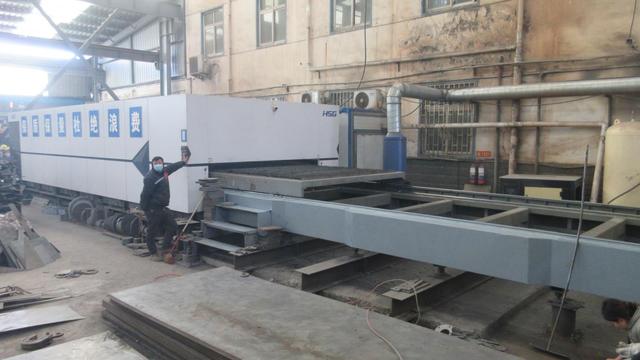
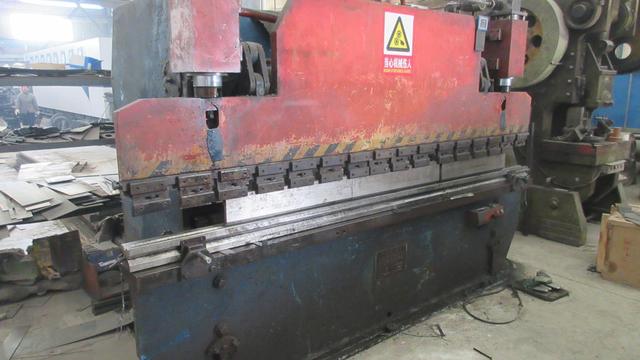
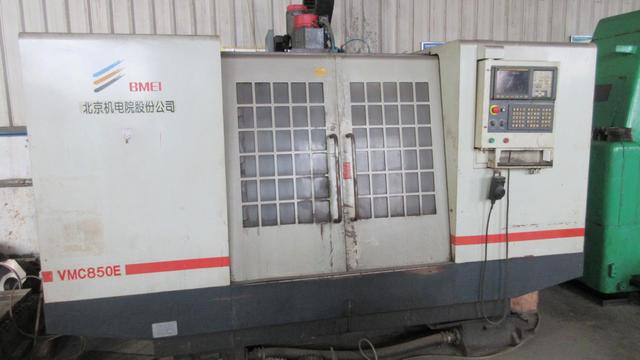
Insight into our 16,000m² facility and engineering precision.
Addressing the most critical questions in bio-waste management.
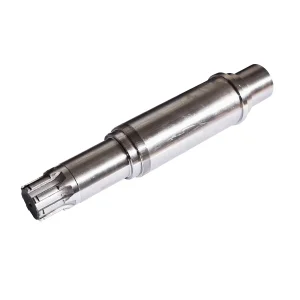
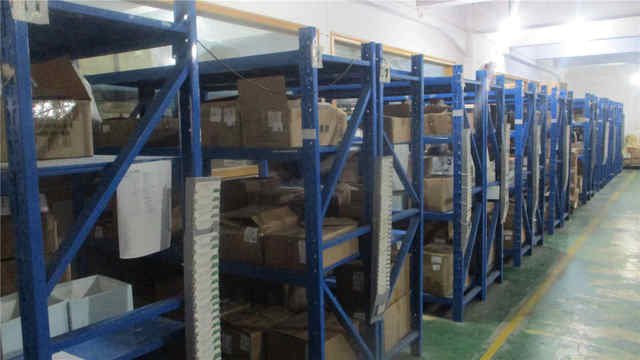
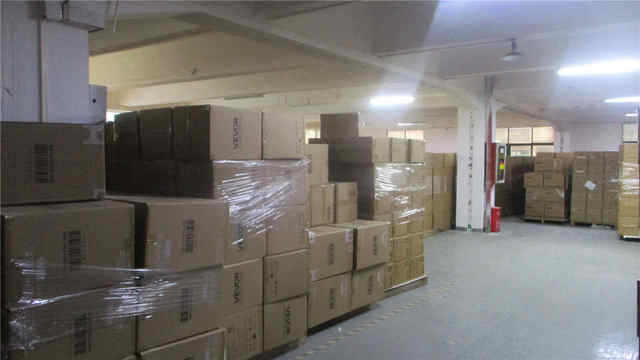
Precision components for your waste-to-value supply chain.
Join 500+ global enterprises leveraging AgBio Energy technology to build a circular future. Custom solutions, factory-direct pricing, and world-class engineering support.
 AgBio Energy