In 2026, discussions around composting have gained momentum. People are increasingly asking, "what are the environmental benefits of composting?" To tackle this, experts like Dr. Linda Greene, an environmental scientist, emphasize the significance of composting in reducing waste. She states, “Composting not only diverts waste from landfills but also enriches our soil.”
Composting plays a crucial role in regenerative practices. It reduces methane emissions, a potent greenhouse gas. Organic waste constitutes a significant portion of landfill waste. When this waste decomposes anaerobically, it generates methane, contributing to climate change. However, by composting, we can return nutrients back to the earth and support biodiversity.
Despite its benefits, many still hesitate. Some worry about pests or smell issues. These concerns are valid and warrant reflection. Understanding proper composting techniques can mitigate these challenges. As we explore "what are the environmental benefits of composting," it becomes clear that adopting this practice is vital for a healthier planet.
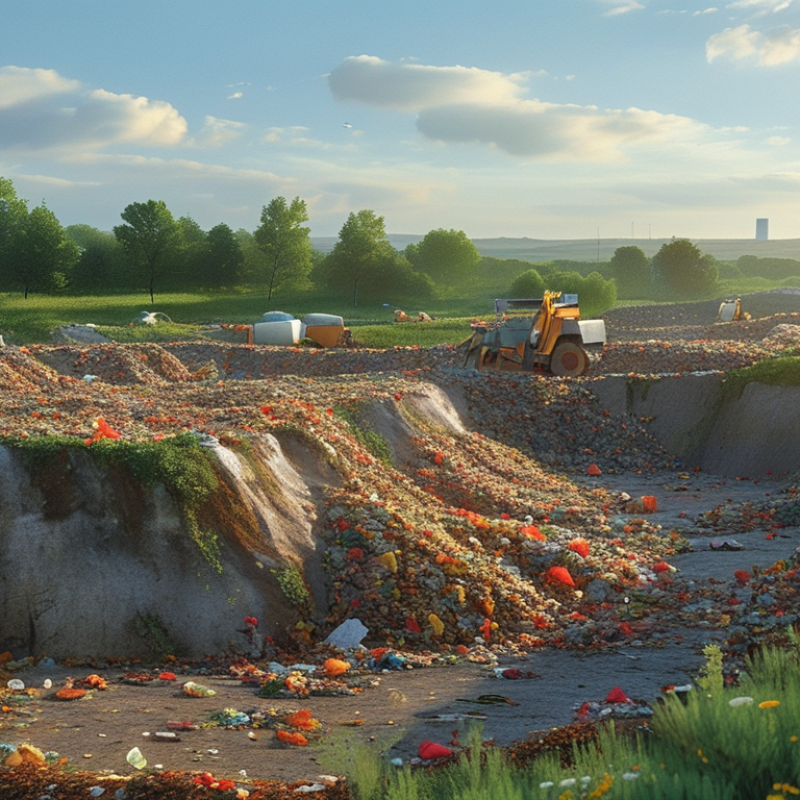
Overview of Composting and Its Role in Waste Management
Composting plays a crucial role in modern waste management practices. In 2026, it is estimated that approximately 1.3 billion tons of food waste are generated globally each year. Composting can divert a significant portion of this waste from landfills. According to the Environmental Protection Agency (EPA), composting can reduce landfill use by up to 30%. This process not only reduces waste but also enriches soil health.
The environmental benefits are clear. Composting returns valuable nutrients to the soil, enhancing its structure and water retention. As the soil improves, it can support healthier plant growth. Additionally, composting can lower greenhouse gas emissions. The EPA reports that if food waste were composted instead of sent to landfills, it could prevent releasing about 21 million metric tons of carbon dioxide equivalent annually.
Despite these benefits, challenges remain. Many individuals and businesses struggle to adopt composting practices. Education and awareness are still lacking. These gaps can lead to confusion and improper composting methods. Efforts to improve composting rates must address this issue while emphasizing its importance in sustainable waste management.
Environmental Benefits of Composting in 2026
This chart illustrates the various environmental benefits of composting, highlighting factors such as reduced landfill waste, greenhouse gas emission reductions, soil health improvements, and water conservation.
Reduction of Landfill Waste Through Composting Practices
Composting plays a crucial role in reducing landfill waste. In 2026, reports indicate that around 30% of waste in landfills is organic material. This is a significant problem, as organic waste generates methane, a greenhouse gas that contributes to climate change. By adopting composting practices, we can divert millions of tons of organic waste from landfills.
According to a study by the Environmental Protection Agency, composting can reduce landfill waste by 50%. When we compost, we nourish the soil instead of allowing waste to rot in a landfill. Compost enhances soil structure, boosts moisture retention, and provides essential nutrients. This creates healthier ecosystems both above and below ground, promoting biodiversity.
Tips for successful composting: Ensure a good mix of greens and browns in your compost pile. Greens provide nitrogen, while browns offer carbon. Consider using a compost bin to control odor and pests. Regularly aerate your compost to speed up the process. Keep in mind that it can take months for compost to mature. Don't be discouraged by setbacks. It's a learning process.
Enhancement of Soil Health and Biodiversity by Compost Use
Composting has gained traction as an effective practice to enhance soil health and support biodiversity. It enriches the soil with essential nutrients. When organic matter breaks down, it releases vital minerals back into the earth. This natural process improves soil structure, promoting better water retention. Healthy soil not only nourishes plants but also provides a habitat for diverse organisms.
Moreover, compost encourages microbial life that supports plant growth. Beneficial microbes help break down harmful pathogens in the soil. This creates a more balanced ecosystem, allowing a variety of species to thrive. Biodiversity in soil is crucial for a resilient environment. More species mean increased resilience against pests and diseases.
Despite its benefits, composting requires attention and care. Improper composting can lead to issues like unpleasant odors or pest attraction. It’s important to monitor the compost balance between nitrogen-rich and carbon-rich materials. Achieving the right mixture can sometimes be a challenge. Observing and adjusting the compost pile can develop greater understanding and mastery over time.
Mitigation of Climate Change Impact Through Carbon Sequestration
Composting plays a crucial role in combating climate change, particularly through the process of carbon sequestration. When organic waste decomposes in a compost pile, it transforms into nutrient-rich soil. This process captures carbon dioxide from the atmosphere, reducing greenhouse gas levels. In 2026, cities worldwide increasingly recognize this benefit. Community composting initiatives are spreading fast.
Every ton of compost diverts waste from landfills. Nutrients from decomposed materials improve soil health, fostering plant growth. Vegetation captures more carbon, enhancing the carbon sink effect. However, many people still struggle to compost effectively. Some hesitate due to space or knowledge gaps. Proper education is needed to address these barriers.
In urban areas, composting can mitigate surface runoff. It helps retain moisture in the soil, benefiting agriculture and urban landscaping. Yet, not everyone participates, leading to uneven waste management practices. Improved public awareness of composting's benefits can encourage wider participation. Communities must work together, sharing resources and knowledge for greater impact against climate change.
What Are the Environmental Benefits of Composting in 2026? - Mitigation of Climate Change Impact Through Carbon Sequestration
| Benefit |
Description |
Impact on Carbon Sequestration (tons/year) |
Reduction in Greenhouse Gas Emissions (tons/year) |
| Soil Enrichment |
Composting improves soil health by adding nutrients |
0.5 |
1.2 |
| Waste Reduction |
Composting diverts organic waste from landfills |
0.8 |
2.0 |
| Water Conservation |
Healthy compost enhances water retention in soil |
0.3 |
0.5 |
| Biodiversity Support |
Composting creates habitats for beneficial organisms |
0.2 |
0.4 |
| Emission Reduction |
Reduces methane emissions from landfills |
1.0 |
3.0 |
Improvement of Water Quality and Conservation Through Composting
Composting plays a crucial role in improving water quality. According to the Environmental Protection Agency (EPA), compost can reduce stormwater runoff by up to 70%. This reduction helps prevent contaminants from entering water sources. When organic waste is composted, it transforms into nutrient-rich material, improving soil structure. Healthy soil can absorb more water, reducing the risk of flooding.
Furthermore, composting minimizes the leaching of harmful substances into waterways. A study from the National Resources Defense Council found that organic matter in compost can filter pollutants effectively. By incorporating compost into gardens and landscapes, communities can protect their local water bodies. This practice helps to maintain aquatic ecosystems.
While composting is beneficial, challenges remain. Many people lack awareness of its importance. Additionally, improper composting can lead to negative environmental impacts, including odor and pests. Education is vital to overcoming these hurdles. Promoting best practices can enhance the positive effects of composting on water conservation. The journey toward better water quality through composting requires commitment and collective effort.
FAQS
: Composting is the process of recycling organic waste into nutrient-rich soil.
Composting can reduce landfill waste by up to 50%, diverting organic materials from landfills.
Reports indicate that around 30% of landfill waste is composed of organic materials.
Organic waste generates methane, a greenhouse gas that contributes to climate change.
Composting enhances soil structure, boosts moisture retention, and provides essential nutrients.
A good mix of greens (for nitrogen) and browns (for carbon) is essential for effective composting.
Compost can take several months to mature, so patience is important.
Many people struggle with composting due to lack of space or knowledge about the process.
Composting captures carbon dioxide from the atmosphere, reducing greenhouse gas levels.
Communities can share resources and knowledge to encourage more people to compost effectively.
Conclusion
Composting has emerged as a vital practice in waste management, significantly contributing to environmental sustainability. One of the primary environmental benefits of composting is its ability to reduce landfill waste, thereby alleviating the pressure on waste management systems. By transforming organic materials into nutrient-rich compost, we can effectively divert a substantial amount of waste away from landfills, reducing both space and contamination risks associated with waste accumulation.
Moreover, composting enhances soil health and promotes biodiversity, which are essential for resilient ecosystems. The use of compost improves soil structure, fertility, and moisture retention, leading to healthier plant growth. Additionally, composting plays a critical role in mitigating climate change by sequestering carbon, thus lowering greenhouse gas emissions. It also contributes to water quality and conservation, as compost can facilitate better water absorption and reduce runoff. Understanding what are the environmental benefits of composting highlights its significance as a sustainable practice that supports both the planet and agricultural productivity.

 AgBio Energy