In recent years, the question of "why is organic waste recycling becoming more important" has gained significant attention. Experts like Dr. Sarah Thompson, an environmental scientist, emphasize that effective recycling methods can reduce landfill waste. She states, "Organic waste recycling is crucial for lowering greenhouse gas emissions and enhancing soil health."
The growing awareness of climate change and environmental degradation highlights the necessity of sustainable practices. As cities expand, so does organic waste. Landfills overflow with food scraps, yard waste, and other organic materials. These decompose and release harmful gases like methane. This scenario calls for inventive solutions in waste management.
Communities are beginning to push for better recycling programs. However, many still lack the infrastructure or knowledge to separate organic waste effectively. Dr. Thompson points out that education is vital: "Without proper training, even the best programs will fail." As we navigate this complex issue, it's clear that organic waste recycling plays a vital role in creating a sustainable future. Our commitment to improving these practices must grow, alongside a willingness to adapt and learn.
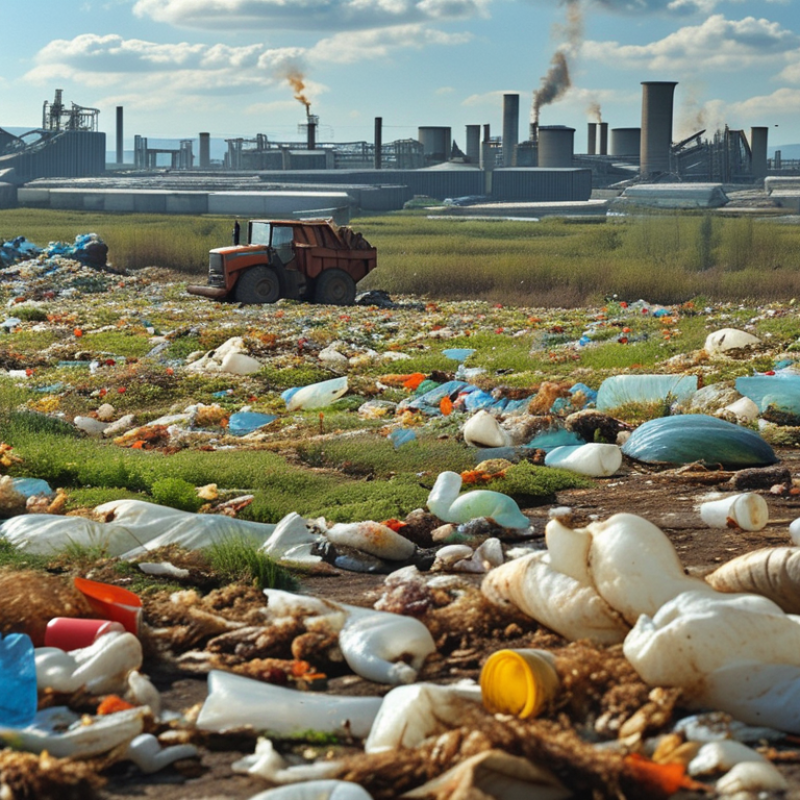
The Importance of Organic Waste Recycling in Sustainable Development
Organic waste recycling plays a critical role in sustainable development. According to the Food and Agriculture Organization (FAO), approximately one-third of all food produced globally is wasted. This equates to 1.3 billion tons annually. By recycling organic waste, we can significantly reduce the strain on landfills, which emit harmful greenhouse gases such as methane. The World Bank reports that managing waste effectively could reduce global emissions by 1.5 billion tons by 2030.
Incorporating organic waste recycling into communities promotes circular economies. Composting food scraps and yard waste enriches soil, enhancing food production. A study from the U.S. Environmental Protection Agency (EPA) indicates that composting can divert 30% of residential waste from landfills. This not only lessens landfill reliance but also returns valuable nutrients back to the earth.
Tip: Consider starting a compost bin at home. It's an easy way to reduce waste while enhancing garden health.
Despite these benefits, many people remain unaware of organic waste recycling practices. Some towns lack adequate infrastructure. Others face challenges in community engagement. This indicates a need for better education and tools to encourage participation.
Tip: Participate in local workshops. Learning from experts can boost your confidence in implementing sustainable practices.
Understanding Organic Waste: Types and Sources
Organic waste is a significant component of the waste we generate daily. It refers to biodegradable materials, such as food scraps, garden waste, and paper products. According to the Environmental Protection Agency (EPA), organic waste constitutes approximately 30% of the total municipal solid waste in the United States. This high percentage illustrates the potential for effective recycling.
Food waste alone is a major issue. Data from the Food and Agriculture Organization (FAO) indicates that around one-third of all food produced globally is wasted. This not only squanders resources but also contributes to greenhouse gas emissions when disposed of in landfills. Moreover, yard waste, which includes leaves, branches, and grass clippings, contributes to the organic waste stream, often leading to significant methane production during decomposition. Methane is a potent greenhouse gas, making organic waste management critical for climate action.
Understanding these sources of organic waste enables better recycling strategies. Communities can implement composting programs to convert food scraps and yard waste into valuable compost. These programs have shown positive results, with some cities reporting a 25% reduction in total waste sent to landfills. However, not all regions have adopted such practices, and cultural attitudes towards food waste vary considerably. Awareness and education are essential for increasing participation in these recycling efforts.
Why is Organic Waste Recycling Essential for a Sustainable Future?
| Type of Organic Waste |
Sources |
Environmental Benefits |
Recycling Methods |
| Food Waste |
Restaurants, households, grocery stores |
Reduces landfill usage, lowers methane emissions |
Composting, anaerobic digestion |
| Yard Waste |
Gardens, parks, landscaping |
Promotes nutrient cycling, enhances soil health |
Chipping, composting |
| Sawdust and Wood Scraps |
Furniture manufacturing, construction |
Reduces waste, can be converted to bioenergy |
Composting, biofuel production |
| Crop Residues |
Agricultural fields |
Improves soil fertility, prevents erosion |
Mulching, composting |
Benefits of Organic Waste Recycling for Environmental Health
Organic waste recycling plays a crucial role in promoting environmental health. Composting is a simple yet effective method to turn food scraps and yard waste into nutrient-rich soil. This process reduces landfill waste and minimizes methane emissions, a potent greenhouse gas.
In urban areas, where space is limited, organic recycling can enhance soil in parks and gardens. Community gardens benefit greatly from compost, leading to more greenery. Healthy soil supports plants, which in turn improves air quality. Proper management of organic waste can lead to a circular economy. However, many communities struggle with implementing effective recycling programs. Awareness and education are vital in overcoming these challenges.
Engagement from residents is essential. Participation can be low, and people may need guidance. Workshops can help residents understand the benefits of recycling organic waste. Tribal and rural communities also face unique challenges, including access to resources. Building a strong connection between local governments and communities can strengthen these initiatives. Investing time in education can yield lasting benefits for the environment.
Economic Advantages of Implementing Organic Waste Recycling
Organic waste recycling presents significant economic advantages. According to a 2021 report from the Environmental Protection Agency, organic waste constitutes about 30% of the municipal solid waste stream. By recycling this waste, cities can save millions in landfill costs. For example, the cost of a landfill can exceed $100 per ton. Effective recycling can drastically reduce this expense.
Moreover, the organic recycling industry is growing. A report by MarketsandMarkets projects that this market will reach $30 billion by 2025. This growth generates jobs in recycling facilities, compost production, and distribution. Communities investing in organic waste recycling can expect a return on investment through job creation and reduced waste management costs.
However, challenges remain. Many regions lack adequate infrastructure for effective organic waste processing. Additionally, public awareness about recycling practices varies significantly. It’s essential to address these gaps. Education campaigns can aid in increasing participation rates and improving recycling practices. Improving these aspects can lead to a more sustainable approach to waste management.
Innovative Techniques and Technologies in Organic Waste Management
Innovative techniques in organic waste management are crucial for a sustainable future. According to a report by the United Nations, around 1.3 billion tons of food waste is generated annually, significantly contributing to greenhouse gas emissions. By employing advanced recycling methods, we can mitigate environmental impacts. Composting is one popular technique. It reduces landfill waste while producing nutrient-rich soil.
Another emerging technology is anaerobic digestion. This process converts organic waste into biogas and digestate. A study from the EPA indicates that this method can reduce methane emissions by up to 70%. It transforms waste into a valuable energy source. Beyond energy, digestate can enrich the soil, promoting healthier crops.
**Tips: Simple practices can enhance composting success. Use a mix of green and brown materials. This balance provides the needed nutrients. Monitor moisture levels. Too much water can lead to odor issues. Remember, patience is vital. Quality compost takes time to develop.**
Recognition of organic waste as a valuable resource is growing. Continuous research and development in this field can lead to more efficient systems. These changes, however, require collaboration among communities, governments, and businesses. Transitioning to better practices often raises questions. What obstacles do we face? How can we improve our approaches? The journey towards a sustainable future is ongoing.
Organic Waste Recycling Benefits
FAQS
: It reduces landfill strain and greenhouse gas emissions, supporting sustainable development goals.
Around 1.3 billion tons of food is wasted each year, highlighting the need for recycling.
Composting diverts about 30% of residential waste from landfills, enriching soil and promoting food production.
Better education and infrastructure are essential. Local workshops can boost participation and understanding.
Cities save on landfill costs and can create jobs in the growing recycling industry.
Composting and anaerobic digestion are key. They reduce waste and emissions while producing valuable resources.
Public knowledge varies. Campaigns are needed to engage communities and improve recycling practices.
Balance green and brown materials, monitor moisture, and be patient. Quality compost takes time.
Inadequate infrastructure and varying public awareness create obstacles for effective waste management.
Continuous research and community collaboration can enhance systems and lead to sustainable practices.
Conclusion
Organic waste recycling is increasingly crucial for promoting sustainable development as it addresses the pressing need to manage organic waste effectively. Understanding the types and sources of organic waste highlights the diverse materials that can be recycled, including food scraps, yard waste, and agricultural residues. The benefits of organic waste recycling extend beyond environmental health, contributing to reduced landfill usage, lower greenhouse gas emissions, and improved soil quality. Furthermore, the economic advantages of implementing these recycling practices, such as job creation and cost savings in waste management, emphasize why organic waste recycling is becoming more important. As innovative techniques and technologies continue to emerge, they enhance the efficiency and effectiveness of organic waste management, paving the way for a more sustainable future.

 AgBio Energy