How to Reduce Food Waste Through Composting in 2026?

Time:2026-10-23 Author:Ethan
0%

In 2026, reducing food waste is no longer only a household concern. It also supports healthier soil, cleaner communities, and more resilient local food systems. Learning how to reduce food waste through composting begins with simple daily choices. Vegetable peels, coffee grounds, eggshells, and stale herbs can become valuable organic material. Instead of filling a plastic-lined bin, these scraps can feed a managed compost pile. The process needs air, moisture, and a useful balance of green and brown materials. It also needs patience.

Small habits matter.

A practical composting routine starts in the kitchen. Keep a sealed container near the cutting board. Empty it regularly to prevent odors and fruit flies. Add dry leaves, shredded cardboard, or untreated paper after wet scraps. The mixture should feel like a wrung-out sponge. Too much moisture creates unpleasant smells. Too little moisture slows decomposition. Municipal guidance and agricultural extension services often recommend checking accepted materials locally. Rules differ for community composting programs and collection sites.

Mistakes are normal.

Many beginners add too many food scraps at once. I would not present composting as effortless or perfect. My early approach would likely need adjustment after noticing smells, pests, or slow breakdown. Reliable results come from observing the pile and changing one habit at a time. This guide explains practical methods for reducing kitchen waste, avoiding contamination, and producing usable compost safely. It also considers apartment living, limited outdoor space, and busy schedules. A smaller, consistent system can be more successful than an ambitious bin that nobody maintains.
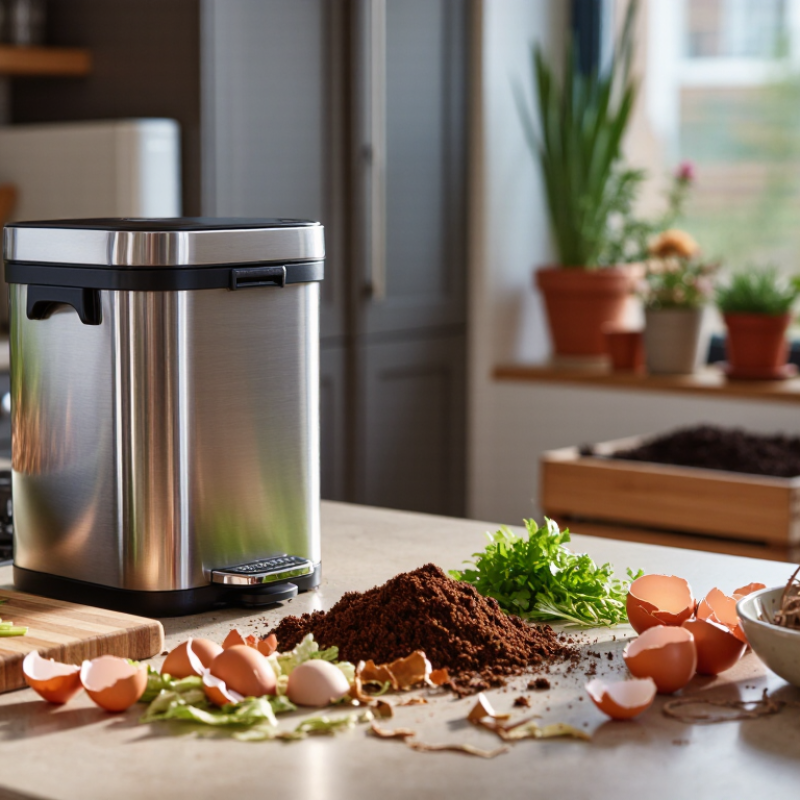
How to Reduce Food Waste Through Composting in 2026?

What Food Waste Composting Means and Why It Matters in 2026

Food waste composting means turning kitchen leftovers into a stable soil amendment through controlled natural decomposition. Microorganisms break down fruit peels, vegetables, coffee grounds, and other suitable scraps. This process needs oxygen, moisture, and a balanced mix of nitrogen-rich and carbon-rich materials. In 2026, composting matters because discarded food still releases powerful greenhouse gases when buried in oxygen-poor landfill conditions. Keeping scraps in the biological cycle can reduce waste and support healthier soil.

A practical home system can start with a sealed kitchen container and a shaded outdoor bin. Add vegetable trimmings, crushed eggshells, and coffee grounds, then cover them with dry leaves or torn cardboard. The pile should feel like a wrung-out sponge.

Too wet, and it may smell sour. Too dry, and decomposition slows. Meat, dairy, oils, and pet waste usually require specialized programs, so local collection rules should guide each household.

Small habits make the process realistic. I have found that freezing scraps reduces odors and fruit flies, especially during warm weeks. My own bin has sometimes become compacted and unpleasant. That failure showed me that turning the material matters more than adding more scraps. Finished compost should look dark, crumbly, and earthy, not recognizable as food. It can improve garden soil, but it is not a complete fertilizer. Composting will not solve food waste alone; buying carefully and storing food properly still matter.

Which Food Scraps Are Suitable for Home Composting

In my backyard bin, the easiest scraps are fruit and vegetable peels, cores, stems, and wilted leaves. Onion skins, carrot tops, squash ends, and bruised berries break down well when chopped. Coffee grounds and plain tea leaves add moisture and nitrogen. Crushed eggshells contribute minerals, although they disappear slowly. Keep pieces small. Smaller pieces decompose faster.

Dry materials balance wet scraps. Mix food waste with torn cardboard, dry leaves, or untreated paper. A practical guide is two handfuls of dry material for one handful of food scraps. Adjust it by smell and texture. The pile should feel like a wrung-out sponge. Too wet? Add leaves. Too dry? Add a little water. I once ignored this balance, and fruit flies appeared within days.

Avoid meat, fish, dairy, greasy food, and large amounts of cooked leftovers in a basic home bin. They can create odors and attract rodents. Pet waste, glossy paper, and diseased plants should stay out. Citrus is compostable, but heavy amounts may slow some small bins. Local waste guidance matters because compost systems differ. When uncertain, leave the item out. Not everything belongs. I still misjudge moisture sometimes, so I check the pile weekly with a small garden fork.

How to Set Up and Balance a Composting System

How to Reduce Food Waste Through Composting in 2026?

How to Set Up and Balance a Composting System

A reliable composting system starts with the right location. Choose a shaded, well-drained area near your kitchen. The bin should sit directly on soil, allowing worms and microorganisms to enter. Keep a small container indoors for vegetable scraps, coffee grounds, and crushed eggshells. Empty it often. Odors usually mean the scraps are staying too wet.

Balance fresh “green” materials with dry “brown” materials. Greens include fruit peels, leafy vegetables, and grass clippings. Browns include dry leaves, shredded cardboard, and untreated paper. A practical starting ratio is two parts browns to one part greens by volume. Add a handful of browns whenever the pile looks glossy or smells sour. The texture should feel like a wrung-out sponge. Too dry? Add water slowly. Too wet? Add dry leaves.

Air matters as much as ingredients. Turn the pile every one or two weeks with a fork, moving outer material toward the center. A balanced pile may warm noticeably within several days. A simple compost thermometer can confirm activity, but observation remains useful. My first bin was too wet because I added scraps faster than browns. That was a mistake. Now I freeze excess scraps temporarily and add them in smaller batches. Meat, dairy, oily food, and pet waste should follow local waste authority guidance, since home systems may not process them safely. Keep the lid secure. Pests learn quickly.

How to Manage Compost Safely and Prevent Common Problems

How to Reduce Food Waste Through Composting in 2026?

A safe compost pile needs attention, not just leftover food. I keep a lidded container near the kitchen sink and empty it every two days. Vegetable peels, coffee grounds, crushed eggshells, and dry leaves work well. I avoid meat, dairy, oily food, and pet waste because they attract pests and may carry harmful organisms. Small pieces break down faster.

Moisture matters. The pile should feel like a wrung-out sponge. Too wet, and it smells sour. Too dry, and decomposition slows. I mix roughly two parts dry material with one part food scraps, then turn the pile weekly with a fork. Fresh grass can become hot and compacted, so I spread it in thin layers. A compost thermometer can help, but careful observation remains useful. Steam is not proof of safe compost.

Keep the bin away from doors and standing water. Use gloves, wash your hands, and cover new scraps with leaves or finished compost. Rodent problems often begin with exposed food. I once added too many wet scraps and ignored the smell for several days. That was avoidable. Now I check the pile after rain and add dry leaves immediately. Finished compost should look dark and crumbly, with an earthy smell. If recognizable food remains, I wait longer before using it around edible plants.

How to Reduce Food Waste Through Composting in 2026?

Global Food Waste by Sector in 2022

In 2022, the world generated approximately 1.05 billion tonnes of food waste. Households accounted for about 631 million tonnes, followed by food service at 290 million tonnes and retail at 131 million tonnes. Prevent edible food waste first, then compost unavoidable food scraps in a managed system.

To manage compost safely, balance moist green materials with dry brown materials, keep the pile aerated, avoid meat, dairy, oils, pet waste and diseased plants in household compost, and maintain a covered container to deter pests and odors. Finished compost should be dark, crumbly and free of recognizable food before use.

Source: United Nations Environment Programme, Food Waste Index Report 2024. Figures represent estimated global food waste in 2022.

How Finished Compost Can Reduce Waste and Support Soil Health

Finished compost turns discarded food into a useful soil resource. The UNEP Food Waste Index Report 2024 estimates that 1.05 billion tonnes of food were wasted in 2022. Households generated about 631 million tonnes. Composting cannot prevent every loss, but it can keep many scraps out of disposal systems.

The US Environmental Protection Agency estimated that food waste represented 24.1% of municipal solid waste landfilled in 2018. A mature compost pile changes this material into a dark, earthy amendment. Applied around vegetables, trees, or garden beds, it can improve soil structure and help retain moisture. These benefits may reduce irrigation needs and support healthier root growth. Soil results vary.

Quality matters more than appearance. Finished compost should smell earthy, feel crumbly, and contain no obvious food pieces. Testing can check maturity, salinity, nutrients, and contaminants. The US Department of Agriculture’s soil health guidance supports adding organic matter to improve aggregation and water movement. However, compost is not a complete fertilizer. Excessive application can raise salts or phosphorus levels.

My own composting attempts have not been perfect. One wet batch became compacted and unpleasant. Better airflow and a balanced mix of dry leaves and food scraps corrected it. Small mistakes are useful. Regular turning, careful sorting, and local soil testing make finished compost safer and more effective.

How to Reduce Food Waste Through Composting in 2026? - How Finished Compost Can Reduce Waste and Support Soil Health

Organic Material Typical Moisture Content Approximate Carbon-to-Nitrogen Ratio Recommended Composting Action Waste-Reduction Benefit
Fruit and vegetable scraps 75–90% 15:1–25:1 Bury beneath dry carbon materials to limit odors and pests. Diverts frequently discarded food scraps and returns moisture and nutrients to the compost mix.
Coffee grounds and tea leaves Approximately 60–70% Approximately 20:1 Mix with leaves, shredded paper, or cardboard rather than adding thick layers. Uses a common household food by-product as a nitrogen-rich compost ingredient.
Grass clippings Approximately 75–85% Approximately 15:1–20:1 Add in thin layers and balance with dry, bulky carbon materials. Prevents wet grass from compacting and promotes better airflow in the pile.
Dry leaves Approximately 20–40% 40:1–80:1 Shred when possible and mix with wetter nitrogen-rich materials. Provides a readily stored carbon source and reduces seasonal yard-waste disposal.
Shredded uncoated cardboard Approximately 10–20% Approximately 200:1–350:1 Remove plastic, glossy coatings, tape, and labels; moisten before mixing. Adds structure and absorbs excess moisture while diverting suitable paper fiber.
Finished compost Usually about 30–50% Stabilized; no target ratio is normally used Use as a soil amendment, mulch ingredient, or planting-mix component rather than as a fertilizer substitute. Keeps decomposed organic matter in productive use and reduces dependence on landfill disposal.

How Finished Compost Supports Soil Health

Soil-Health Dimension Practical Effect of Finished Compost Suggested Application Guidance
Soil structure Helps improve aggregation, porosity, and workability in many mineral soils. Blend into the upper soil layer; avoid creating a pure compost planting medium.
Water management Can increase water-holding capacity in sandy soils and improve drainage in compacted soils. Apply regularly in moderate amounts and incorporate evenly.
Organic matter Adds stabilized organic matter that supports soil aggregation and biological activity. Use soil testing to guide repeated applications and avoid excessive nutrient accumulation.
Nutrient cycling Supplies small amounts of nutrients and supports gradual nutrient release. Treat compost as a soil amendment, not a complete replacement for a nutrient-management plan.
Soil biology Provides carbon and habitat that can support beneficial soil organisms. Use mature, earthy-smelling compost that has no recognizable food scraps.

Data note: Values are typical ranges reported in composting and soil-management guidance. Actual moisture content, carbon-to-nitrogen ratio, decomposition speed, and compost quality vary with material type, particle size, climate, aeration, and management practices. Suitable composting inputs should be free of plastic, chemicals, diseased plant material, and other contaminants.

FAQS

Which kitchen scraps are suitable for a basic home compost bin?

Use fruit and vegetable peels, cores, stems, wilted leaves, coffee grounds, plain tea leaves, and crushed eggshells. Chop them small. They decompose faster.

Which materials should stay out of a home compost bin?

Avoid meat, fish, dairy, greasy food, pet waste, glossy paper, and diseased plants. These materials may create odors or attract pests. Local guidance may differ.

How should food scraps and dry materials be balanced?

Mix about two parts dry materials with one part food scraps by volume. Use dry leaves, torn cardboard, or untreated paper. Adjust the mixture by smell and texture.

How moist should compost feel?

It should feel like a wrung-out sponge. Add dry leaves when the pile looks glossy or smells sour. Add water slowly when the materials feel dusty.

Where should a compost bin be placed?

Choose a shaded, well-drained spot near the kitchen. Place the bin directly on soil. Keep it away from doors and standing water.

How can I prevent fruit flies, rodents, and bad smells?

Cover fresh scraps with leaves or finished compost. Keep the lid secure. Empty the kitchen container often. Exposed food attracts pests quickly.

How often should compost be turned?

Turn the pile weekly or every one to two weeks with a garden fork. Move outer material toward the center. I sometimes forget after rain.

What should I do with too many wet scraps?

Add dry leaves or shredded cardboard in thin layers. You can also freeze excess scraps temporarily. My first bin became too wet because I added scraps too quickly.

How do I know when compost is ready?

Finished compost looks dark and crumbly, with an earthy smell. Wait longer if recognizable food remains. Steam alone does not prove safe compost.

Is citrus suitable for composting?

Citrus can be composted in moderate amounts. Heavy amounts may slow some small bins. When uncertain, add less and observe the pile.

Conclusion

In 2026, learning how to reduce food waste through composting is a practical way to keep organic materials out of landfills while creating a useful soil amendment. Home composting can accept many fruit and vegetable scraps, coffee grounds, tea leaves, eggshells, and small amounts of plain, unprocessed plant-based food. Meat, dairy, oily foods, and heavily processed ingredients should generally be avoided in simple household systems because they may attract pests or create odors.

A successful compost pile needs a balanced mix of “green” materials, such as fresh scraps, and “brown” materials, such as dry leaves, shredded paper, or untreated cardboard. Good airflow, moderate moisture, and occasional turning help the materials break down efficiently. Covering fresh scraps, monitoring odors, and keeping the system secure can prevent common problems. When finished compost becomes dark and crumbly, it can be added to garden soil or used around plants, reducing household waste while improving soil structure, moisture retention, and long-term fertility.

Ethan

Ethan

Ethan is a seasoned marketing professional with a deep expertise in our company's innovative product line. With a passion for sharing knowledge and insights, he takes the lead in regularly updating our corporate blog, where he explores industry trends, product features, and effective marketing......