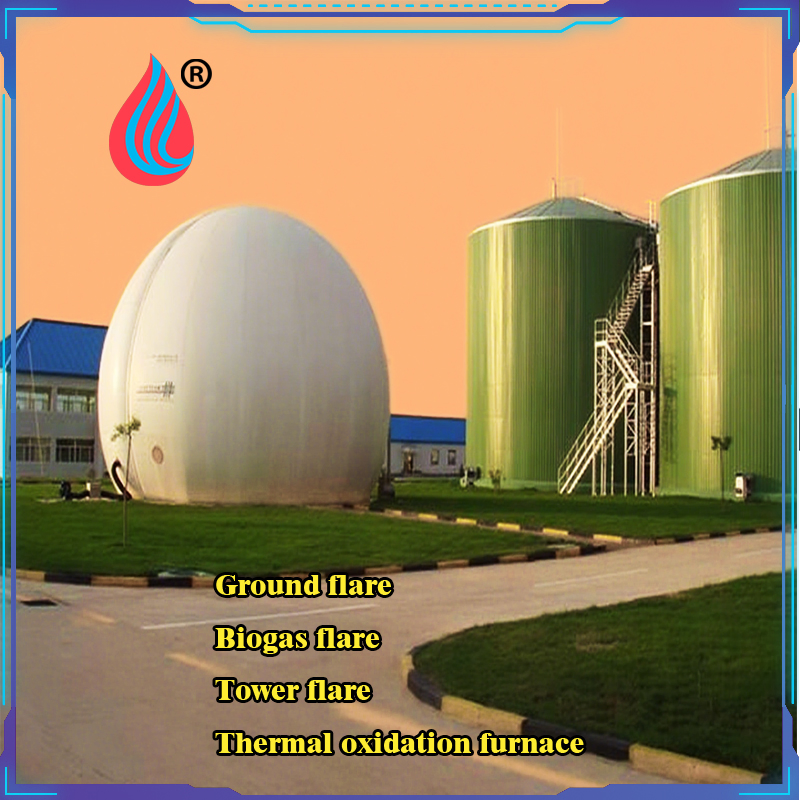
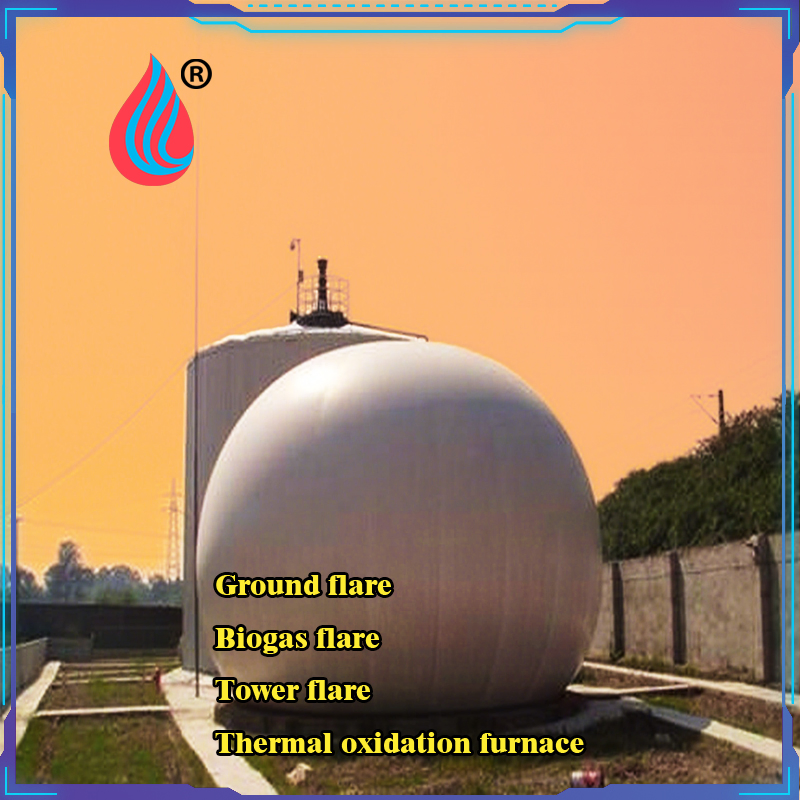
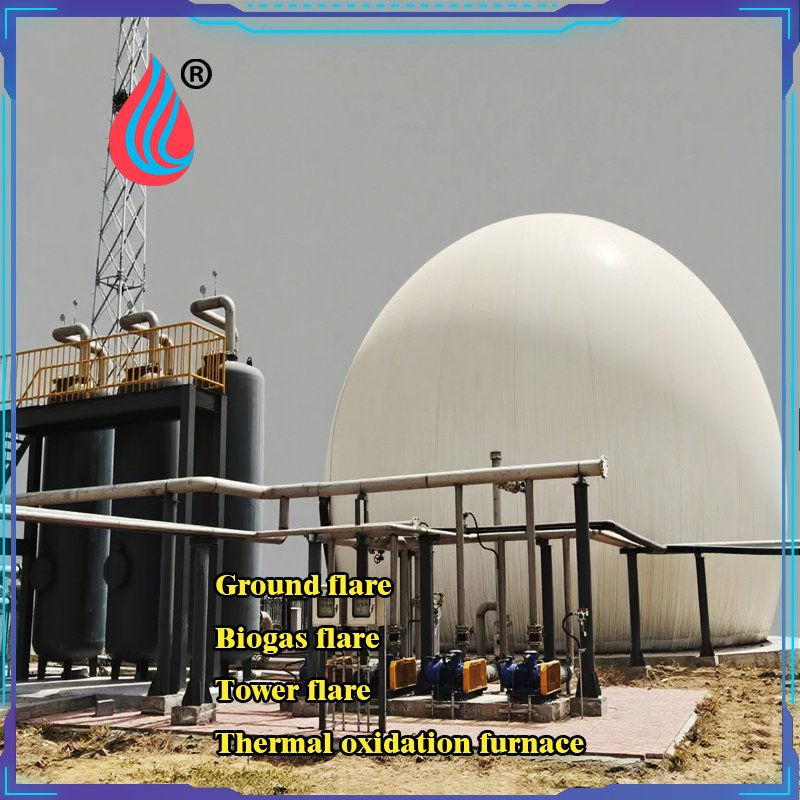
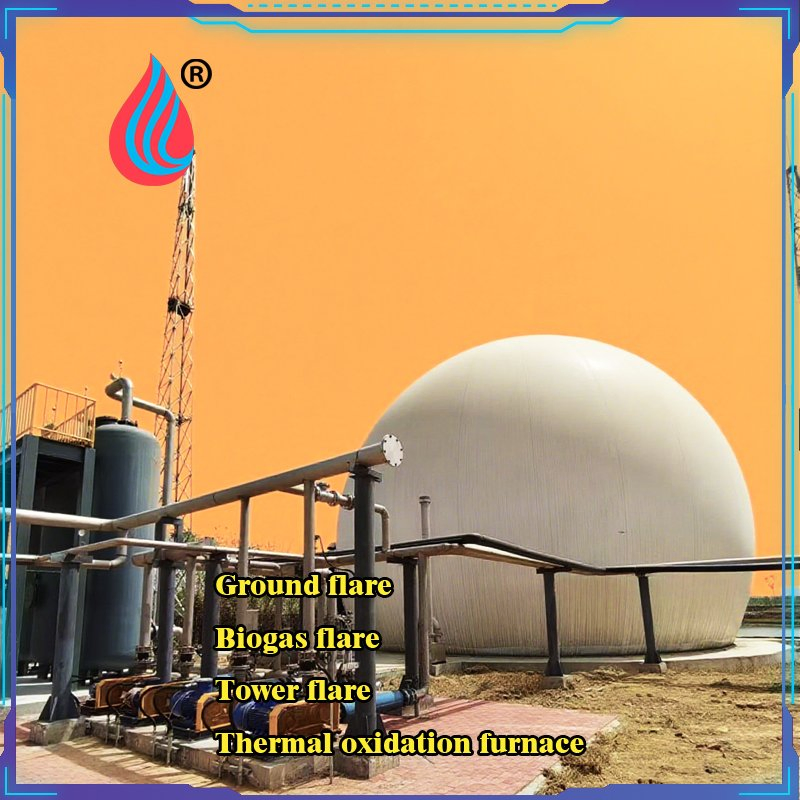
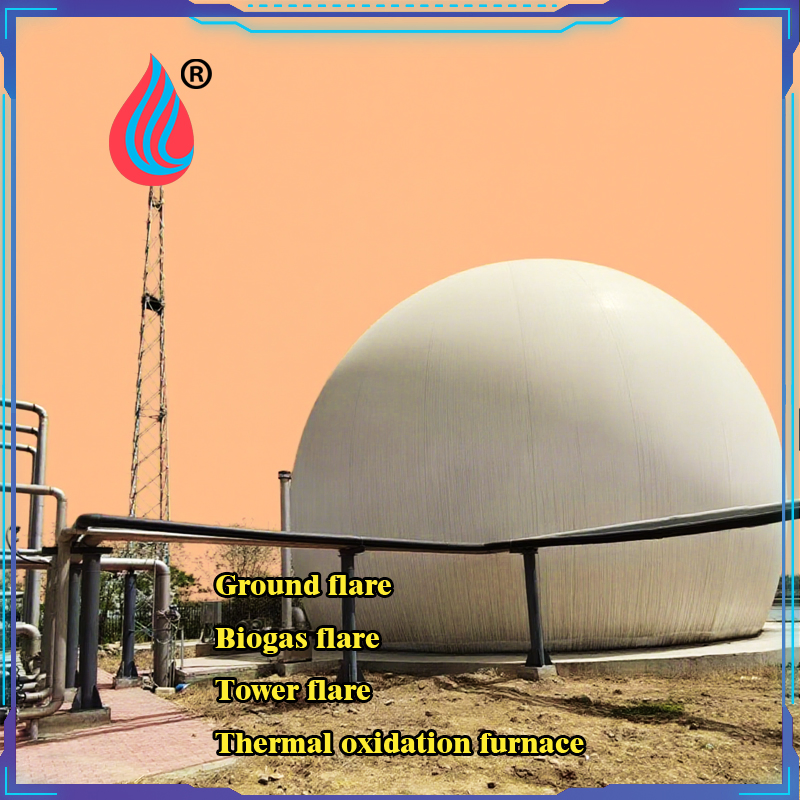
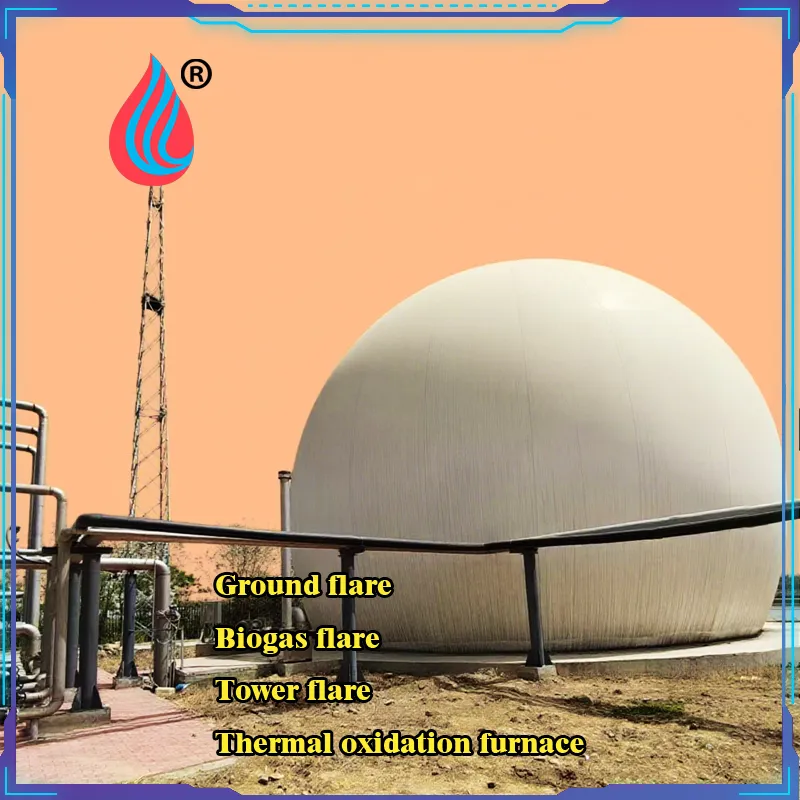
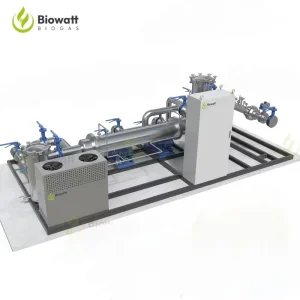
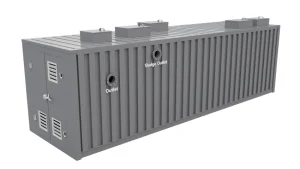
Biogas Energy Comprehensive Utilization System, Energy Conservation and Environmental Protection, Organic Decomposition

Customization: Available
After-sales Service: Online Support
Warranty: 12 Months

Product Description

Basic Specifications

Model NO.
Customizable
Type
Flares
Automation
Automatic
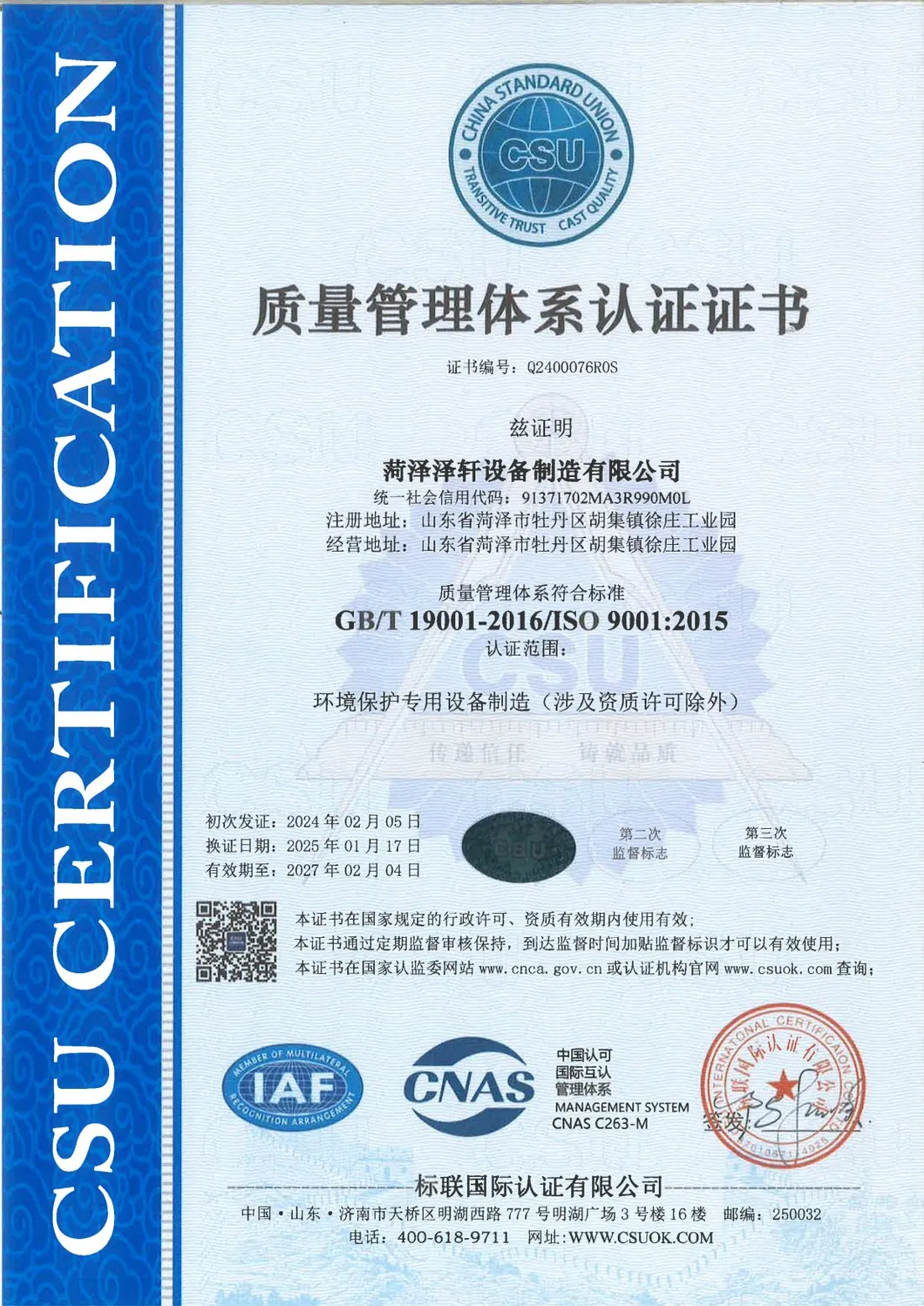
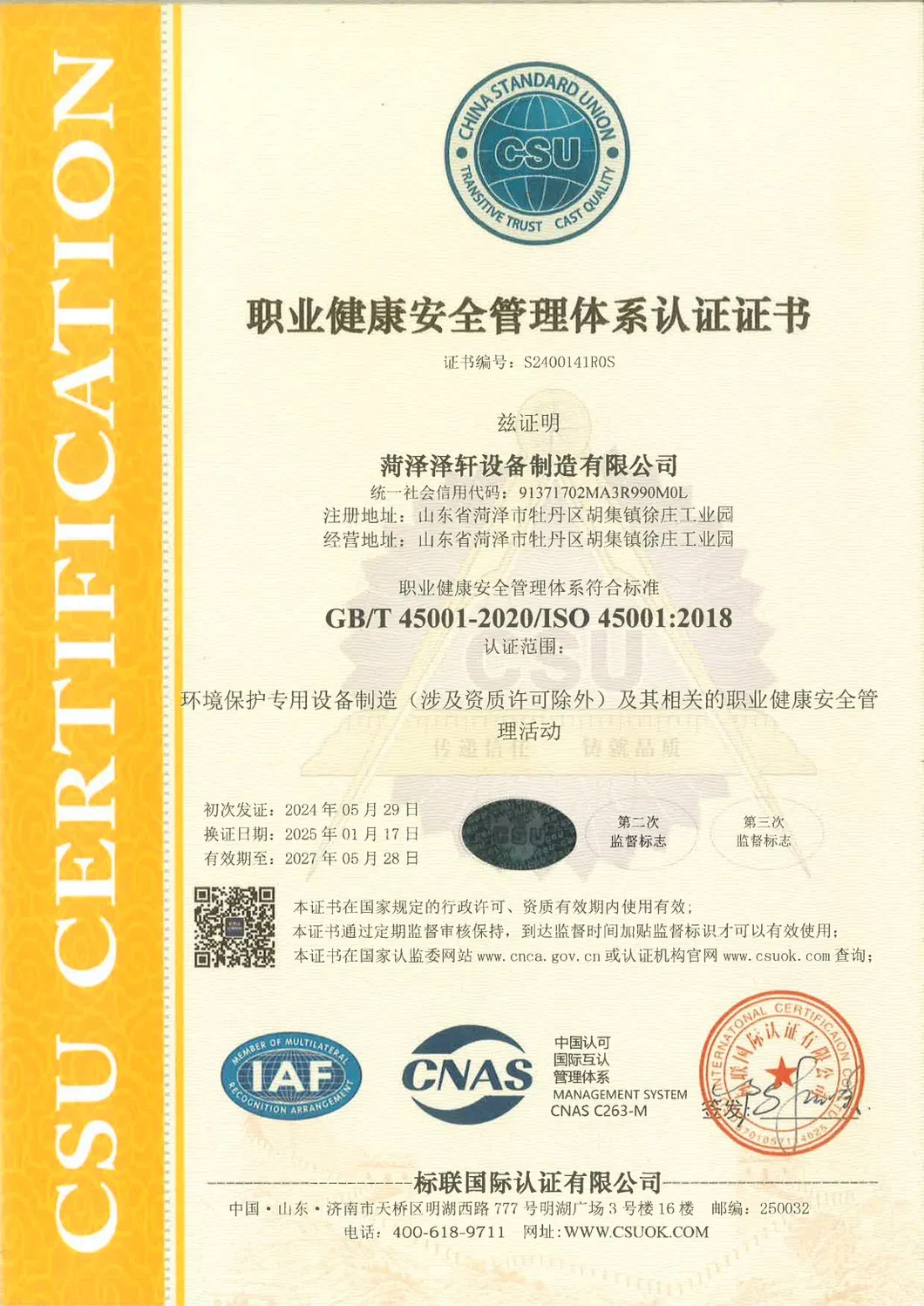
Certification
ISO
Temperature Control
35℃-55℃
pH Value
6.5-7.5
Methane Purity
95%
Production Capacity
500 Sets/Year

Biogas Engineering Overview

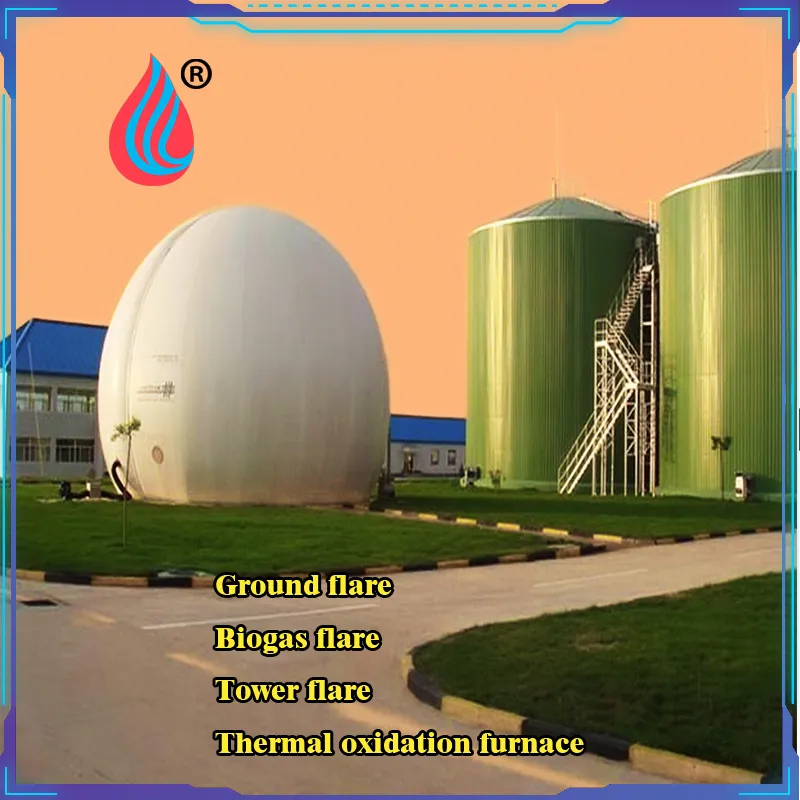
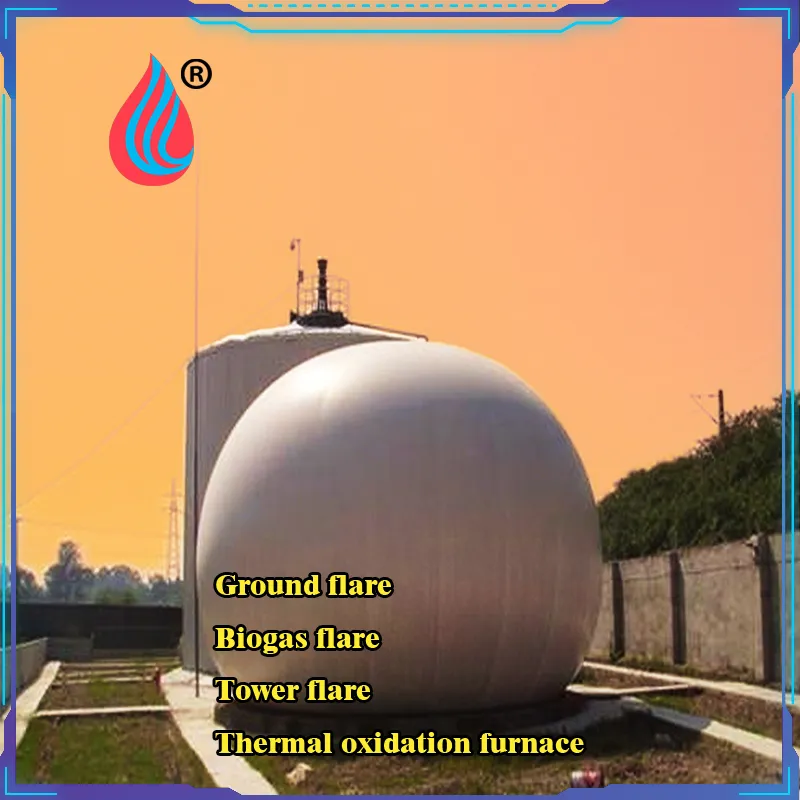
Biogas engineering is a systematic project that generates biogas from biomass (such as crop straw, livestock and poultry manure, industrial organic wastewater, municipal domestic waste, etc.) through anaerobic fermentation technology. This comprehensive process involves the collection, purification, storage, and utilization of biogas, serving multiple fields including energy supply, environmental protection, and agricultural production.
💡 Core Components of Biogas Engineering

Biogas Energy System
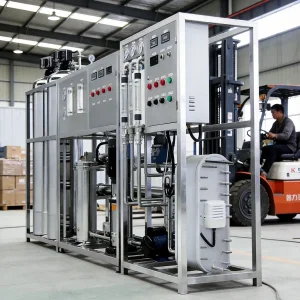
Biogas Purification System

Raw Material Pretreatment: Crushes, stirs, and adjusts moisture/pH levels to optimize anaerobic fermentation conditions.

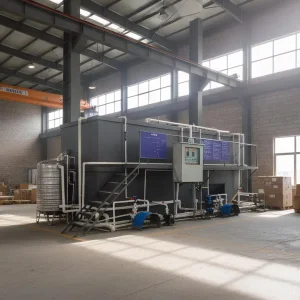
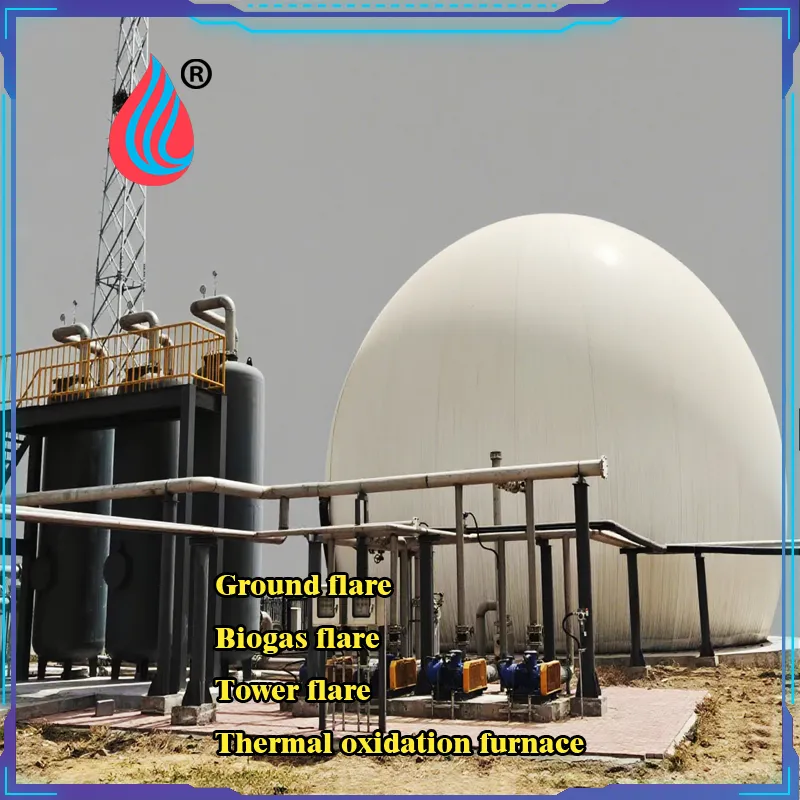
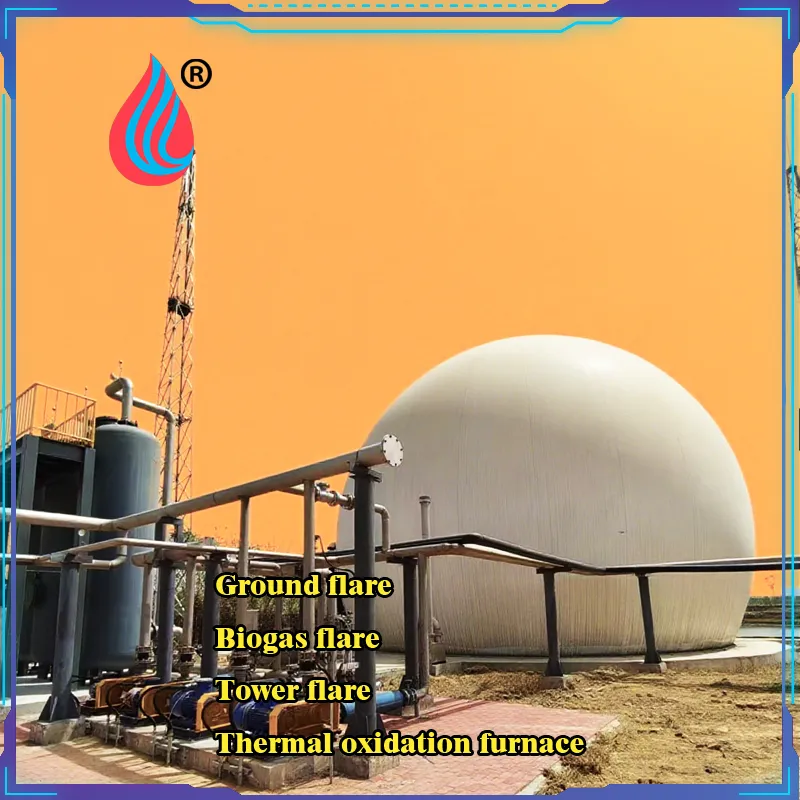
Anaerobic Fermentation: Utilizing CSTR or UASB reactors where microorganisms decompose organic matter to produce methane (50%-70% purity).

Purification & Storage: Removal of hydrogen sulfide and moisture via desulfurization towers to prevent corrosion, followed by stabilized storage.
System Classifications

System Classification
  • Household Engineering: Small-scale facilities for individual farm use, providing energy for cooking and lighting.
  • SME Biogas Engineering: Designed for breeding farms and villages, producing hundreds to thousands of cubic meters daily.
  • Large-scale Engineering: Commercial operations processing industrial organic waste with full power generation and grid-connection capabilities.

Technical Features & Benefits

Environmental Benefits
Energy Benefits

🛡️ Environmental & Social Impact

By collecting methane that would otherwise be released into the atmosphere, biogas projects significantly reduce greenhouse gas emissions (methane has 25x the warming potential of CO2). Furthermore, it prevents water eutrophication and soil pollution caused by the direct discharge of manure.

💰 Economic Advantages

Projects generate high-quality organic fertilizers from fermentation residues (biogas slurry and residue), which are rich in nitrogen, phosphorus, and potassium. This promotes a circular economy model: "Breeding - Biogas - Planting".
Smart Integration

Smart Agriculture Integration
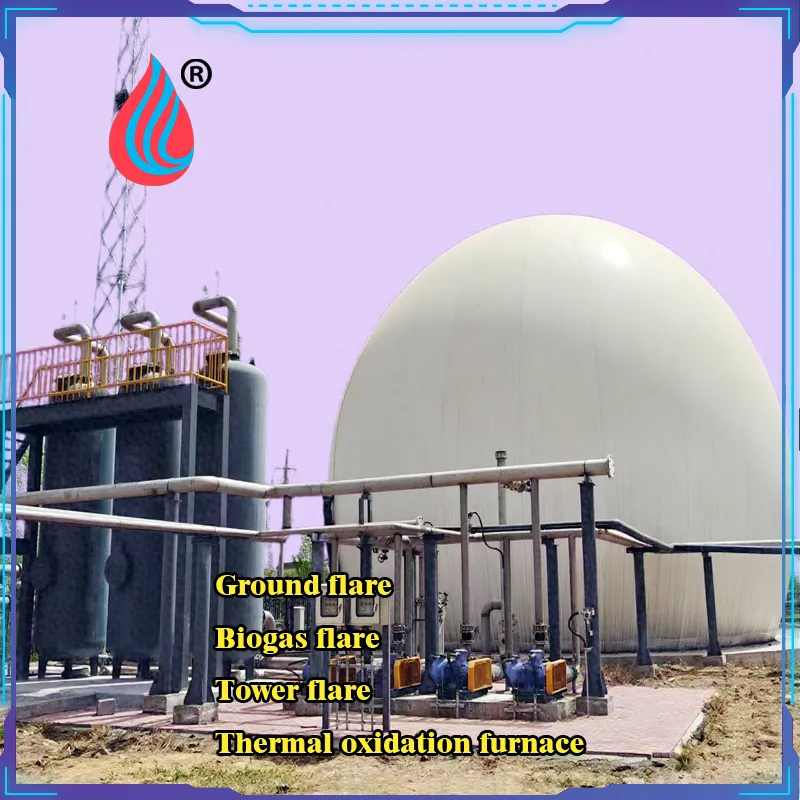
  • Automated control of fermentation parameters via smart agriculture technology.
  • Integration with photovoltaic and wind power for "Energy-Agriculture-Environmental" synergy.
  • Advanced purification technology to produce bio-natural gas (purity ≥95%).
  • Diversified utilization of food waste and crop straw.

Technical Certifications

Certification 1
Certification 2
Certification 3

Frequently Asked Questions

What materials can be used for biogas production?
Biogas can be generated from various biomass sources including crop straw, livestock and poultry manure, industrial organic wastewater, and municipal organic waste.
How pure is the methane produced in this system?
Standard anaerobic fermentation produces biogas with 50%-70% methane. However, with our advanced purification systems, the purity can be increased to ≥95% bio-natural gas.
What are the temperature requirements for efficient fermentation?
The system typically operates at medium temperatures (around 35ºC) or high temperatures (around 55ºC) to maintain optimal microbial activity and gas production efficiency.
Why is desulfurization necessary for biogas?
Biogas contains hydrogen sulfide which is highly corrosive to metal components and engines. Purification via desulfurization towers ensures equipment longevity and safety.
What is the "Circular Economy" model mentioned?
It refers to the integration of breeding and planting: animal waste produces biogas (energy) and residue (organic fertilizer), which is then used to grow crops, completing the nutrient cycle.
Can the biogas system be automated?
Yes, modern biogas engineering can be integrated with DCS systems and smart agriculture technology to realize automated adjustment of fermentation parameters and gas flow.

Related Products