Japan stands at the global forefront of waste management, driven by its unique "Mottainai" culture and rigorous legislative framework such as the Food Recycling Law (食品リサイクル法). With land availability at a premium in urban centers like Yokohama and Nagoya, the traditional reliance on incineration is rapidly transitioning toward high-efficiency aerobic fermentation. As a leading Fermentation Composting Machine Factory, we recognize that Japanese commercial and industrial sectors are now prioritizing decentralized waste processing to reduce CO2 emissions from transportation and decrease "Gomi" disposal costs.
The Japanese market demands precision. Whether it is a luxury hotel in Kyoto or a commercial food processor in Hokkaido, the requirements for odor control, noise reduction, and energy efficiency are non-negotiable. Our localized technical roadmap for Japan integrates IoT monitoring with low-temperature fermentation microbial technology, ensuring compliance with local environmental standards while delivering high-grade organic fertilizer as a byproduct.
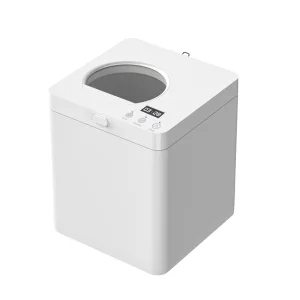
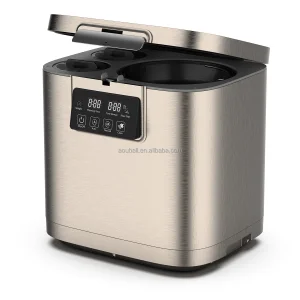
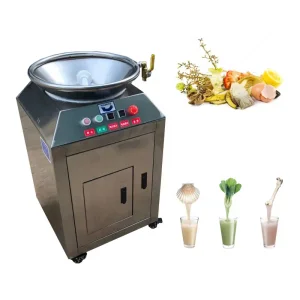
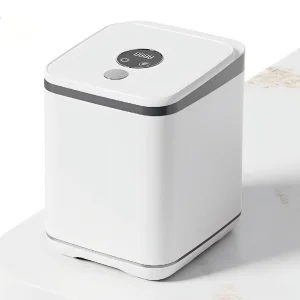
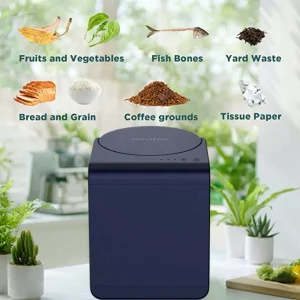
Compact, silent units for Ginza-style basement kitchens where space and ventilation are critical constraints.
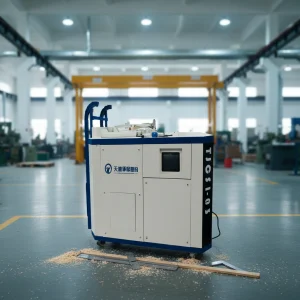
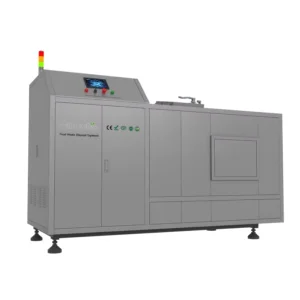
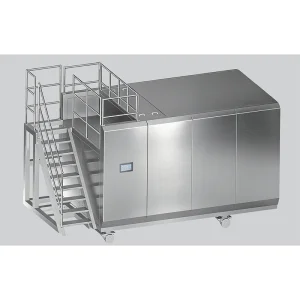
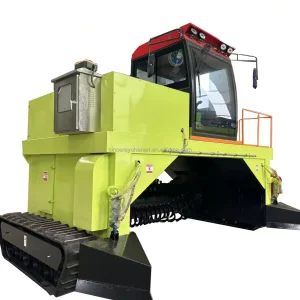
Large-scale windrow turners and fermentation vessels for converting vegetable surplus into high-nitrogen soil conditioners.
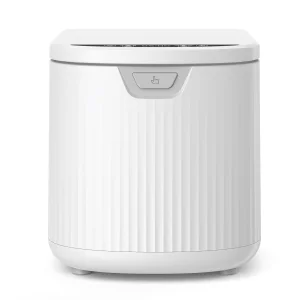
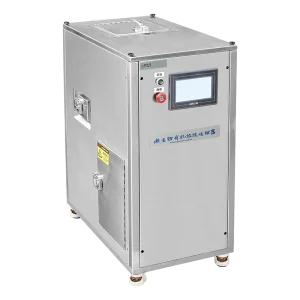
Smart community composting stations for Danchi housing complexes, integrated with localized waste sorting programs.
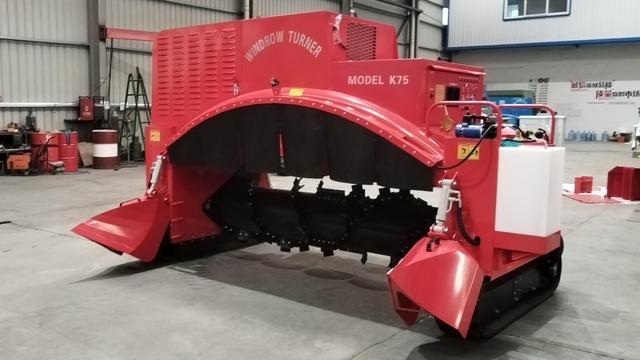
The future of composting in Japan is Intelligent & Bio-Digital. Chengdu AgBio Energy Co., Ltd. is investing heavily in three core areas:
As Japan moves toward its 2050 Carbon Neutral goal, our machines are being redesigned for 100% recyclability at the end of their service life, aligning with the "Plastic Resource Circulation Act" and broader ESG requirements of Japanese corporations.
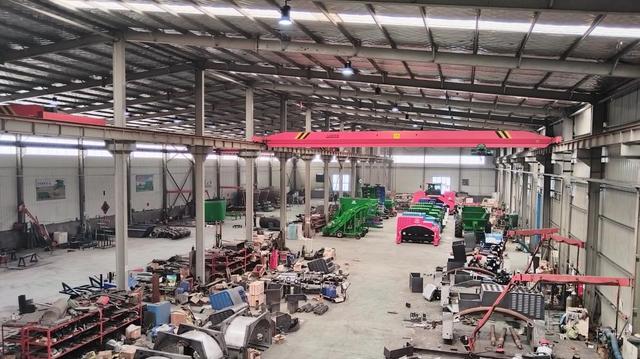
Chengdu AgBio Energy Co., Ltd. is a professional manufacturer specializing in organic waste composting equipment, food waste recycling systems, and sustainable waste treatment solutions. Established in 2013 and headquartered in Chengdu, Sichuan Province, China, the company is dedicated to helping businesses, agricultural operations, municipalities, and environmental service providers transform organic waste into valuable resources.
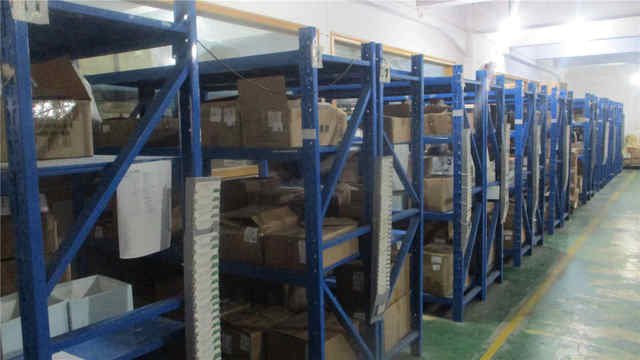
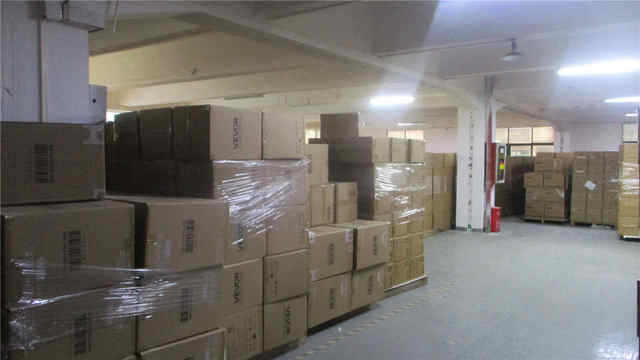
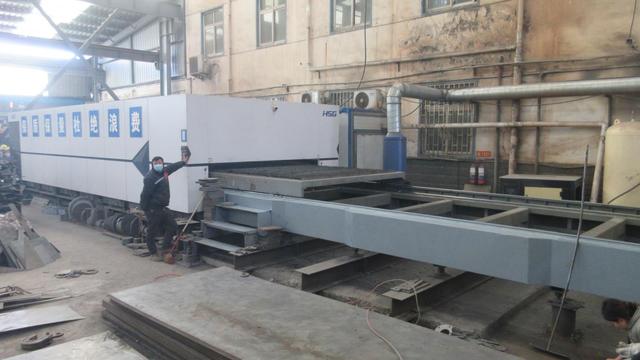
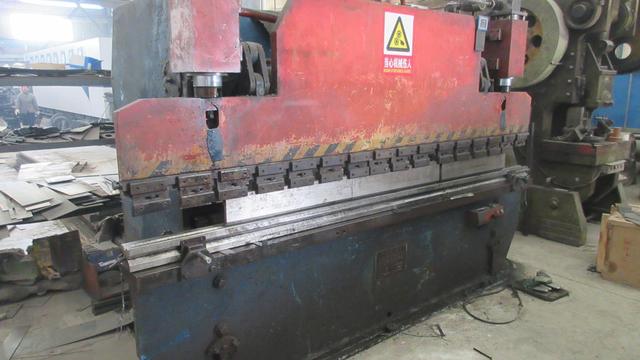
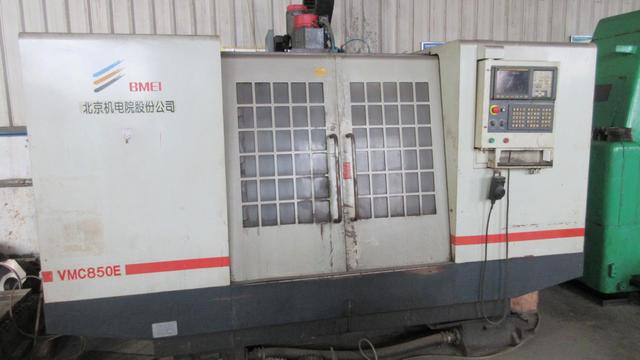
With a modern manufacturing facility covering more than 16,000 square meters and a team of over 230 employees, AgBio Energy delivers efficient and environmentally responsible waste management technologies to customers around the world. Our supply chain resilience ensures that Japanese partners receive equipment on time, with the ability to customize components (PLC, Motors) to Japanese industrial standards (JIS).
Entering the Japanese market requires more than just high-quality hardware. We provide:
Q1: How do your machines handle the high salt content typical of Japanese food waste?
A: Our microbial formulas and stainless steel liners are specifically engineered for corrosion resistance. We use SUS304 and SUS316L materials to ensure longevity against salt-heavy waste like Miso or Shoyu residues.
Q2: Are the machines compliant with Japanese electrical safety standards (PSE)?
A: Yes, we provide PSE-certified power components and can customize the internal wiring to meet specific Japanese local municipality requirements.
Q3: What is the maintenance requirement for commercial units in Tokyo?
A: Most units require a simple filter check every 3 months and a microbial top-up every 6-12 months. Our modular design allows for easy maintenance without specialized tools.
Q4: Can these machines be integrated into existing building management systems (BMS)?
A: Our industrial models feature RS485/Modbus communication protocols, allowing for seamless integration into modern smart building systems common in new developments in Osaka and Tokyo.
Get a customized quote for your Japanese project today. Sustainable waste management starts here.
 AgBio Energy