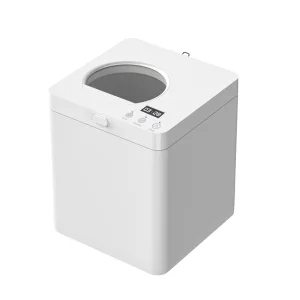
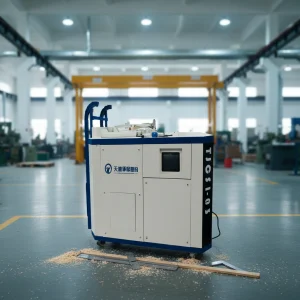
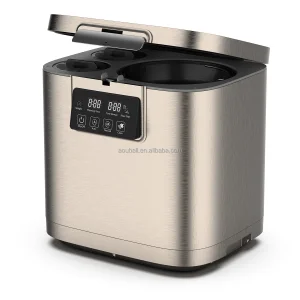
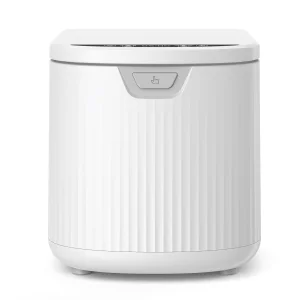
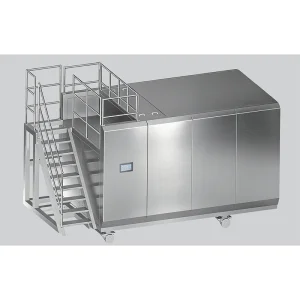
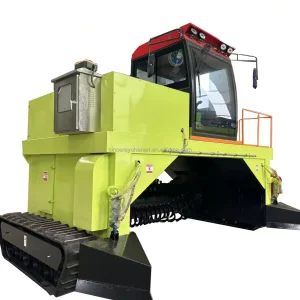
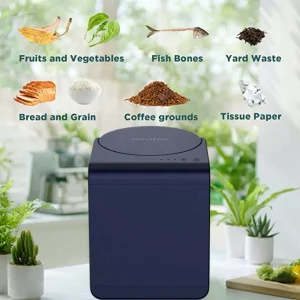
As Mexico accelerates its transition toward a circular economy, the demand for high-efficiency Kitchen Waste Composting Machines has reached an all-time high. Driven by stringent environmental regulations like the Ley General para la Prevención y Gestión Integral de los Residuos, Mexican municipalities from Mexico City (CDMX) to Guadalajara are seeking localized industrial and commercial solutions to divert organic waste from landfills.
The Mexican hospitality sector—centered in tourism hubs like the Riviera Maya, Los Cabos, and Puerto Vallarta—is at the forefront of this change. Hotels and resorts are no longer viewing waste as a liability but as a resource for onsite landscaping through aerobic fermentation technology. As a leading manufacturer and exporter, we provide the technical infrastructure to bridge the gap between traditional waste disposal and modern "Zero Waste" goals.
Mexico's urban centers generate over 42 million tons of waste annually, of which 50% is organic. Our systems are designed for the high-volume needs of Mexican central markets (Centrales de Abasto) and corporate food courts.
From IoT-enabled moisture sensors to energy-efficient microbial digestion, our roadmap focuses on reducing the energy footprint of composting in tropical and arid Mexican climates.
All exported units comply with Mexican NOM (Normas Oficiales Mexicanas) electrical standards (127V/60Hz) and ANCE safety certifications, ensuring seamless integration into local power grids.
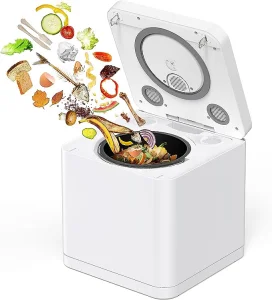
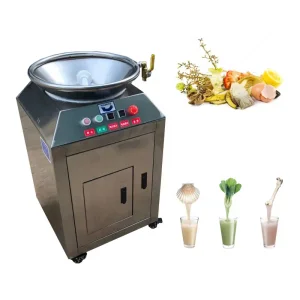
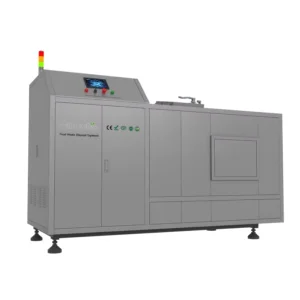
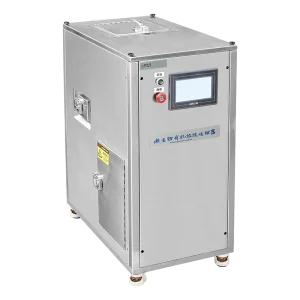
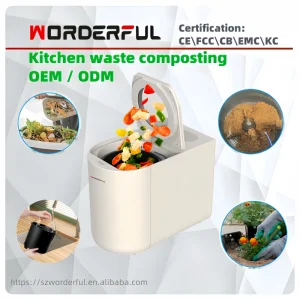
Our Kitchen Waste Composting Machines utilize advanced Aerobic Fermentation Technology. Unlike traditional anaerobic methods that produce methane, our aerobic digesters use high-speed microbial activity to reduce waste volume by up to 90% within 12 to 24 hours. This is crucial for Mexico’s dense urban environments where space for waste storage is limited.
Information Gain: Why Choose AgBio Energy for Mexico?
While many providers offer generic machines, we specialize in Climate-Adaptive Composting. Mexico’s varying humidity levels—from the dry heat of Hermosillo to the humid jungles of Chiapas—require machines with precision-controlled airflow and temperature management to maintain optimal microbial health.
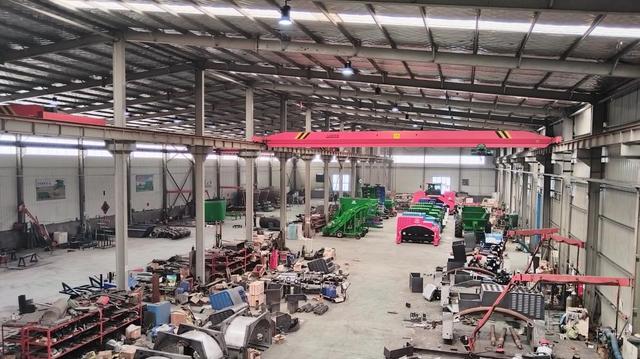
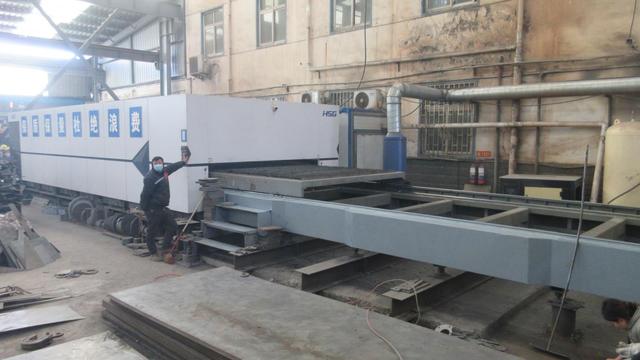
Chengdu AgBio Energy Co., Ltd. operates on the Factory 4.0 model, integrating digital twin technology and automated precision welding. For our Mexican partners, this translates to Supply Chain Resilience. With a 16,000sqm facility and a 230-strong workforce, we maintain a consistent throughput that allows for competitive lead times even during global shipping fluctuations.
Established in 2013 and headquartered in Chengdu, Sichuan Province, China, our company is dedicated to helping businesses, agricultural operations, and municipalities transform organic waste into valuable resources. We integrate engineering expertise, process optimization, and advanced manufacturing technologies to develop reliable composting and organic waste recycling systems. Strict quality management procedures are implemented throughout product development, manufacturing, installation, and customer support processes.
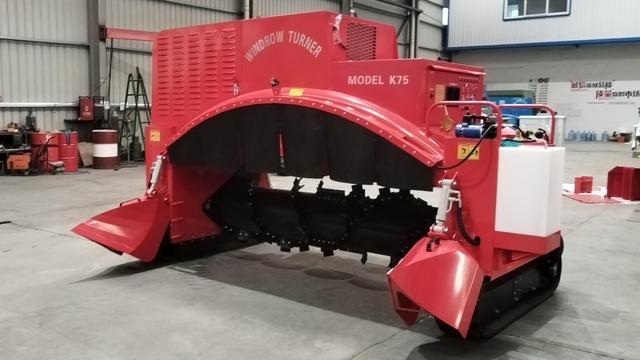
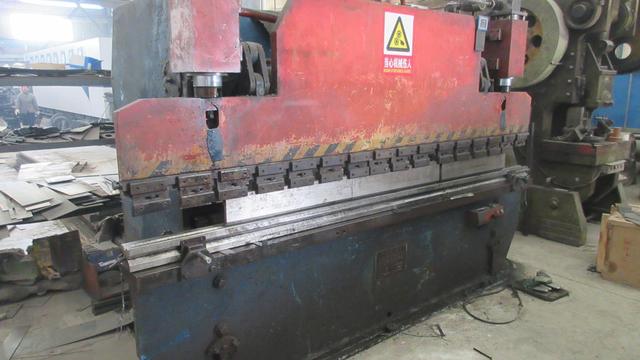
Multinational corporations operating in Mexico (such as Walmart de México, FEMSA, and major hotel chains like Grupo Posadas) have specific sustainability reporting requirements (ESG). Our machines provide Data-Backed Waste Diversion Metrics. Through our smart cloud interface, facility managers can track real-time waste reduction stats, helping them meet carbon neutrality targets and ISO 14001 certifications.
OEM/ODM services to match your facility's daily organic load (from 50kg to 500 tons).
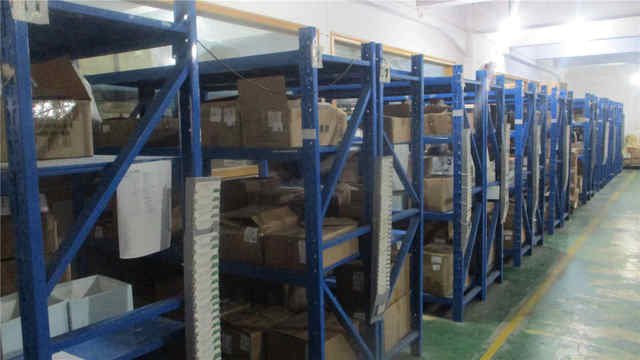
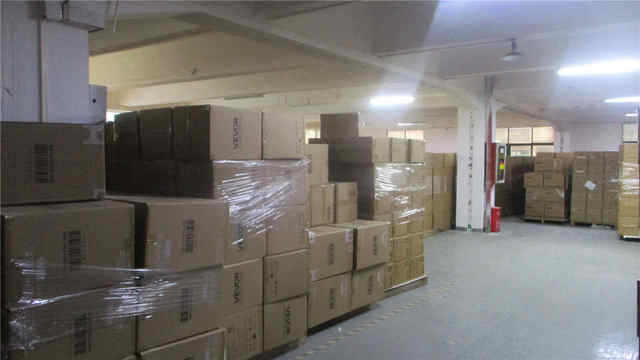
72-hour stress testing at our Chengdu facility before shipping to Veracruz or Manzanillo.
Localized installation guidance and spare parts availability across Mexico.
A: Most Mexican hotels see a full return on investment (ROI) within 18–24 months by eliminating organic waste hauling fees and reducing the need for chemical fertilizers in their gardens.
A: Yes. Our machines use specialized microbial strains and pH-balanced processing to handle citrus, chili, and other highly acidic organic waste common in Mexican cuisine.
A: We have extensive experience with Mexican customs (Aduanas). We provide all necessary documentation, including CO (Certificate of Origin) and NOM compliance certificates, to ensure smooth clearance at ports like Manzanillo and Lázaro Cárdenas.
A: Our HMI (Human Machine Interface) is available in Spanish, and our technical documentation is localized for Mexican engineering teams.
Join the league of sustainable enterprises in Mexico. Our team provides end-to-end support from design to installation.
Send Inquiry Now AgBio Energy