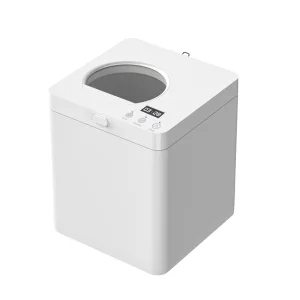
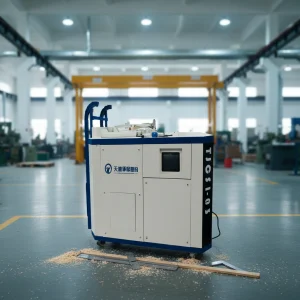
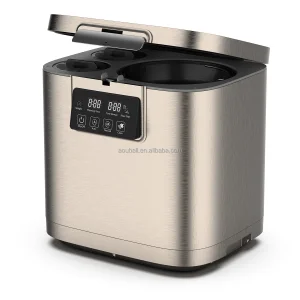
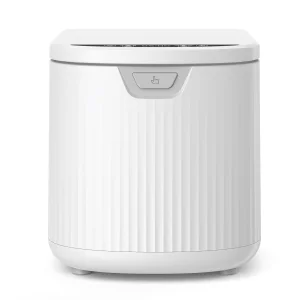
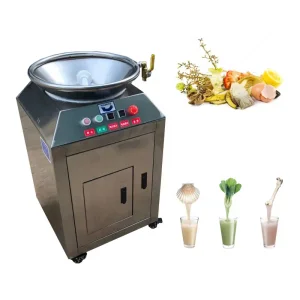
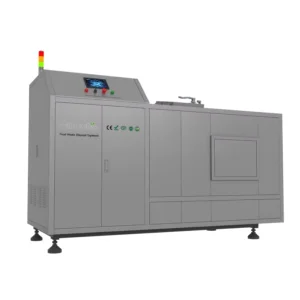
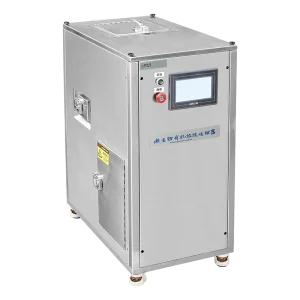
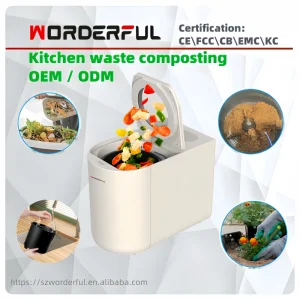
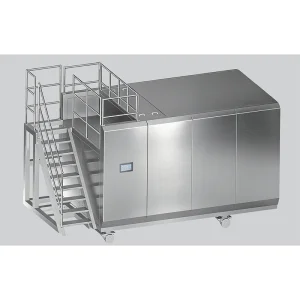
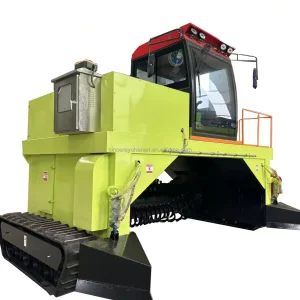
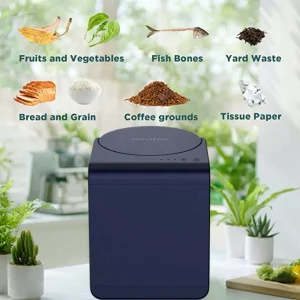
As Melbourne continues its journey toward becoming a global leader in sustainability, the demand for sophisticated Kitchen Waste Composting Machines has reached an all-time high. Driven by the Victorian Government's Recycling Victoria: A New Economy policy, businesses and residents across the City of Melbourne, Southbank, and the Yarra Ranges are seeking local, efficient ways to divert organic waste from landfills.
Melbourne’s hospitality sector—renowned for its world-class laneway cafes and fine dining—generates thousands of tonnes of food scraps daily. Traditional waste collection is increasingly expensive due to rising landfill levies. This is where Chengdu AgBio Energy Co., Ltd. steps in as a Tier-1 manufacturer and supplier, bridging the gap between advanced Chinese engineering and the unique regulatory requirements of the Australian market.
With the Victorian government aiming to halve organic waste to landfill by 2030, commercial entities in Melbourne are under pressure to adopt on-site processing technologies. Our machines reduce waste volume by up to 90% in hours.
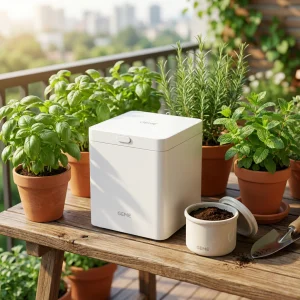
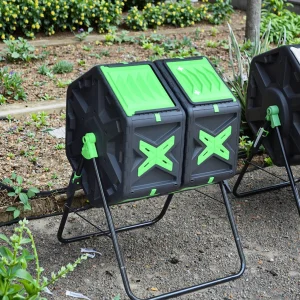
From the Royal Botanic Gardens to suburban community plots in Brunswick, the nutrient-rich compost generated by our machines supports the "Close the Loop" initiative, turning kitchen scraps into "Black Gold" for local soil.
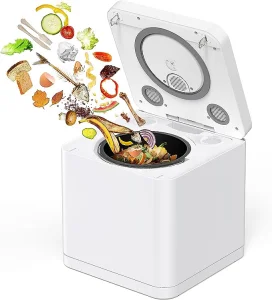
Modern composting is no longer just a "bin in the backyard." Our 2024-2025 technical roadmap focuses on the integration of AI sensors and microbial optimization. Our Melbourne-grade machines utilize high-temperature aerobic fermentation technology, which significantly accelerates the decomposition process while eliminating harmful pathogens and foul odors.
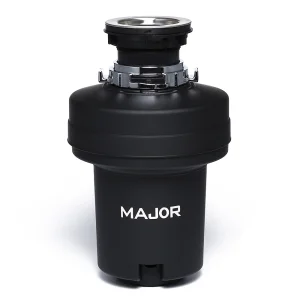
Equipped with 0.5 HP to 5 HP high-torque motors, our machines can handle everything from soft vegetable peels to hard chicken bones and fruit pits, ensuring a uniform output suitable for immediate soil application.
Our commercial-grade digesters (up to 500kg/day) feature remote monitoring capabilities. Facility managers in Melbourne's high-rise apartments can track temperature, humidity, and processing cycles via a smartphone app.
We recognize that the Melbourne market demands strict adherence to safety. All our machines supplied to Australia are built to comply with AS/NZS 60335 electrical safety standards and AS 4736 (Biodegradable plastics - Biodegradable plastics suitable for composting and other microbial treatment).
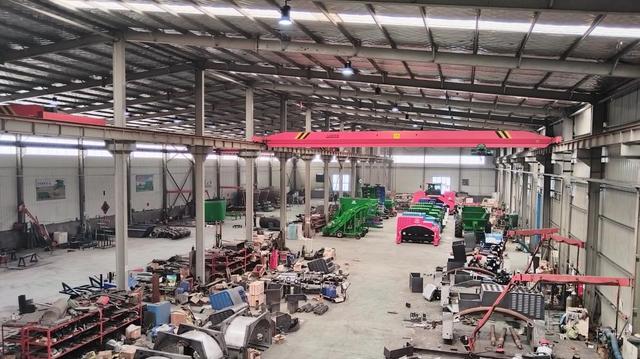
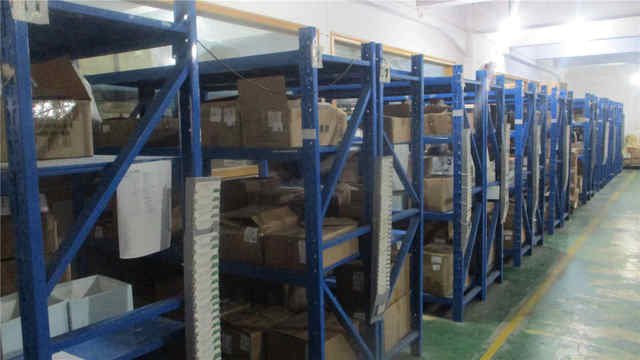
Chengdu AgBio Energy Co., Ltd., established in 2013, operates a massive 16,000-square-meter facility in Sichuan Province. Why does this matter for a Melbourne buyer? It's about the marriage of Scale, Precision, and Cost-Efficiency.
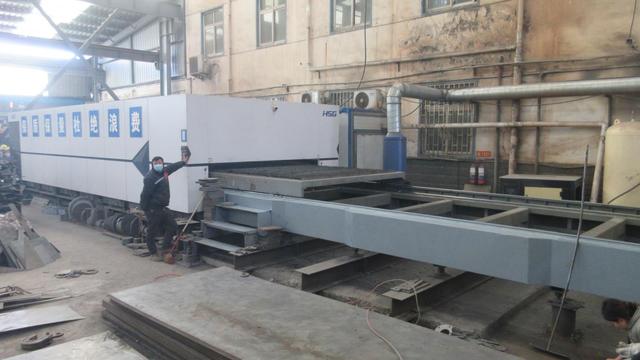
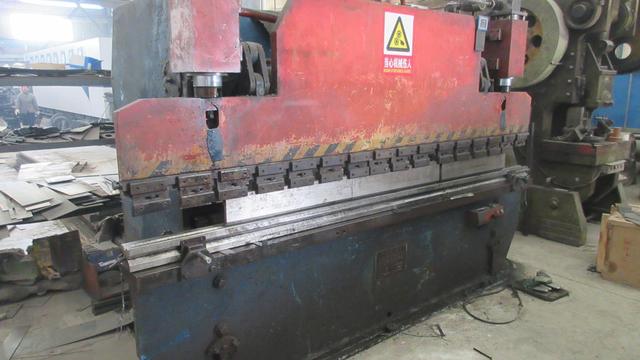
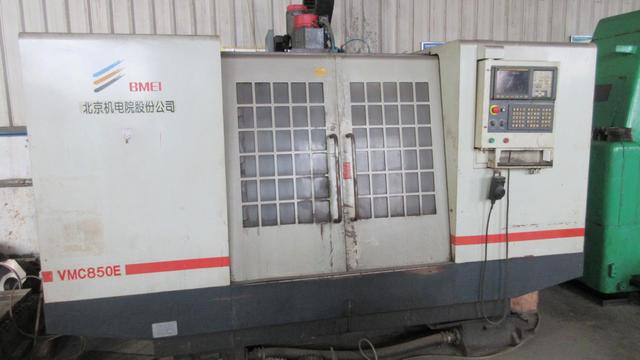
Unlike local Australian assemblers who source parts globally, we control the entire vertical supply chain. From the precision cutting of stainless steel chambers to the proprietary microbial formulations used in our composters, we ensure that every unit shipped to Melbourne meets rigorous quality control benchmarks.
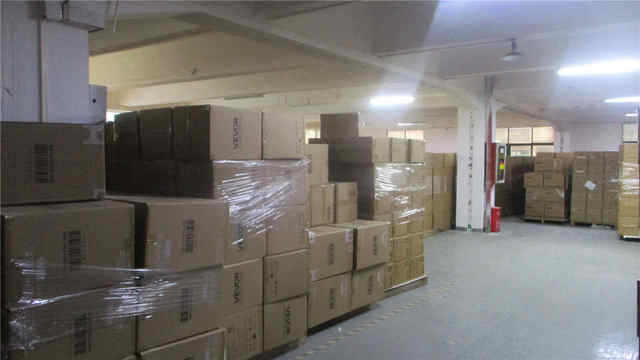
Our proximity to major logistics hubs allows us to offer competitive shipping rates to the Port of Melbourne. For large-scale industrial projects, such as composting facilities for Victorian agricultural cooperatives, our engineering team provides full 3D layout designs and customized fermentation parameters based on local climate data (Melbourne's temperate oceanic climate).
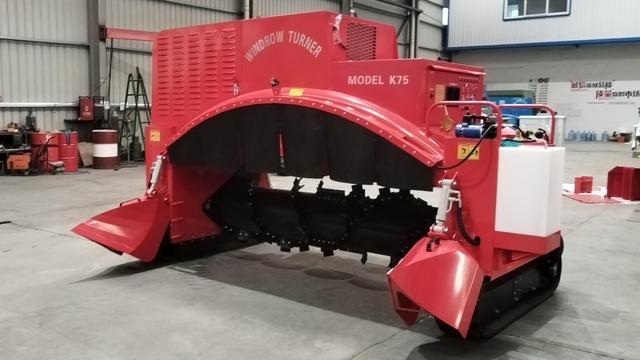
Ideal for restaurants in the Docklands or South Melbourne Market. Our compact digesters reduce daily organic waste volume, cutting down on bin collection frequency and eliminating "bin juice" odors in tight urban spaces.
The University of Melbourne and Monash University are hubs for sustainability. Our 50kg to 500kg daily capacity machines provide a practical educational tool for students while managing massive dining hall output.
Modern apartment complexes in the CBD can integrate centralized composting systems. Our noiseless (42dB) electric composters are perfect for communal bin rooms, adding value to the building's "Green Star" rating.
Our Kitchen Waste Composting Machines utilize a multi-stage process to ensure the highest Information Gain for the user. Unlike simple grinders, our systems perform Dehydration, Sterilization, and Fermentation.
For Melbourne's clay-heavy soils (common in the eastern suburbs like Box Hill), the resulting compost is a game-changer, improving soil structure, water retention, and microbial biodiversity.
Beyond Melbourne, Chengdu AgBio Energy is a key player in the global circular economy. From urban centers in London to agricultural zones in California, our technology helps reduce methane emissions—a greenhouse gas 25 times more potent than CO2. By choosing our composting machines, Melbourne businesses contribute to Australia's commitment to the Paris Agreement and the UN Sustainable Development Goals (SDGs).
 AgBio Energy