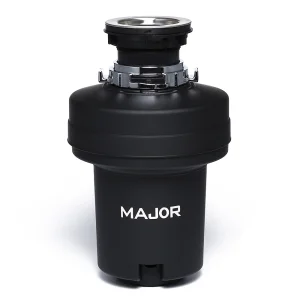
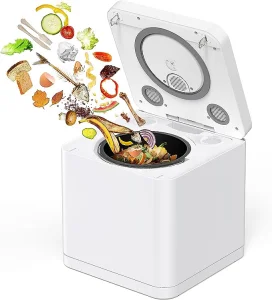
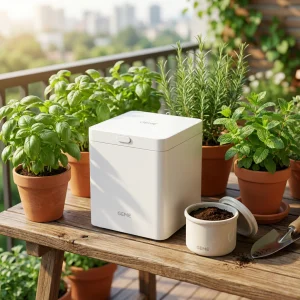
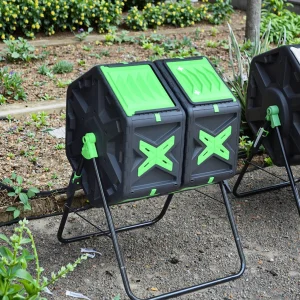
Brazil is currently undergoing a paradigm shift in how it handles organic waste. With the National Policy on Solid Waste (PNRS - Law 12.305/10) gaining stricter enforcement, Brazilian municipalities and private enterprises from São Paulo to Manaus are seeking alternatives to traditional landfilling. Organic waste represents approximately 50% of Brazil’s municipal solid waste, yet less than 2% is currently composted. This gap presents a massive opportunity for the integration of Kitchen Waste Composting Machines.
Hotels in Rio and business hubs in Curitiba are adopting "Zero Waste" certifications, requiring on-site organic waste treatment.
Brazil's massive agricultural sector is integrating decentralized composting to convert food processing by-products into high-value organic fertilizers.
Publicly traded Brazilian companies are now mandated to report on carbon emissions, making aerobic digesters a key tool for Scope 3 emission reduction.
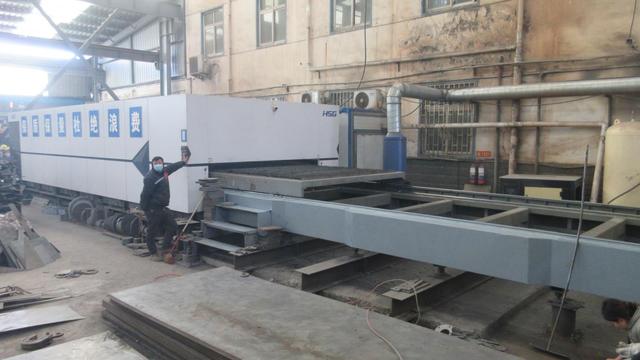
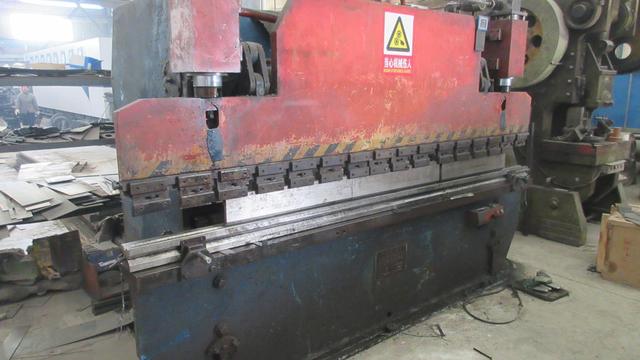
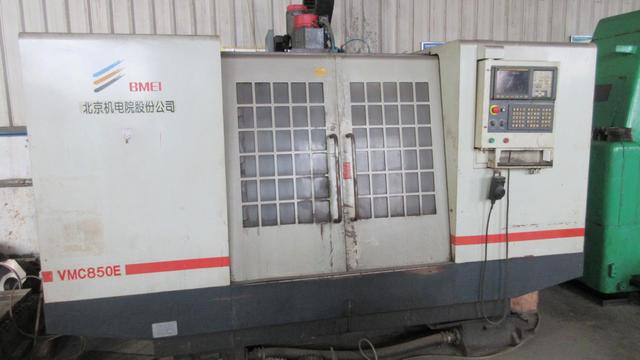
As a leading Kitchen Waste Composting Machine Supplier, Chengdu AgBio Energy Co., Ltd. leverages the "Factory 4.0" framework to provide the Brazilian market with unparalleled reliability. Established in 2013, our 16,000-square-meter facility in Chengdu, China, integrates AI-driven manufacturing and IoT connectivity into every machine.
For our Brazilian partners, this means Supply Chain Resilience. We understand the complexities of international logistics and the importance of equipment durability in tropical climates. Our systems are designed with high-grade stainless steel and modular components that ensure long-term operational efficiency even in high-humidity environments like the Amazon basin or coastal regions.
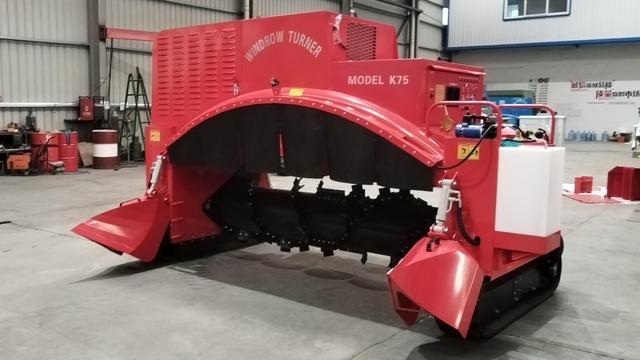
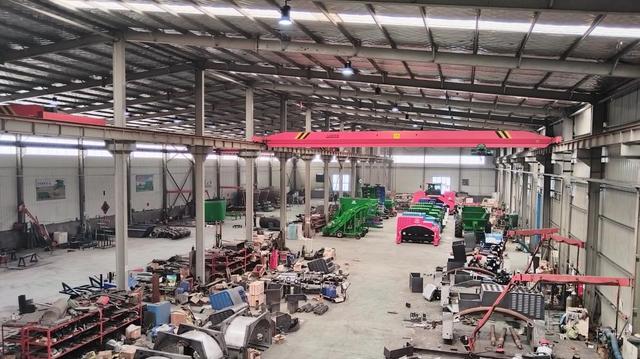
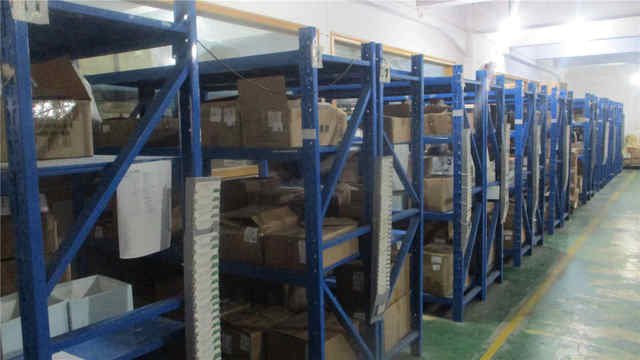
The global shift toward Decentralized Waste Management is the defining trend of the 2020s. Instead of transporting wet, heavy organic waste to distant landfills, businesses are treating waste at the source. This reduces transport costs, eliminates methane emissions from landfills, and creates a localized circular economy.
1. Shopping Malls & Food Courts: In cities like Belo Horizonte and Porto Alegre, food waste from centralized dining areas can be processed overnight, reducing sanitation risks and disposal fees.
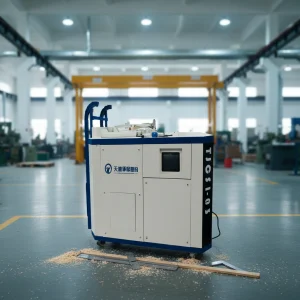
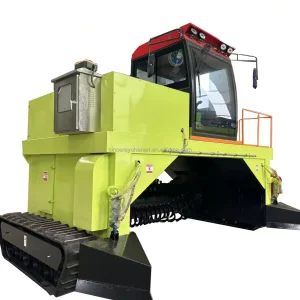
2. Remote Mining & Oil Camps: For operations in remote regions, AgBio Energy’s heavy-duty composting machines provide a self-sustaining waste solution where traditional waste collection is impossible.
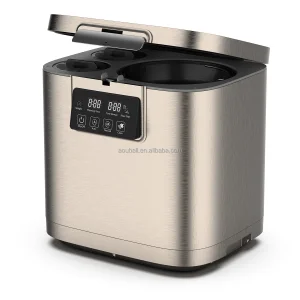
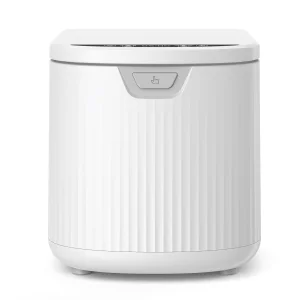
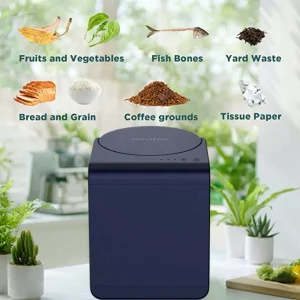
3. Luxury Residential Developments: Modern high-rises in Balneário Camboriú are integrating smart household composting units as a standard amenity for eco-conscious residents.
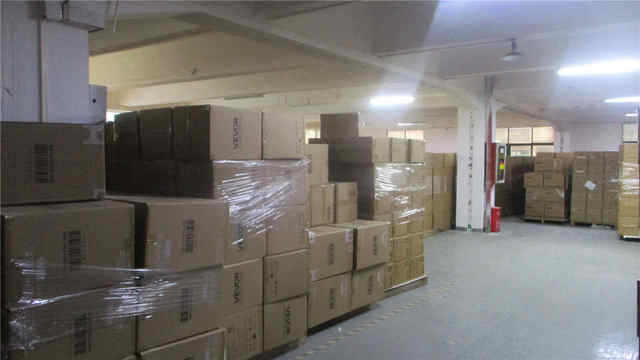
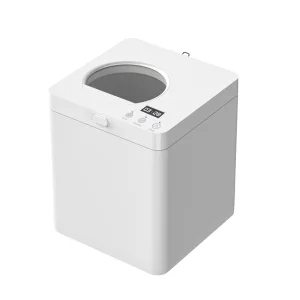
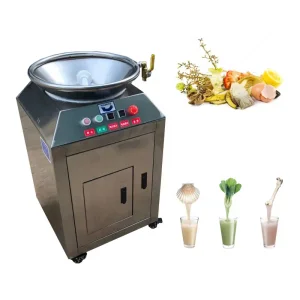
We provide solutions ranging from household units (2.5L - 5L) to industrial digesters capable of handling 50kg, 500kg, and up to several tons per day, suitable for large Brazilian food processing plants.
Yes. As an experienced global supplier, we offer full customization for Brazil's unique electrical requirements, ensuring 60Hz frequency and compatible plug types for different regions.
Our machines use high-grade 304 or 316 stainless steel and advanced moisture control sensors. This prevents corrosion and ensures the aerobic fermentation process remains stable regardless of external humidity.
We offer comprehensive remote technical support, installation guides, and a robust warranty. Our modular design allows for easy maintenance and part replacement locally.
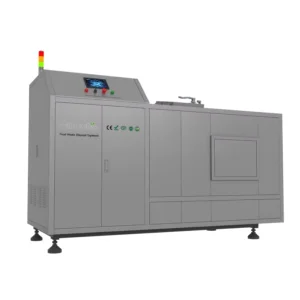
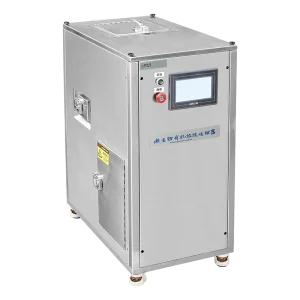
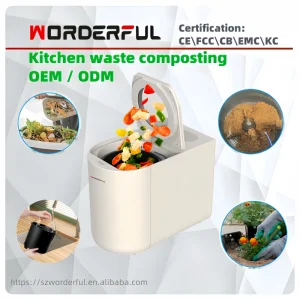
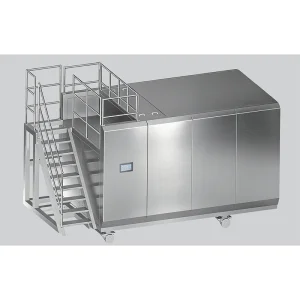

Contact Chengdu AgBio Energy today for customized solutions serving the Brazilian industrial and commercial sectors.
Send Inquiry Now AgBio Energy