High-performance processing technology configured for municipalities, agricultural estates, and industrial operations.
Across global urban centers, the acceleration of regulatory framework directives like the European Landfill Directive and local mandates on municipal organics collection has created an urgent need for localized, highly efficient bio-waste processing infrastructures. Municipal organic waste, comprising kitchen refuse, agricultural biomass, sewage sludge, and municipal park trimmings, presents deep thermodynamic and biochemical recycling complexities. Raw landfills generate immense quantities of methane, a potent greenhouse gas, and volatile leachate that threatens regional aquifers. As a leading specialized developer of municipal waste recovery machinery, Chengdu AgBio Energy Co., Ltd. addresses these environmental challenges by engineering advanced composting, fermentation, and sewage reclamation solutions that integrate the principles of circular economic efficiency.
Our OEM and ODM facilities focus on resolving the practical challenges in organic processing, including raw material variations, high moisture contents (often exceeding 80% in food wastes), dynamic C:N (carbon-to-nitrogen) imbalances, and regional microbial decomposition kinetics. Our technological framework bridges the gap between massive scale industrial bio-digesters and municipal sorting centers, delivering localized adaptability, minimal odor footprints, and high structural reliability under intense chemical corrosion conditions.
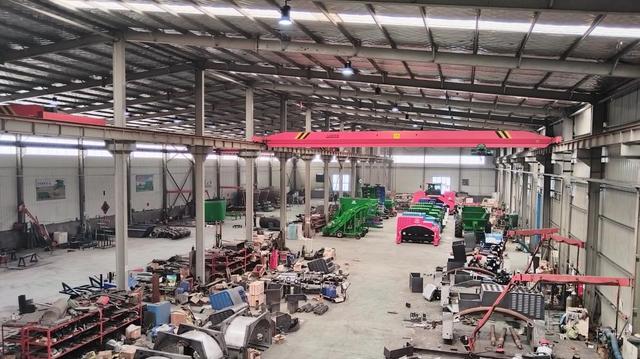
Founded in 2013 and headquartered in Chengdu, Sichuan Province, China, Chengdu AgBio Energy Co., Ltd. has established a formidable international footprint. Our central manufacturing complex spans more than 16,000 square meters and houses advanced CNC processing facilities, robotic welding stations, precision plasma cutting rigs, and dedicated mechanical stress-testing bays. Backed by a team of over 230 qualified operators and process engineers, the company designs, tests, and validates customized organic processing hardware for global export.
Our industrial solutions are widely deployed in commercial agriculture, decentralized remote rural operations, heavy industrial livestock farms, food manufacturing operations, municipal material recovery facilities (MRFs), and municipal bio-gas operations. Through strict compliance, research, and precise process simulation, we supply dynamic municipal processing assets configured to operate under demanding environmental conditions.
Under the hood of modern high-rate decomposition kinetics and advanced thermophilic reactions.
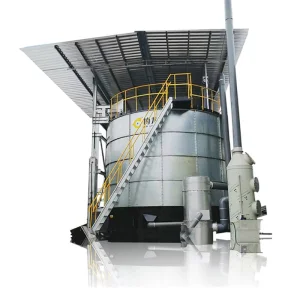
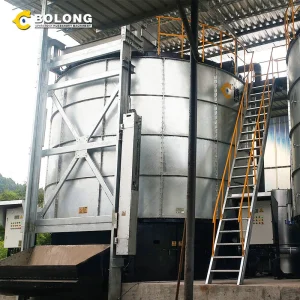
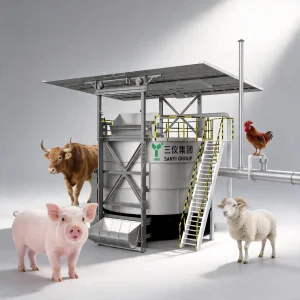
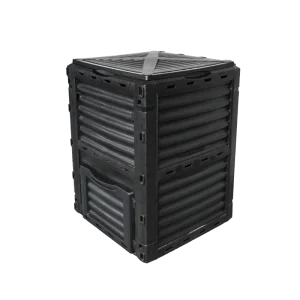
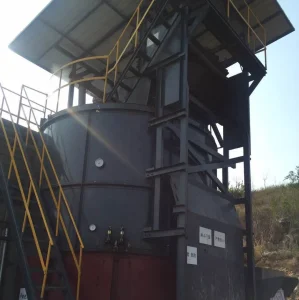
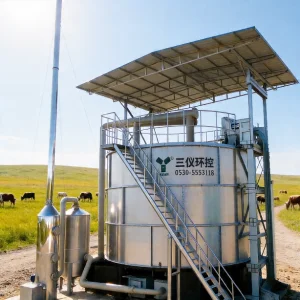
Our in-vessel fermentation vessels employ a closed vertical bioreactor model that isolates biological activity from ambient fluctuations. Equipped with automated paddle agitation, multi-point thermocouple probes, and low-pressure high-volume bottom aeration manifolds, these vessels ensure optimal thermophilic temperature retention (55°C - 65°C) to accelerate natural microbial activity. This phase eliminates pathogens and weed seeds while drying organic residues without external fossil-fuel heating, achieving compost stabilization in 24 to 72 hours.
Organic kitchen waste contains organic acids (acetic, lactic) and chlorides that degrade structural steel. AgBio Energy mitigates this by using heavy-duty, anti-corrosion carbon steel with dual-component epoxy coatings or SUS304/SUS316 austenitic stainless steel in contact zones. Structural frames are engineered to withstand continuous heavy loads, preventing shear failures in high-moisture municipal composting and wastewater purification plants.
Modern municipal installations require real-time tracking of operational metrics. Our systems feature Siemens/OMRON PLC architectures integrated with SCADA monitors. These track chamber pressures, moisture indexes, temperature gradients, and output rates. Odor management is handled through integrated multi-stage bioscrubbers and acid-base chemical towers. These capture volatile organic compounds (VOCs), hydrogen sulfide, and ammonia gases before venting.
The acceleration of the biochemical composting cycle hinges on three primary stages: Phase I: Mesophilic initialization, Phase II: Thermophilic pathogen neutralization, and Phase III: Curing and cooling. During these cycles, the oxygen replenishment rate must match the respiratory demands of the thermophilic bacteria. Standard composting methods run the risk of turning anaerobic, generating bad odors and organic acids that slow down decomposition. Our systems prevent this with adaptive oxygen-sensing algorithms that vary air flow rate and internal mechanical agitation based on actual oxygen depletion profiles, ensuring a consistent compost output.
How our equipment adapts to local economic and geographical conditions globally.
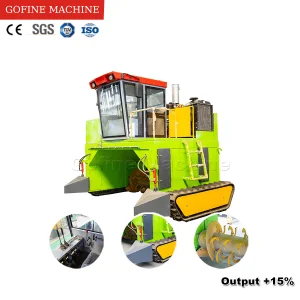
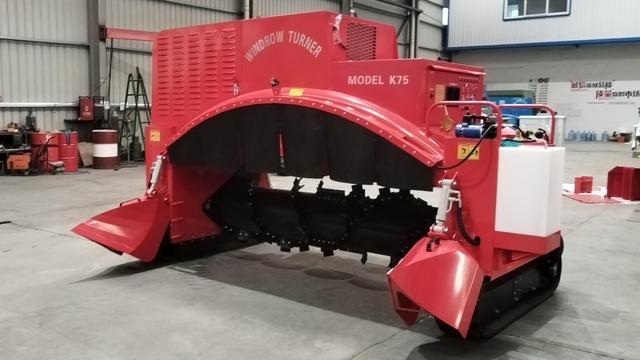
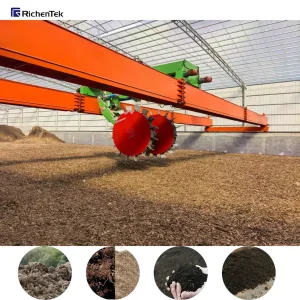
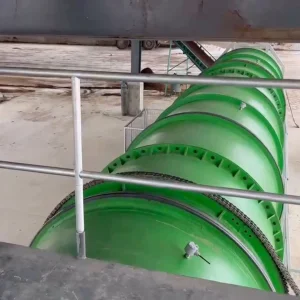
High-fibrous residues like sugarcane bagasse, straw, and crop husks require heavy mechanical pre-treatment. Our custom-designed Compost Turner Machines are engineered with reinforced rotors and customized blade configurations to process tough agricultural waste. These setups handle high ambient humidity and seasonal rains, converting bulk agricultural waste into quality organic fertilizers directly on site.
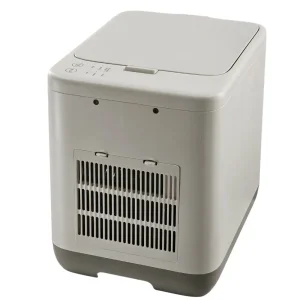
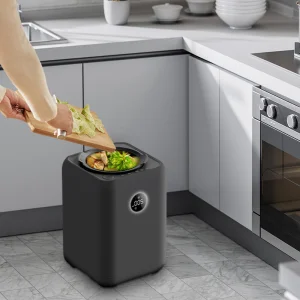
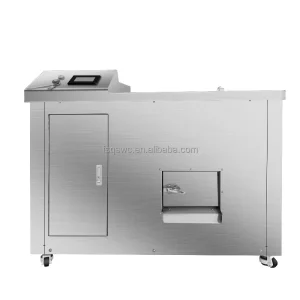
Urban commercial spaces face strict space constraints and zero-odor tolerance. For decentralized setups, our 100KG to 5000KG commercial food waste processors offer a plug-and-play solution. Features like built-in shredders, automatic moisture extraction, and dynamic air filtration make these units ideal for hotels, hospitals, and hypermarkets. They reduce food waste volume by up to 85% directly at the source, saving on haulage costs.
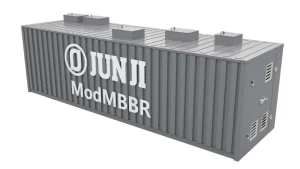
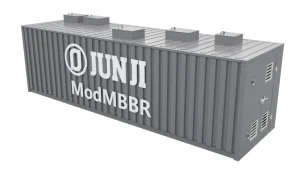
In remote communities, transporting municipal sludge is highly inefficient. Our remote sewage water purification systems and aerobic fermentation tanks handle the primary treatment of wastewater and the co-composting of wet biological solids. They combine primary wastewater treatment with bio-solid fermentation, helping remote facilities meet local safety standards and convert sludge into pathogen-free bedding and fertilizer materials.
Choosing Chengdu AgBio Energy as your OEM/ODM manufacturing partner provides significant logistical and structural advantages. Situated in Chengdu—a key high-tech manufacturing and logistics hub along the Belt and Road corridor—we benefit from integrated supply chains for precision electronics, structural steel, and hydraulic systems. This allows us to source raw materials, design, fabricate, and test customized equipment faster and more cost-effectively than manufacturers in North America or Western Europe.
Our production facilities maintain strict quality controls, with each system undergoing extensive stress, load, and electronic testing before shipping. By combining local metallurgical resources with advanced CNC machining, we offer premium municipal waste processing systems at competitive price points.
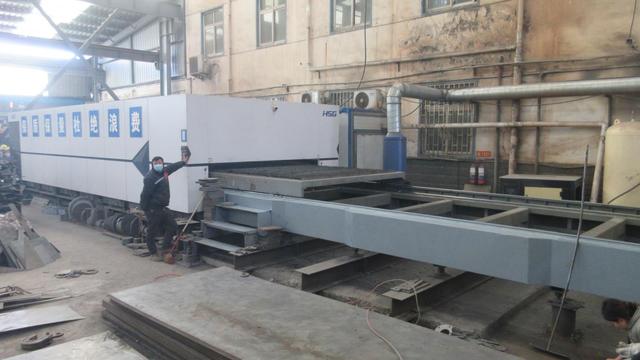
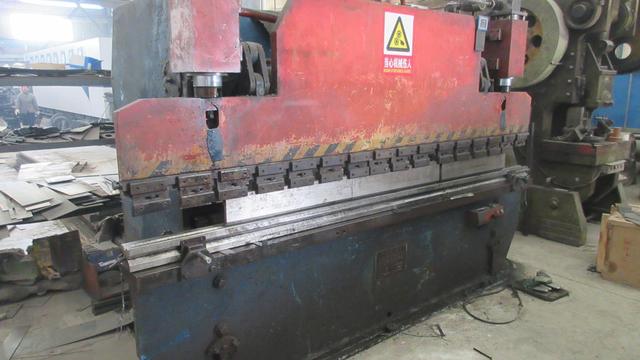
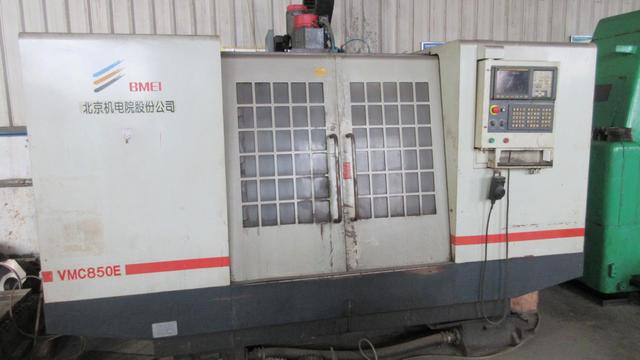
Deploying municipal waste systems requires compliance with diverse regional safety, electrical, and emissions standards. Our equipment is built to meet international specifications, including CE certification for European markets and UL-compliant components for North American electrical configurations. In terms of environmental safety, our closed-loop biological designs and advanced bioscrubber filtration prevent raw gas venting, aligning with European IPPC guidelines and clean-air regulations.
To support overseas partners, we offer comprehensive technical services, including remote PLC diagnostics, structural custom-fitting, and full CAD/3D documentation. Our engineering support spans from site-planning and initial installation to commissioning and optimization, ensuring seamless integration with existing municipal infrastructures.
Continuous flow machinery and treatment equipment optimized for agricultural reclamation and commercial waste recovery.
Detailed professional answers to common questions about municipal and industrial composting systems.
Our composting machines utilize heavy-duty, anti-corrosion carbon steel treated with dual-component epoxy coatings, or structural stainless steel (SUS304 or SUS316) for all contact surfaces. This protects the equipment from organic acids and high moisture levels, preventing rust and wear in demanding composting operations.
Our In-Vessel Composting Fermentation systems operate under continuous negative air pressure, keeping all gases sealed inside. The exhaust air is routed through multi-stage biofiltration systems and chemical scrubbers. This setup effectively captures and breaks down ammonia, hydrogen sulfide, and other VOCs before clean air is released.
Yes. Our equipment is engineered for high-moisture agricultural wastes. By adding structured bulking agents (like sawdust or straw) and utilizing automated paddle and rotor configurations, our systems balance oxygen levels and manage moisture, transforming wet manure into stabilized organic fertilizer.
We provide full customization, including adjusting processing capacities (up to 10 tons/day or more), configuring structural layouts to fit existing sites, integrating specific Siemens/OMRON PLC automation systems, and offering dual-drive options (electric/hydraulic) to match local energy resources.
Our systems keep organic material in the thermophilic stage (55°C to 65°C) for at least 72 hours. This sustained high temperature complies with international sanitary standards, destroying pathogens, weed seeds, and insect larvae, leaving a clean, nutrient-rich soil conditioner.
 AgBio Energy