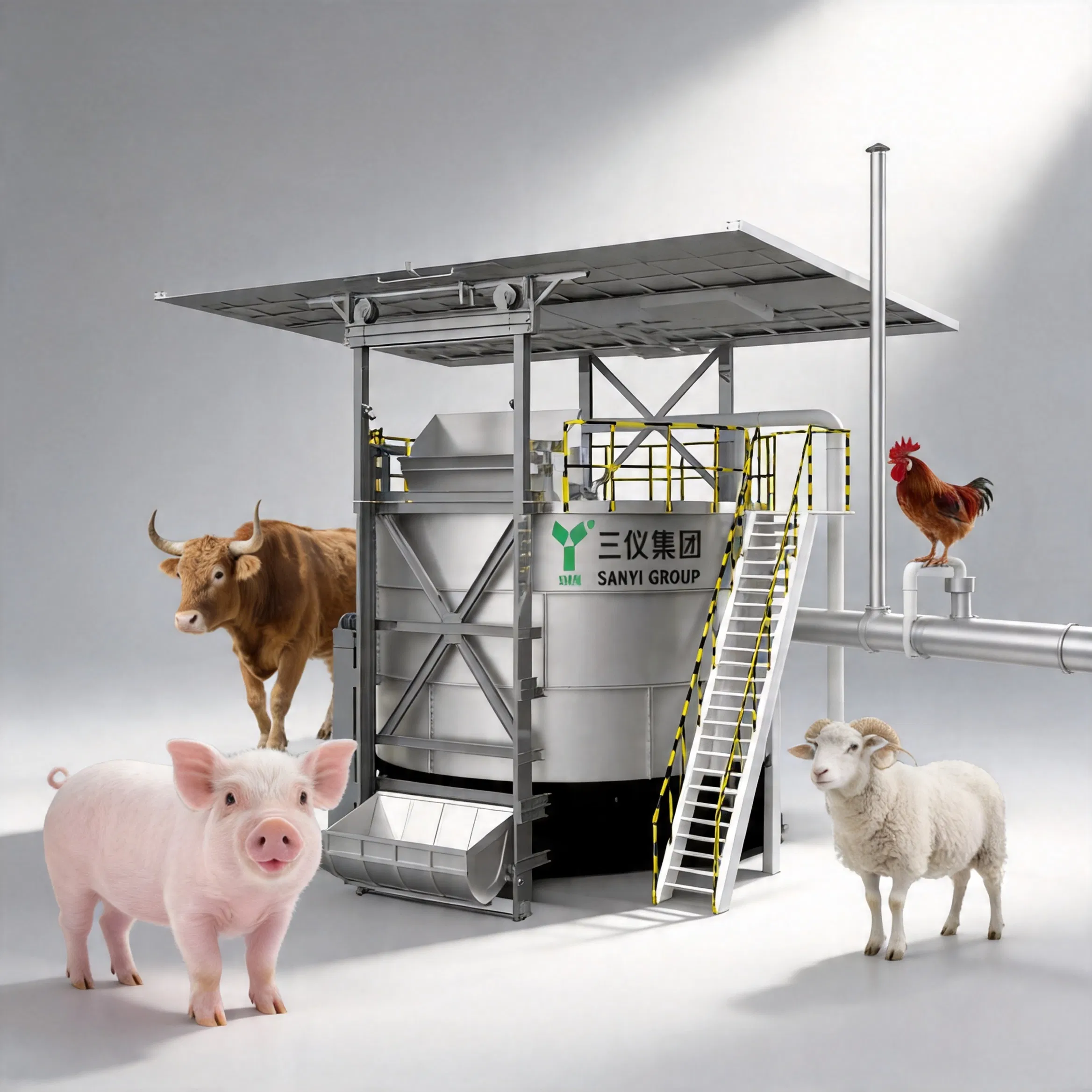
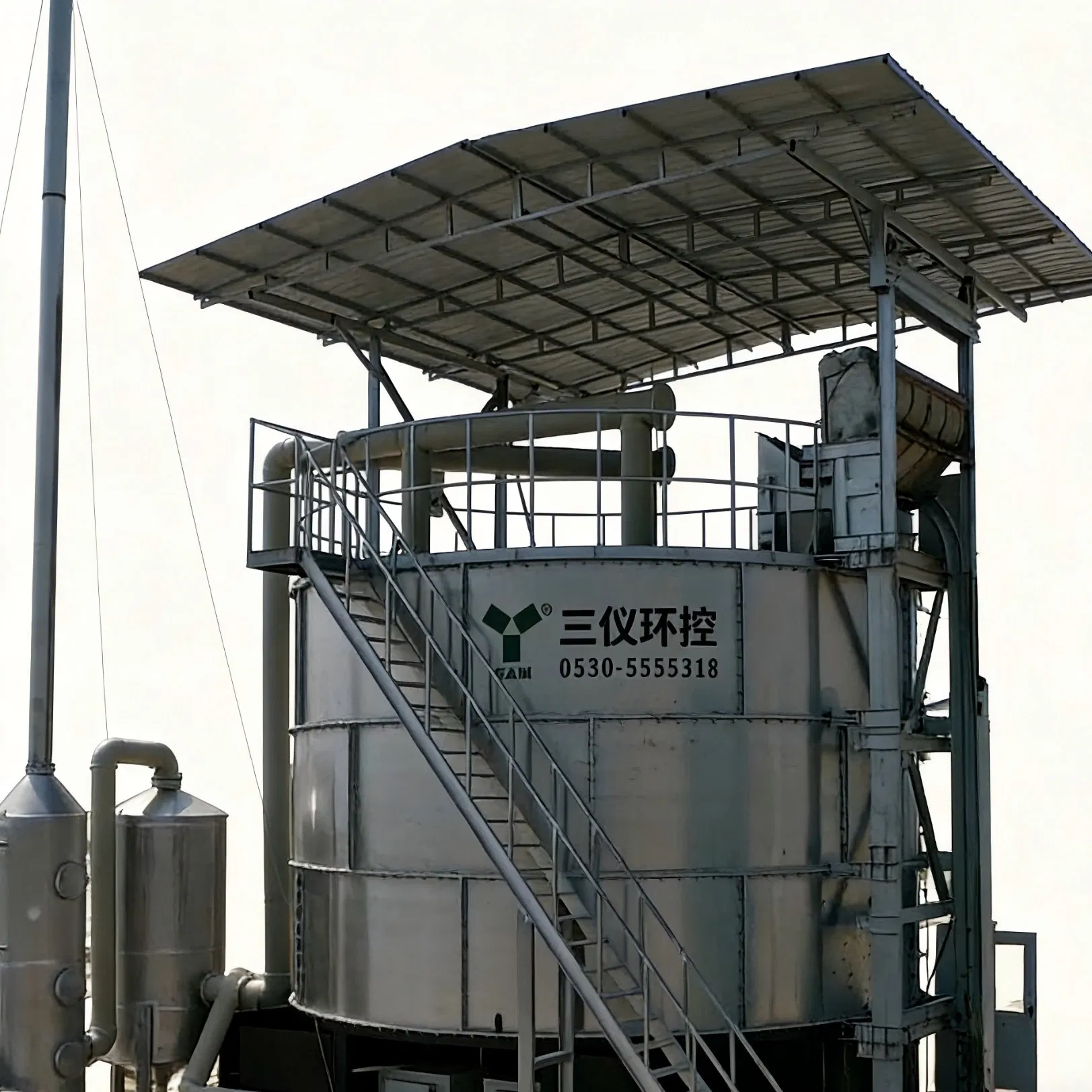
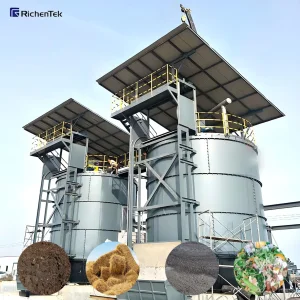
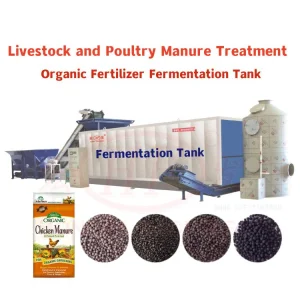
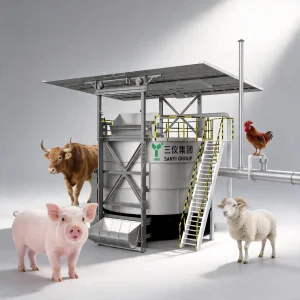
The 2.0 version energy-saving fermentation tank utilizes four major energy-saving technologies to achieve an effective energy saving of 40%. Taking manure with a water content of 75% as an example, the power consumption per ton is significantly reduced compared to traditional versions.
Equipment Introduction:
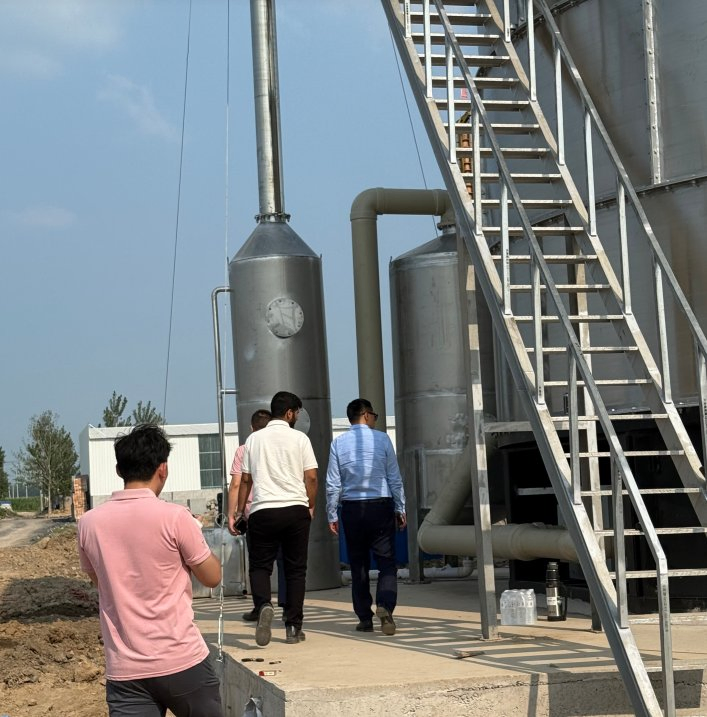
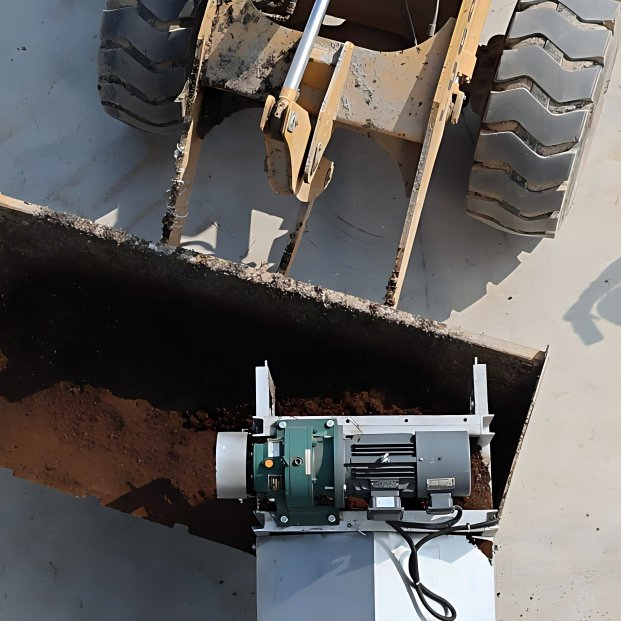
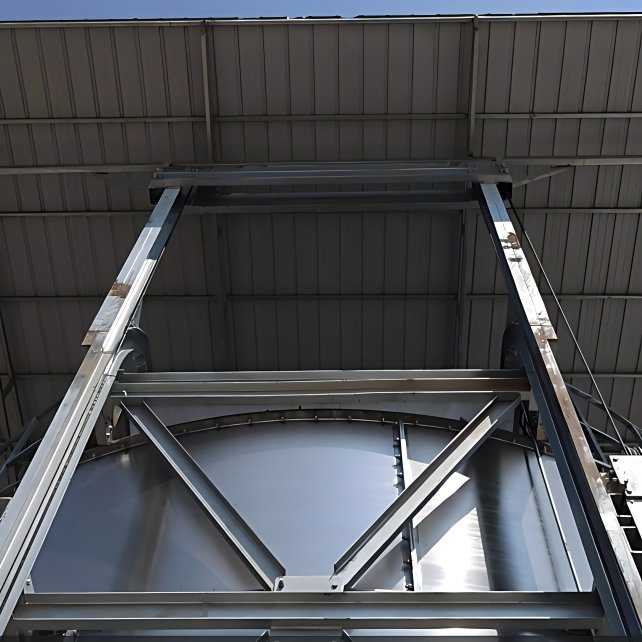
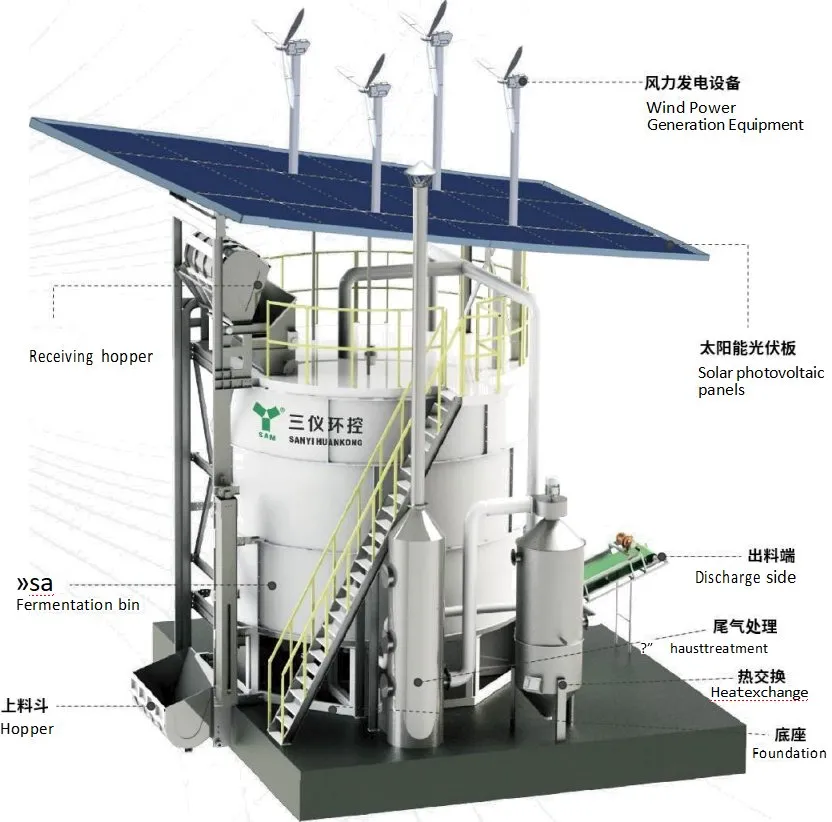
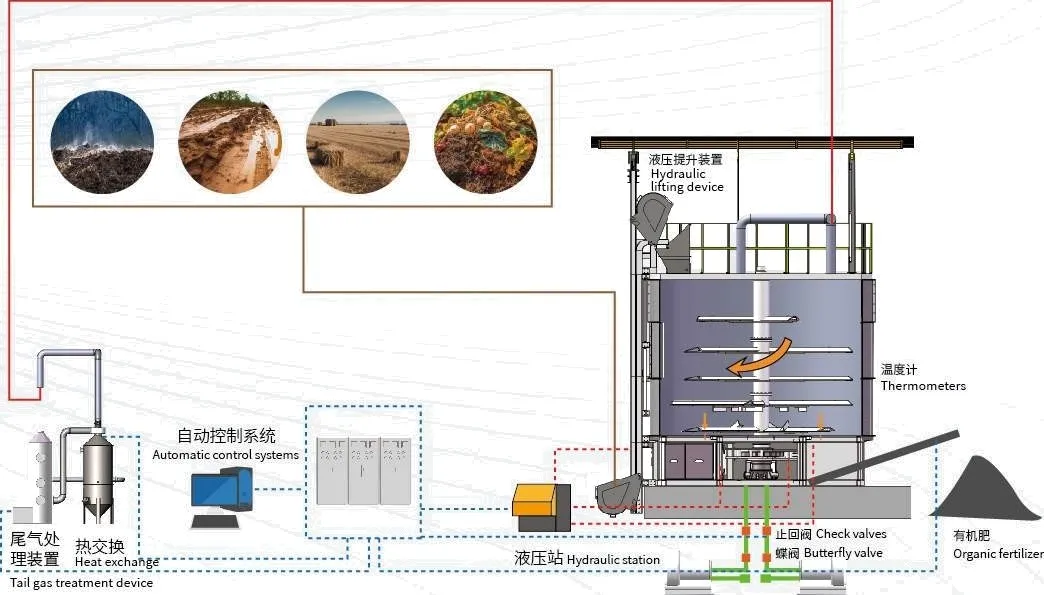
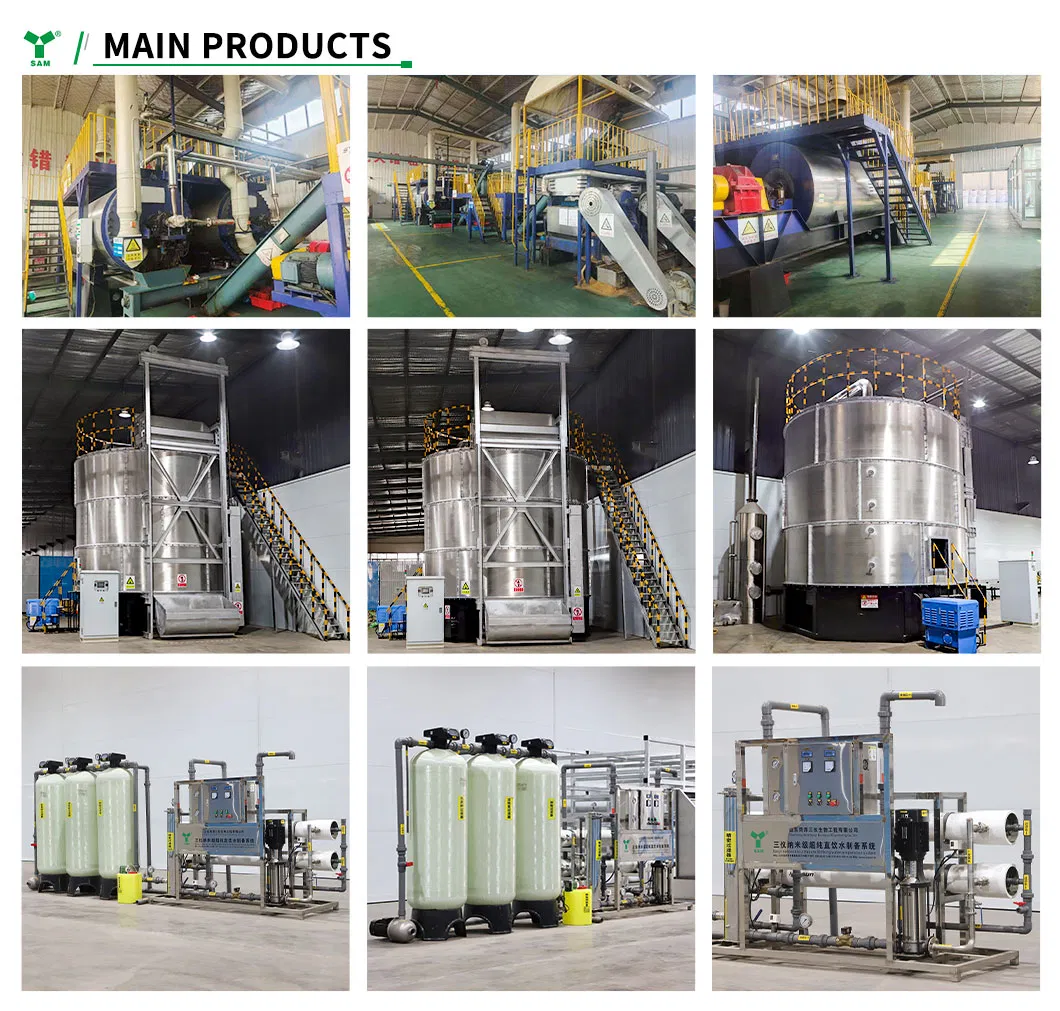
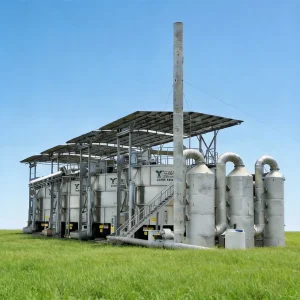
The structure includes a base with hydraulic stations, scroll air pumps, and heating systems. The middle features double-layer insulated tanks with a 304 stainless steel inner wall and polyurethane foam insulation. The upper part includes testing platforms and exhaust facilities. Integrated bucket elevators and deodorizing systems are included.
Process Principle & Advantages
Livestock manure is processed through intelligent aerobic fermentation at high temperatures (65-75°C), killing pathogens and converting waste into soil-friendly organic matter.
Short Cycle
Resource utilization realized in approximately 15 days with daily input and output.
Environmental Compliance
Biological deodorization and multi-layer filtration ensure gas discharge standards are met.
High Automation
PLC control allows a single person to manage the entire fermentation process.
Small Footprint
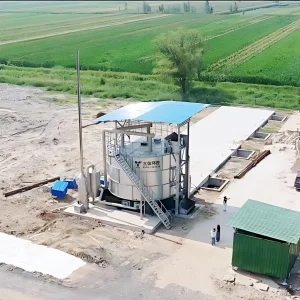
Single units require only 70-105 square meters depending on the specific model.
Application Scenarios
Suitable for organic waste treatment including chicken manure, pig manure, sludge, kitchen waste, and agricultural residues.
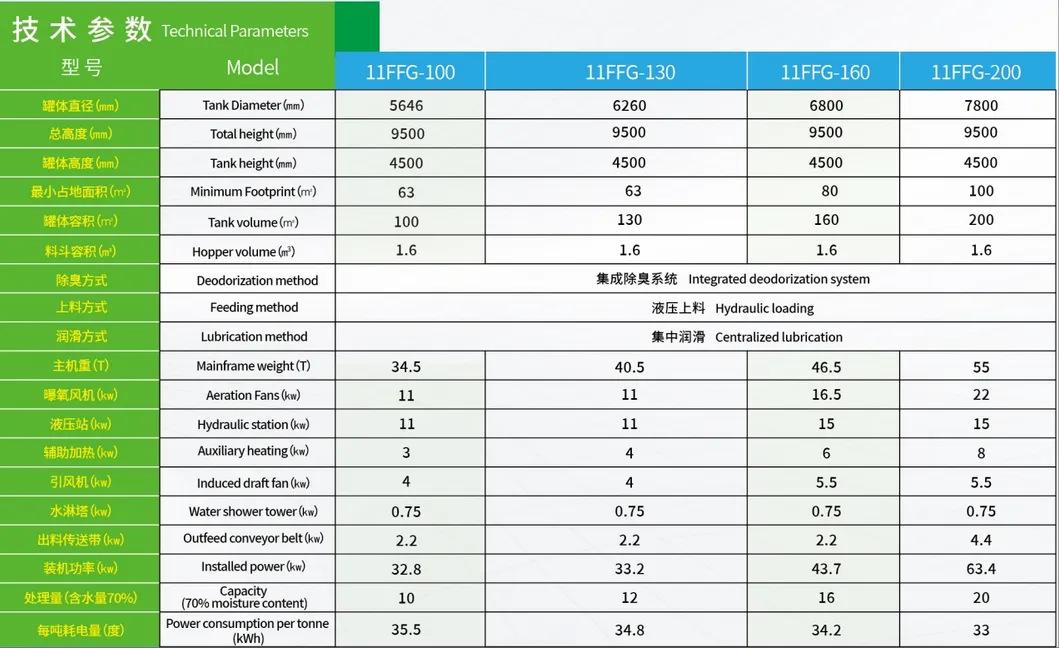
Technical Data
Manufacturing Excellence
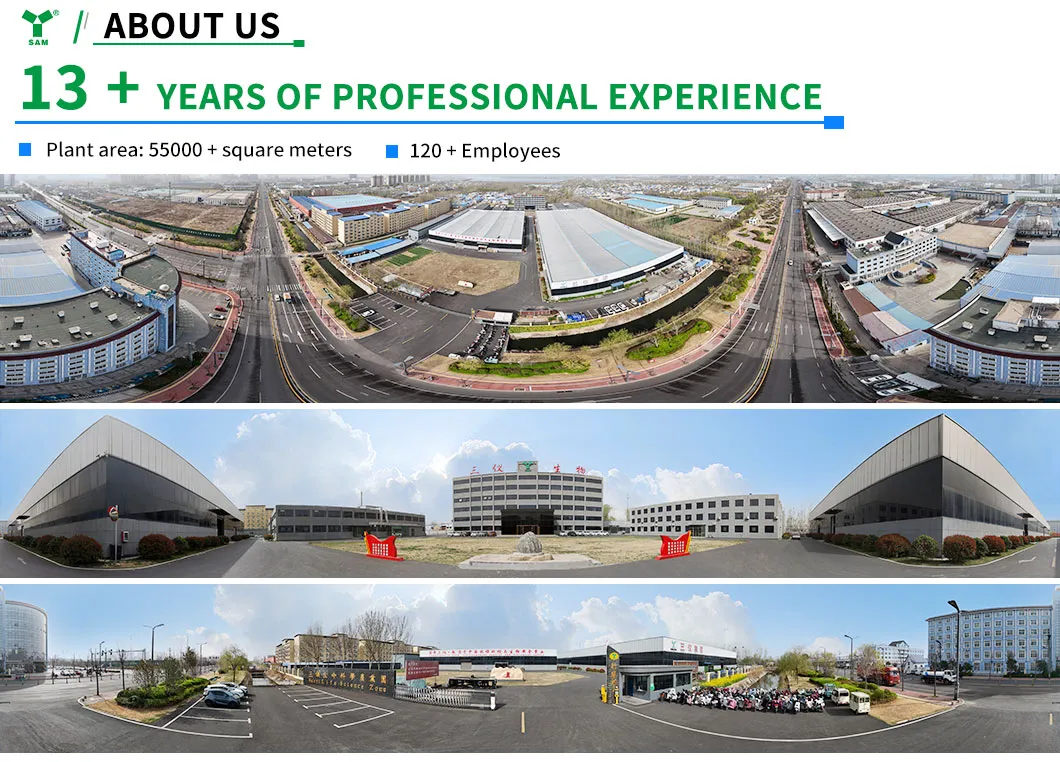
Established in 1998, the group's industries cover animal husbandry, environmental protection, biological drugs, and diagnostic preparations. With multiple production parks and 55,000 square meters of factory area, we focus on pasture disinfection and environmental solutions.
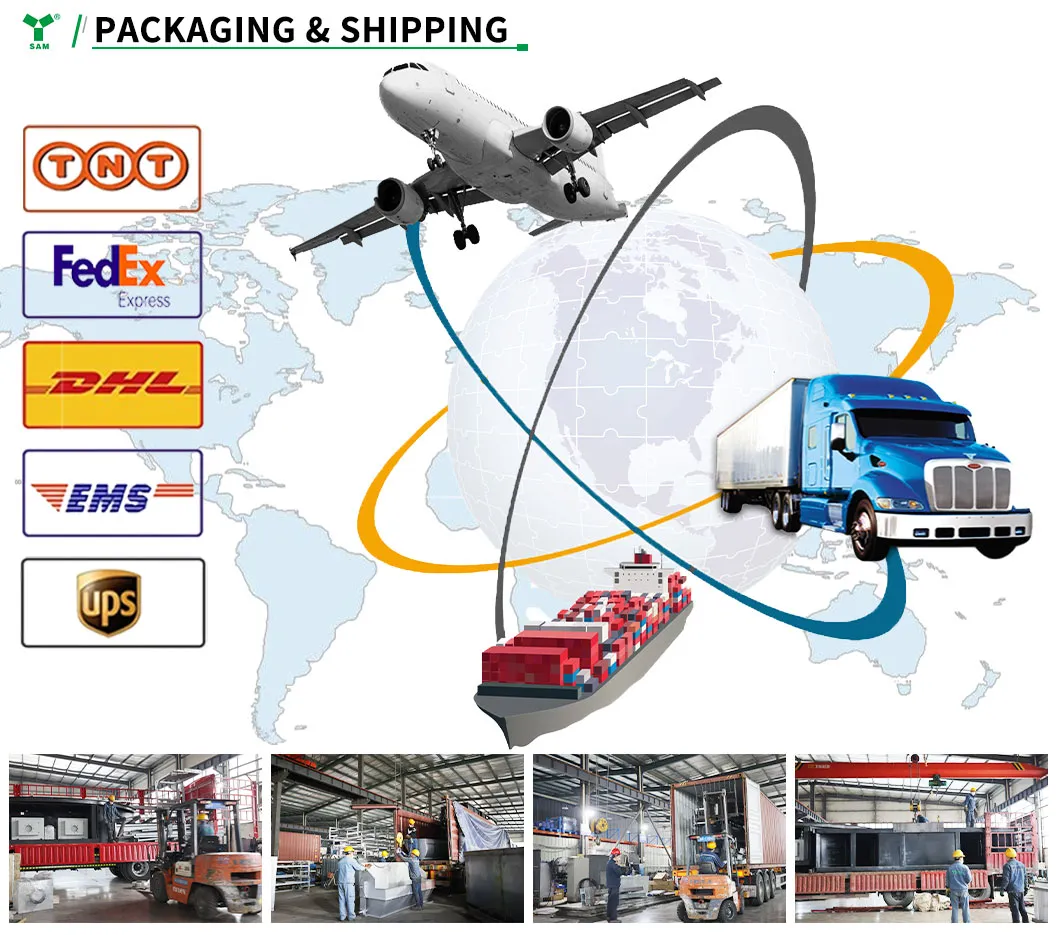
Packaging & Shipping
Frequently Asked Questions
What fields is the high temperature aerobic fermentation tank mainly used in?
It is primarily used for livestock and poultry manure composting (pig, chicken, cow), organic waste recycling (straw, garden waste), municipal sludge, kitchen waste, and fruit/vegetable waste treatment.
What information is needed before ordering?
We require your treatment process requirements, material quality reports (type of waste), maximum treatment capacity per day, and the intended use of the final product.
How long is the typical lead time?
Generally, the lead time is approximately 20 days, depending on your specific needs and the scale of the project.
Do you provide OEM services?
Yes, we provide high-quality OEM services and customized product solutions tailored to specific buyer requirements.
What additional support services do you offer?
We provide free technical support at any time and can assist in designing the entire treatment process for your waste management project.
How does the 2.0 version achieve 40% energy savings?
The 2.0 version incorporates four major energy-saving technologies including optimized heat exchange and advanced insulation, significantly reducing power consumption per ton of material processed.
 AgBio Energy