Industrial performance meets sustainable design
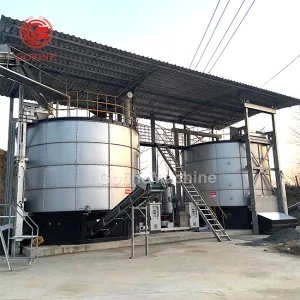
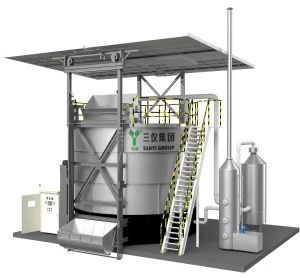
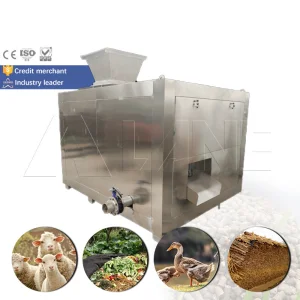
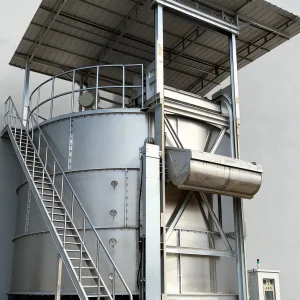
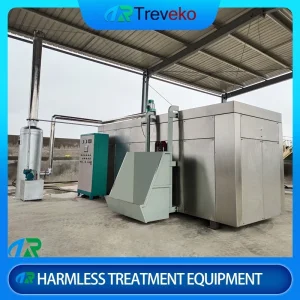
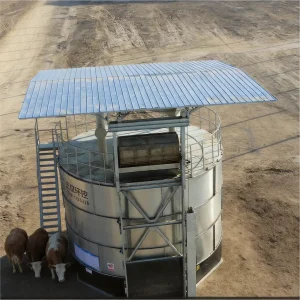
In the era of the Global Circular Economy, the management of organic waste has transitioned from a logistical burden to a strategic resource recovery opportunity. High-Temperature Composting Systems (also known as Thermophilic Composting) represent the pinnacle of this transition. Unlike traditional windrow composting, these closed-vessel systems utilize controlled aerobic environments to accelerate biological decomposition, reaching temperatures between 55°C and 75°C.
Volume Reduction
Processing Time
Pathogen Elimination
Secondary Pollution
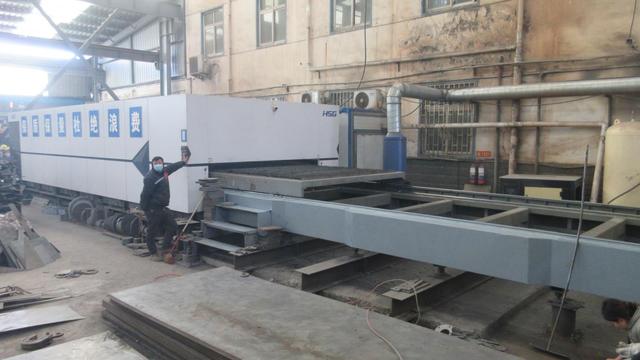
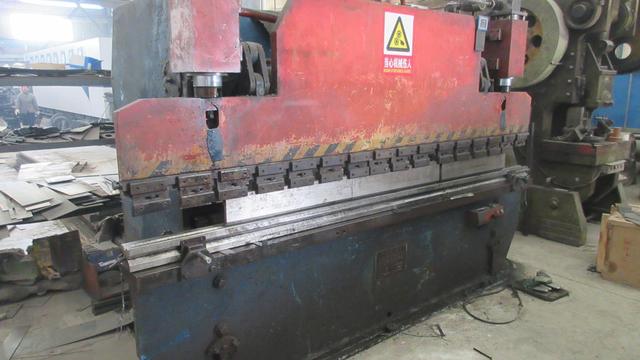
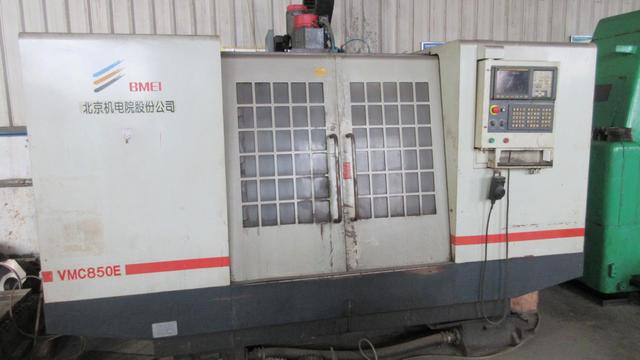
Factories like Chengdu AgBio Energy Co., Ltd. operate 16,000+ SQM facilities. By controlling the entire supply chain—from laser cutting of 304/316 stainless steel to the integration of Siemens PLC control systems—Chinese suppliers offer unmatched quality-to-cost ratios.
The "AI Tech" feel isn't just aesthetic. Modern Chinese composting systems feature IoT sensors that monitor moisture, oxygen, and temperature levels in real-time, feeding data to cloud-based management systems for remote optimization.
Whether it's a 1-ton unit for a luxury hotel or a 100m³ vessel for municipal sludge, China's manufacturing infrastructure allows for lead times that are 30-50% shorter than European or North American counterparts.
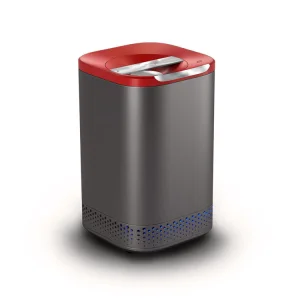
Compact, odorless systems for hotels and shopping malls that transform food waste into organic fertilizer on-site, reducing transport emissions.
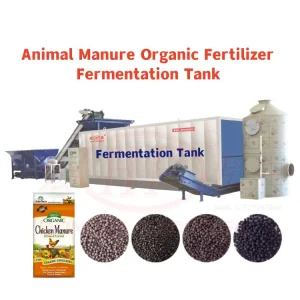
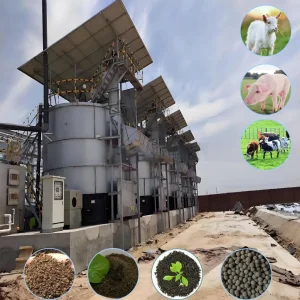
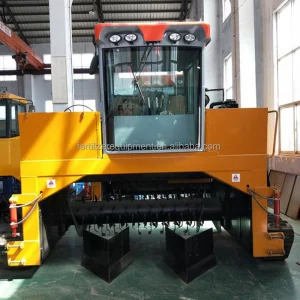
Large-scale aerobic tanks for livestock manure management, turning poultry and cow dung into high-value Water Soluble Fertilizer (WSF).
Integrated solutions for urban sludge and green waste, assisting city governments in achieving "Zero Waste City" certifications.
Established in 2013, Chengdu AgBio Energy Co., Ltd. is more than just a manufacturer; it is a specialized engineering powerhouse. Headquartered in Sichuan, China, the company has spent over a decade perfecting the science of organic waste bioconversion. With a workforce of 230+ professionals, they deliver solutions that bridge the gap between waste generation and agricultural replenishment.
Their portfolio includes everything from Smart Waste Treatment Systems to Laboratory Waste Water Treatment, ensuring that every byproduct of human and industrial activity can be safely returned to the environment.
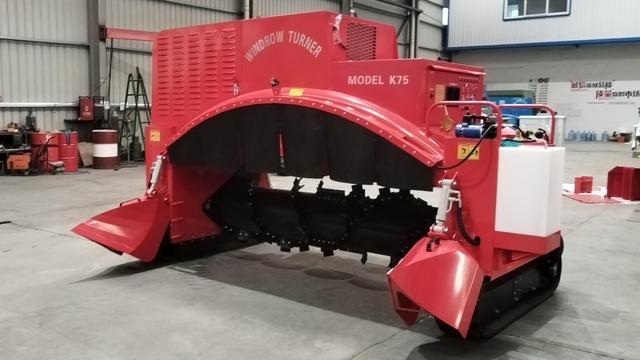
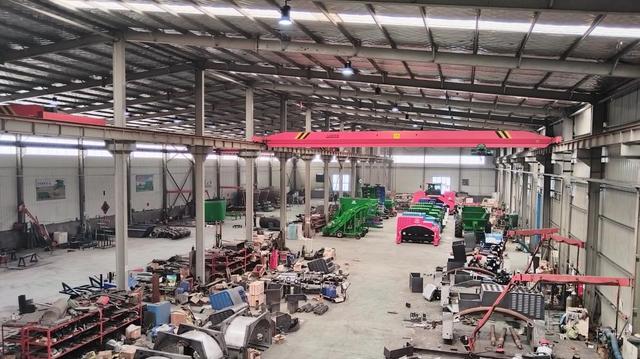
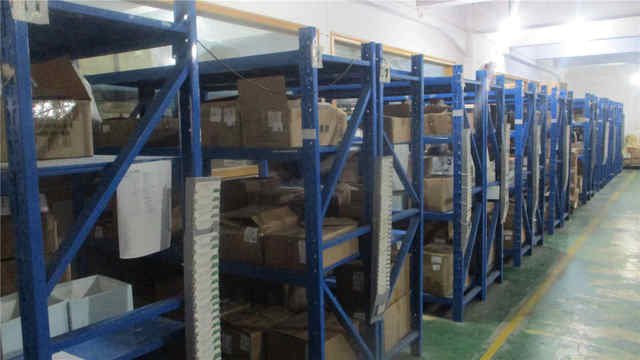
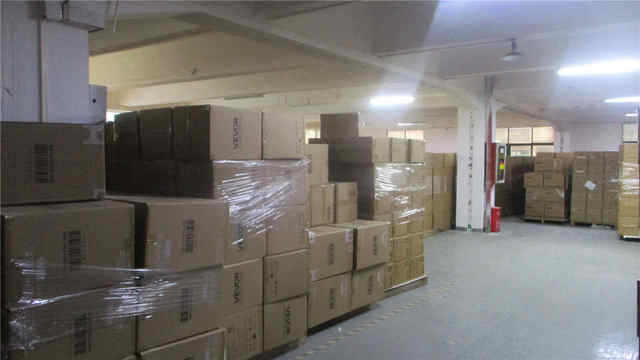
Expert insights into high-temperature composting technology
By 2030, global regulations are expected to mandate that 70% of organic waste be diverted from landfills. High-temperature composting systems are the primary technology capable of meeting this demand at scale. As a leading supplier and exporter, Chengdu AgBio Energy continues to innovate in the fields of carbon sequestration and nutrient density, ensuring that today's waste becomes tomorrow's foundation for food security.
 AgBio Energy