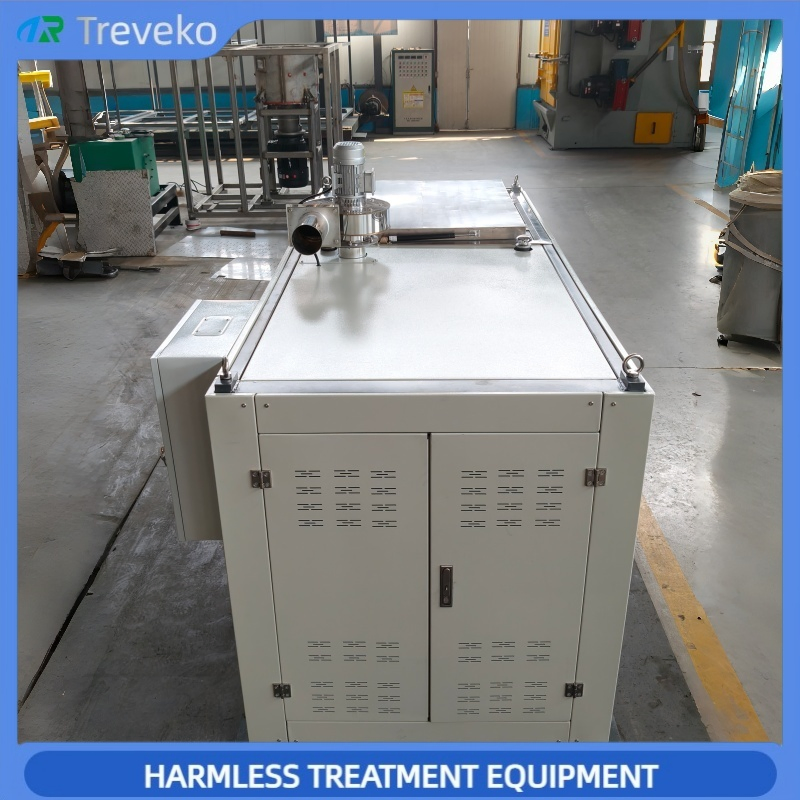
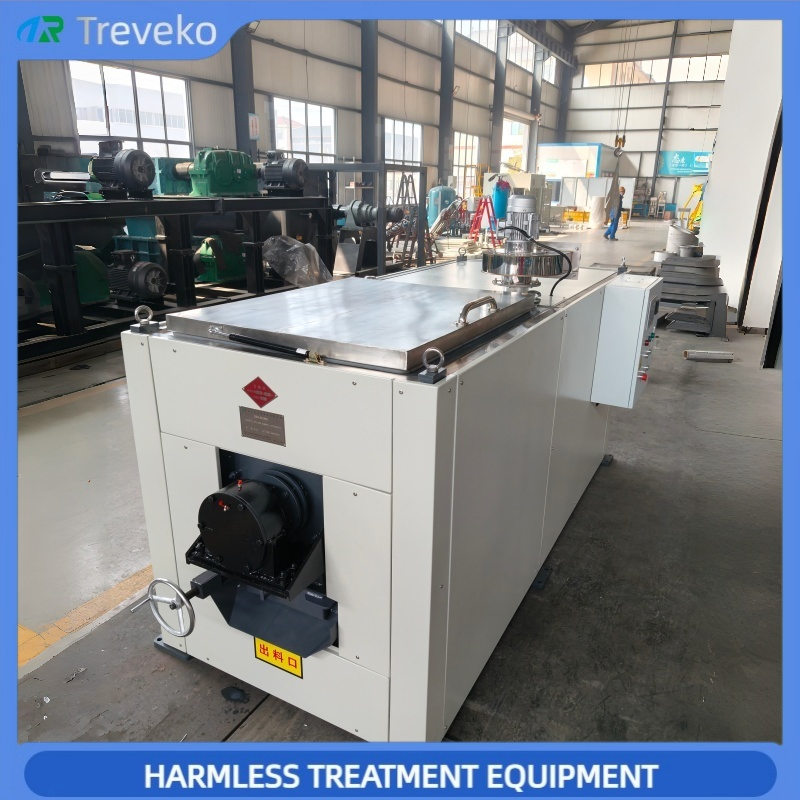
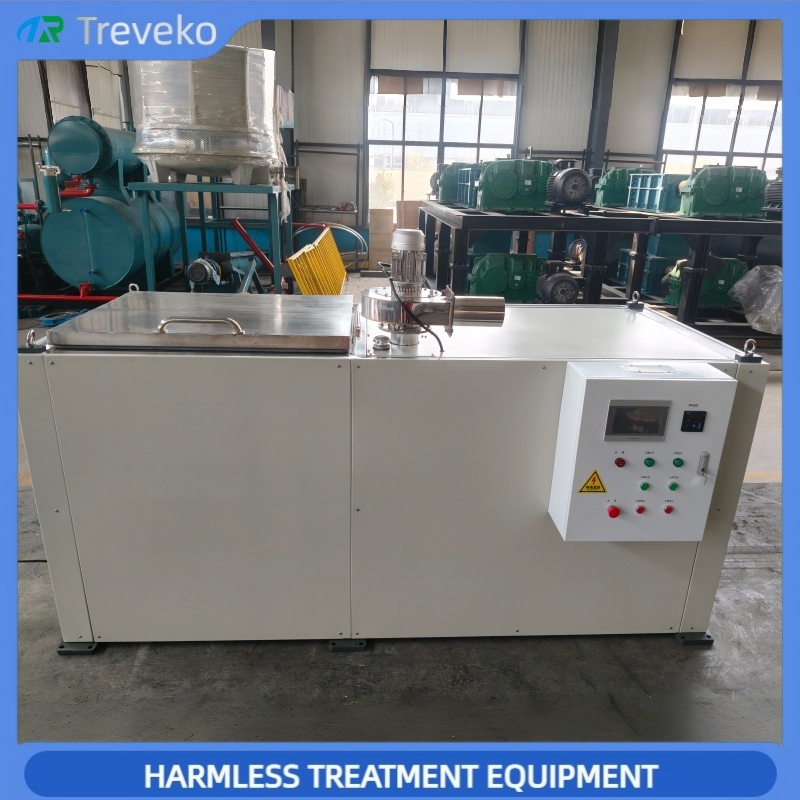
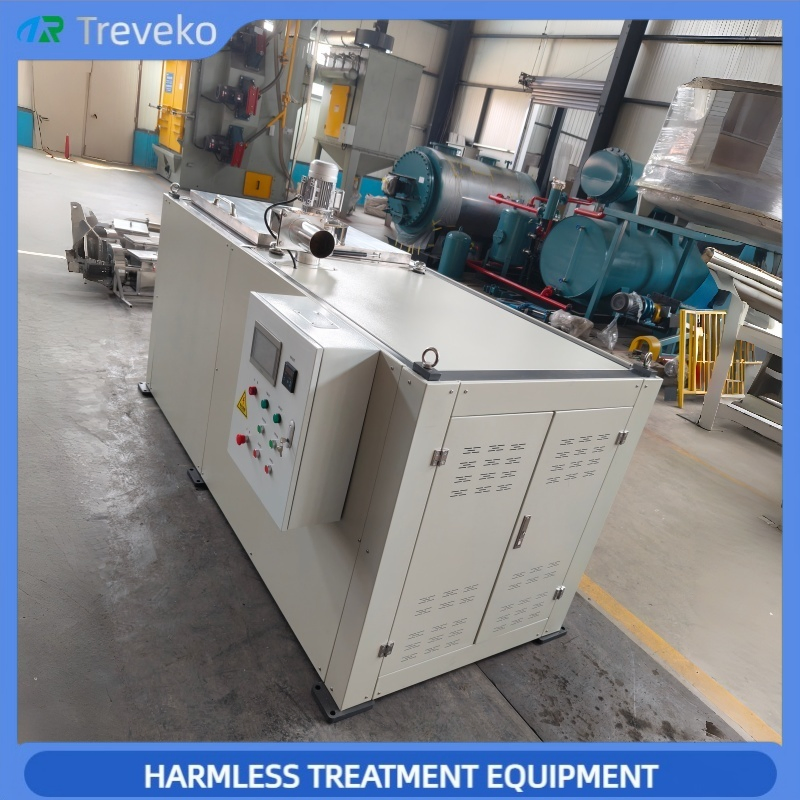
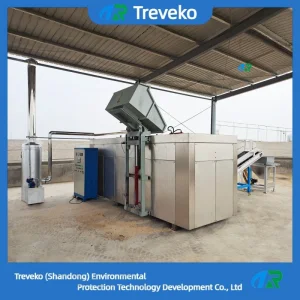
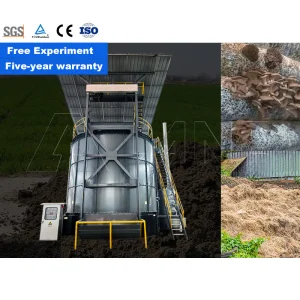
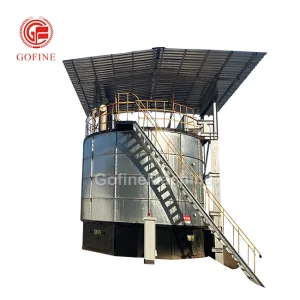
Organic Fertilizer Production Fermentation Machine for Farm Dead Animal Composting

Still deciding? Get samples of $ !
Order Sample

Product Description

📋

Basic Information

Model NO.:TR-FJJ/ST-1500
Condition:New
Certification:CE
Automation:Automatic
Screw:Twin-Screw
Treatment:Broken
Storage Capacity:4.5m³
Processing Capacity:2000kg/Batch
Main Unit Power:7.5kw
Spindle Speed:2r/Min
Heating Method:Heat Transfer Oil
Control System:PLC
🔍

Product Description

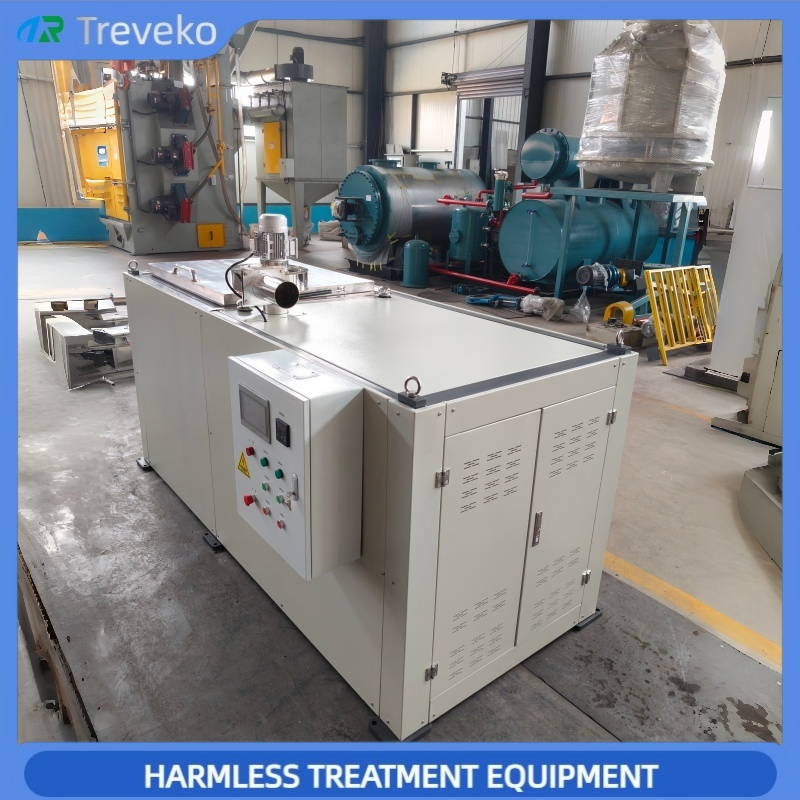
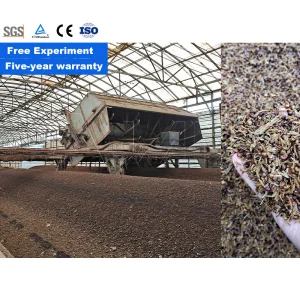
Fermentation Machine 1
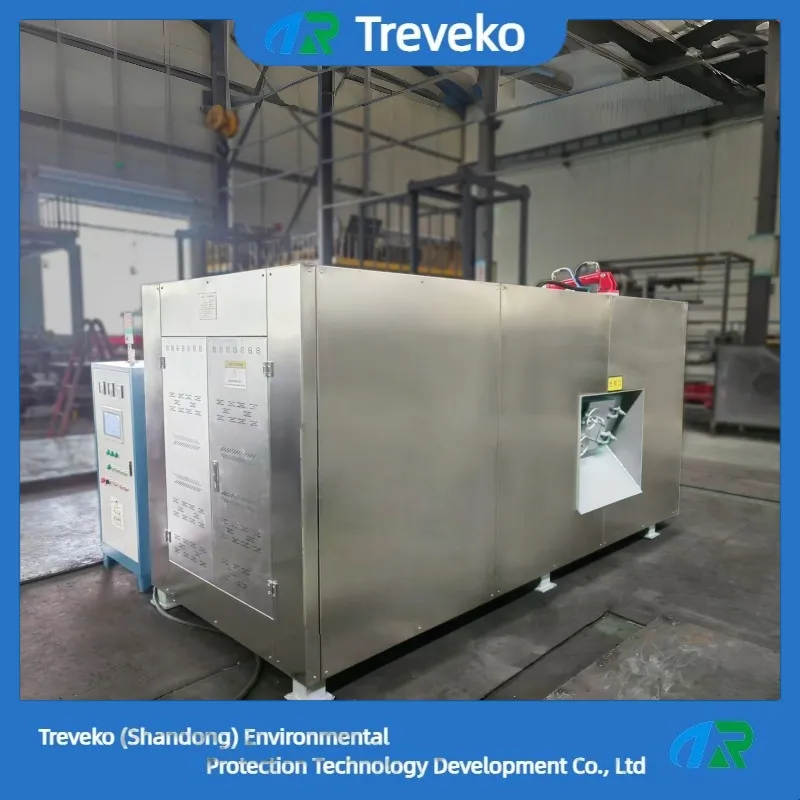
Fermentation Machine 2

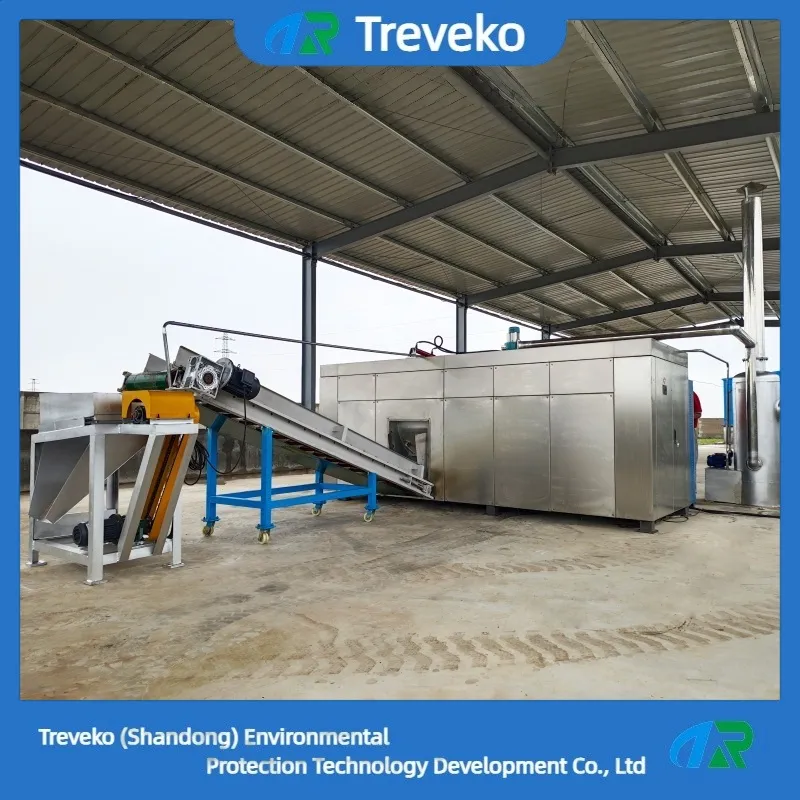
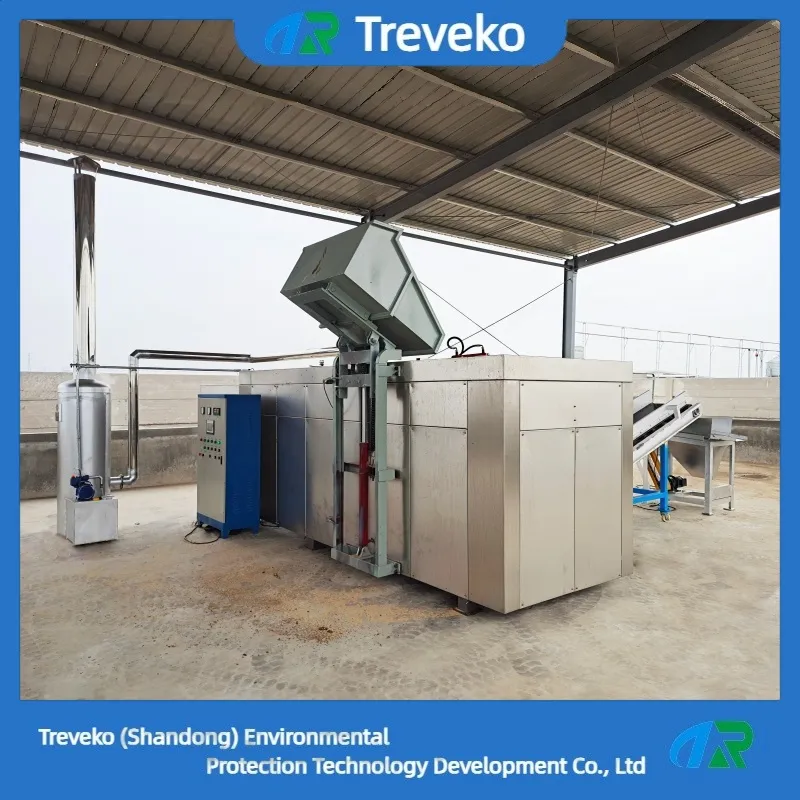
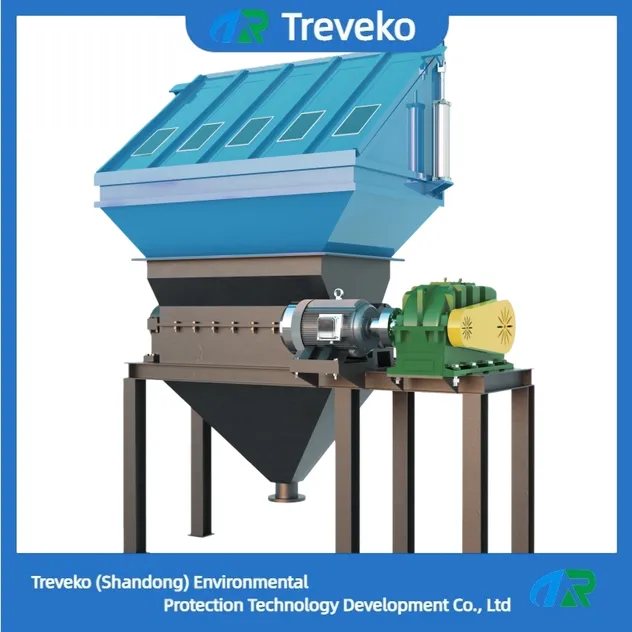
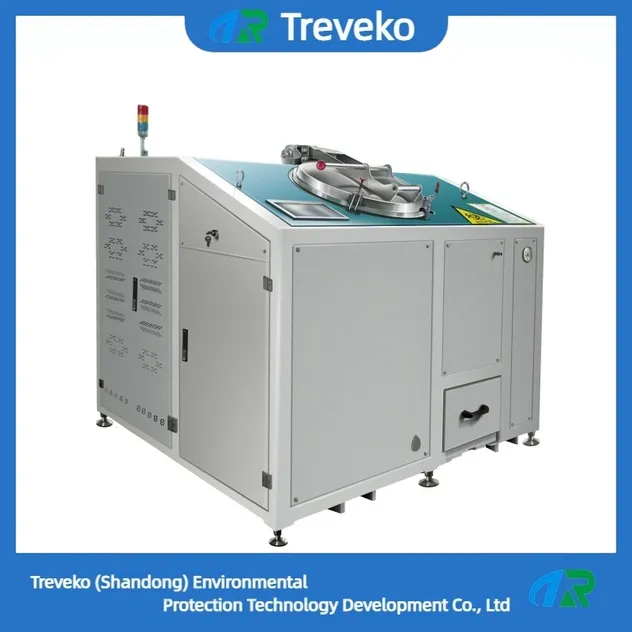
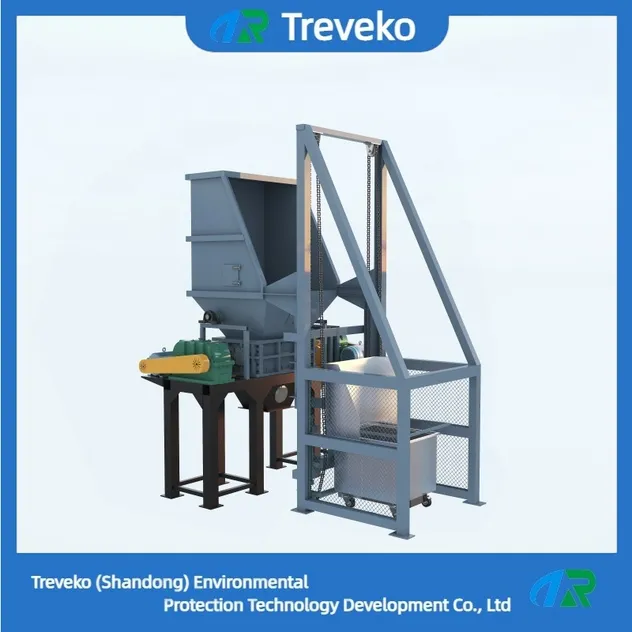
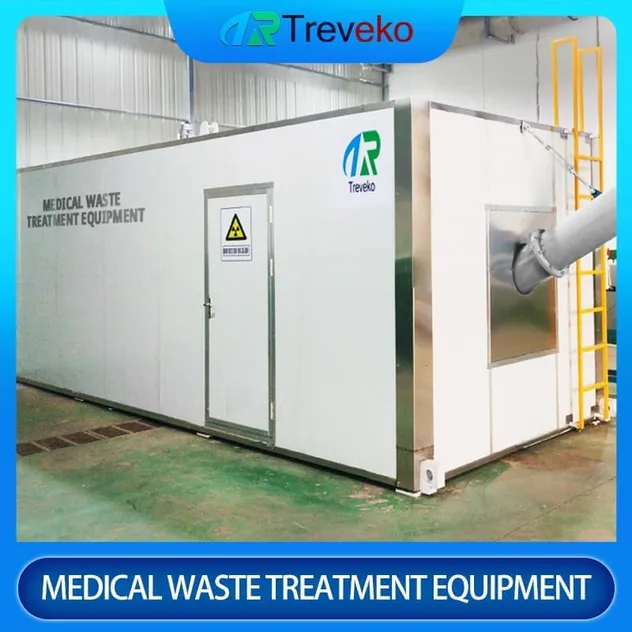
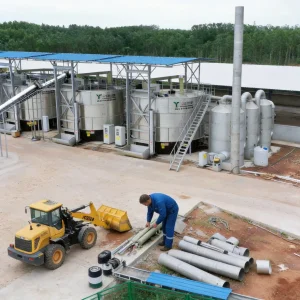
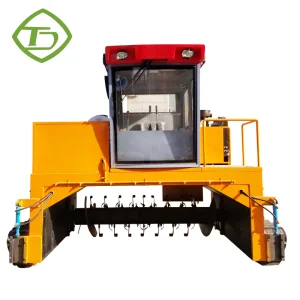
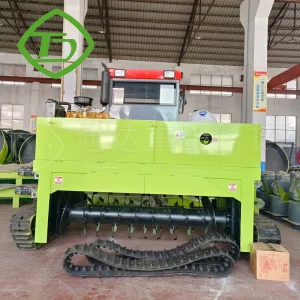
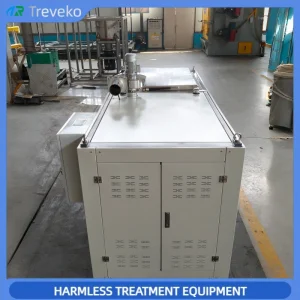
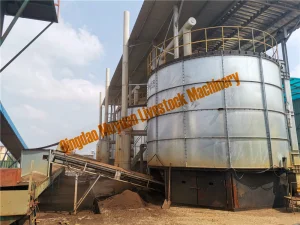
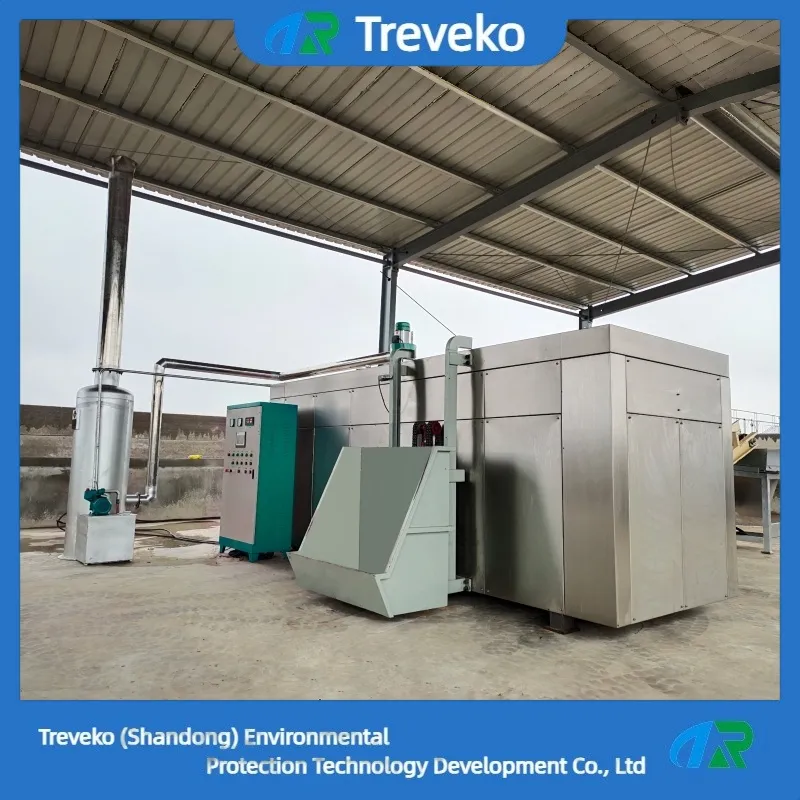
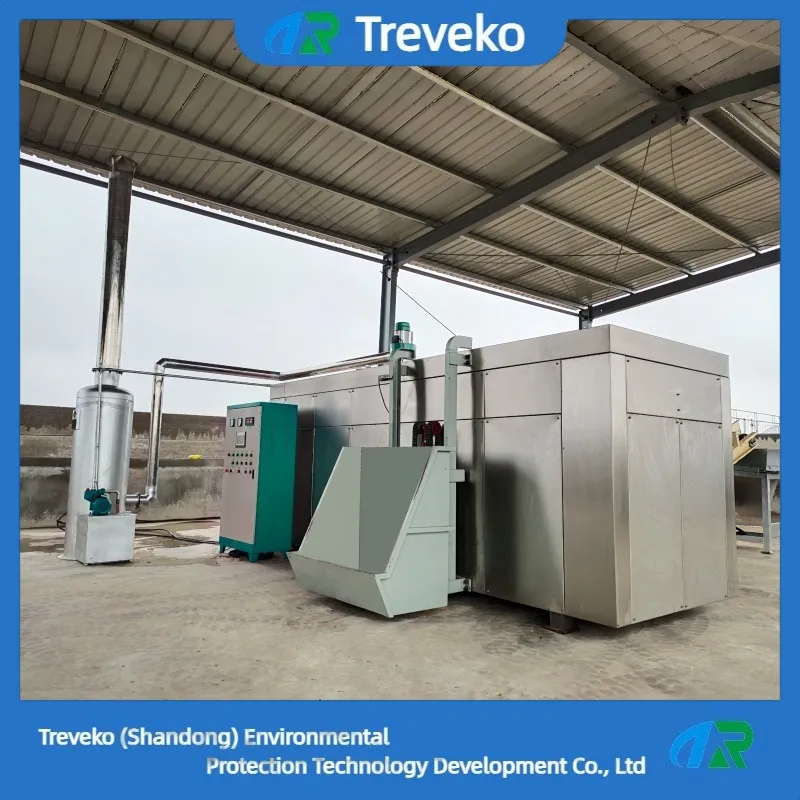
This high-temperature biodegradation equipment is a professional integrated solution for dead animal carcass disposal in large-scale breeding farms, combining crushing, high-temperature aerobic fermentation sterilization, screening and odor treatment in one system. Composed of a material hoist, dead animal crusher, screw/belt conveyors, aerobic fermentation machine, rotary screen, odor treatment system and PLC control system, it features full automated operation: dead animals are crushed to about 50mm fine material, then conveyed for high-temperature aerobic fermentation sterilization.

Available in 700kg/1000kg/1500kg/2000kg/3000kg batch capacities, it meets disposal needs of various farm sizes. Made of high-quality materials—high-carbon structural steel, special alloy steel blades, and stainless steel screen—it ensures durability. The compact integrated design with PLC control, one-key start and touch screen for real-time parameter display realizes high automation and easy operation.
⚙️

Equipment Characteristics

Equipment characteristics
High Efficiency & Optimal Treatment: Carcasses are crushed to 50mm particles, increasing microbial contact for uniform, thorough fermentation and high sterilization efficiency.
Rational Structure & Durable Quality: Hoist frame made of high-quality carbon structural steel; crushing blades use special alloy steel with anti-winding design.
Integrated Compact Design: Saves on-site installation space and adapts to different farm layouts.
High Automation: PLC control system with one-key start and real-time parameter display on a touch screen.

Product Features

Features 1
Features 2
Multiple processing capacities available for wide adaptability.
Core components made of carbon steel, alloy steel, and stainless steel.
Heat conduction oil heating with 50mm insulation rock wool.
Equipped with odor treatment system for environmental compliance.
Processed materials are converted into high-efficiency organic fertilizer base.
📊

Specification

Model Chamber Dimensions (mm) Storage Volume Processing Volume Main Unit Power Spindle Speed External Dimensions
TR-FJJ/ST-700 U1000x2000 2.0m³ 700KG/batch 4kw 2R/min 4280x1460x1900
TR-FJJ/ST-1000 U1100x2400 2.8m³ 1000KG/batch 4kw 2R/min 4680x1540x2000
TR-FJJ/ST-1500 U1200x2700 3.9m³ 1500KG/batch 5.5kw 2R/min 5240x1600x2100
TR-FJJ/ST-2000 U1300x3200 4.5m³ 2000KG/batch 7.5kw 2R/min 5700x1700x2230
🛠️

Other Products

Other 1
Other 2
Other 3
Other 4
Other 5
Other 6
🤝

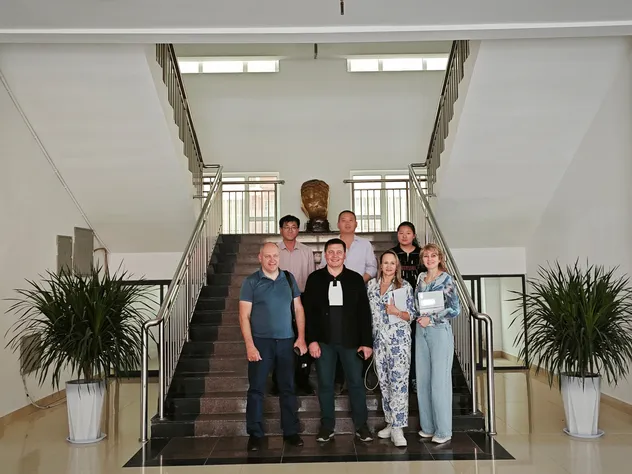
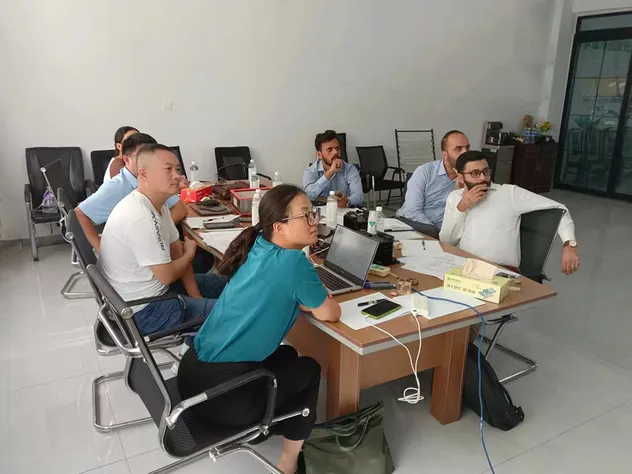
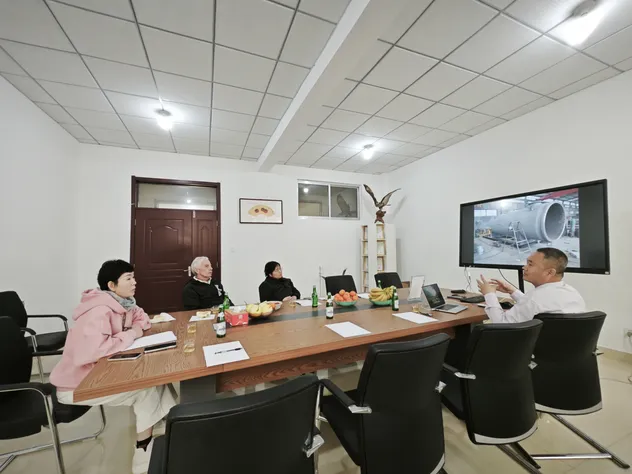
Customer Visits

Visit 1
Visit 2
Visit 3

Frequently Asked Questions

Q1: What is the main application of this equipment?
A: It is specifically designed for the safe and efficient disposal of dead animal carcasses in various large-scale livestock and poultry breeding farms.
Q2: How does the processing principle work?
A: Dead animals are first crushed into 50mm particles, then undergo high-temperature aerobic fermentation for sterilization. The final product is a nutrient-rich organic fertilizer base.
Q3: What are the available capacity specifications?
A: We offer several models with batch processing capacities of 700kg, 1000kg, 1500kg, 2000kg, and 3000kg to suit different farm requirements.
Q4: How does the system handle odors during processing?
A: The equipment is equipped with a professional odor treatment system. Odors are collected and purified by a spray deodorization tower to ensure environmental compliance.
Q5: Is the equipment easy to operate for farm staff?
A: Yes, it features an intelligent PLC control system with a one-key start function and a touch screen that displays real-time parameters, minimizing manual intervention.
Q6: What materials are used for the key components?
A: The core components use high-carbon structural steel, special alloy steel for blades, and stainless steel for screens to ensure long-term durability and corrosion resistance.

Related Products