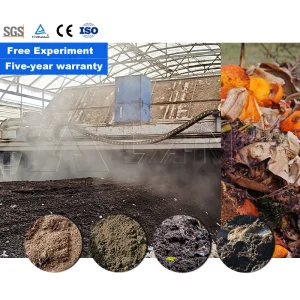
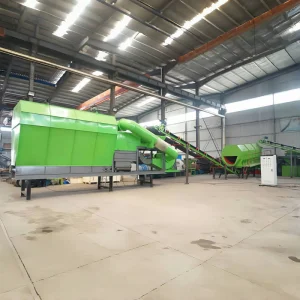
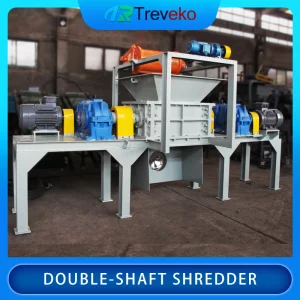
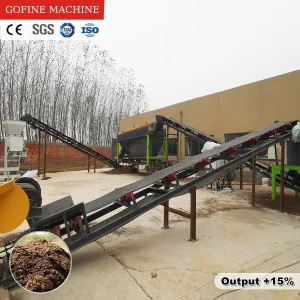
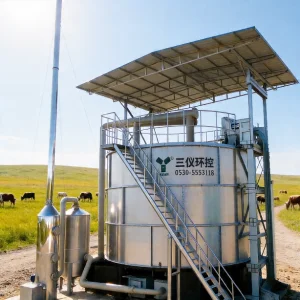
High-throughput machinery engineered for organic fraction waste sorting, shredding, and fast thermophilic composting.
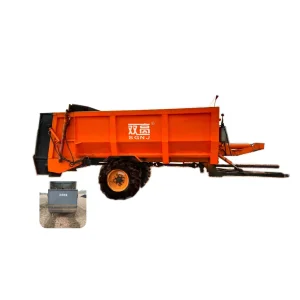
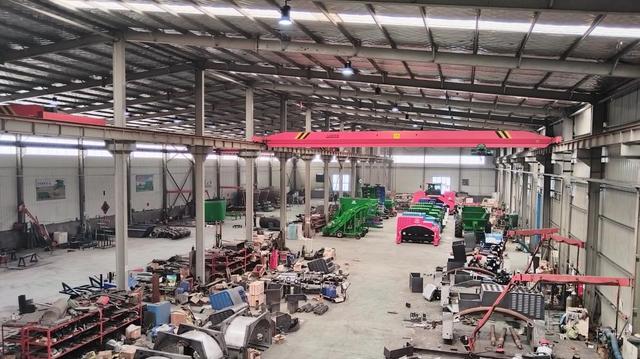
Established in 2013 and headquartered in Chengdu, Sichuan Province, China, Chengdu AgBio Energy Co., Ltd. has grown into a world-class premier manufacturer specializing in high-performance organic waste treatment machinery. Operating out of a state-of-the-art 16,000 square meter fabrication facility and utilizing the expertise of over 230 dedicated environmental engineering professionals, the company leads global initiatives to divert organic waste from landfills and convert biomass into high-value bio-fertilizers.
AgBio Energy integrates modern process engineering, customized control systems, and robust mechanical structures. Their machinery is specifically designed to withstand the corrosive and highly humid environments characteristic of organic residue degradation, serving municipal waste operators, large agricultural projects, and industrial composting plants globally.
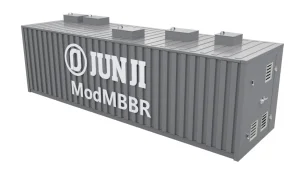
From design optimization to after-sales support, their professional team handles complex turnkey projects, including customized structural frameworks, PLC-integrated automation systems, and modular aerobic fermentation units that meet strict global compliance parameters.
Sqm Production Facility
Active Staff & Engineers
Years of R&D Excellence
Exporting Countries
Optimized process systems designed to handle diverse organic streams and generate high-grade agricultural amendments.
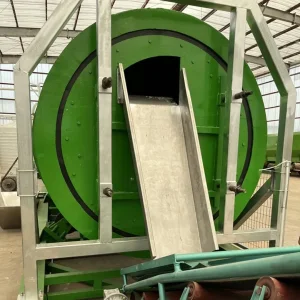
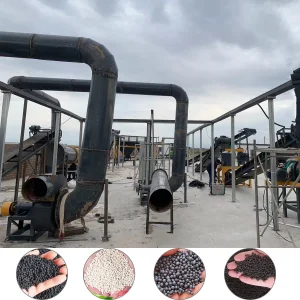
With city garbage management rules tightening worldwide, municipal waste requires heavy-duty sorting and size reduction solutions. AgBio Energy's integrated separation lines isolate high-moisture organic fractions (OFMSW) from plastics, routing them to dynamic drum composters or lane-type compost systems, resulting in clean municipal soil conditioners.
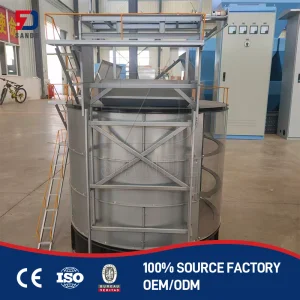
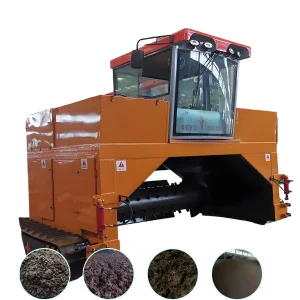
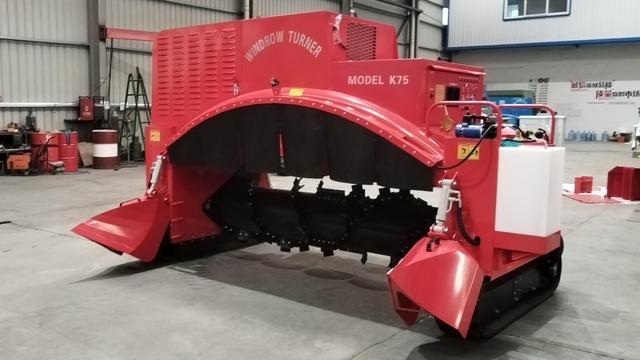
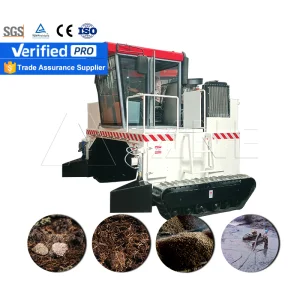
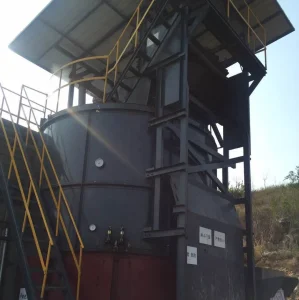
Large-scale poultry and dairy farms generate high volumes of nutrient-rich manure that must be stabilized immediately to mitigate odors and pathogens. Custom-engineered aerobic fermentation tanks and windrow compost turners facilitate rapid thermophilic digestion, converting raw poultry manure into pathogen-free organic fertilizers.
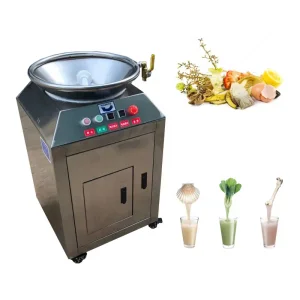
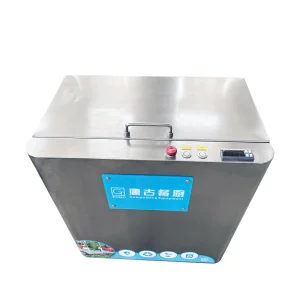
Food waste features moisture levels often exceeding 75% and low structural integrity. AgBio Energy provides compact, highly automated indoor composting machines using specialized thermophilic microbes and advanced dewatering techniques. They process restaurant food waste on-site, converting it into nutrient-rich compost within 24 hours.
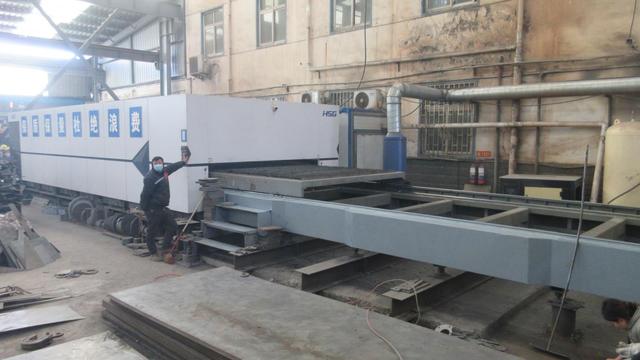
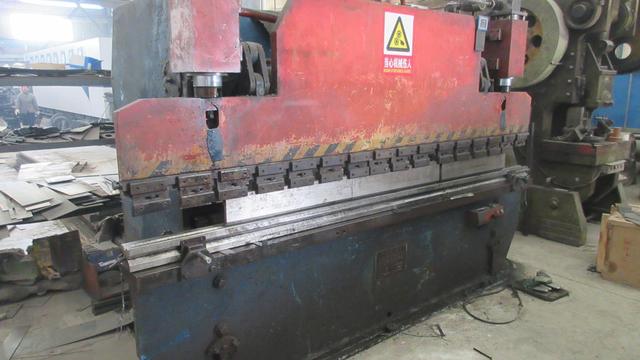
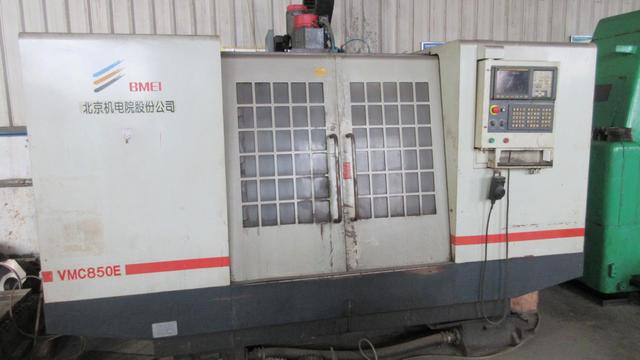
AgBio Energy leverages Chengdu's industrial manufacturing ecosystem to maintain a highly resilient and optimized supply chain. By integrating automated CNC machining, precision robotic welding, and advanced chemical treatment systems, the company produces heavy-duty machinery with high structural integrity at a competitive cost structure.
Unlike smaller regional fabricators, their 16,000 sqm plant maintains strategic steel reserves, ensuring production lines are unaffected by raw material price volatility. The company's in-house engineering and testing protocols ensure that all drive assemblies, motors, and hydraulic units are thoroughly inspected under load before container loading, minimizing on-site failure rates during final field deployment.
Integrating Smart IoT Monitoring, Advanced Air Scrubber Technologies, and Enhanced Corrosion-Resistant Metallurgy.
Modern composting systems are moving beyond passive bio-degradation. AgBio Energy's latest intelligent processing lines integrate high-precision sensor arrays that record oxygen saturation levels, carbon dioxide emissions, internal compost core temperature, and moisture levels, streaming real-time operational diagnostics directly to a centralized control panel or mobile device.
Meeting local environmental emission targets is crucial. New industrial designs integrate closed-loop process air circulation systems combined with chemical wet scrubbers and biological filter units. By routing high-humidity, ammonia-laden off-gases through specialized microbial filtration beds, plant operators can minimize trace odors.
Composting systems face severe mechanical and chemical stress due to acidic leachates and high-temperature operating cycles. To maximize system lifespans, AgBio Energy is expanding its use of high-grade 304/316 stainless steels and customized wear-resistant coatings in contact zones, prolonging service intervals even in demanding applications.
Simplifying cross-border engineering delivery with structured deployment services and strict quality management protocols.
AgBio Energy's design team collaborates with engineering firms to optimize equipment dimensions, footprint constraints, power requirements, and process chemistry. They adapt standard products to match localized site layouts, ensuring seamless mechanical integration.
All machinery is manufactured in accordance with strict industrial fabrication standards. Drive motors can be specified to meet domestic voltage, frequency, and phase configurations (e.g., 220V/380V/460V, 50Hz/60Hz) with certified electrical control panels.
AgBio Energy supplies structured mechanical blueprints, operational manuals, and remote video installation support. Standard consumable replacement kits (such as cutting teeth, hydraulic filters, and gaskets) are prepared and shipped alongside the main equipment to prevent unscheduled operational downtime.
Detailed answers to primary technical queries concerning organic residue management and system procurement.
High-durability equipment engineered for commercial, municipal, and agricultural processing facilities.

 AgBio Energy