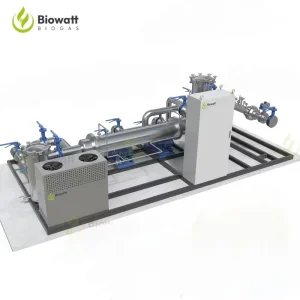
High-efficiency anaerobic digestion tailored for the tourism sector in Cusco and Lima.
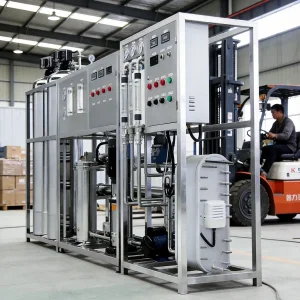
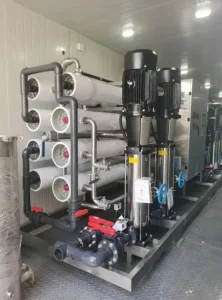
Superior water purification for pharmaceutical and healthcare facilities in Callao.
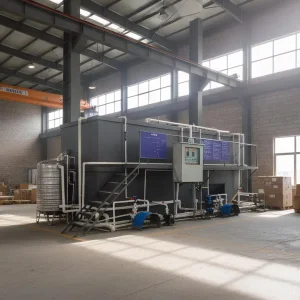
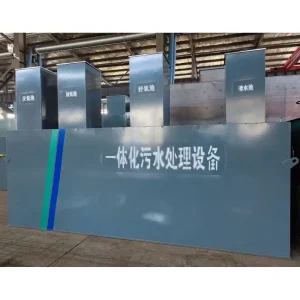
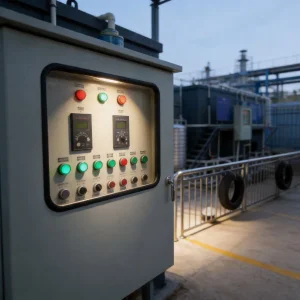
A/O process with remote monitoring for decentralized infrastructure projects.
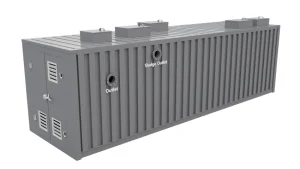
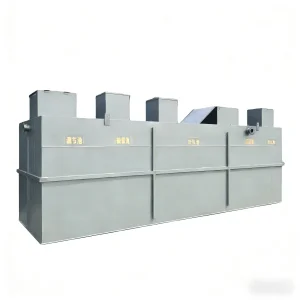
Optimized purification for small to medium manufacturing units in Peru.
Peru is currently at a critical juncture in its environmental evolution. With the enactment of Legislative Decree No. 1278 (Law on Integrated Solid Waste Management), the Peruvian government has signaled a decisive shift toward a circular economy. However, despite these regulatory advancements, organic waste remains a significant challenge. In urban centers like Lima and Arequipa, over 50% of municipal solid waste is organic, yet less than 1% is currently treated or recycled into valuable resources.
In Peru's booming agricultural sector—specifically in the Ica and La Libertad regions—huge quantities of agro-industrial waste from asparagus, grapes, and avocado processing are generated. Traditionally, this "green waste" was left to decompose in open pits, leading to methane emissions and groundwater contamination. Today, leading Peru manufacturers and exporters are seeking Bio-Waste Recycling Equipment to produce organic compost for their own fields, reducing reliance on expensive imported chemical fertilizers.
The hospitality sector in Cusco and the Sacred Valley also faces unique pressures. High-altitude logistics make traditional waste collection expensive and inefficient. Decentralized "On-site" food waste recyclers are becoming the standard for sustainable hotels looking to achieve international eco-certifications.
Globally, the industry is moving away from "Disposal" and toward "Resource Recovery." Advanced bio-waste recycling now incorporates AI-driven fermentation monitoring, allowing manufacturers to optimize temperature, moisture, and microbial activity in real-time. This ensures a 100% pathogen-free compost output in as little as 24 hours, compared to traditional months-long windrow composting.
Current standard. High-speed decomposition within closed vessels to eliminate odors and leachate.
Converting urban kitchen waste into biogas for cooking or decentralized electricity generation (Ideal for Peru's remote communities).
Moving beyond simple compost to specialized organic fertilizers and insect protein (Black Soldier Fly) integration.
Our equipment is engineered to thrive in Peru’s specific environmental conditions, from the humid Amazonian basin to the arid Pacific coast.
High-volume organic recyclers installed in central markets to process vegetable scraps on-site, reducing truck traffic and disposal fees.
Compact, insulated composting systems for mining worker housing, turning food waste into soil for local reforestation projects at 4,000m+ altitude.
Large-scale organic fertilizer production lines for mango and lemon processing residues.
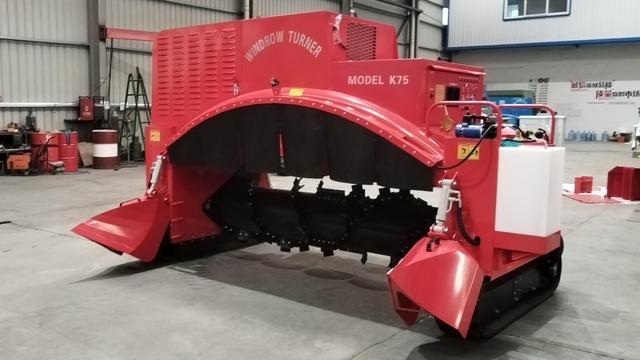
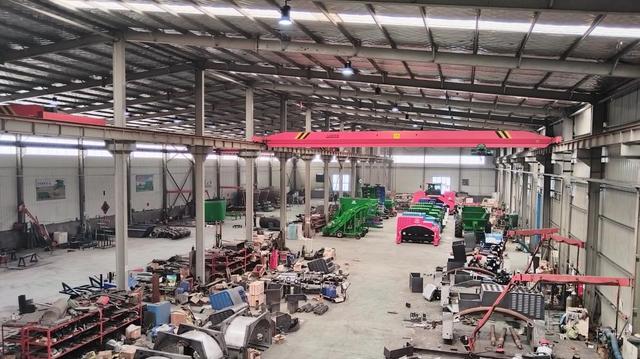
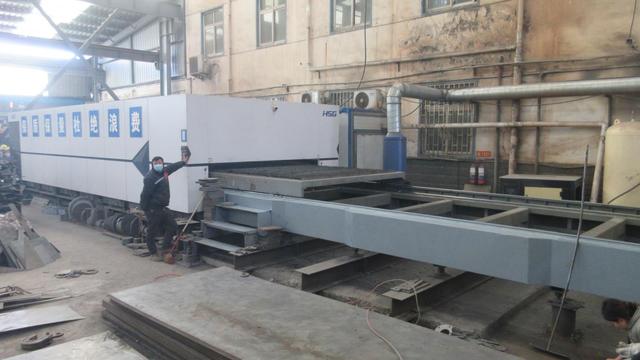
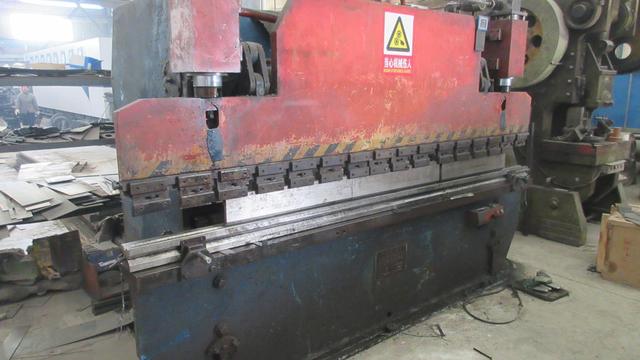
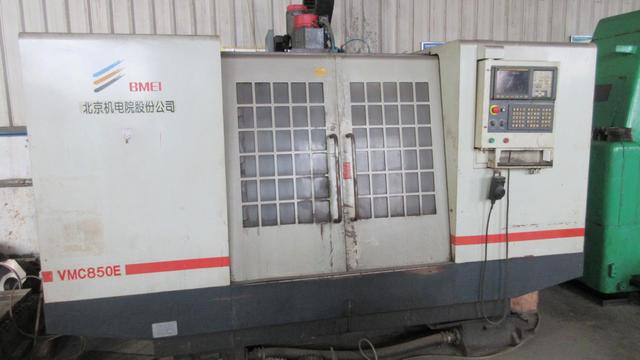
Chengdu AgBio Energy Co., Ltd. is a global leader and a preferred Bio-Waste Recycling Equipment Manufacturer for the South American market. Established in 2013, our 16,000sqm facility produces the most reliable organic waste composting machines and anaerobic digestion systems available today.
We understand the logistical complexities of Peru. Our systems are designed for durability, ease of maintenance, and compliance with Peru’s environmental standards (OEFA/MINAM). With over 230 employees and a dedicated R&D team, we provide more than just machinery; we provide comprehensive waste-to-resource strategies.
Yes, all our Bio-Waste Recycling Equipment is designed to meet and exceed MINAM (Ministerio del Ambiente) standards for waste treatment. We provide technical documentation to assist with your local permitting process.
For projects in cities like Cusco or Cerro de Pasco, we implement specialized insulation and atmospheric pressure compensation in our fermentation tanks to ensure microbial activity remains consistent despite lower oxygen and temperature levels.
Most commercial clients see a full Return on Investment within 18 to 24 months through the elimination of waste hauling fees and the production of free organic fertilizer for landscaping.
We provide comprehensive remote monitoring via IoT and work with local engineering partners in Peru for physical maintenance and spare parts distribution.
 AgBio Energy