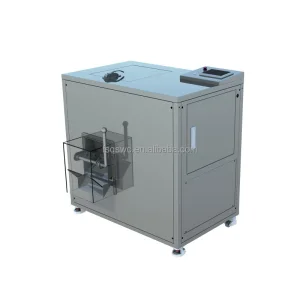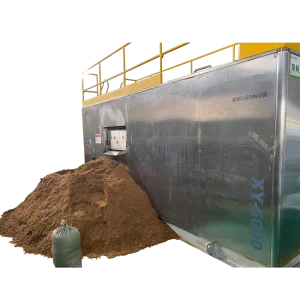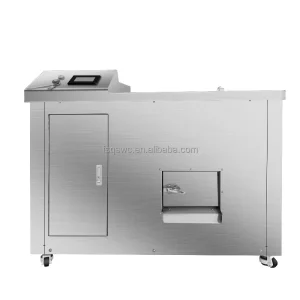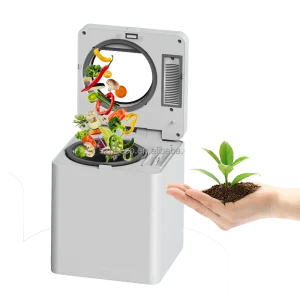
South Africa stands at a pivotal junction in waste management. With the implementation of the National Waste Management Strategy (NWMS) 2020 and the increasing pressure on landfill sites in major metros like Cape Town and Johannesburg, the demand for on-site bio-waste recycling has reached an all-time high. Traditional "collect-and-dump" models are becoming economically unfeasible due to rising fuel costs and landfill levies.
Furthermore, the Western Cape's mandate to ban organic waste from landfills by 2027 is driving massive innovation in the agricultural, hospitality, and manufacturing sectors. Our equipment is designed to bridge the gap between waste generation and resource recovery, transforming wet organic waste into high-quality soil conditioners in under 24 hours.
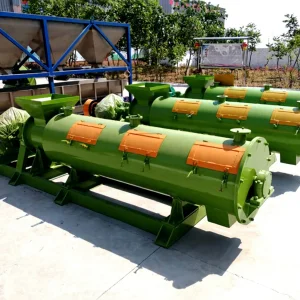
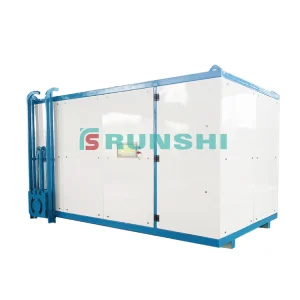
Unlike traditional windrow composting which takes months, our Aerobic Fermentation Machines utilize thermophilic microbial consortia. By maintaining a constant 60-70°C, we ensure the rapid breakdown of complex proteins and fats, while effectively neutralizing pathogens and weed seeds, making the output safe for South African agricultural standards (Act 36 of 1947).
Understanding the South African energy landscape, our latest generation of Industrial Organic Waste Composting Machines features high-thermal-retention insulation. This ensures that during power interruptions (Load Shedding), the microbial activity remains stable, preventing process "crash" and ensuring continuous operation once power returns.
Equipped with IoT sensors, our machines monitor moisture, temperature, and CO2 levels in real-time. This "Smart Composting" approach reduces energy consumption by optimizing the agitation cycles and air injection, providing a lower Total Cost of Ownership (TCO) compared to European or American imports.
Globally, the "Circular Economy" is moving from a buzzword to a regulatory requirement. In South Africa, this translates to Carbon Credit opportunities for businesses that divert organic waste from landfills. Our solutions serve multiple localized scenarios:
| Sector | Waste Challenge | Proposed Technology | South African Impact |
|---|---|---|---|
| Municipalities | Overfilled Landfills | Decentralized Composting Plants | Extends landfill life by 15-20 years. |
| Agro-Processing | Slaughterhouse/Fruit Waste | High-Volume Aerobic Fermenters | Reduces methane emissions and groundwater contamination. |
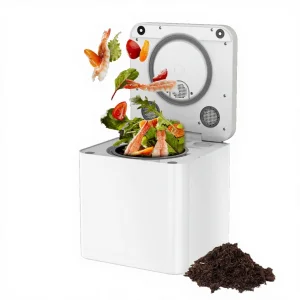
| Mining Camps | Remote Food Waste Logistics | All-in-One Compact Composter | Eliminates long-haul waste transport in remote areas. |
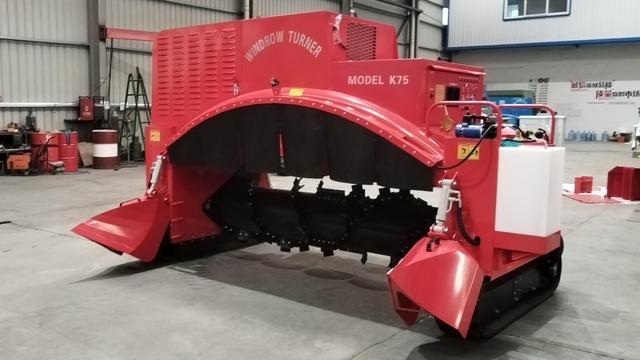
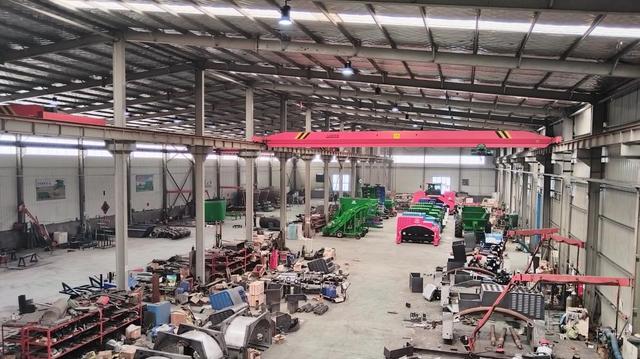
Established in 2013, Chengdu AgBio Energy Co., Ltd. is a global leader in organic waste management technology. With over 16,000 square meters of high-tech production facility and a team of 230+ engineering experts, we specialize in the R&D and manufacturing of aerobic fermentation systems, municipal bio-waste equipment, and smart composting solutions.
Our commitment to South Africa involves not only supplying equipment but providing comprehensive macro-environmental solutions. We understand the specific humidity, temperature, and waste composition profiles of the Southern African region, ensuring our machines are tuned for maximum efficiency from the Highveld to the coastal plains.
Our machines are designed for all organic "wet" waste, including fruit and vegetable scraps, meat, dairy, small bones, garden trimmings, and compostable packaging. They are ideal for South African food processing and hospitality sectors.
Yes. Our equipment features industrial-grade stainless steel and high-performance coatings that resist corrosion in coastal cities like Durban and Cape Town, and handle the high UV and temperature variations of the interior.
AgBio Energy provides comprehensive digital manuals, remote IoT diagnostics, and a modular design that allows for easy parts replacement. We also offer training for local facility managers to ensure 99% uptime.
The output from our aerobic fermenters is a nutrient-rich soil conditioner. To sell it commercially as "Fertilizer" in SA, it must be registered under Group 1 or Group 2 fertilizers per Act 36 of 1947, which our process supports through pathogen elimination.
Our AI-optimized systems use approximately 30-50% less energy than traditional thermal dryers because we leverage the heat generated by the microbial process itself to maintain fermentation temperatures.
Our systems include integrated bio-filters and activated carbon scrubbers, ensuring that the process is virtually odorless. Noise levels are kept below 65dB, suitable for use near office parks or residential areas.
Join the growing list of South African enterprises choosing sustainable, profitable bio-waste recycling.
 AgBio Energy