Tokyo is one of the world's most densely populated metropolises, presenting a unique set of challenges for organic waste management. With land prices at a premium and the strict Japan Food Recycling Law requiring businesses to reduce food waste, the demand for decentralized treatment is surging. Traditional centralized incineration is no longer the most efficient or sustainable path for Tokyo’s 23 wards.
Decentralized Organic Waste Treatment Systems (DOWTS) represent a shift toward circular economy principles. By treating waste at the source—whether it’s a high-rise hotel in Shinjuku, a food processing plant in Ota, or a residential complex in Minato—businesses can eliminate high transportation costs and carbon emissions associated with waste hauling. Our systems provide a "Grid-Independent" approach to bio-waste, transforming kitchen scraps and industrial organic sludge into energy or high-grade compost right where it is produced.
Waste Volume Reduction
OpEx Savings in Tokyo Logistics
Secondary Pollution Emission
The future of waste management in Tokyo is defined by "Intelligence" and "Compactness." As a leading manufacturer, Chengdu AgBio Energy Co., Ltd. is pioneering the integration of IoT (Internet of Things) and AI-driven biological monitoring within our Decentralized Organic Waste Treatment Systems.
Current generation systems utilize thermophilic aerobic fermentation, reducing processing time from weeks to 24 hours. Our specialized microbial strains are optimized for the high-fat, high-salt content typical of Japanese commercial kitchen waste.
Integrated sensors track BOD (Biochemical Oxygen Demand), temperature, and pH levels. Through a cloud-based dashboard, Tokyo facility managers can monitor waste reduction metrics and system health from a smartphone, ensuring 100% compliance with local environmental standards.
We are currently piloting systems that move beyond biogas to localized hydrogen production. This aligns with Tokyo’s "Hydrogen City" vision, where decentralized waste units act as refueling nodes for small-scale fuel cell applications.
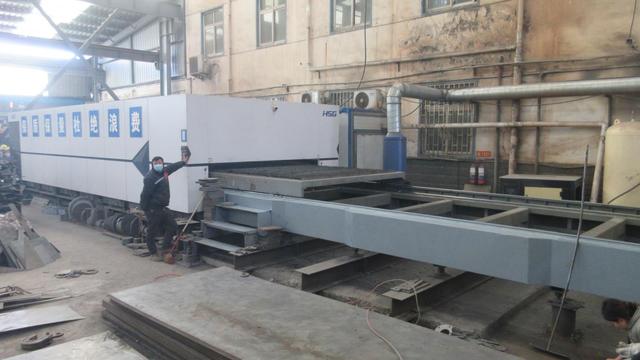
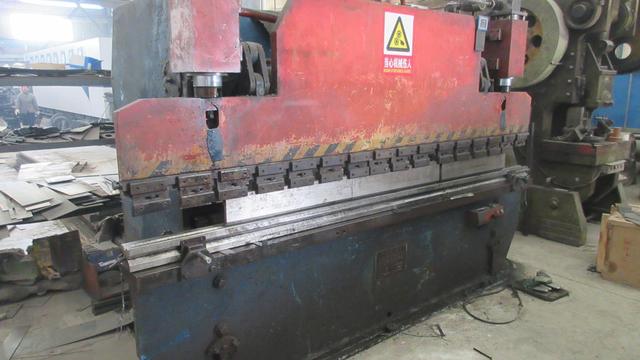
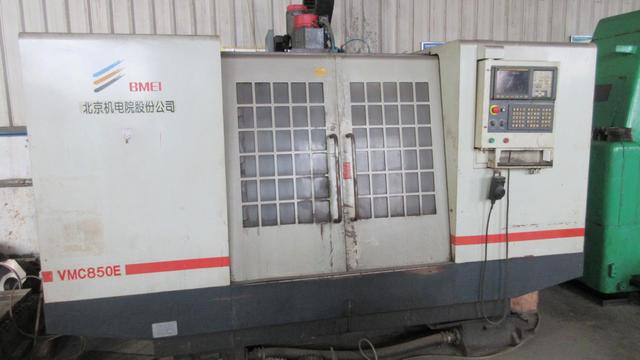
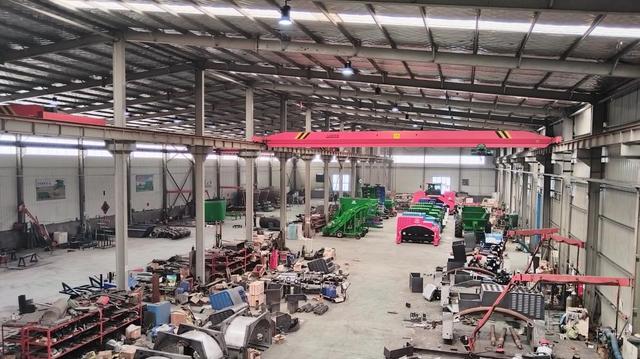
Chengdu AgBio Energy Co., Ltd. operates from a state-of-the-art 16,000 m² facility. Our Factory 4.0 manufacturing philosophy combines precision German engineering standards with the speed and cost-efficiency of the Chinese industrial ecosystem.
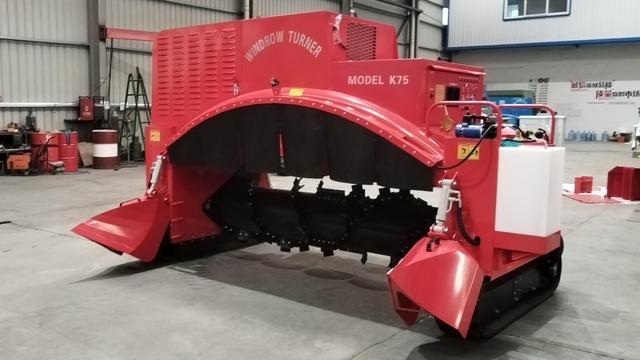
Chengdu AgBio Energy Co., Ltd. is a professional manufacturer specializing in organic waste composting equipment, food waste recycling systems, and sustainable waste treatment solutions. Established in 2013 and headquartered in Chengdu, Sichuan Province, China, the company is dedicated to helping businesses, agricultural operations, municipalities, and environmental service providers transform organic waste into valuable resources. With a modern manufacturing facility covering more than 16,000 square meters and a team of over 230 employees, AgBio Energy delivers efficient and environmentally responsible waste management technologies to customers around the world.
The company's product portfolio includes organic waste composting machines, food waste treatment systems, aerobic fermentation equipment, agricultural waste recycling solutions, manure composting systems, organic fertilizer production lines, municipal bio-waste treatment equipment, and intelligent composting management systems. These solutions are widely used in farms, food processing facilities, restaurants, hotels, commercial waste treatment centers, agricultural cooperatives, and municipal environmental projects.
Purchasing large-scale environmental equipment requires trust and technical verification. We support Tokyo-based procurement teams with complete E-E-A-T backed documentation:
Full adherence to Japan’s Construction Material Recycling Act and Waste Management Law. We provide CE and ISO certifications as standard.
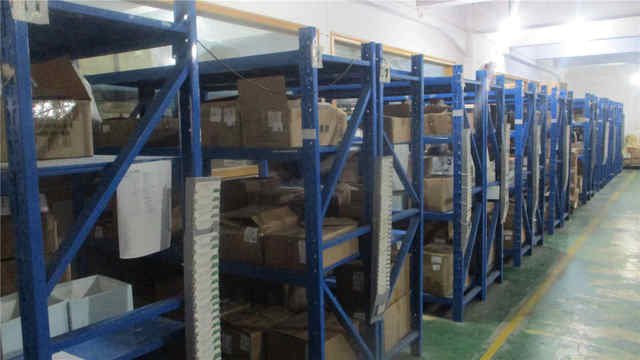
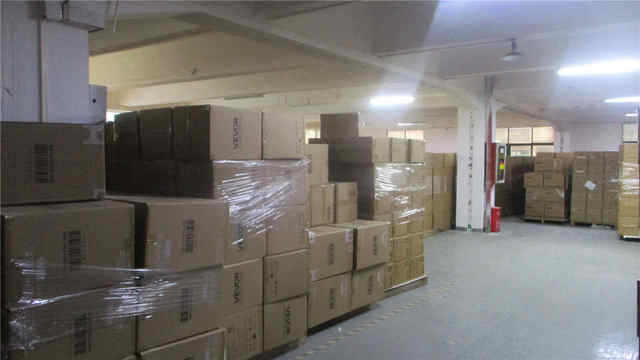
Our raw material inventory is maintained at a 6-month buffer to protect Tokyo clients from global supply chain fluctuations.
Through our Tokyo-based service partners, we offer 24/7 technical support and on-site maintenance contracts.
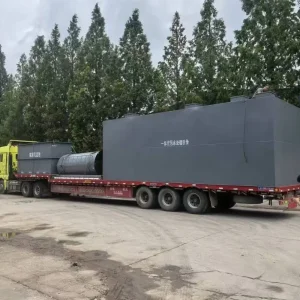 Tokyo Residential Automated Home Wastewater Treatment System
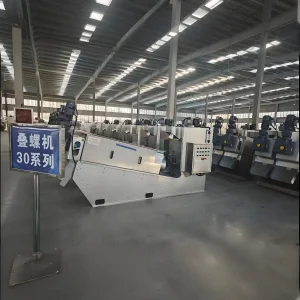 Industrial Screw Press Sludge Dewatering System for Tokyo Plants
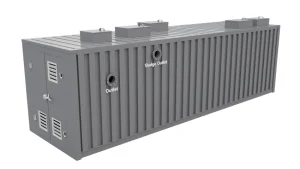
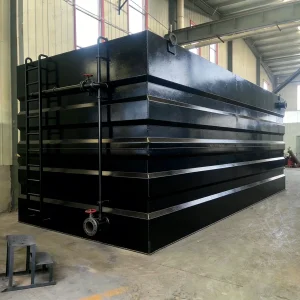 Tokyo Medical Grade 10-100m3 Modular Hospital Wastewater System
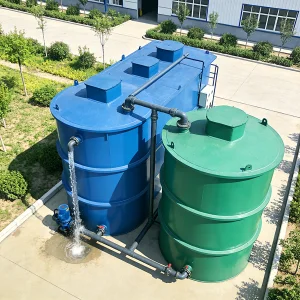 Tailored Tokyo Wastewater Solutions for Industrial & Municipal Needs
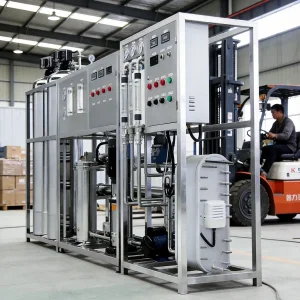
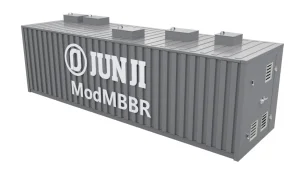 Stainless Steel Purification System for Tokyo Food Processing
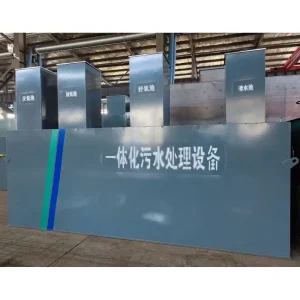 Fully Integrated Wastewater System for Modern Tokyo Complexes
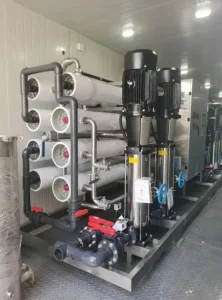 High Efficiency RO System for Tokyo Data Centers & Factories
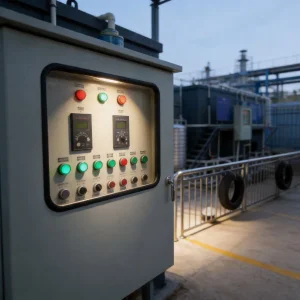 Fast Deployment Tokyo Sewage System for B&BS/Hotels (3-7 Days)
Q: Can these decentralized systems be installed in existing Tokyo basement levels?
A: Yes. Our modular design allows components to be transported via standard service elevators and assembled on-site. We specialize in footprint optimization for Tokyo’s compact commercial architecture.
Q: How does the system handle Japan’s specific food waste (high salt/miso/soy sauce)?
A: Our "AgBio-BioZyme" microbial consortium is specifically cultured to thrive in high-sodium environments, ensuring that the fermentation process is not inhibited by the salt content common in Japanese catering waste.
Q: What is the ROI for a typical Tokyo-based hotel?
A: Most Tokyo clients see a full Return on Investment within 18 to 24 months by eliminating commercial waste collection fees and generating on-site compost or energy.
Q: Is the system odor-free for dense urban areas like Ginza?
A: Absolutely. Our systems use advanced activated carbon filters and UV-photocatalytic oxidation to ensure 99.9% odor removal, making them suitable for installation near pedestrian zones.
Partner with Chengdu AgBio Energy for reliable, high-tech decentralized solutions in Tokyo.
Send Inquiry Now & Get Technical Catalog AgBio Energy