As one of the fastest-growing economies in South Asia, Bangladesh faces a critical challenge: managing the astronomical volume of organic waste generated by its urban centers like Dhaka and Chittagong, as well as its massive Ready-Made Garment (RMG) and agricultural sectors. Current estimates suggest that over 70% of municipal solid waste in Bangladesh is organic. However, traditional landfilling is no longer viable due to land scarcity and environmental degradation.
Dhaka alone produces over 5,000 tons of waste daily. Without industrial composting, this waste releases methane—a greenhouse gas 25x more potent than CO2—into the atmosphere.
Converting organic waste into high-grade fertilizer offers a "Circular Economy" solution that benefits the soil-depleted agricultural regions in Rajshahi and Sylhet.
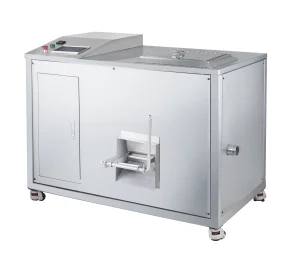
Local factories require high-capacity, odor-controlled, and automated aerobic fermentation machines to process waste at scale while complying with DOE regulations.
Industrial organic waste composting machines are the bridge between environmental liability and commercial asset. For exporters and factories targeting the Bangladesh market, the focus must shift from simple disposal to value recovery. High-efficiency Chinese-manufactured systems are now providing the specific "Information Gain" required by local operators: rapid decomposition (24 hours to 14 days), high pathogen destruction, and consistent nutrient output.
The global market for composting equipment is projected to reach $10.2 billion by 2030. This growth is driven by ESG (Environmental, Social, and Governance) mandates and the urgent need to restore global soil health. Industrialized nations are moving toward decentralized composting—treating waste at the source (factories, hotels, canteens) to reduce logistics costs.
In the global south, particularly in emerging markets like Bangladesh, Vietnam, and Nigeria, the demand is for robust, climate-resilient machinery that can handle high-moisture tropical waste (food waste, poultry manure, and vegetable market waste).
Factories like Chengdu AgBio Energy leverage China's world-class industrial supply chain. From high-torque motors to 304-grade stainless steel, the components used in our machinery are tested for 24/7 heavy-duty operation.
Chinese manufacturers excel at Iterative Engineering. We don't just sell machines; we adapt them to the high humidity of Dhaka or the specific fibrous waste of the Bangladeshi jute industry.
Compared to European counterparts, Chinese industrial composters offer similar (or superior) automation levels at 40-60% of the cost, ensuring a faster Return on Investment for Bangladeshi entrepreneurs.
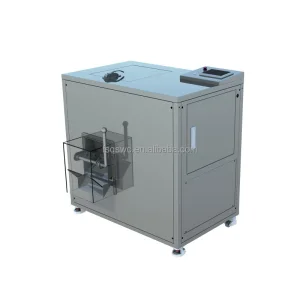
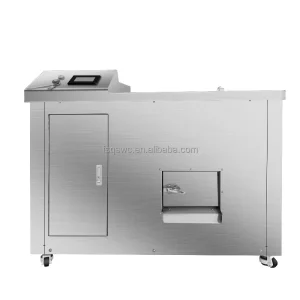
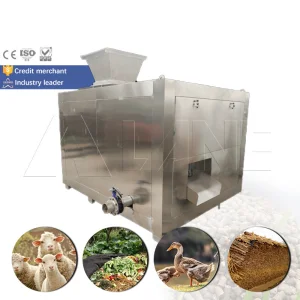
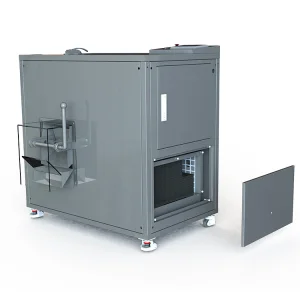
Large garment factories employing thousands generate massive food waste daily. Implementing a 500kg-1000kg/day Industrial Food Waste Composter on-site eliminates disposal fees and provides organic fertilizer for factory landscaping or employee "Green Zones."
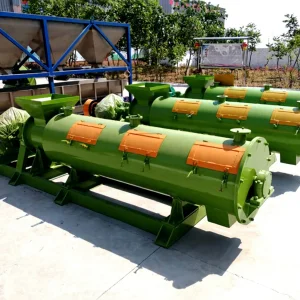
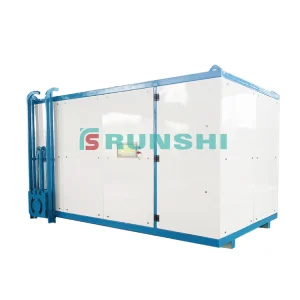
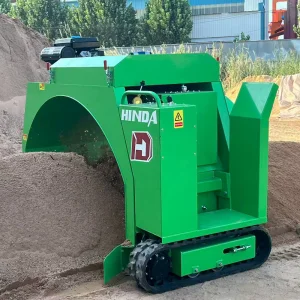
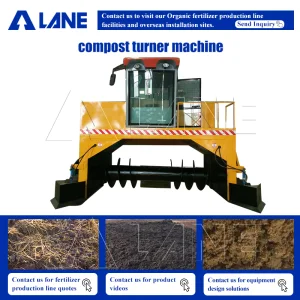
The Bangladeshi poultry industry is booming. However, manure management is a significant bio-hazard. Our Crawler Compost Turners and Aerobic Fermentation Tanks convert raw manure into pathogen-free, bagged organic fertilizer in record time.
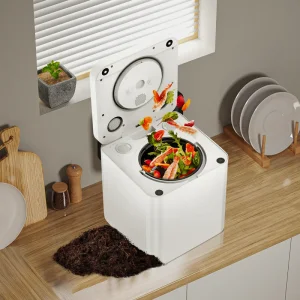
Instead of hauling waste 30km to a landfill, localized "Compost Hubs" using Commercial Food Waste Disposers can process market waste directly at the source, drastically reducing municipal logistics costs.
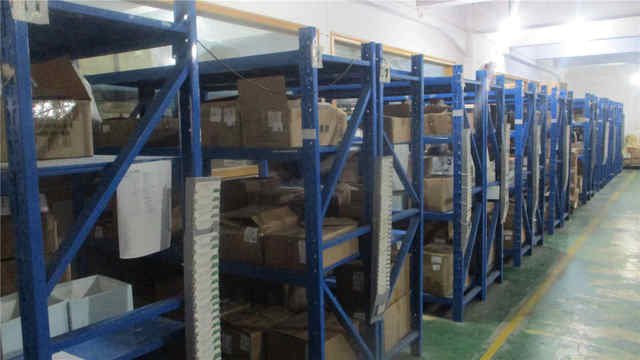
Chengdu AgBio Energy Co., Ltd. is a professional manufacturer specializing in organic waste composting equipment, food waste recycling systems, and sustainable waste treatment solutions. Established in 2013 and headquartered in Chengdu, Sichuan Province, China, the company is dedicated to helping businesses, agricultural operations, municipalities, and environmental service providers transform organic waste into valuable resources. With a modern manufacturing facility covering more than 16,000 square meters and a team of over 230 employees, AgBio Energy delivers efficient and environmentally responsible waste management technologies to customers around the world.
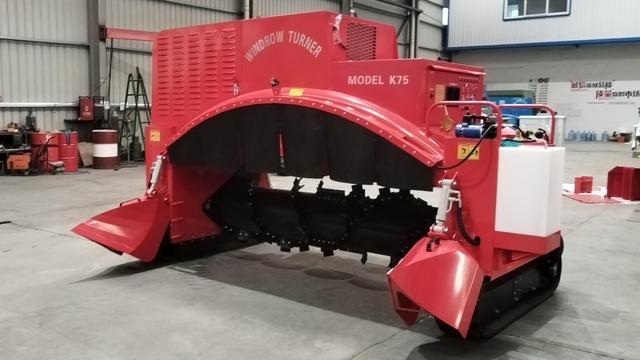
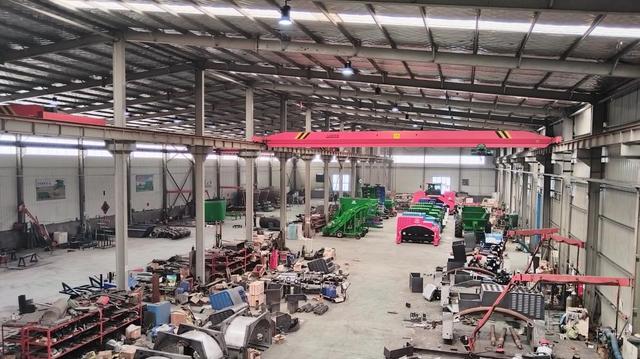
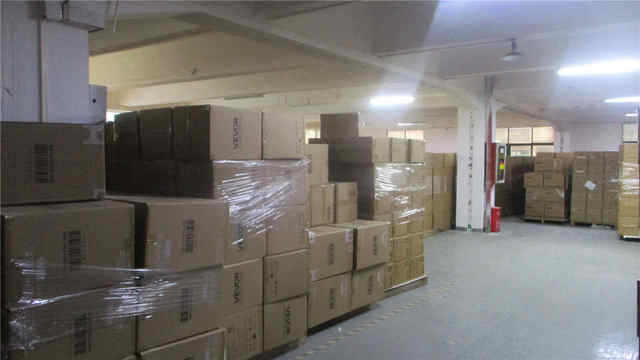
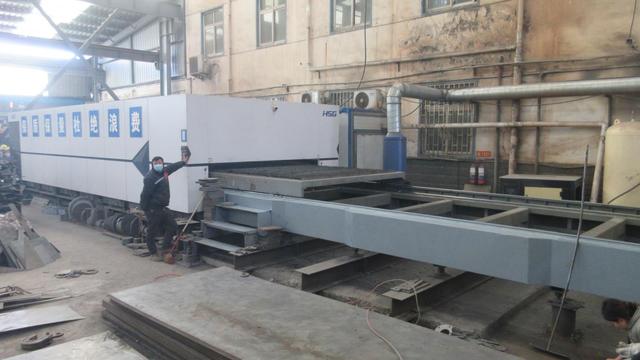
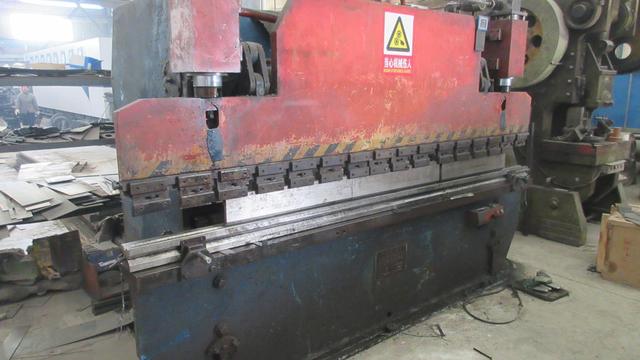
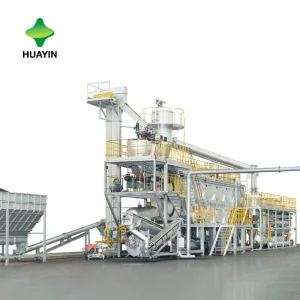
The company's product portfolio includes organic waste composting machines, food waste treatment systems, aerobic fermentation equipment, agricultural waste recycling solutions, manure composting systems, organic fertilizer production lines, municipal bio-waste treatment equipment, and intelligent composting management systems. AgBio Energy integrates engineering expertise, process optimization, and advanced manufacturing technologies to develop reliable composting and organic waste recycling systems.
Remote monitoring via mobile apps allowing Bangladeshi plant managers to track temperature, moisture, and CO2 levels in real-time from their smartphones.
New "Heat Recovery Systems" that capture the heat generated by aerobic bacteria to pre-heat incoming waste, reducing electricity consumption by 30%.
Industrial composting projects in Bangladesh are increasingly eligible for carbon credit programs, providing a secondary revenue stream for plant operators.
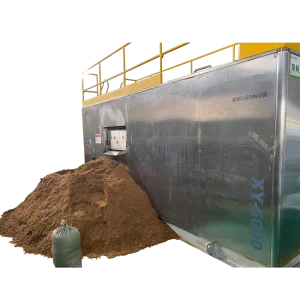
Join the circular economy movement in Bangladesh with our world-class composting technology.
Request a Free Quote Now AgBio Energy