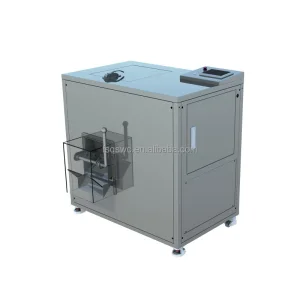
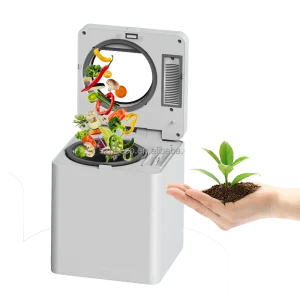
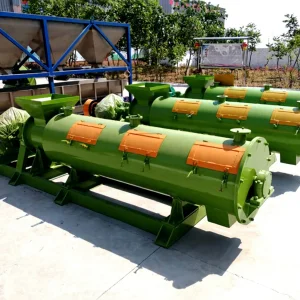
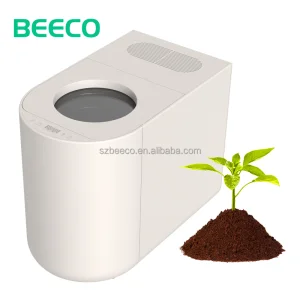
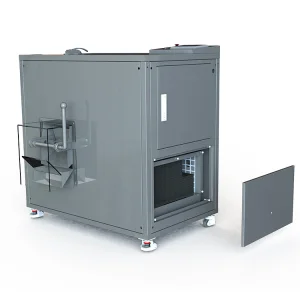
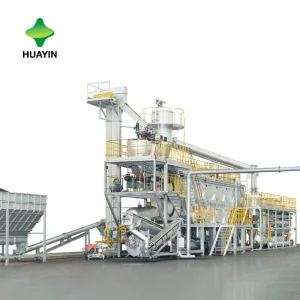
Highly specialized bio-treatment machinery optimized for accelerated composting and food waste processing under high-salinity coastal conditions.
Antigua and Barbuda, dynamically situated in the heart of the Leeward Islands, represents a vital eco-tourism hub that simultaneously experiences acute environmental constraints. Under the pressure of a booming hospitality sector, cruise terminal arrivals in St. John's, and local agricultural initiatives, the management of municipal solid waste (MSW) has reached a critical bottleneck.
Historically, the dual-island state has relied heavily on traditional landfills, such as Cook's Landfill. With limited land resources and high sensitivity to marine ecosystem degradation, the National Solid Waste Management Authority (NSWMA) has actively prioritized organic waste diversion. Over 45% of the municipal solid waste generated daily consists of organic materials—primarily food scraps from luxury resorts, hotels, institutional kitchens, and green botanical landscaping.
In coastal environments like Jolly Harbour, Dickenson Bay, and English Harbour, organic waste disposal generates high volumes of leachate and methane if not processed at source. By integrating localized, micro-engineered aerobic digestion systems, commercial operators can drastically reduce their waste haulage footprints, avoid rising disposal tariffs, and turn high-nitrogen kitchen waste into stabilized bio-fertilizer for local agricultural revitalization.
50%+
Target MSW diversion rate by 2030
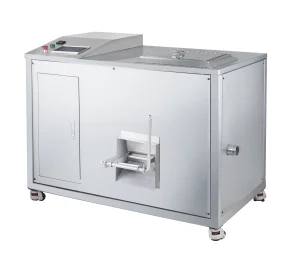
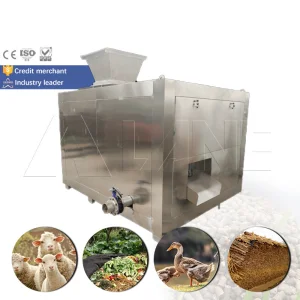
Utilizing high-temperature thermophilic bacteria to breakdown organic food scraps rapidly, achieving an 85% volumetric reduction in just one day.
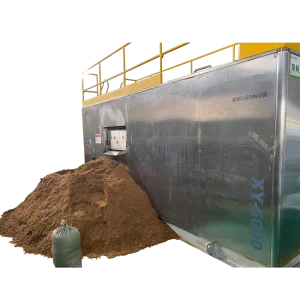
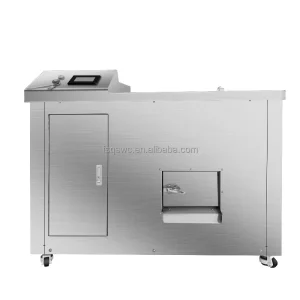
Standardized with SUS304 and marine-grade SUS316L stainless steel hulls to withstand the corrosive coastal salt air of Barbuda and Antigua.
Integrated PLC controllers monitor moisture, ambient temp, and aeration profiles, syncing data directly to cloud-based facilities management apps.
As global environmental regulations tighten, the industrial composting sector has evolved from simple windrow manipulation to high-precision bioreactor engineering. Industrial developers, luxury resort managers, and municipal bodies require reliable, energy-efficient machinery that provides predictable biological conversion. Chengdu AgBio Energy Co., Ltd., based in Chengdu, China, operates at the forefront of this sector.
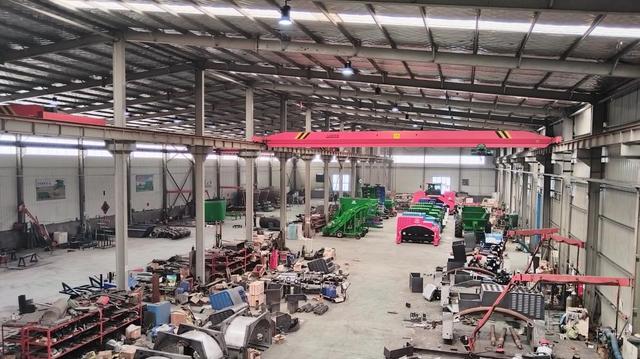
Established in 2013, our production facility features a modern manufacturing layout spanning over 16,000 square meters. Leveraging Factory 4.0 automation, CNC laser cutting systems, automated robotic welding, and rigorous testing protocols, we guarantee the structural integrity and operational life of our in-vessel composters.
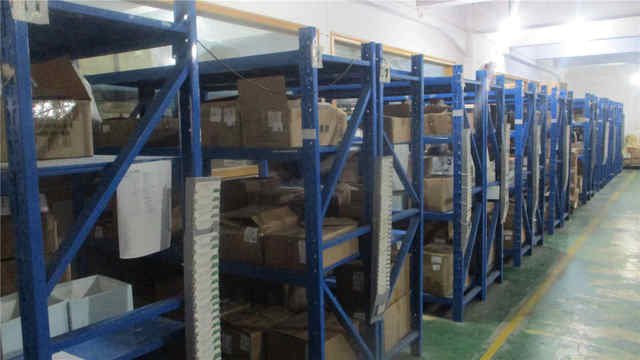
Serving Antigua and Barbuda: We understand the logistical realities of island supply chains. Every composting machine shipped from our plant is containerized, pre-commissioned, and delivered with full wear-and-tear component packages, ensuring simple install-and-run operation without requiring highly specialized local technicians.
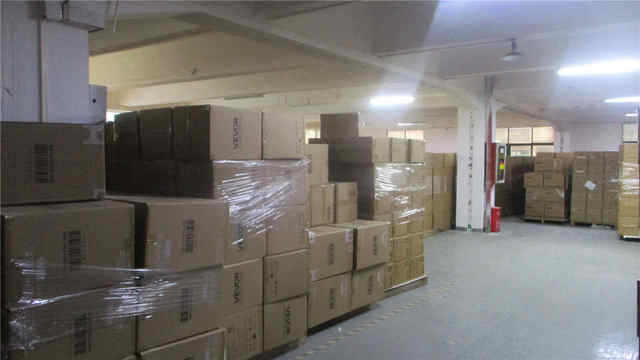
Integrating in-vessel aerobic digesters requires a clear understanding of the feedstocks, daily throughput demands, and spatial layouts. Here are three primary application architectures:
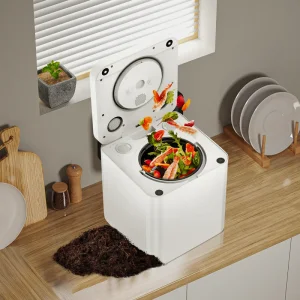
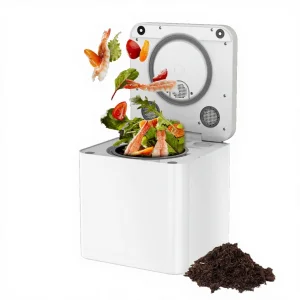
Processing up to 500kg/day of raw vegetable matter, seafood waste, plate leftovers, and cocktail bar pulps. The machine reduces weight, controls potential pest vectors, eliminates ambient odor, and fits directly behind the kitchen zone near typical hotel loading bays.
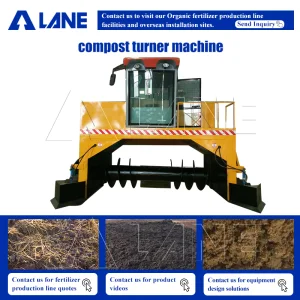
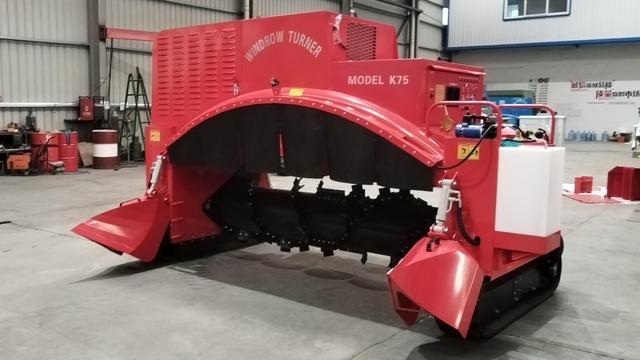
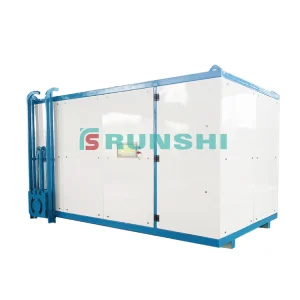
Processing mixed municipal waste alongside landscaping organic sweepings. High-throughput aerobic fermentation systems handle high volume bulk garden trimmings, yard clippings, and municipal food markets organic residues.
Utilized by farms in Barbuda and rural areas of Antigua. Combines animal manures (poultry, cattle, horse) with agricultural biomass. High-temp processing stabilizes pathogens and yields concentrated organic fertilizer, reducing chemical fertilizer imports.
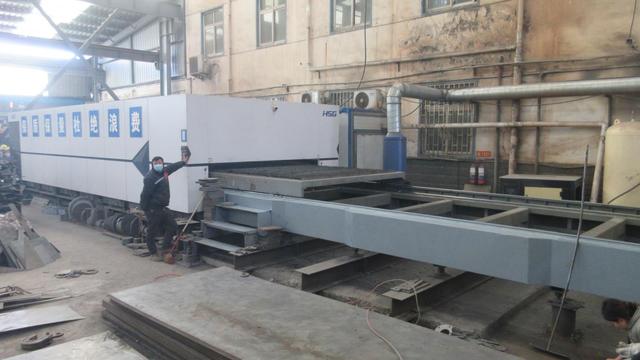
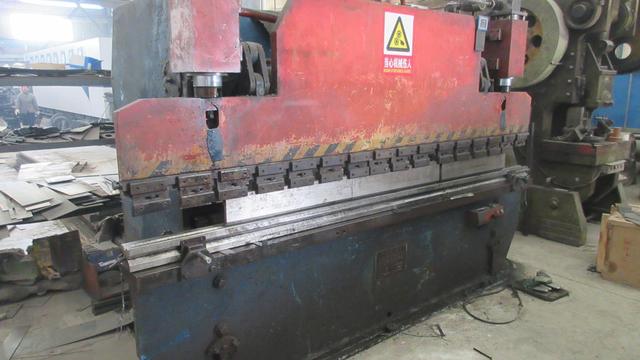
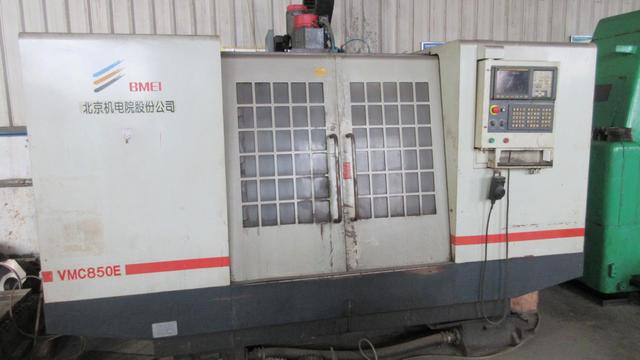
Get detailed answers on energy demands, environmental limits, structural integrity, and local integration for commercial waste composting systems.
Explore our complete collection of in-vessel organic processing machinery, designed for small-scale household recovery, large canteens, and industrial operations.
 AgBio Energy