As the primary economic hub of the Philippines, Metro Manila faces an unprecedented challenge in municipal solid waste management. With over 13 million residents and a burgeoning industrial sector, the National Capital Region generates approximately 10,000 tons of waste daily, of which nearly 50% is organic. The transition from traditional landfilling toward decentralized Industrial Organic Waste Composting is no longer a choice—it is a regulatory and operational imperative.
Chengdu AgBio Energy Co., Ltd. enters the Manila market as a high-tier strategic partner, offering advanced 24-hour aerobic fermentation technologies that align with the Philippine Ecological Solid Waste Management Act (RA 9003). Our systems provide a high-efficiency alternative to the over-stressed San Mateo and Rodriguez landfills, enabling local businesses to achieve "Zero Waste to Landfill" certifications.
The global shift towards a circular economy is driving the demand for decentralized organic waste processing. Cities like Singapore, Tokyo, and now Manila are adopting localized composting to reduce carbon footprints associated with waste transport.
Modern composting is becoming "Smart." Our 2026-ready systems feature real-time moisture, temperature, and oxygen sensors linked to cloud-based monitoring, ensuring optimal microbial activity with minimal human intervention.
Organic waste in landfills produces methane—a greenhouse gas 25x more potent than CO2. Industrial aerobic composting captures nutrients and locks carbon into the soil, directly contributing to corporate ESG (Environmental, Social, and Governance) goals.
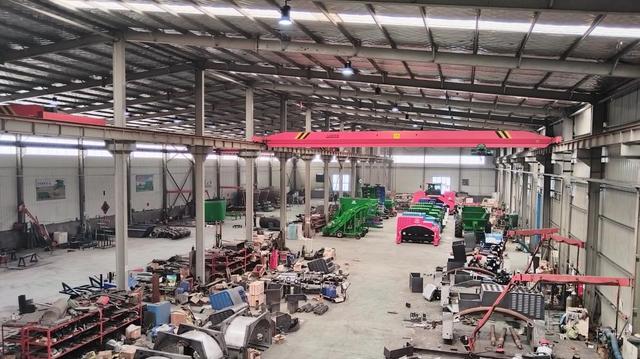
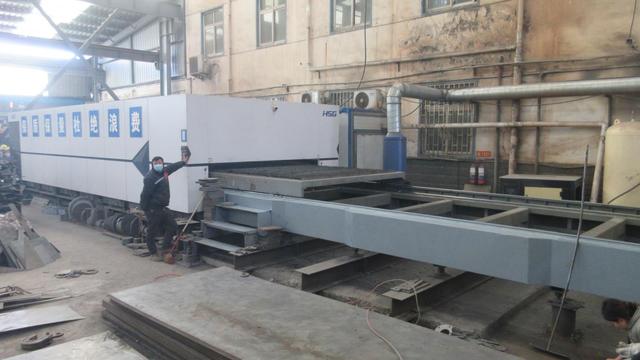
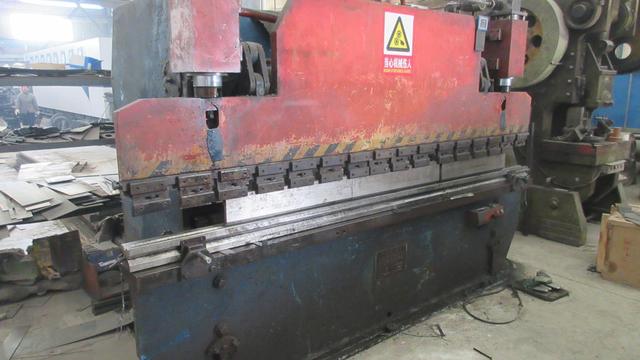
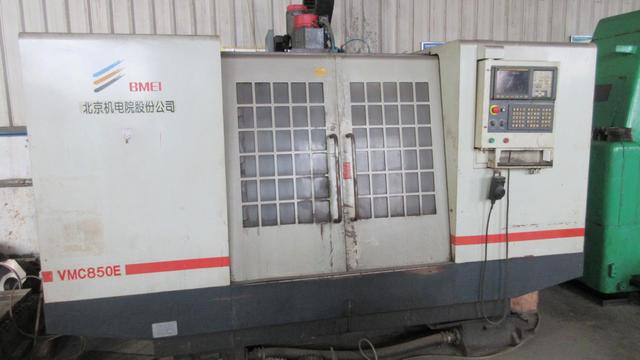
Chengdu AgBio Energy Co., Ltd. is a premier manufacturer specializing in high-performance organic waste composting equipment. Established in 2013 and headquartered in the high-tech industrial hub of Chengdu, we have dedicated over a decade to the R&D of sustainable waste treatment solutions. Our facility spans 16,000 square meters, where precision engineering meets environmental science.
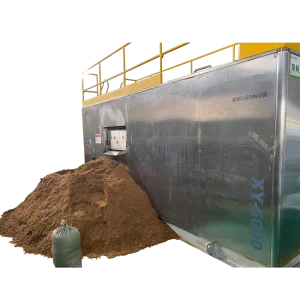
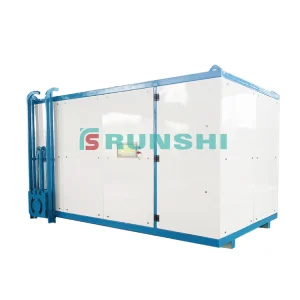
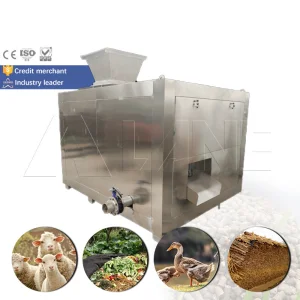
We serve a diverse global clientele, including agricultural cooperatives, municipal environmental departments, and large-scale industrial food processors in Manila and across Southeast Asia. Our core competency lies in Aerobic Fermentation Machine technology, which achieves an 85% reduction rate within a 24-hour cycle—an industry benchmark for speed and reliability.
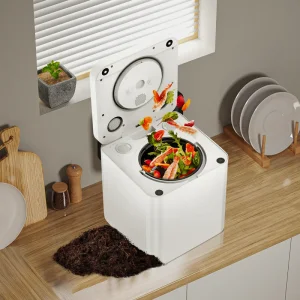
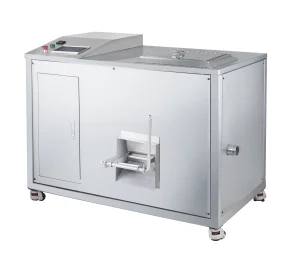
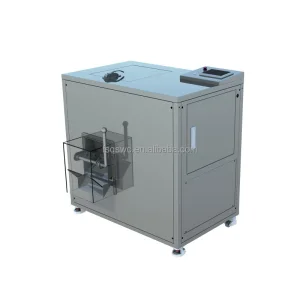
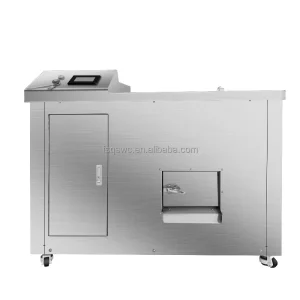
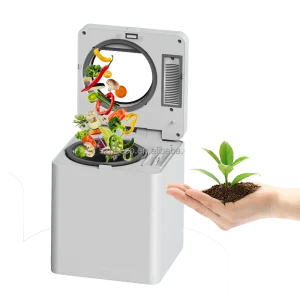
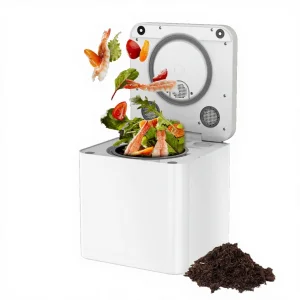
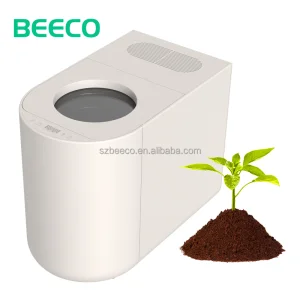
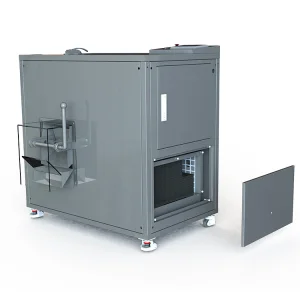
High-end hotels and commercial centers utilize our Compact 100kg/day Composters to process kitchen waste on-site, eliminating odor issues and reducing waste hauling costs by up to 60%.
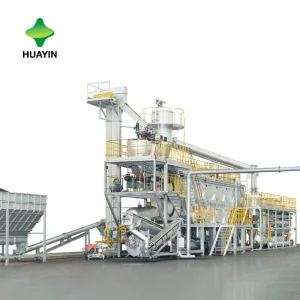
Large-scale food manufacturing plants integrate our Continuous Fermentation Systems to convert production by-products into high-grade organic fertilizer for nearby agricultural use.
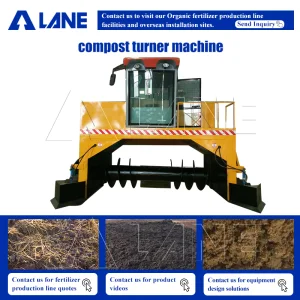
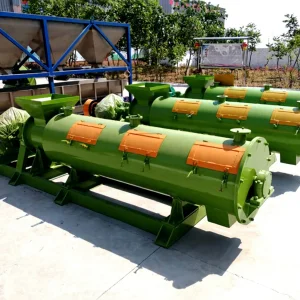
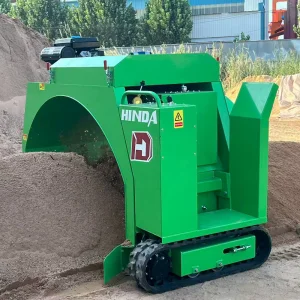
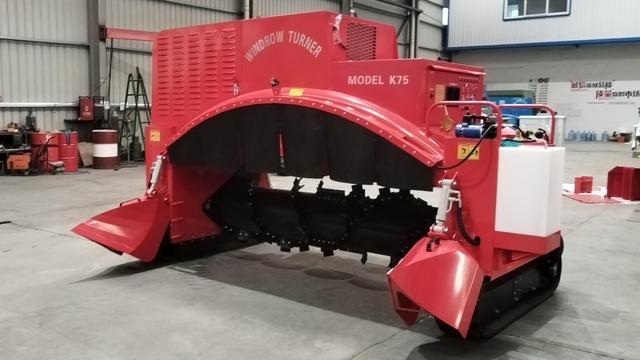
Local Government Units (LGUs) deploy our Lane-Type Compost Turners for community-level waste management, fulfilling their mandates under the RA 9003 act while producing fertilizer for city greening projects.
Our R&D department is currently focusing on three key "Next-Gen" pillars for the Manila and global markets:
We don't just sell hardware; we provide Integrated Bio-Resource Recovery Hubs. For industrial clients in Manila, we offer:
A: Our industrial machines are designed with advanced drainage and moisture regulation systems. By combining high-temperature aerobic fermentation with specific bulking agents (like sawdust or coco peat available in the Philippines), we maintain the 50-60% moisture level required for rapid microbial breakdown.
A: No. Our commercial units (100kg - 500kg) utilize integrated bio-deodorization and activated carbon filters. The aerobic process, when managed by our AI controllers, prevents the anaerobic conditions that cause putrid odors.
A: Most clients see an ROI within 18-24 months. This is calculated through the elimination of daily waste collection fees, the reduction in labor for waste sorting, and the potential sale or use of the produced organic fertilizer.
A: Yes. We offer comprehensive OEM/ODM services. We can customize the processing capacity, power specifications (220V/60Hz for PH), and physical footprint to fit specific Manila project constraints.
 AgBio Energy