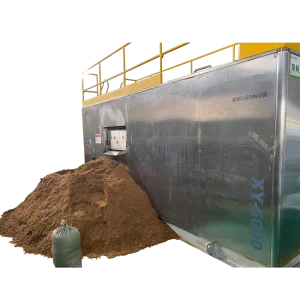
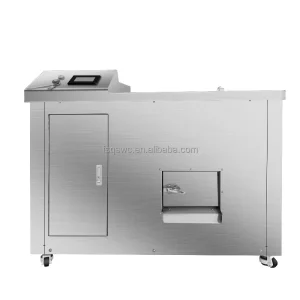
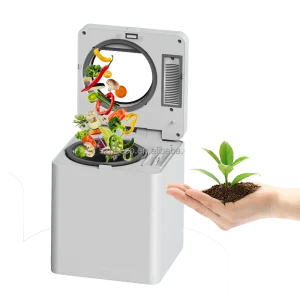
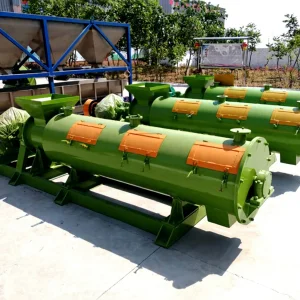
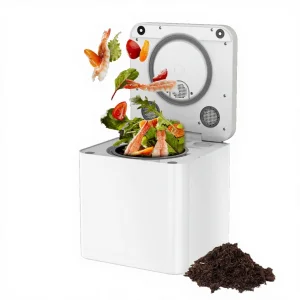
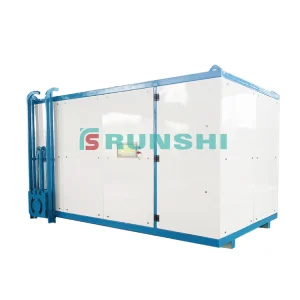
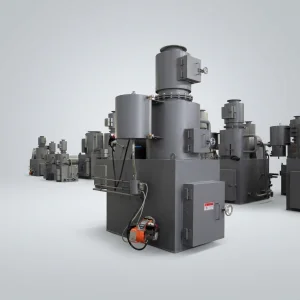
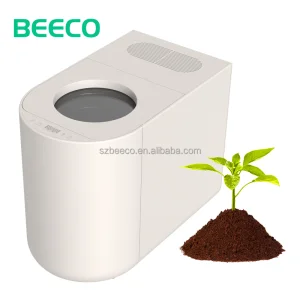
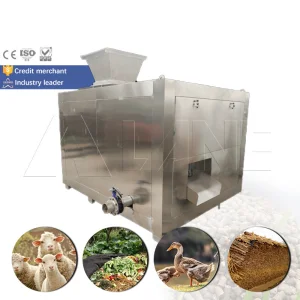
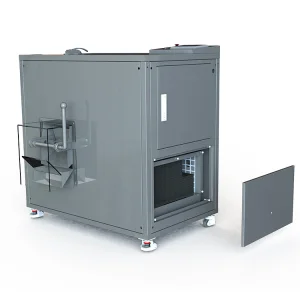
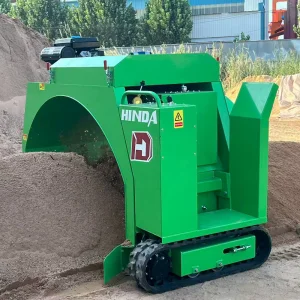
South Korea stands as a global leader in organic waste recycling, achieving a recovery rate exceeding 95%. Since the implementation of the Volume-Based Waste Fee (VBWF) system and the total ban on direct landfilling of food waste, the demand for high-efficiency Industrial Organic Waste Composting Machines has skyrocketed. For Korean enterprises—ranging from food processing plants in Gyeonggi-do to large-scale canteens in Daegu—the transition from "waste disposal" to "resource recovery" is no longer optional; it is a regulatory mandate.
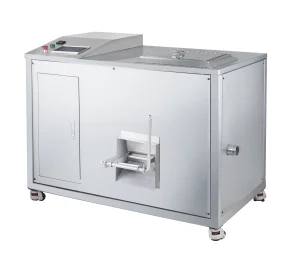
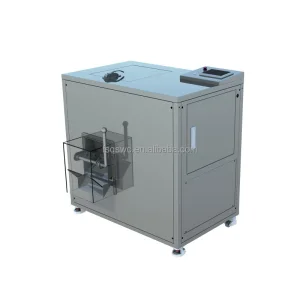
Our technology roadmap for the Korea market focuses on three core pillars: Volume Reduction (up to 90%), Odor Mitigation (Advanced Plasma Deodorization), and AI-Enabled IoT Monitoring. These machines are engineered to handle the high moisture and salinity content typical of Korean cuisine, ensuring stable aerobic fermentation in under 24 hours.
Chengdu AgBio Energy Co., Ltd. (est. 2013) is a vanguard in the organic waste treatment sector. Headquartered in Chengdu, Sichuan, our 16,000-square-meter facility represents the pinnacle of Industry 4.0 manufacturing. We provide the Korean market with a unique value proposition: the precision of German-inspired engineering coupled with the cost-efficiency and agility of the Chinese supply chain.
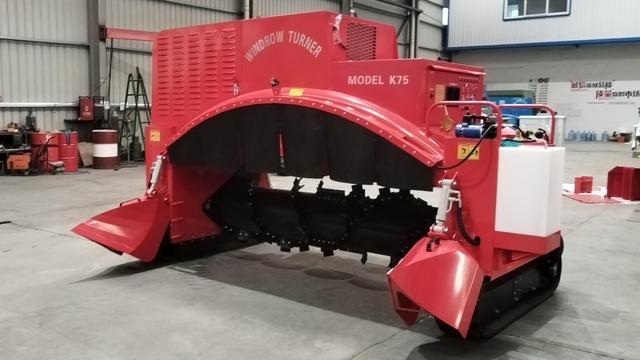
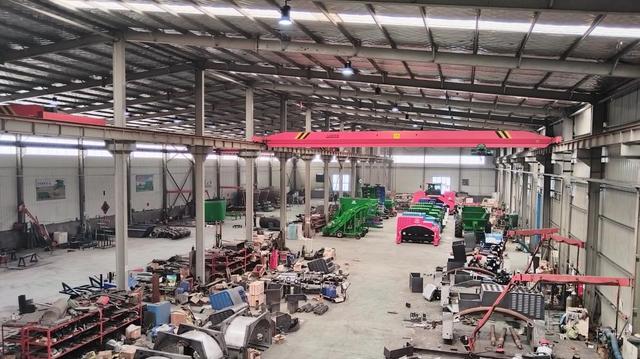
Our 230+ specialists integrate advanced aerobic fermentation technology with intelligent hardware. For Korean exporters and distributors, we offer KC-compliant (Korea Certification) components, ensuring seamless integration into the local power grid (220V/60Hz) and strict adherence to the Ministry of Environment’s safety standards.
Utilizing thermo-tolerant microbial strains that thrive in high-salinity environments, our machines achieve peak decomposition within 12-24 hours.
The byproduct is a stabilized, pathogen-free organic fertilizer that meets Korea's "Fertilizer Control Act" requirements.
Predictive AI algorithms optimize heating cycles, reducing electricity consumption by 30% compared to traditional composters.
Navigating the South Korean market requires deep understanding of local logistics and legal frameworks. We provide:
As South Korea moves toward the 2050 Carbon Neutrality goal, the management of organic waste has shifted from a "linear" model to a "circular" one. Our machines serve as the critical link in this chain. By converting waste at the source, businesses can bypass high municipal collection fees and contribute to the local nutrient cycle.
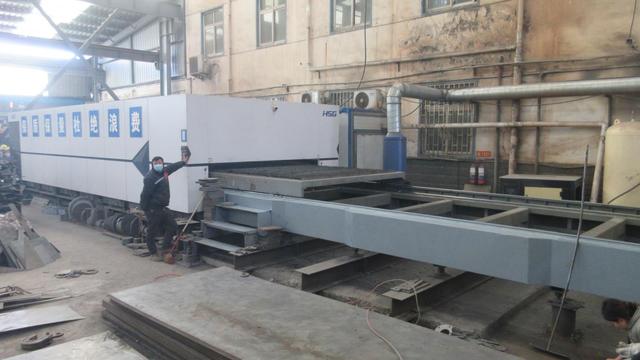
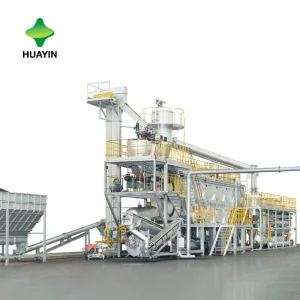
In collaboration with Korean environmental engineering firms, Chengdu AgBio Energy is pioneering the use of Modular Bio-Digesters. These systems can be scaled from a single restaurant unit to a municipal-level facility processing 50+ tons per day. Our commitment to sustainability is reflected in our ISO9001 and ISO14001 certified production processes, ensuring that every machine leaving our factory contributes to a cleaner, greener Korea.
 AgBio Energy