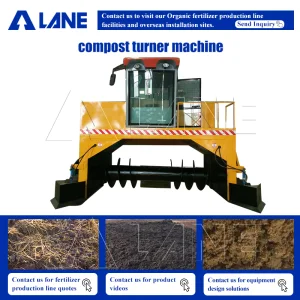
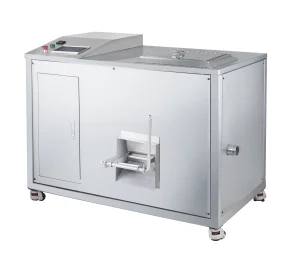
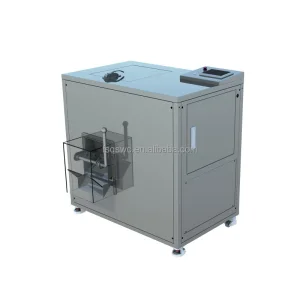
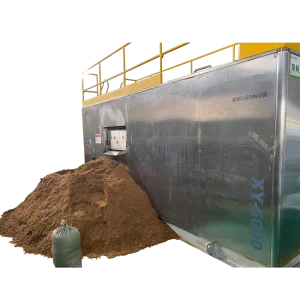
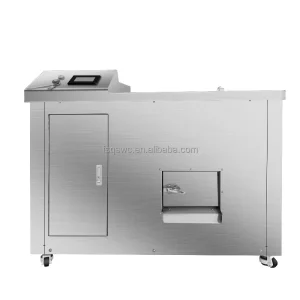
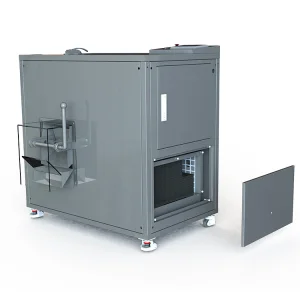
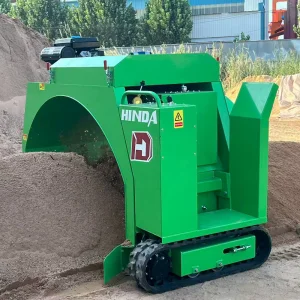
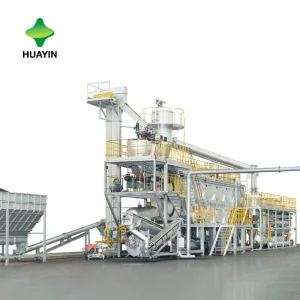
Kenya is currently undergoing a massive shift in its environmental policy, driven by the Sustainable Waste Management Act. With Nairobi alone generating over 2,400 metric tonnes of waste daily—of which approximately 60% is organic—the need for onsite industrial composting is critical. Our industrial composting machines are specifically engineered to handle the high-moisture tropical waste found in Kenyan markets and flower farms in Naivasha.
By shifting from the "linear economy" of the Dandora dumpsite to a "circular economy" model, Kenyan businesses can significantly reduce landfill taxes while producing high-quality organic fertilizer for the agricultural sector, which accounts for 33% of the nation's GDP.
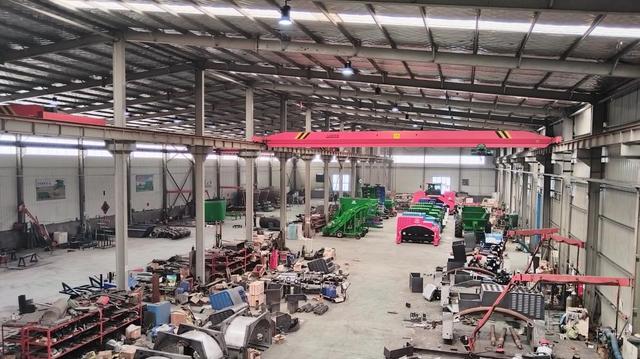
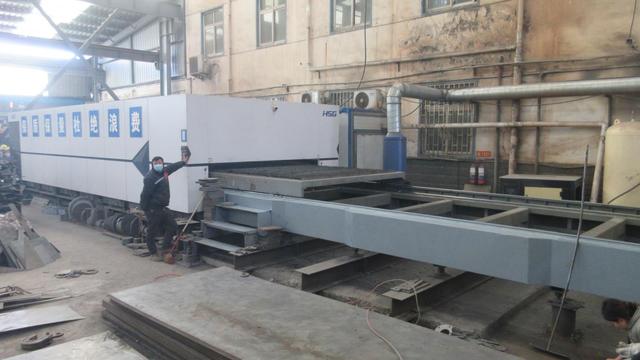
Chengdu AgBio Energy Co., Ltd. stands as a beacon of innovation in the waste management sector. Established in 2013 with a 16,000sqm facility, we combine high-end Chinese manufacturing efficiency with global environmental standards.
Cost Efficiency: We provide Kenyan enterprises with Tier-1 technology at 40% lower CAPEX compared to European alternatives.
Tropical Optimization: Our machines feature reinforced stainless steel (SUS304/316) to withstand the high humidity and acidity of Kenyan fruit and vegetable waste.
Smart Control: Integrated IoT systems allow for remote monitoring via Kenyan mobile networks (Safaricom/Airtel), ensuring uptime.
Convert pruning waste and processing pulp into nutrient-rich compost in Kericho and Nyeri to improve soil pH and yield quality without chemical fertilizers.
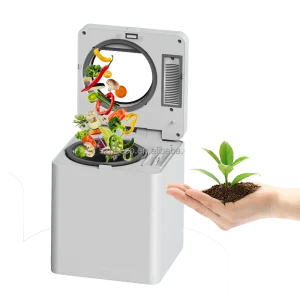
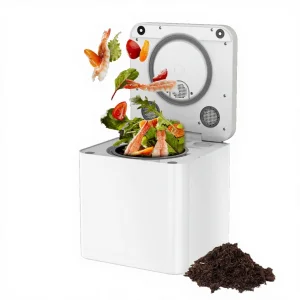
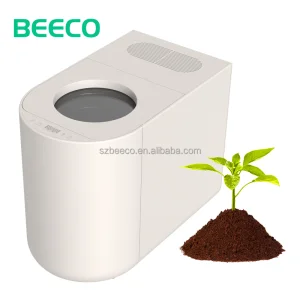
Eco-lodges in Maasai Mara and 5-star hotels in Mombasa utilize our 24-hour rapid composters to manage kitchen waste silently and odor-free.
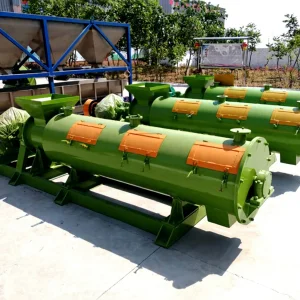
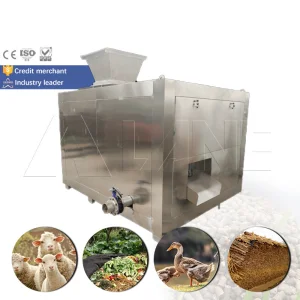
Municipalities in Kisumu and Nakuru deploy our heavy-duty industrial systems to process bulk vegetable waste from open-air markets.
The global industrial composting market is projected to reach $12.5 billion by 2028. In Kenya, this growth is accelerated by the move toward Regenerative Agriculture. Modern machines are no longer just "bins"—they are sophisticated bioreactors. Trends including Aerobic Hyper-thermophilic Fermentation allow for the destruction of pathogens and weed seeds within hours, not months, which is vital for the health of Kenya's export-oriented flower industry.
Furthermore, the integration of Carbon Credit Verification systems within composting machinery is a rising trend. By diverting waste from anaerobic decay in landfills, Kenyan businesses can potentially monetize their carbon savings on international markets.
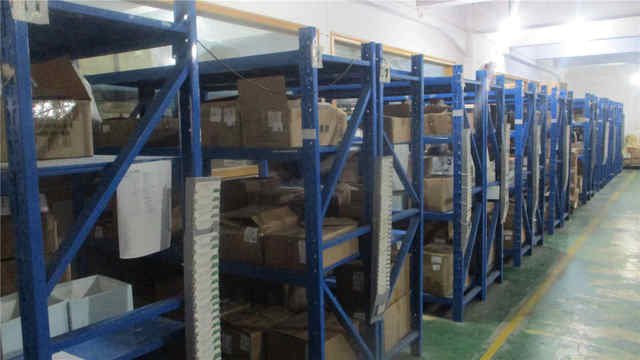
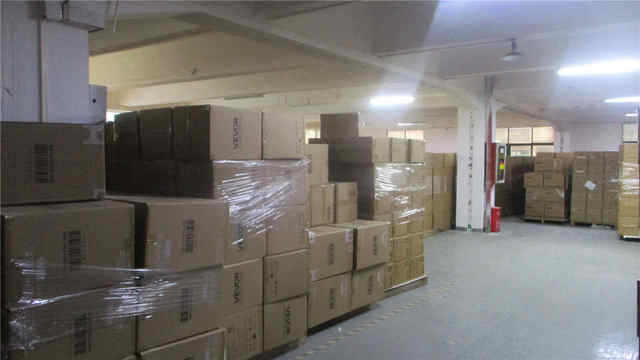
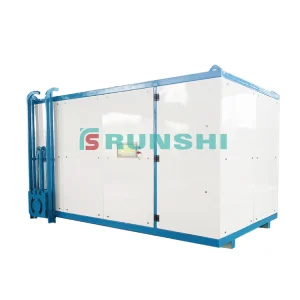
In the Kenyan context, decentralized waste treatment—processing waste exactly where it is generated—is the most viable solution to overcome transportation logistics and fuel costs. Our machines facilitate this by offering footprints as small as 2 square meters for a 100kg/day system, up to massive horizontal fermentation tanks for municipal scale.
Partner with Chengdu AgBio Energy for reliable, high-performance composting technology in Kenya.
Send Inquiry Now & Get Free Project Assessment
 AgBio Energy