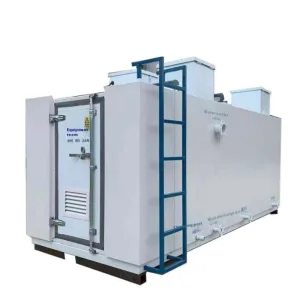
Automatic Bio-Degradation Equipment for Livestock Farms with PLC Control

Product Description

Product Description
1. High Efficiency & Optimized Fermentation Process

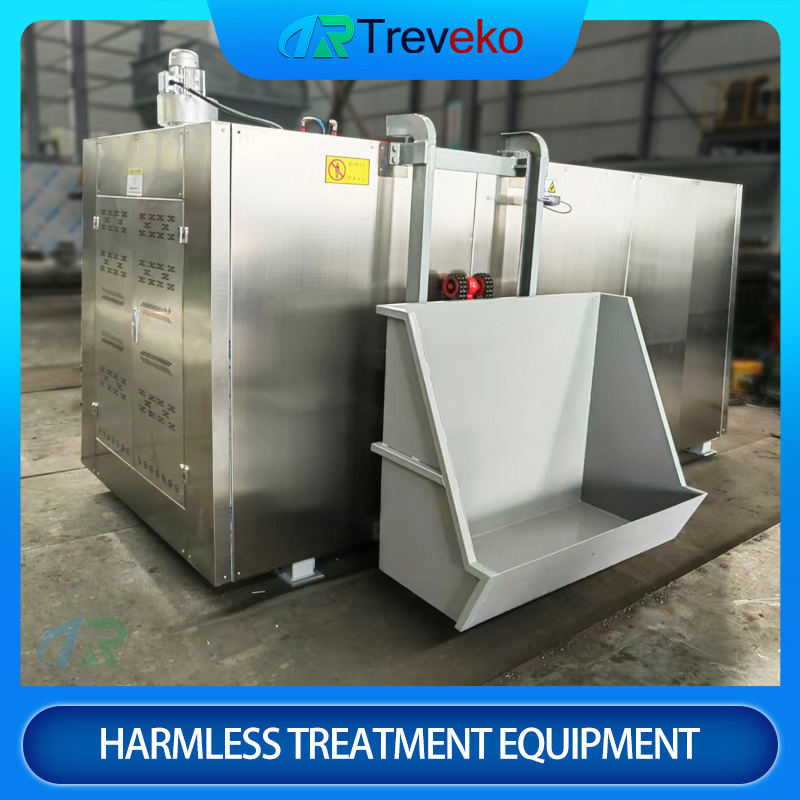
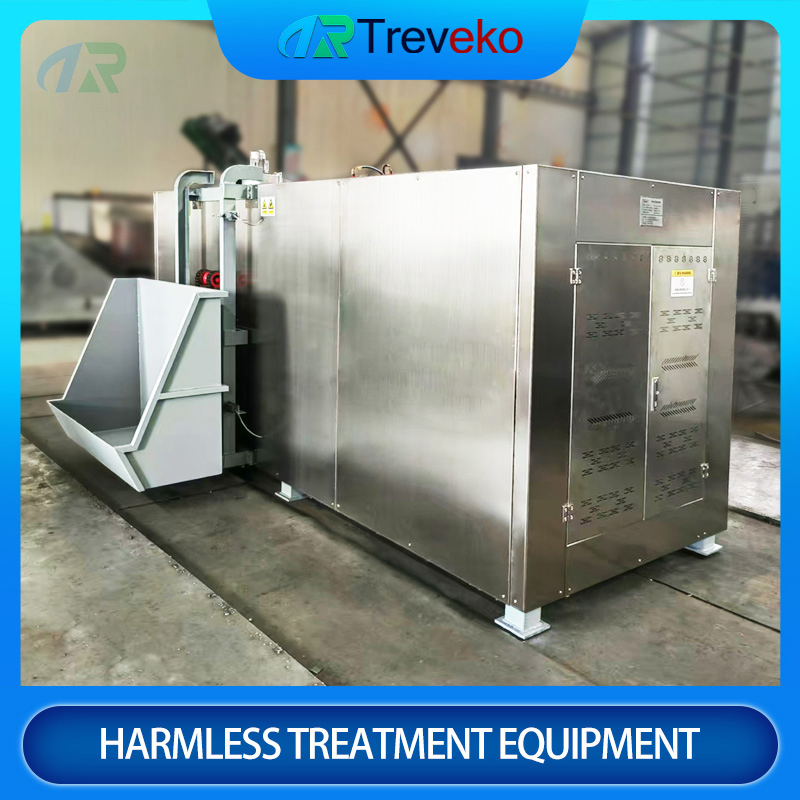
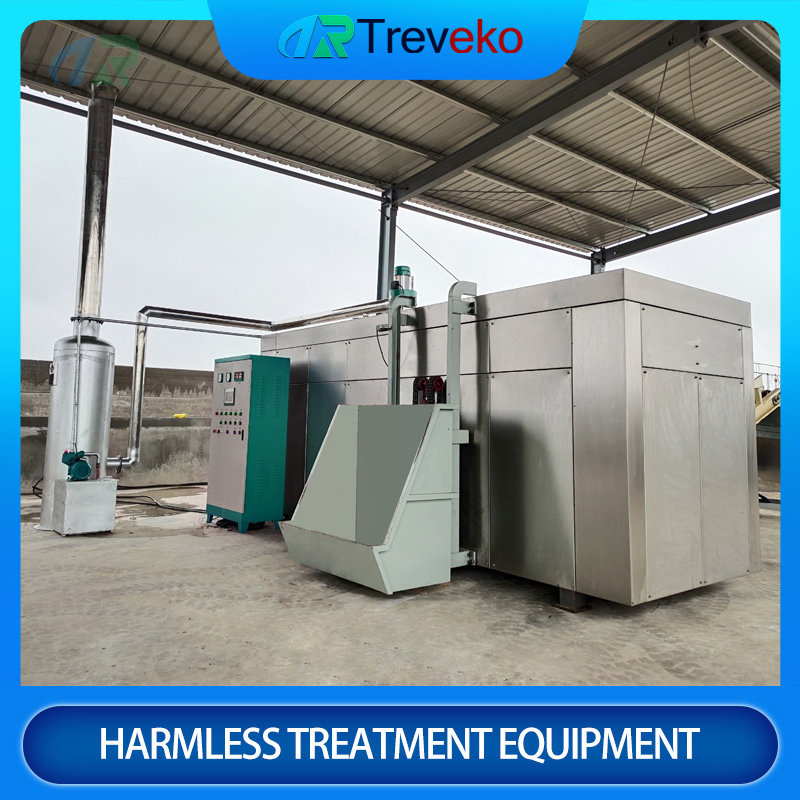
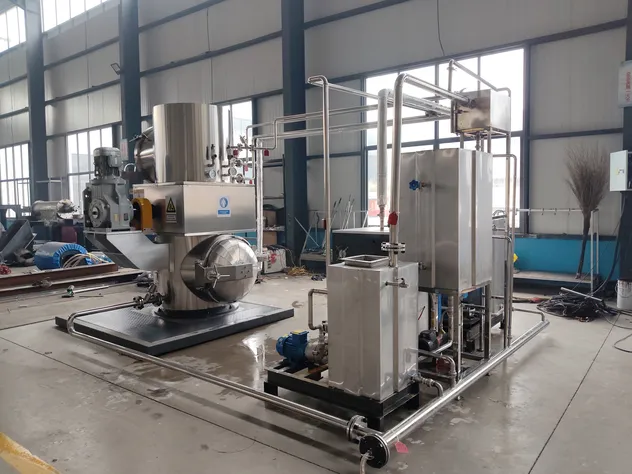
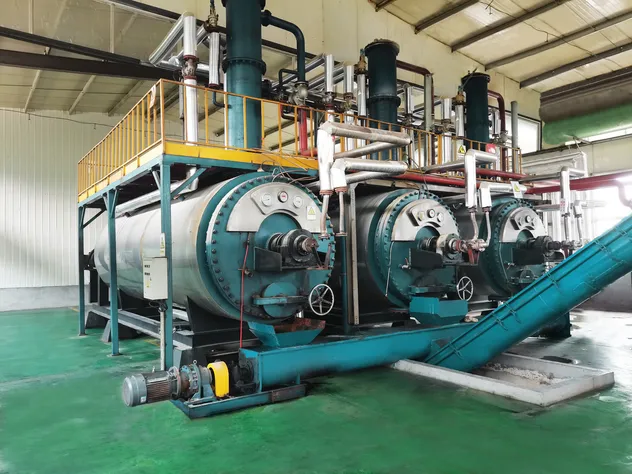
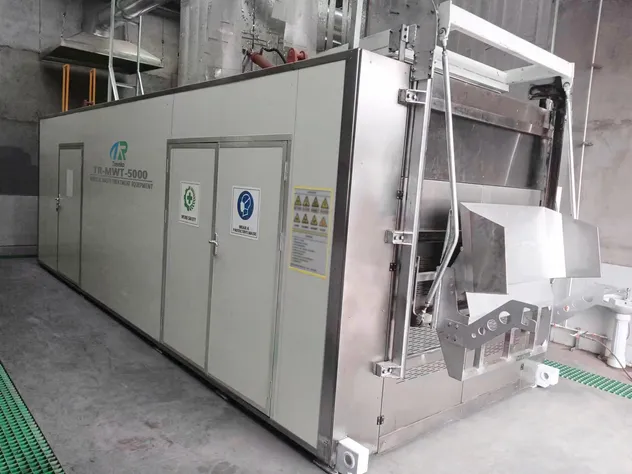
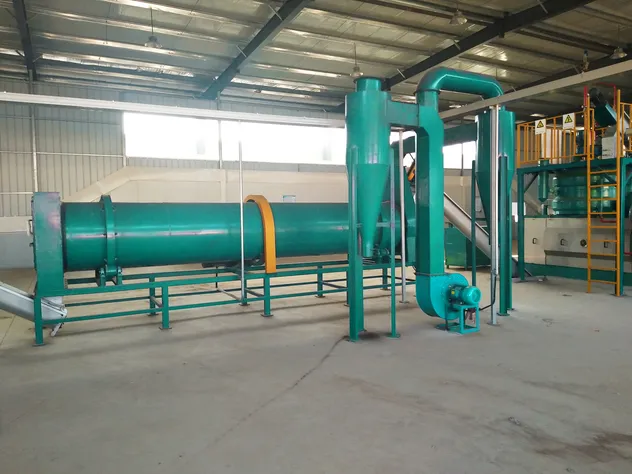
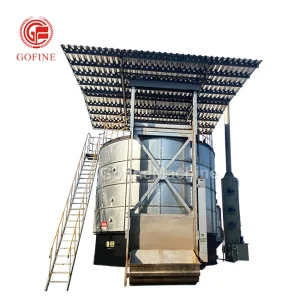
The High-Temperature Aerobic Fermentation Reactor offers batch capacities from 700kg to 3000kg, catering to farms of all scales. Its independent fermentation design enhances processing efficiency and shortens the treatment cycle. The reactor employs high-temperature aerobic fermentation, ensuring thorough sterilization and decomposition, resulting in uniform fermentation output suitable for high-quality organic fertilizer production.

2. Robust & Insulated Fermentation Tank Design

The fermentation tank is designed for durability and thermal efficiency. It utilizes a thermal oil heating system for consistent and controllable heat distribution. The tank exterior is insulated with 50mm thick rock wool to minimize heat loss, improve energy efficiency, and ensure stable high-temperature operation essential for effective biodegradation.

3. Automated & Centralized Control System

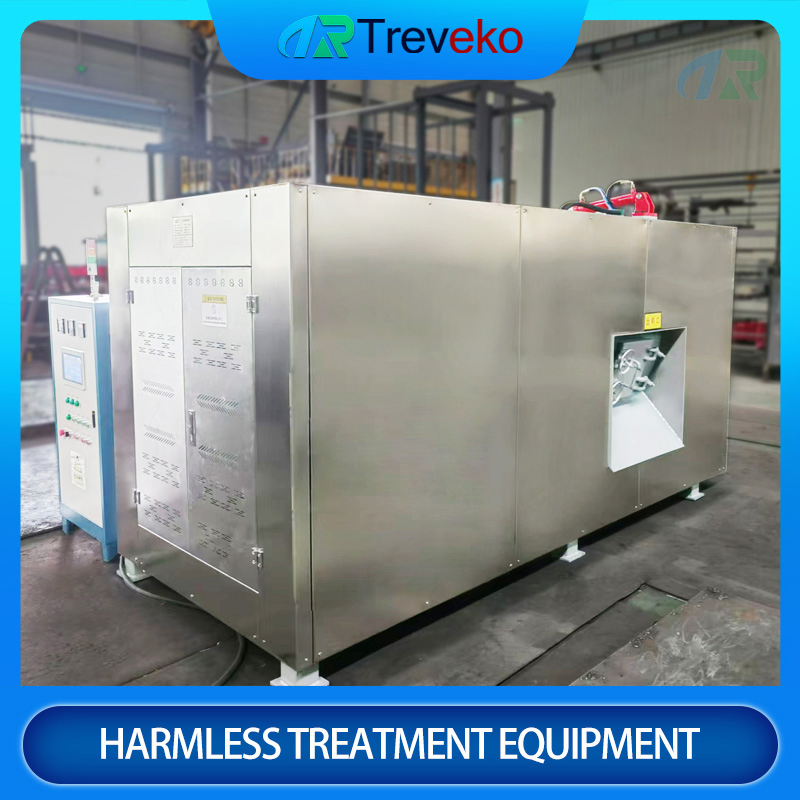
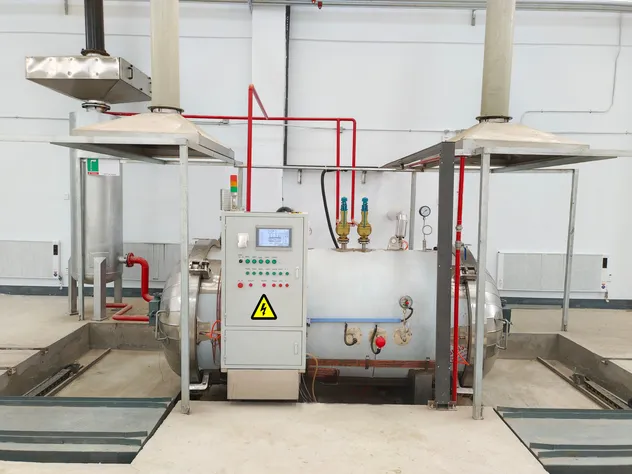
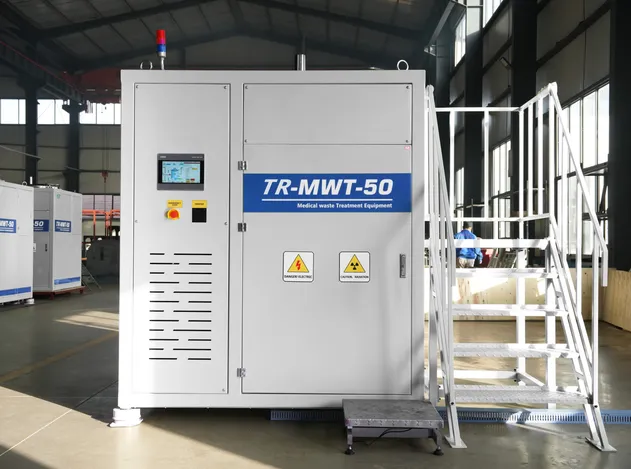
The fermentation unit operates via an integrated PLC-based control system, allowing for centralized management.
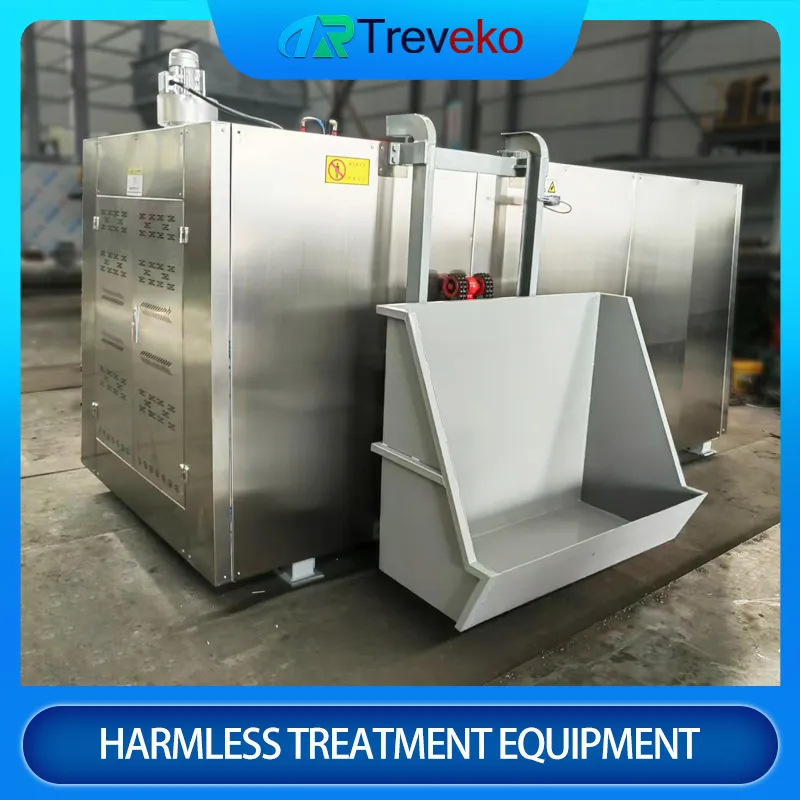
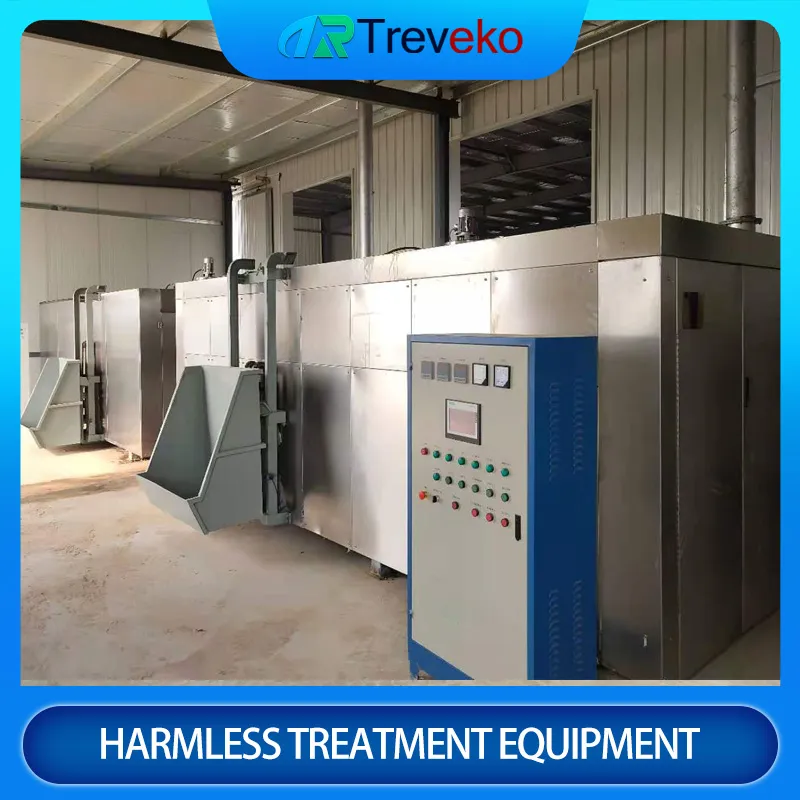
Automatic Bio-Degradation Equipment
PLC Control System
Comprehensive Pathogen Elimination

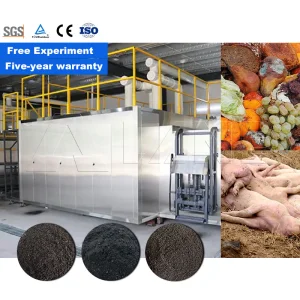
Utilizes high-temperature aerobic fermentation to effectively sterilize and decompose animal carcasses, eliminating harmful pathogens and preventing disease spread.

Eco-Friendly & Resource-Recovering

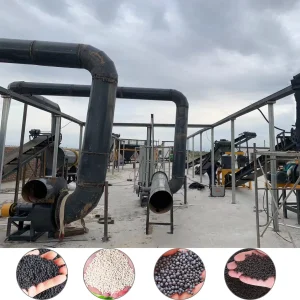
Transforms waste into valuable high-quality organic fertilizer base, promoting a circular economy. Equipped with an effective odor control system (spray scrubber) to treat gases emitted during processing, minimizing environmental impact.

Adaptable & Customizable

While standard models are offered, the external dimensions and some configurations can be redesigned to fit specific site layouts and customer requirements, providing flexibility for various farm installations.

Process Flow
1
Loading: Dead animals are placed into the hopper of the automatic lifting machine.
2
Lifting & Inclining: The lifter automatically elevates and tilts the hopper, discharging the carcasses into the crusher.
3
Fermentation & Sterilization: Inside the fermenter, under controlled temperature (heated by thermal oil) and with the addition of microbial agents, aerobic fermentation occurs. This process decomposes organic matter and sterilizes the material over a set period.
4
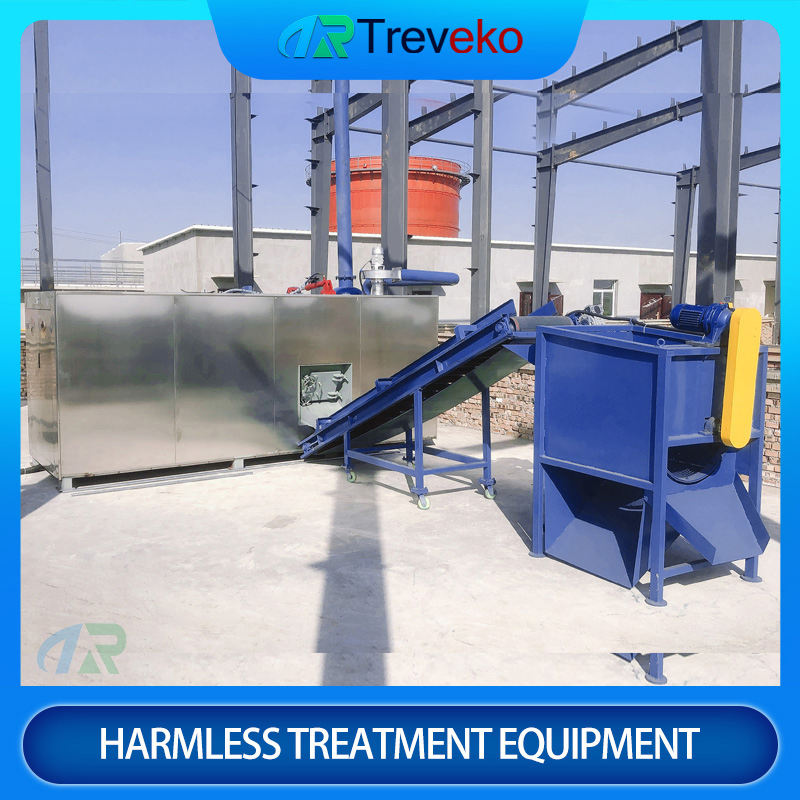
Discharge & Conveying (out): After completion, the fermented material is automatically discharged onto a belt conveyor.
5
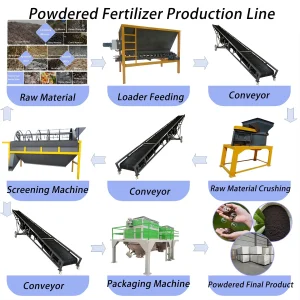
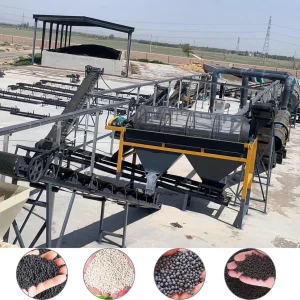
Final Product: The screened fine material serves as a high-quality organic fertilizer base.
6
Odor Treatment: Odorous gases generated throughout the process are extracted by fans and treated in a spray scrubbing tower before being released.
Specifications
Model Tank Dimensions (mm) Tank Volume Capacity Main Power Shaft Speed Overall Size (mm)
TR-FJ-700 U1000x2000 2.0 m³ 700 KG/Batch 4 kw 2 R/min 4280x1460x1900
TR-FJ-1000 U1100x2400 2.8 m³ 1000 KG/Batch 4 kw 2 R/min 4680x1540x2000
TR-FJ-1500 U1200x2700 3.9 m³ 1500 KG/Batch 5.5 kw 2 R/min 5240x1600x2100
TR-FJ-2000 U1300x3200 4.5 m³ 2000 KG/Batch 7.5 kw 2 R/min 5700x1700x2230
Other Products
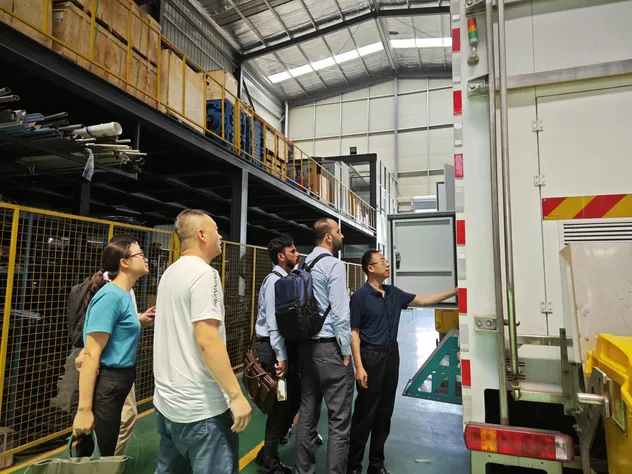
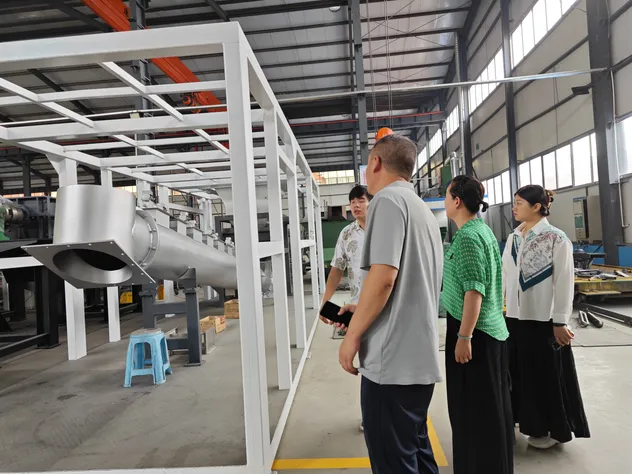
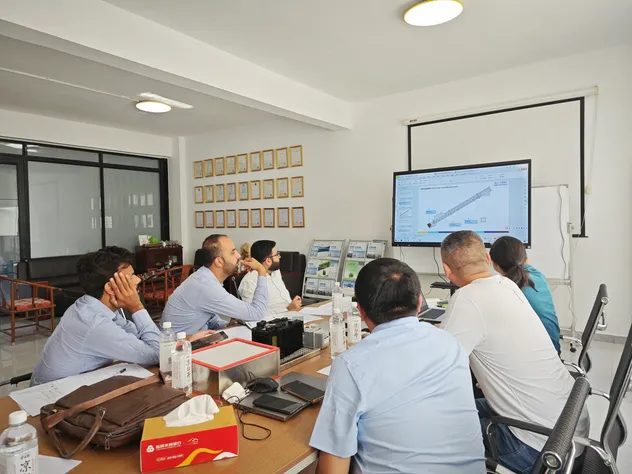
Customer Visits
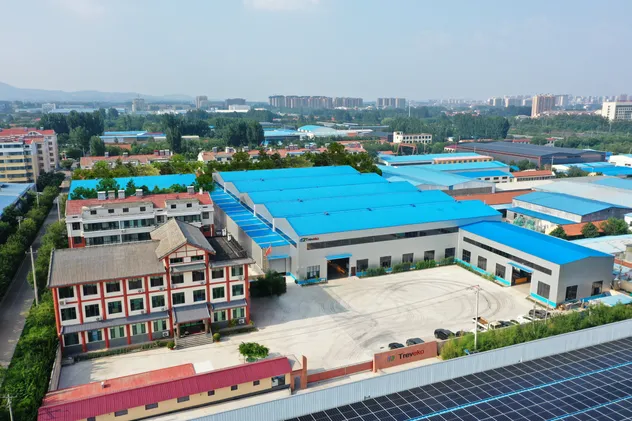
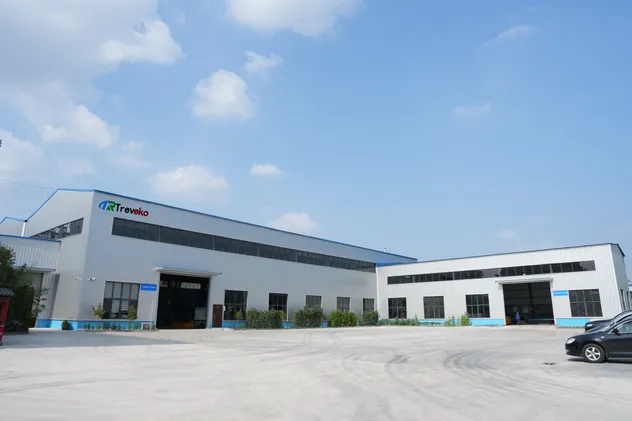
Company Profile

We are a Sino-foreign joint venture specializing in environmental technology. Our focus is on manufacturing environmental protection equipment, providing solid waste treatment solutions, and developing related technical services. We integrate international expertise to deliver innovative and sustainable products for ecological management.
Frequently Asked Questions
Q1: What types of medical waste is this equipment suitable for?
This equipment is mainly suitable for the disinfection of infectious medical waste generated by outpatient clinics, private clinics, and community hospitals, including used cotton swabs, gauze, disposable medical devices, masks, etc.
Q2: Can the equipment be customized to meet specific requirements?
Yes. We support customization of core parameters such as processing capacity, overall size, and control system to fit your site layout.
Q3: Is the operation complicated? Does it require professional personnel?
No, it's simple to operate. The PLC touchscreen allows for one-button start-up. Medical personnel can operate it independently after 10–30 minutes of training.
Q4: How does the system handle odors during fermentation?
The system is equipped with an integrated spray scrubbing tower and extraction fans that treat gases emitted during processing to ensure compliant and odor-free emissions.
Q5: What is the end product of the fermentation process?
The process converts organic waste into a high-quality organic fertilizer base, promoting environmental sustainability and resource recovery.
Q6: What about delivery and installation?
Delivery terms and installation support are resolved via negotiation according to the customer's actual needs and site conditions.

Related Products