AgBio Energy
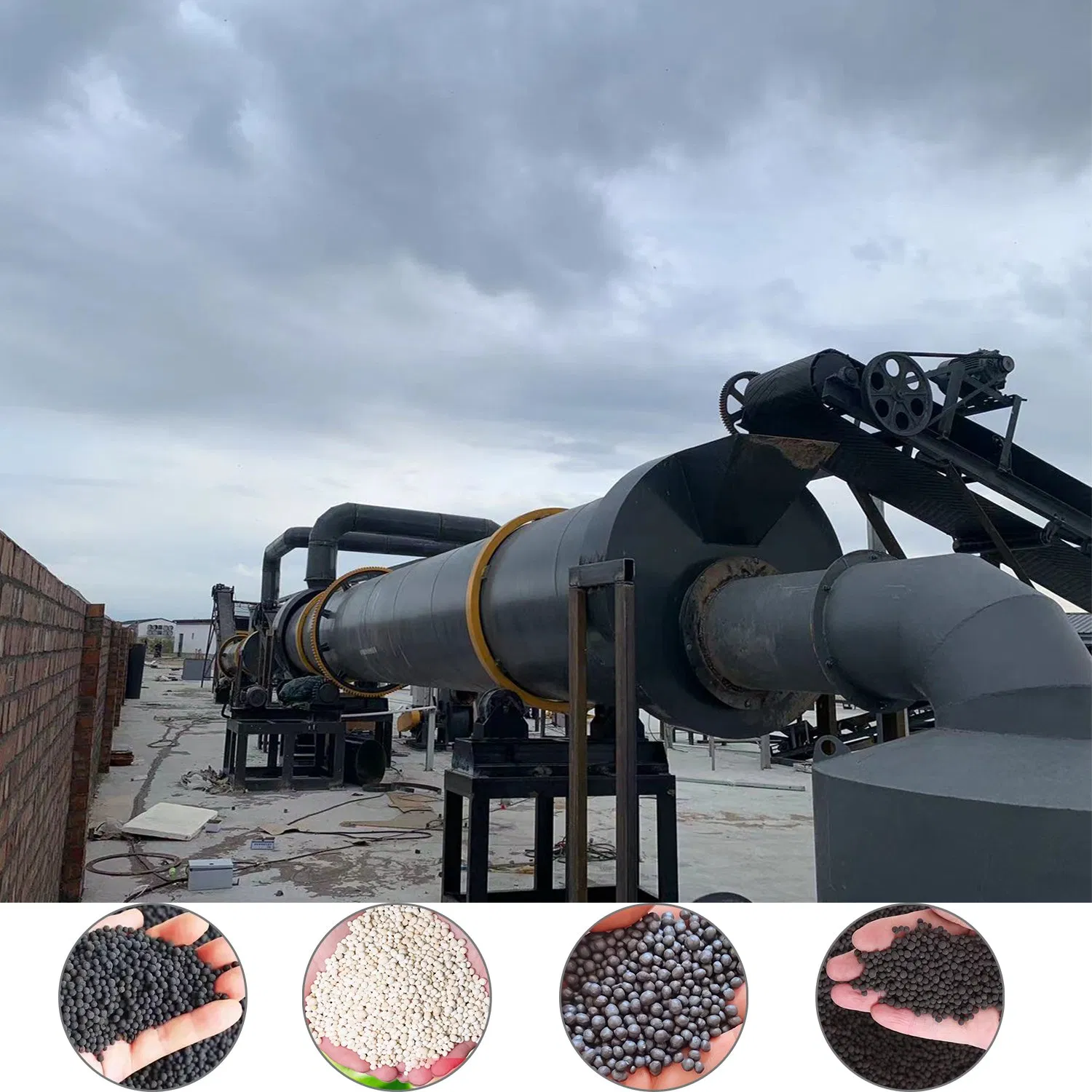
1 / 5
| Model NO. | Fertilizer Granulation Production Line |
| Type | Fertilizer Granulator Machine |
| Voltage | Customizable |
| Certification | CE, ISO |
| Usage | Organic Fertilizer Processing |
| Advantage | High Efficiency Low Energy Consumption |
| Function | Fertilizer Granule / Pellet Production |
| Package Size | 300.00cm * 200.00cm * 200.00cm |
| Package Gross Weight | 5000.000kg |
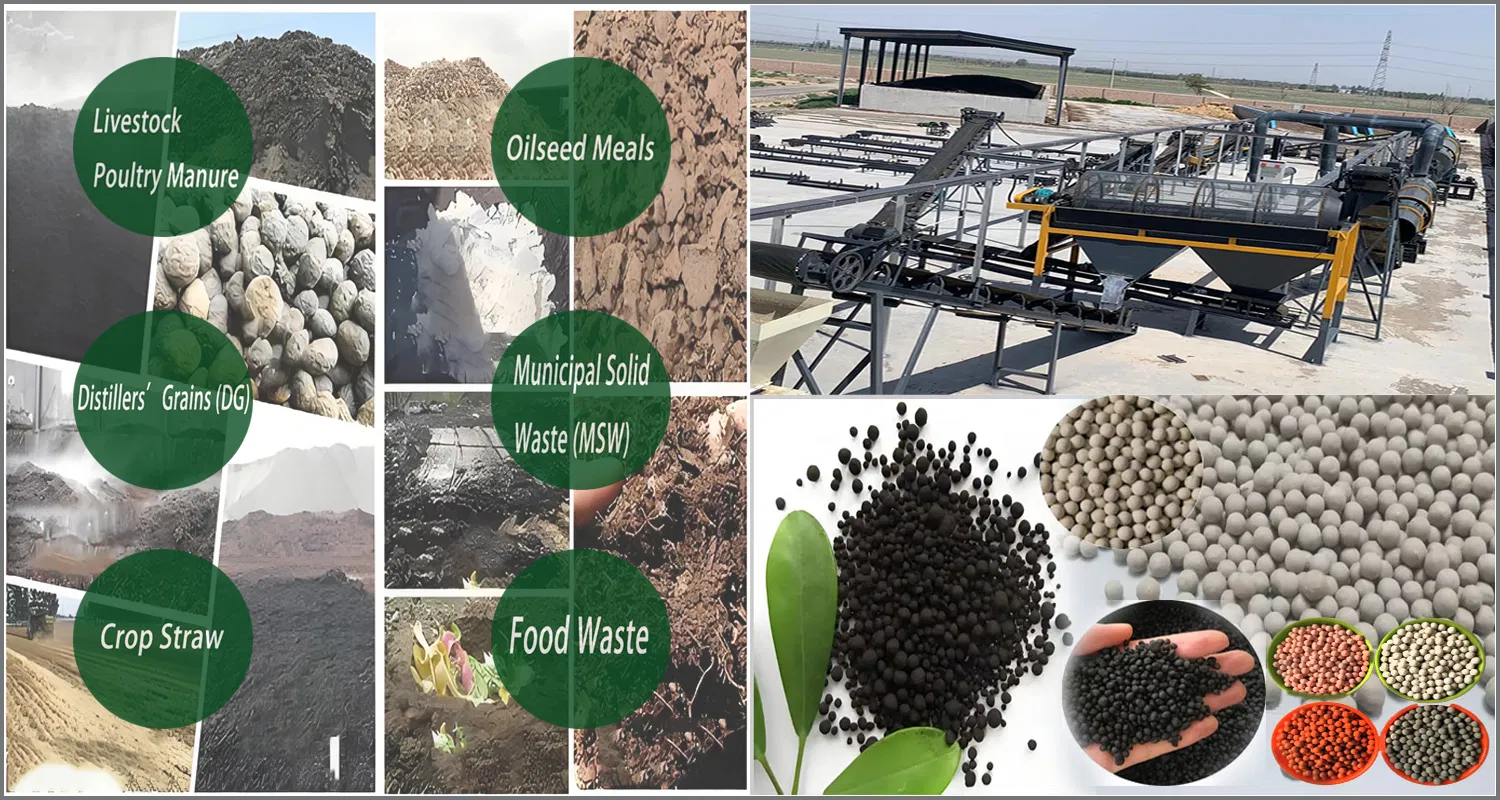
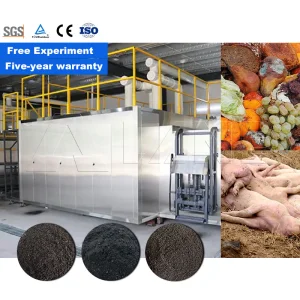
Suitable for various livestock farms, manure treatment centers, and the resource utilization of multiple organic wastes, including raw materials such as cow dung, sheep manure, pig manure, chicken manure, sludge, biogas residue, rice straw, and corn stalks.
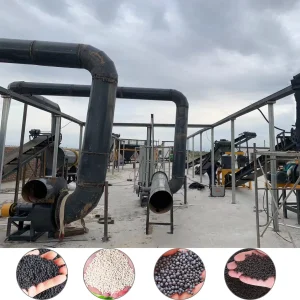
The produced granular organic fertilizer primarily uses livestock manure and agricultural waste as raw materials. The final product is rich in nitrogen, phosphorus, potassium, organic matter, amino acids, protein, and other nutrients. It offers comprehensive fertilizer efficiency and meets green agriculture fertilizer standards.
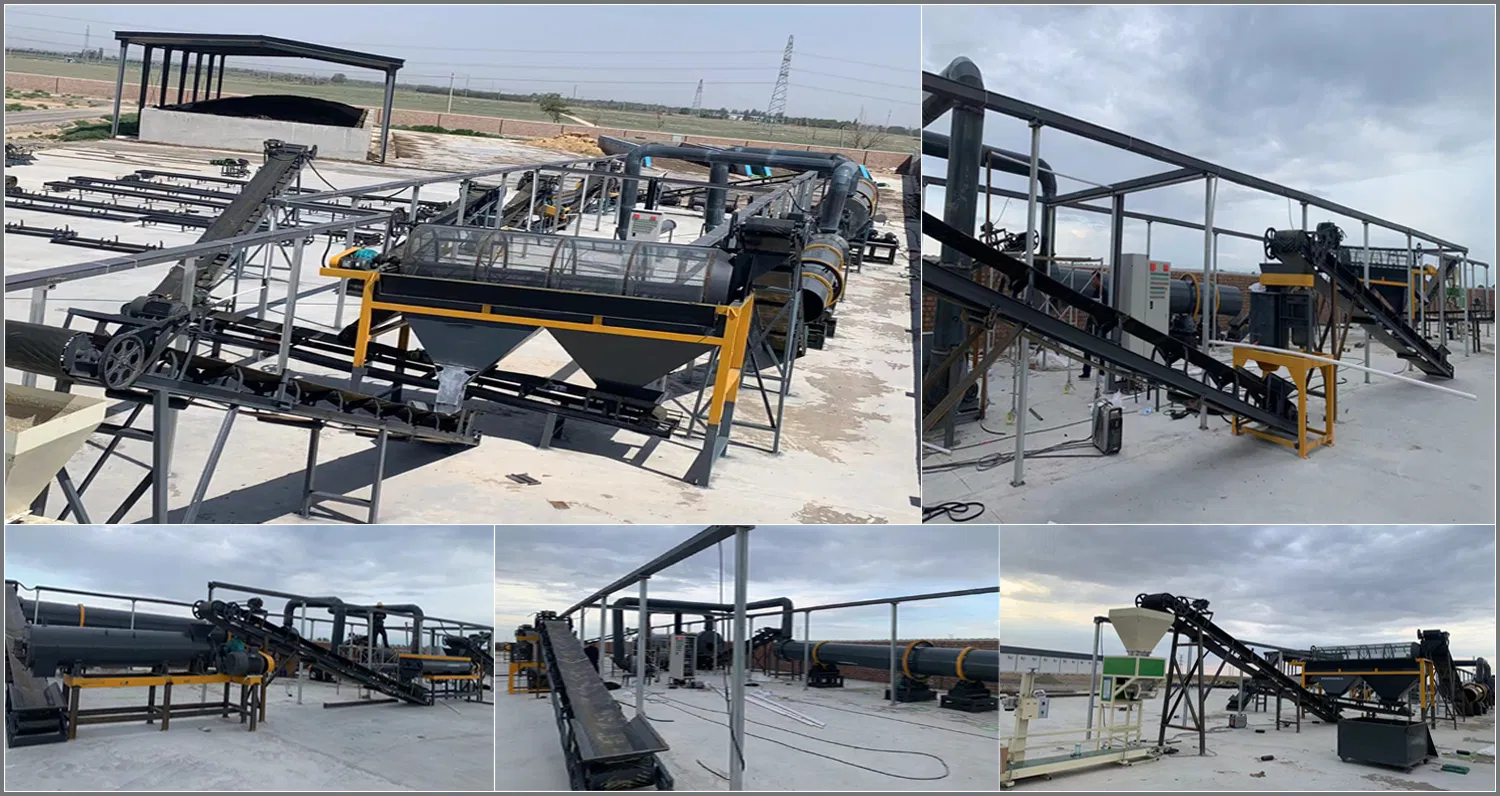
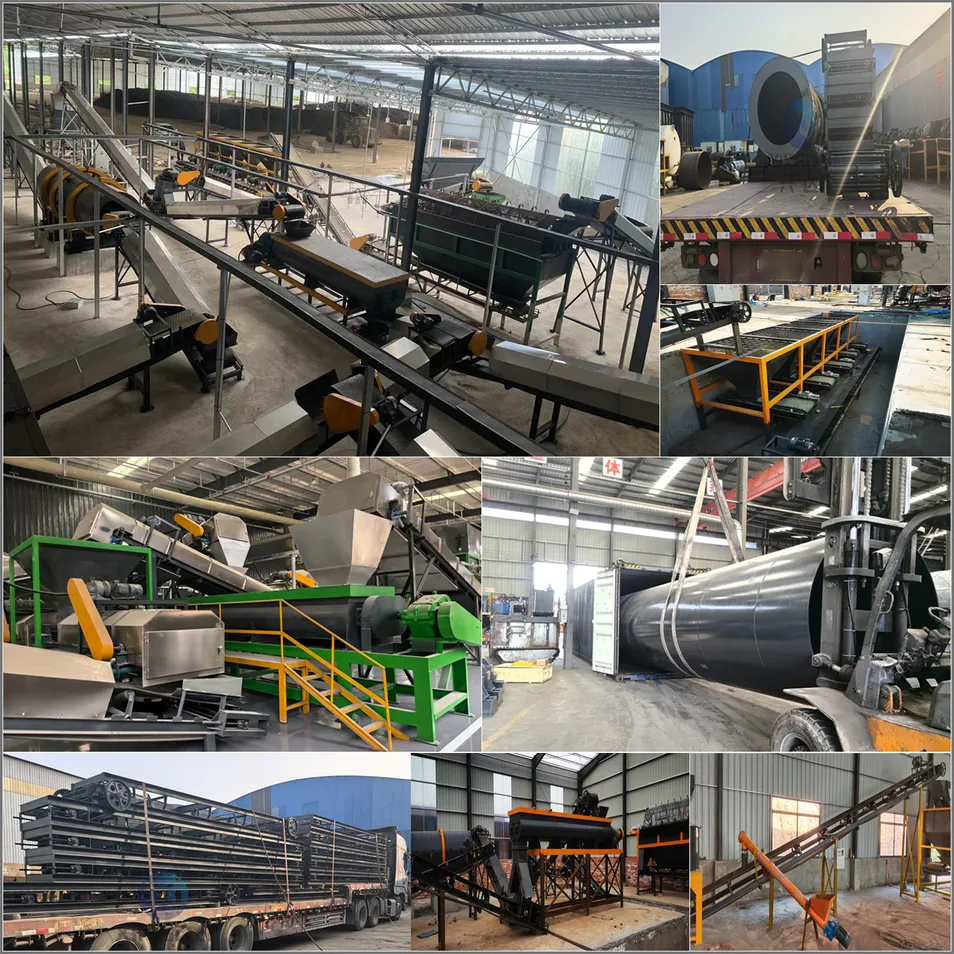
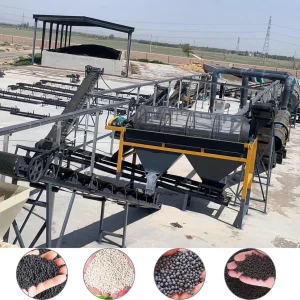
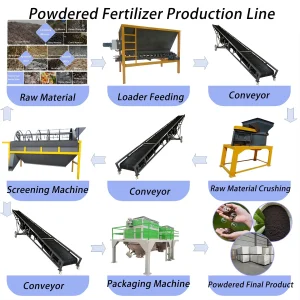
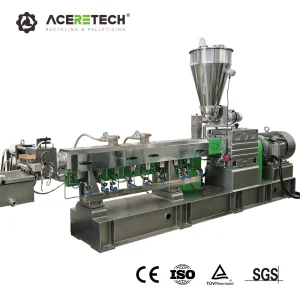
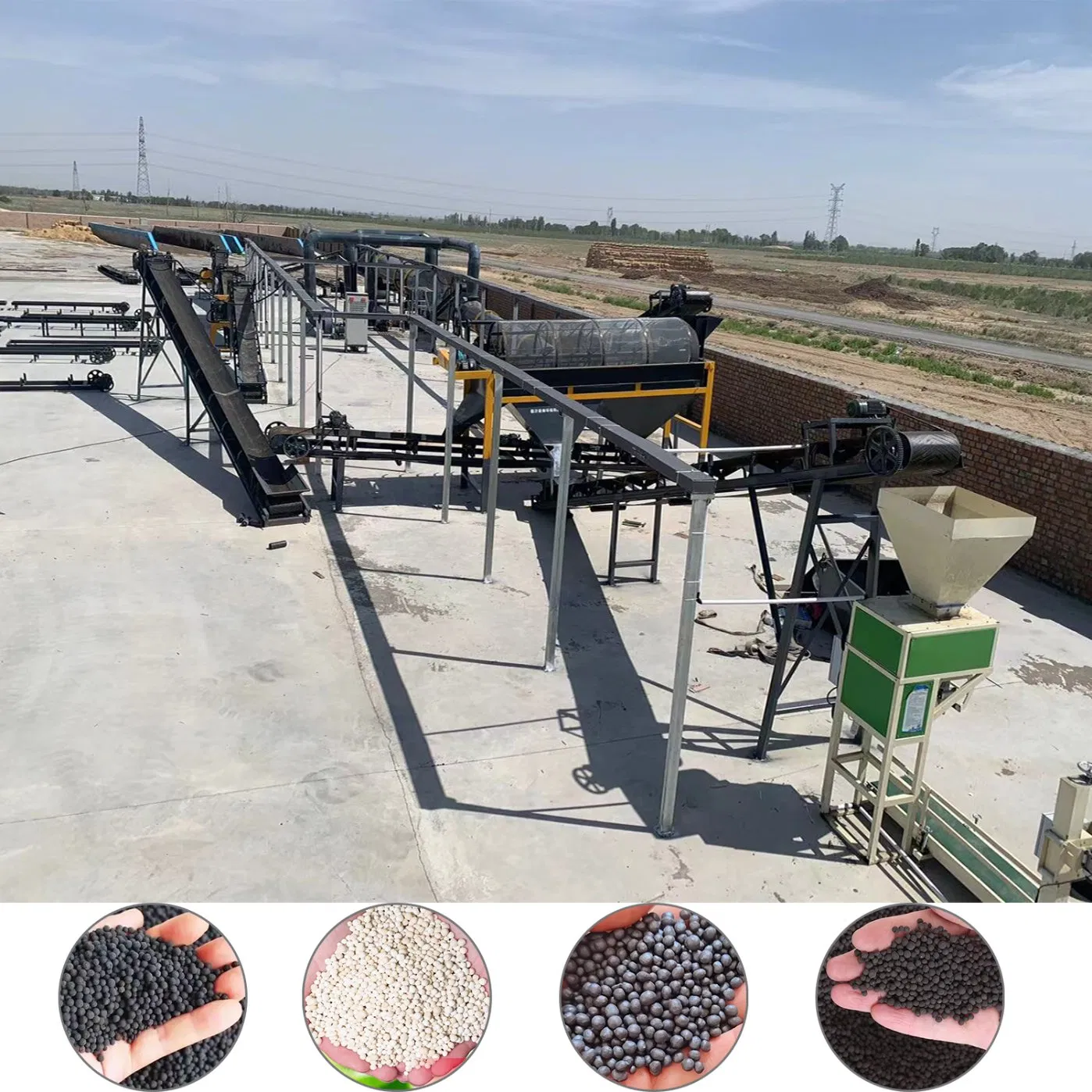
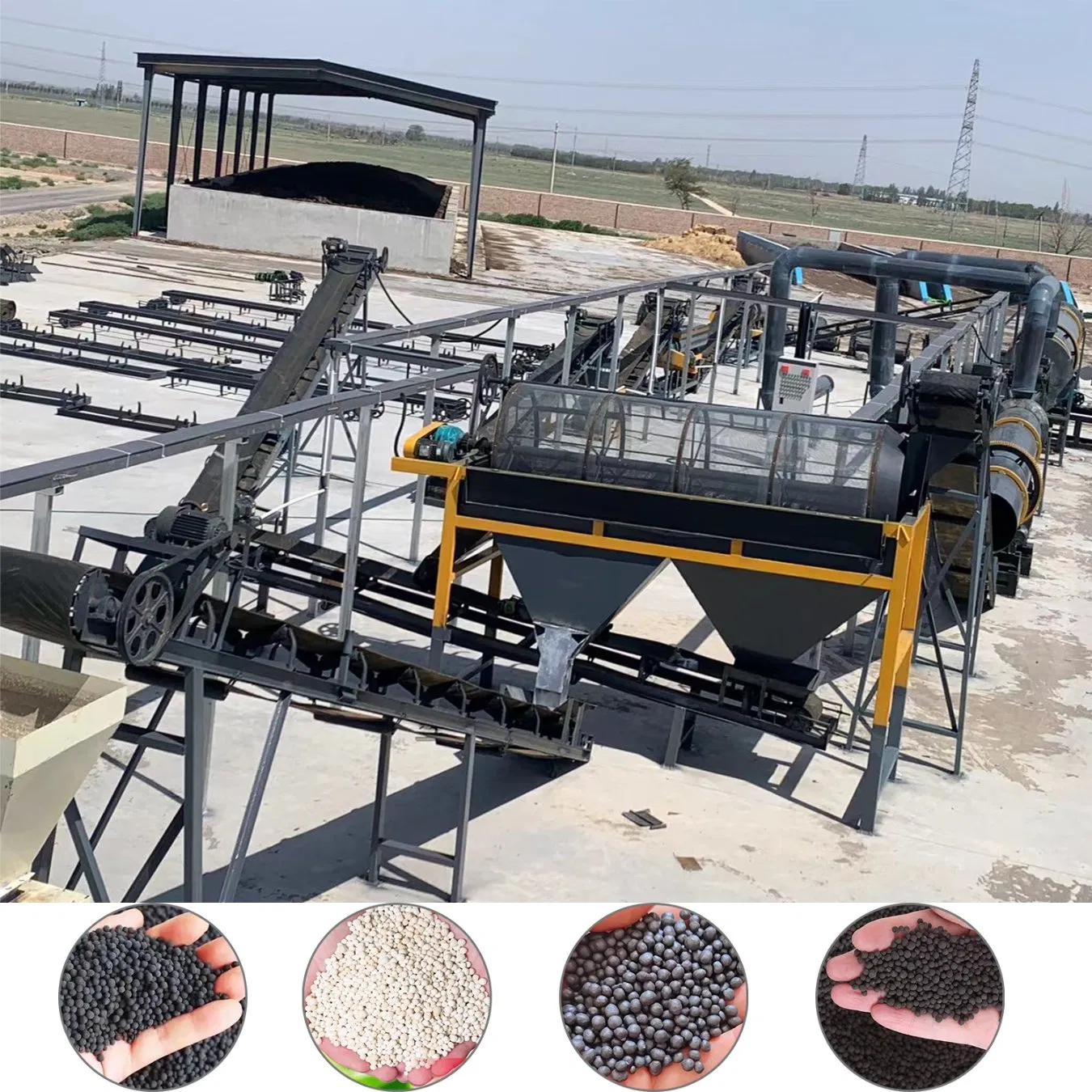
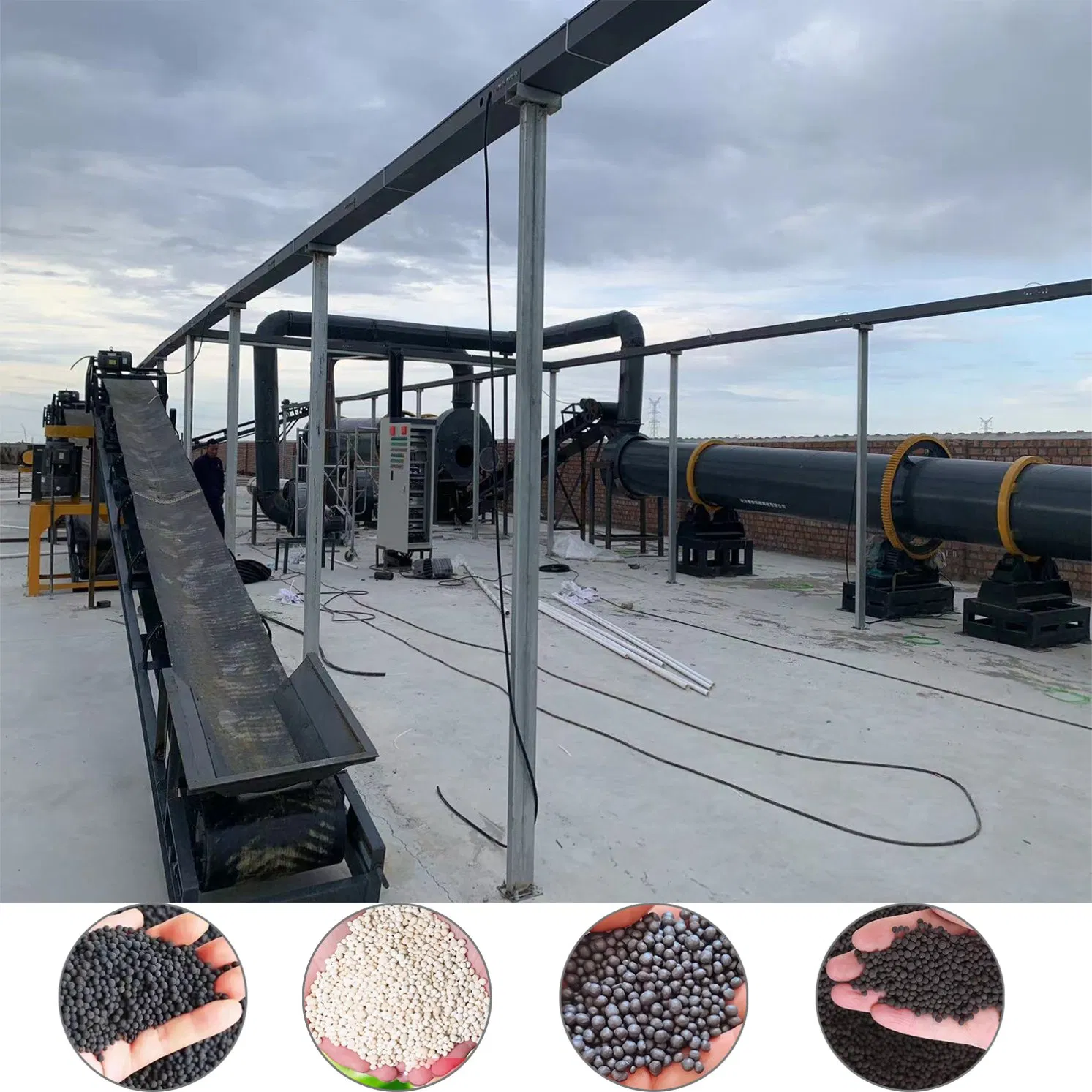
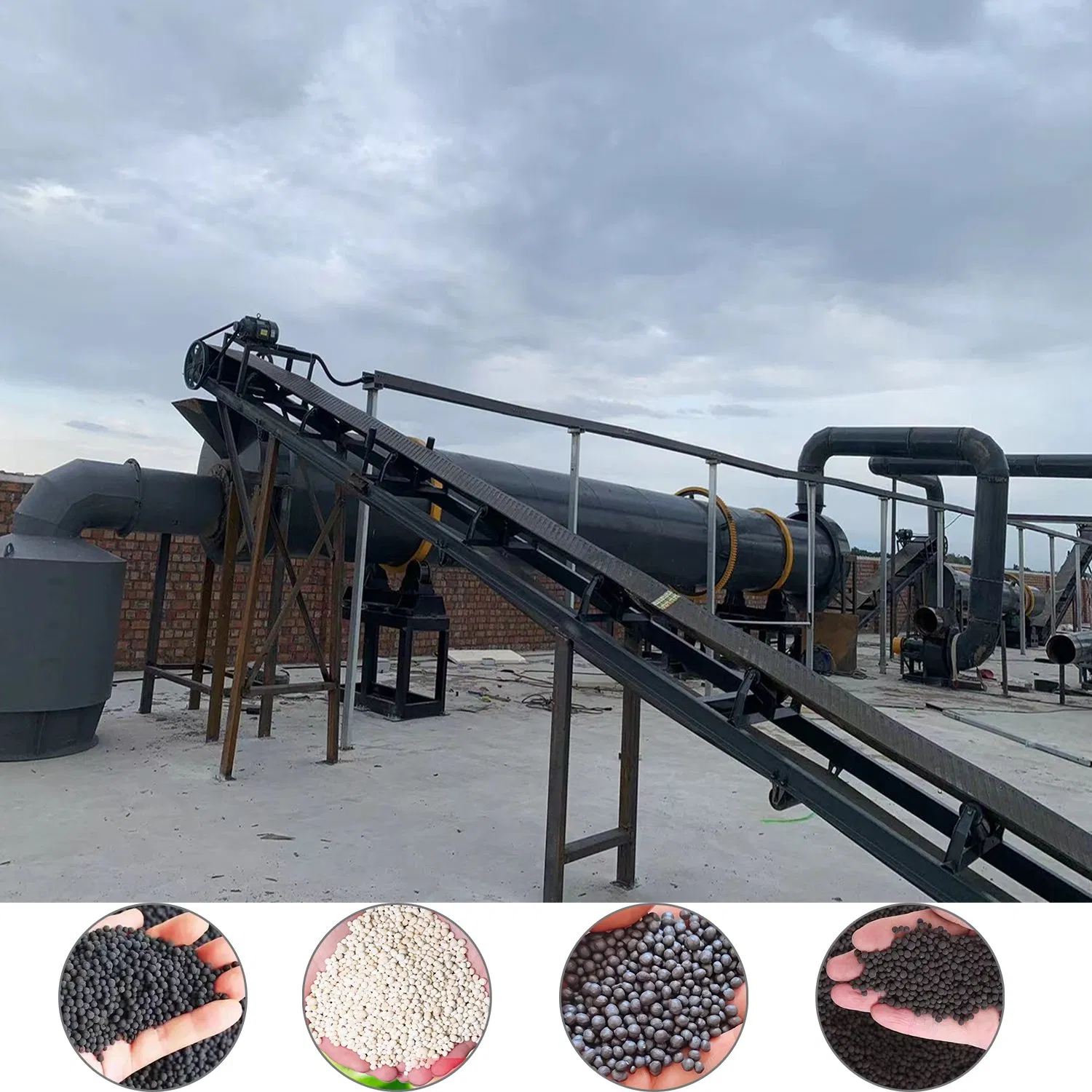
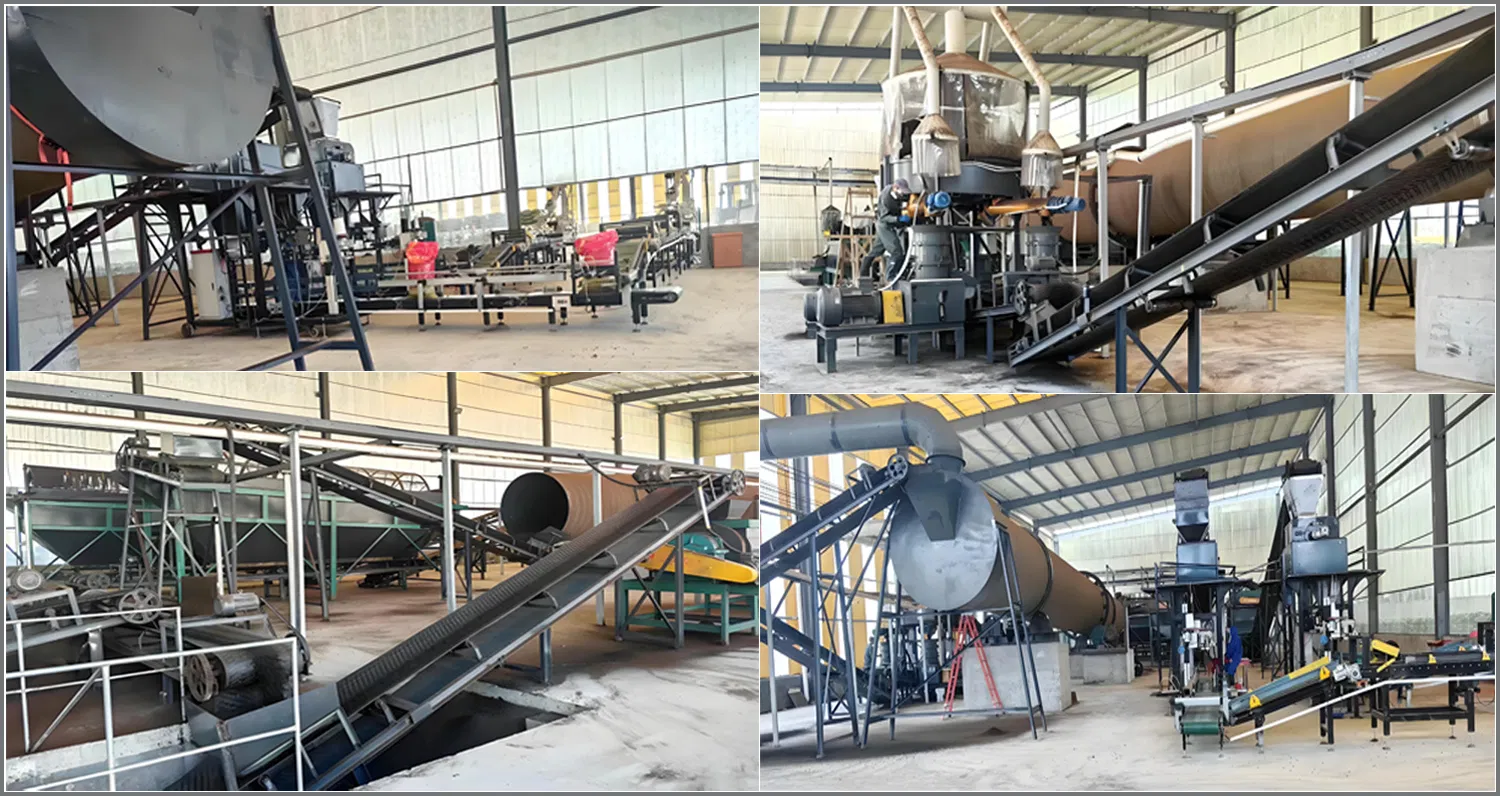
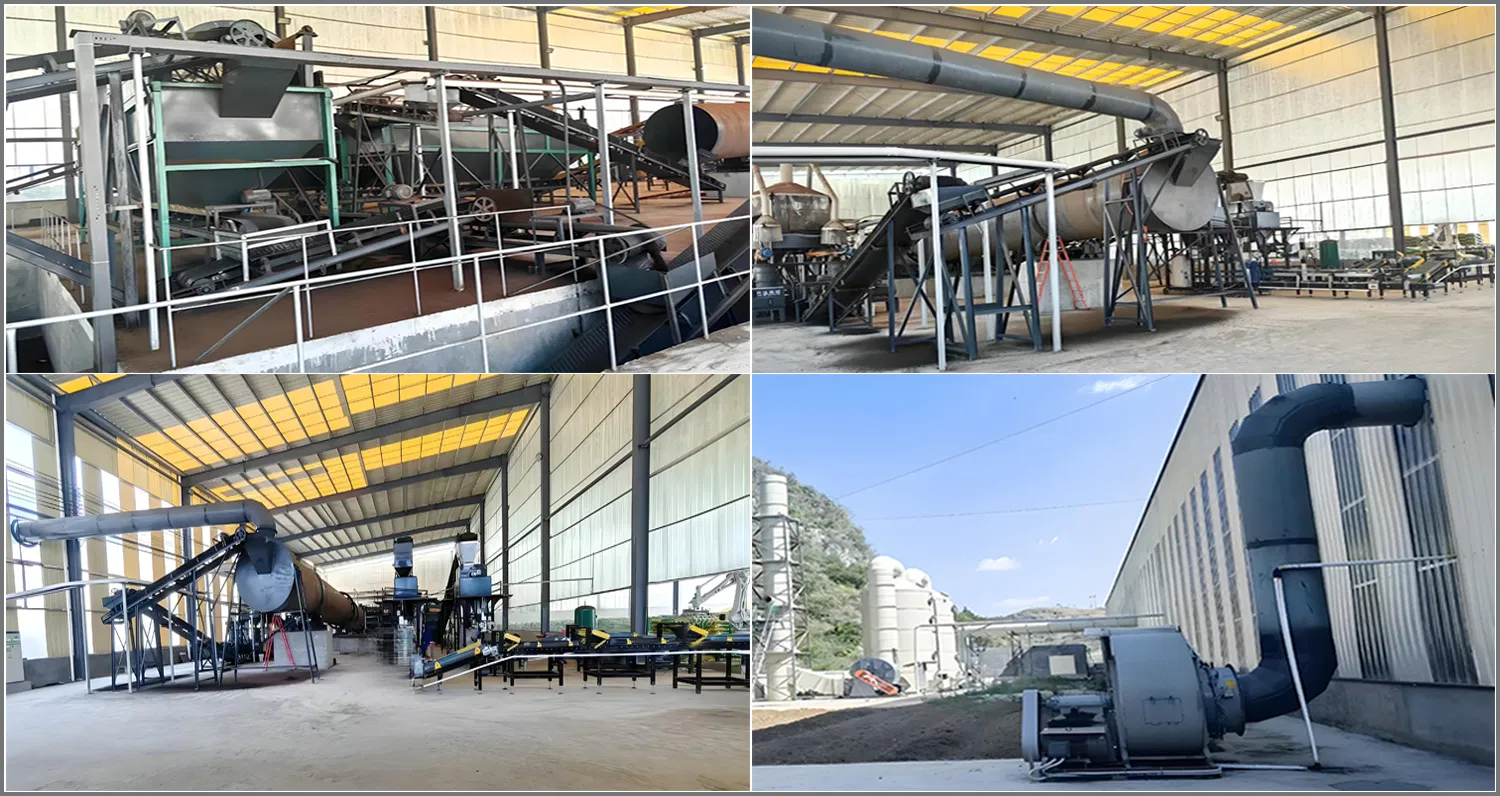
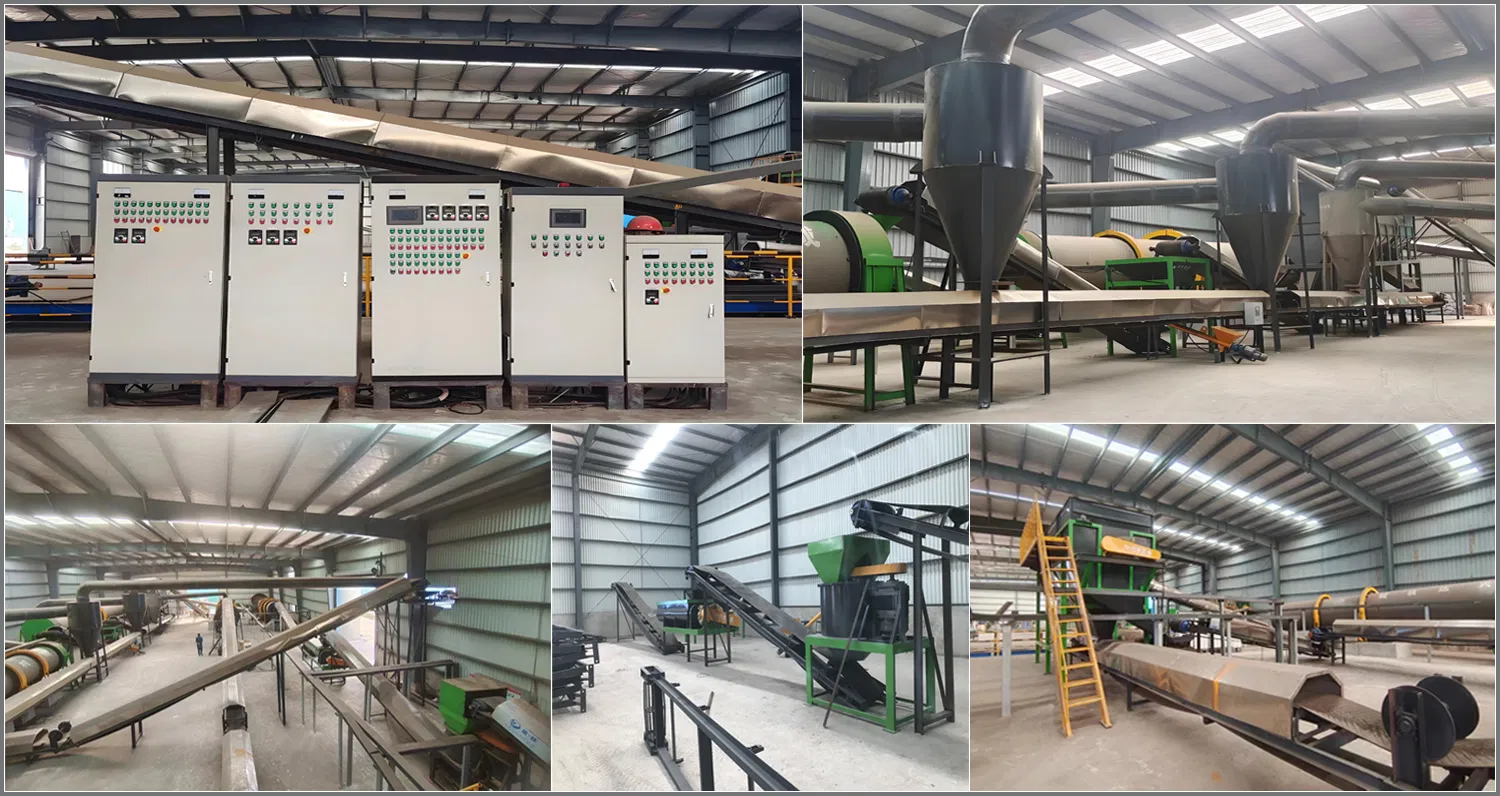
The fermented organic material is screened and then measured, batched, and thoroughly mixed with other raw materials according to the formulation ratio. The blended material is evenly and continuously fed into the granulator via a variable-speed belt conveyor for shaping. The granules are then polished, rounded, dried at low temperature with high air volume (≤65°C), cooled, and screened. Qualified granules are transported by a bucket elevator to the finished product silo and finally measured and packaged by a computer-controlled quantitative packaging system.
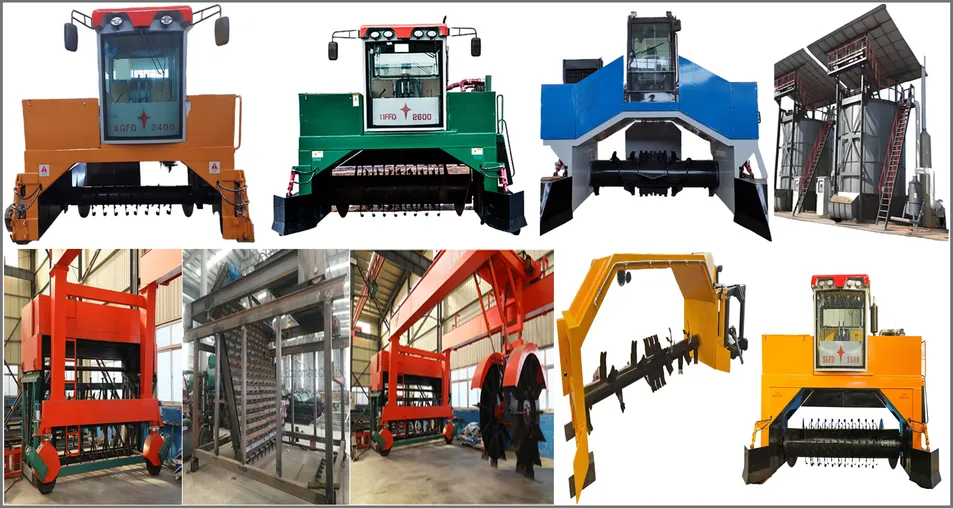
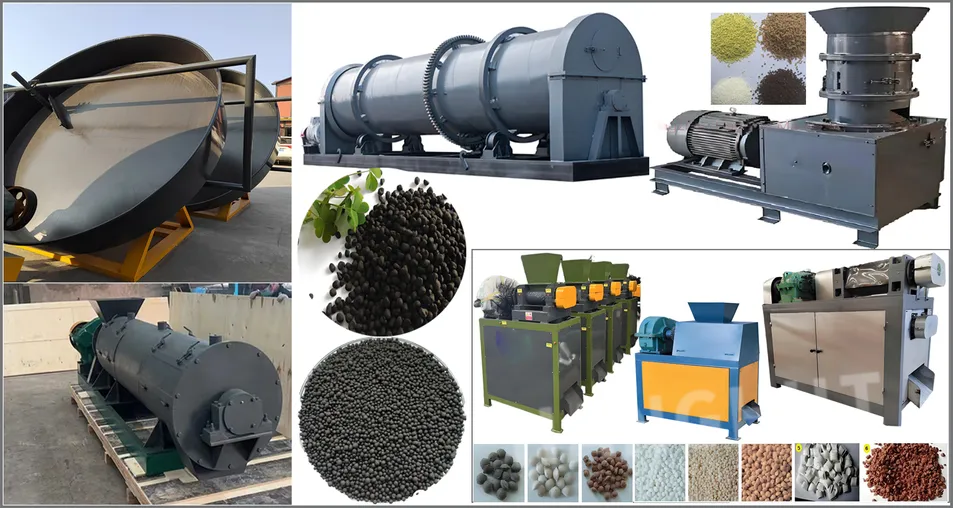
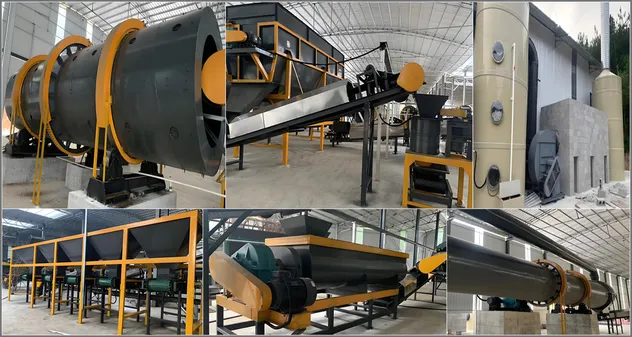
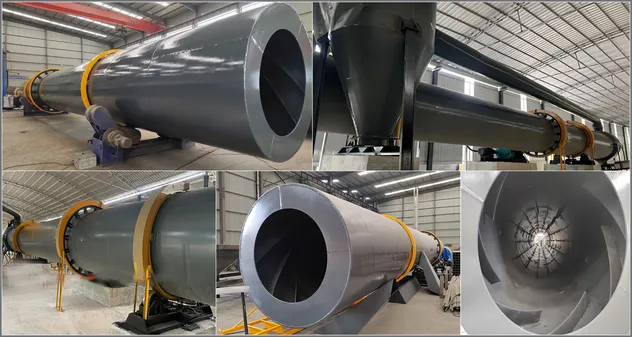
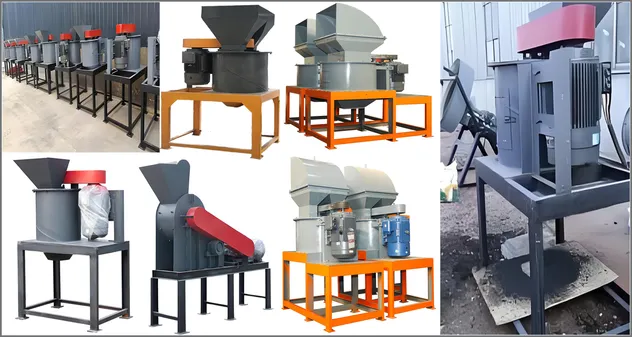
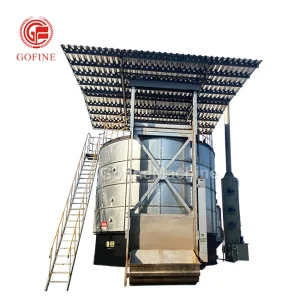
This production line features an efficient aerobic fermentation system with highly active strains. It supports both static and dynamic fermentation modes, processing waste in approximately 15 days through deodorization, sterilization, and decomposition.
Dried chicken manure contains 50% organic matter and high levels of NPK. Our process transforms this high-pollution source into high-value nutrition through efficient aerobic fermentation and low-temperature granulation.
Pig manure is rich in bioactive enzymes, while cow dung provides a slow-release fertilizer benefit. Both utilize solid-liquid separation and composting technology to achieve complete sanitization and stabilization.
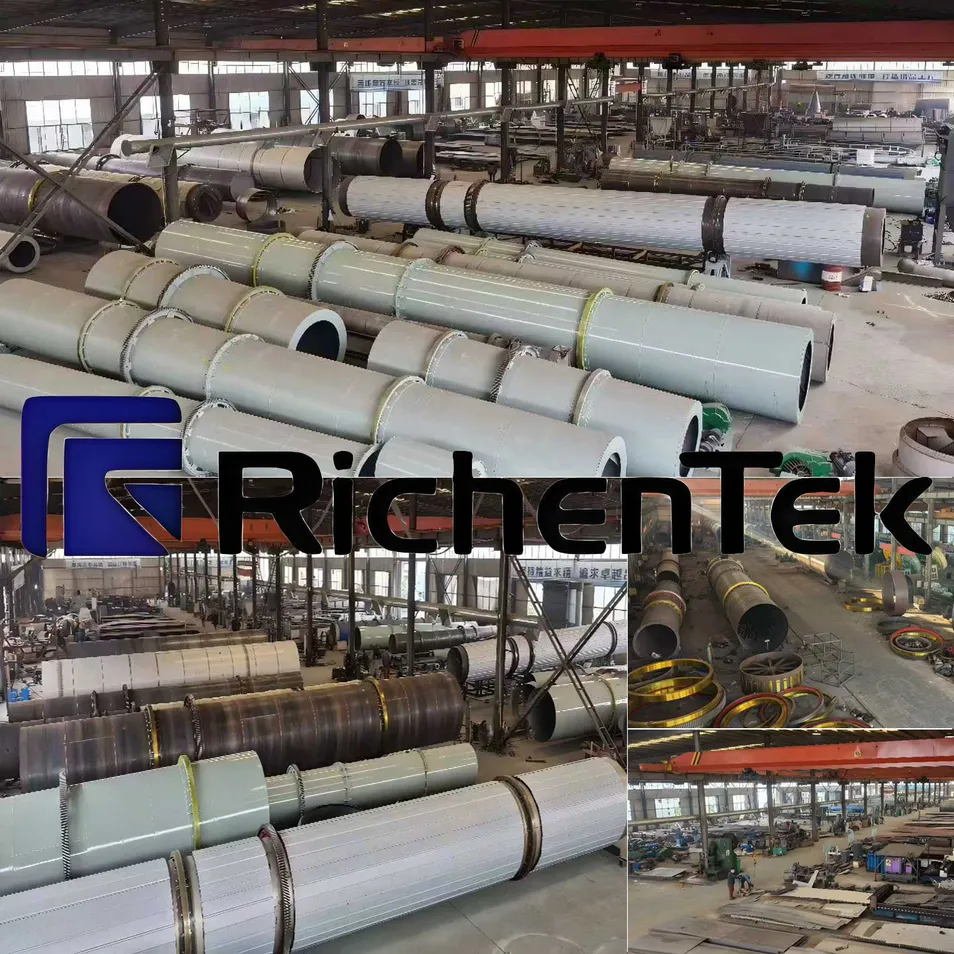
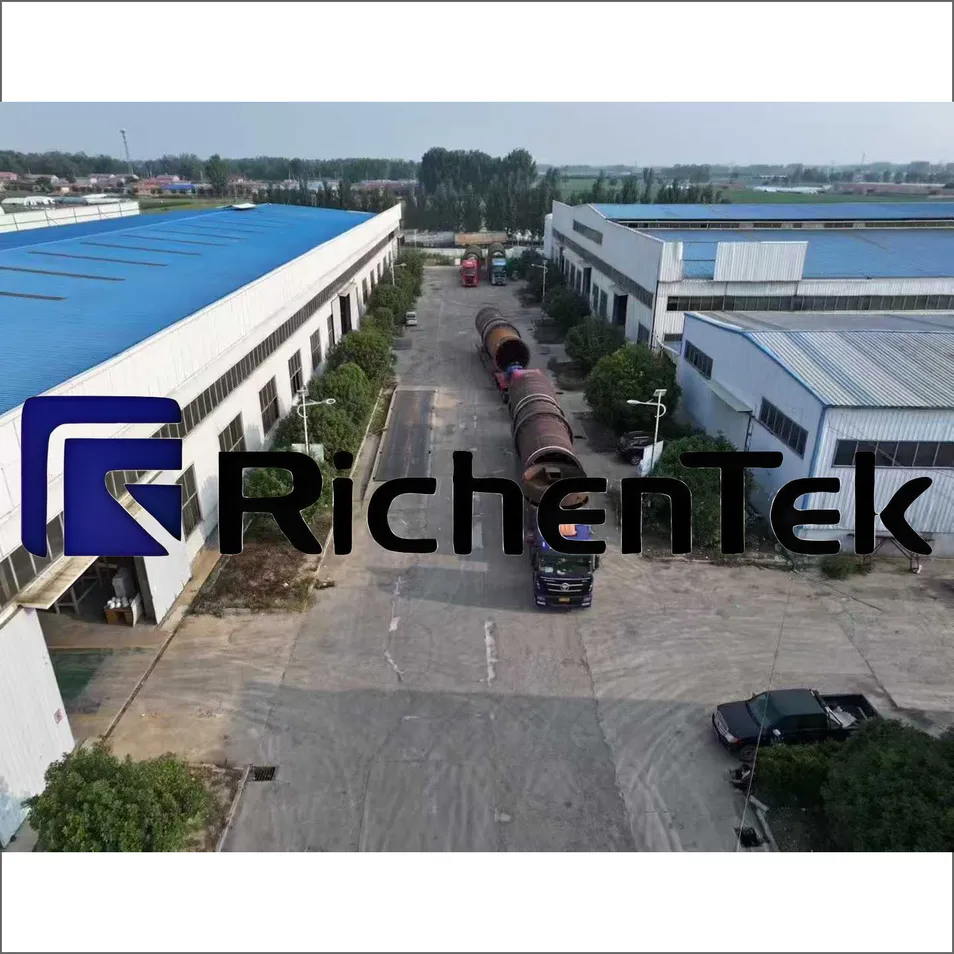
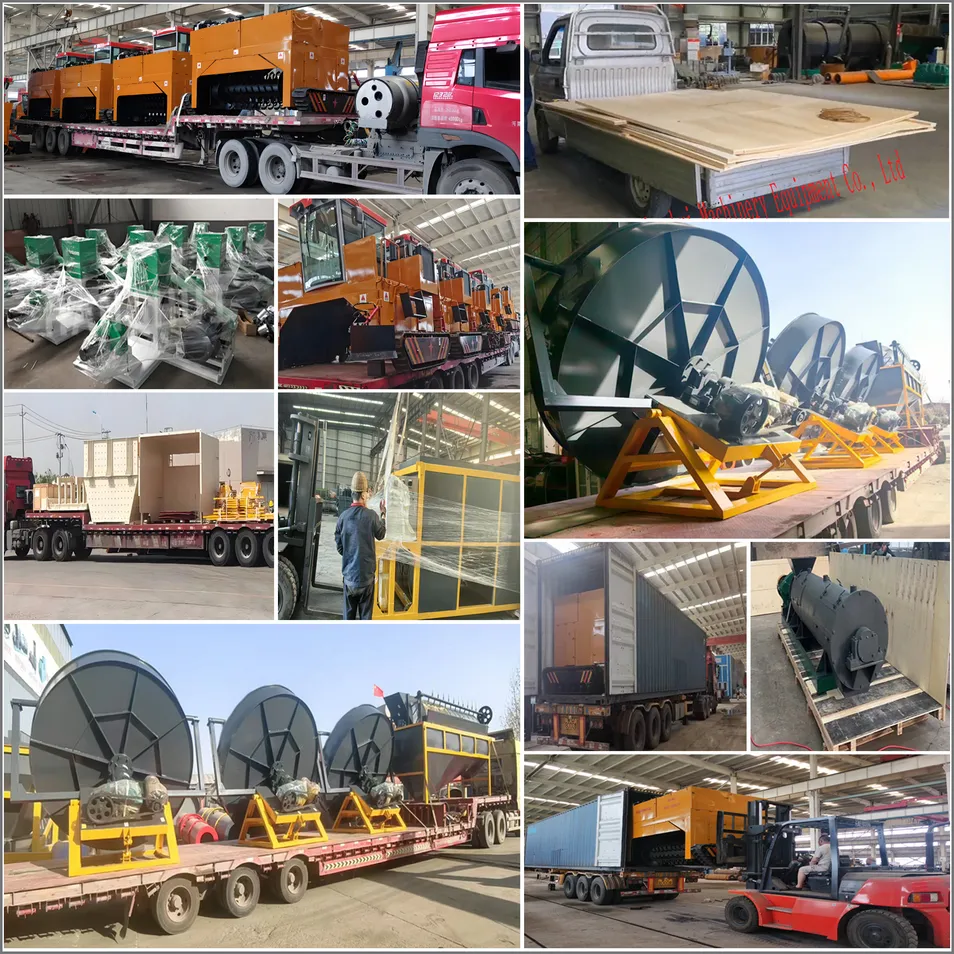
We provide global clients with end-to-end project solutions, ranging from single machines to complete production lines, and from process design to installation and commissioning.