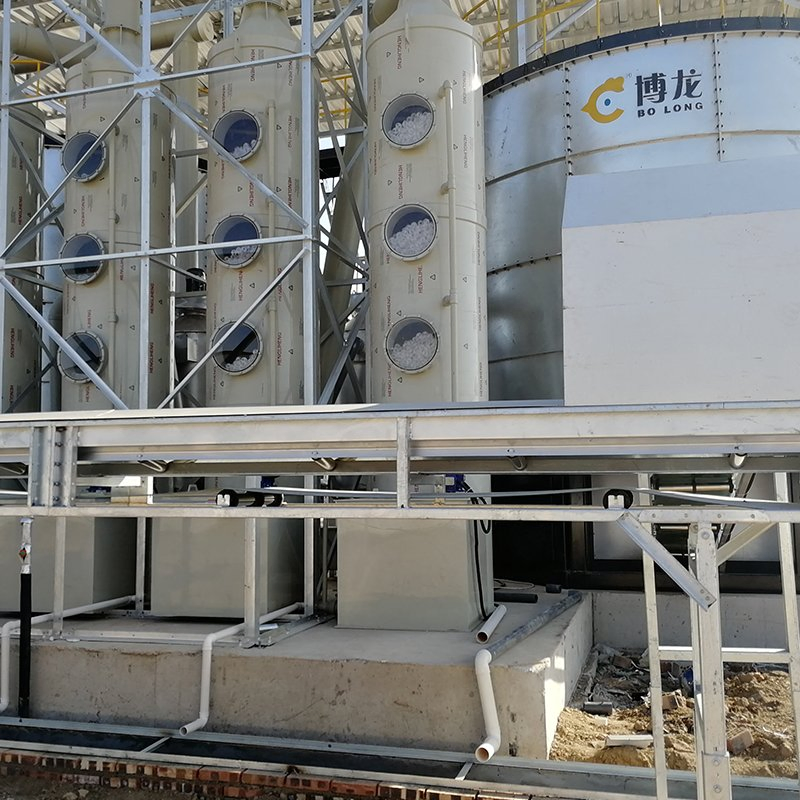
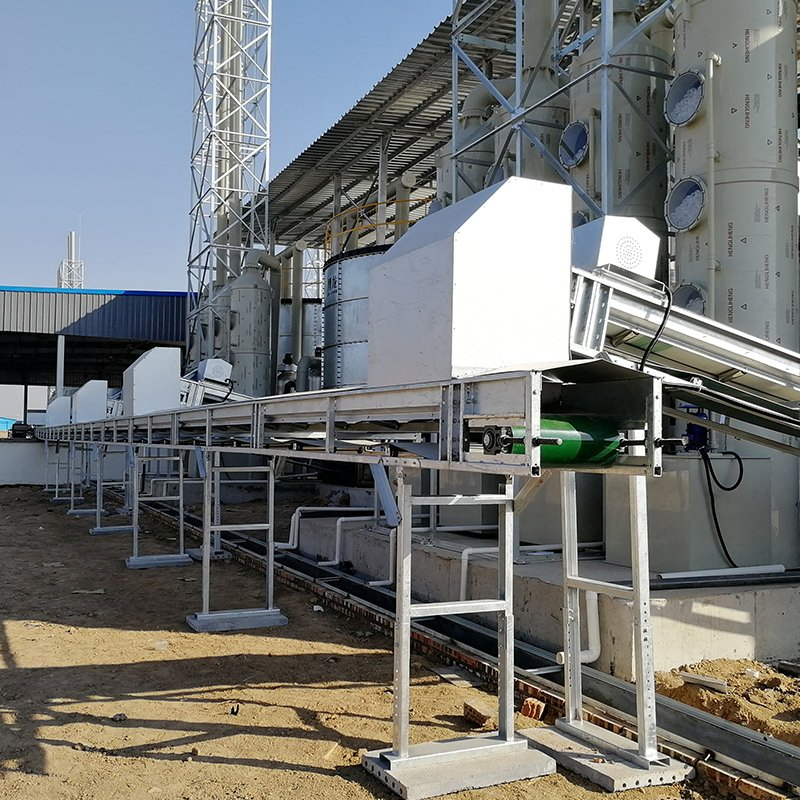
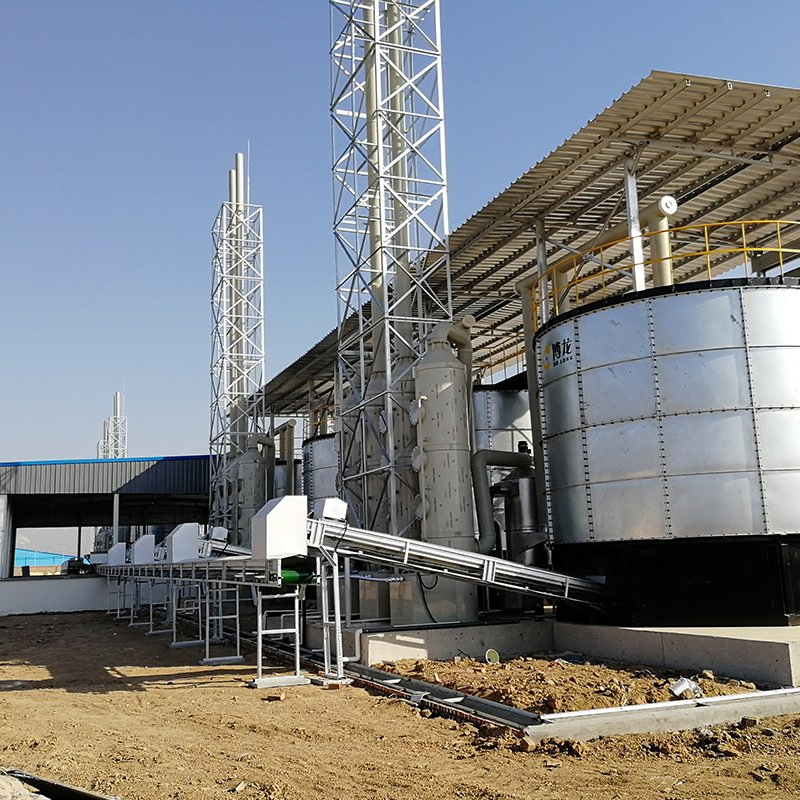
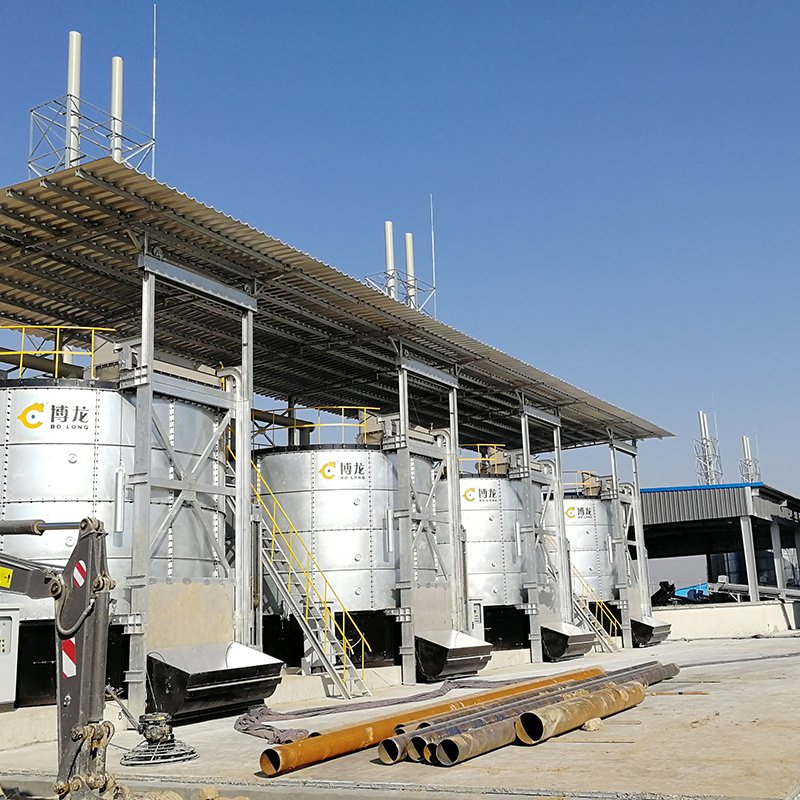
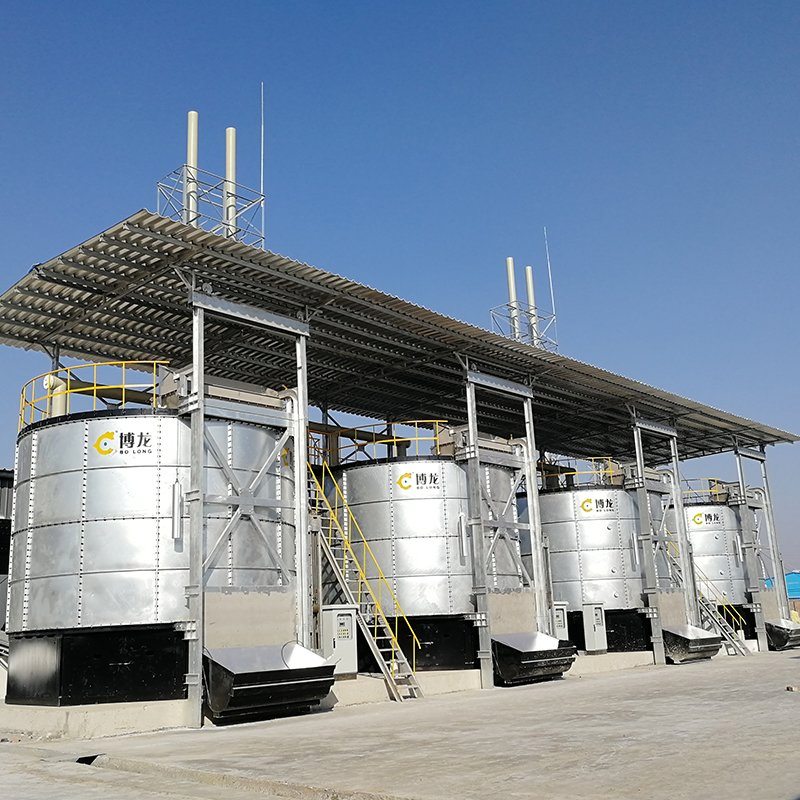
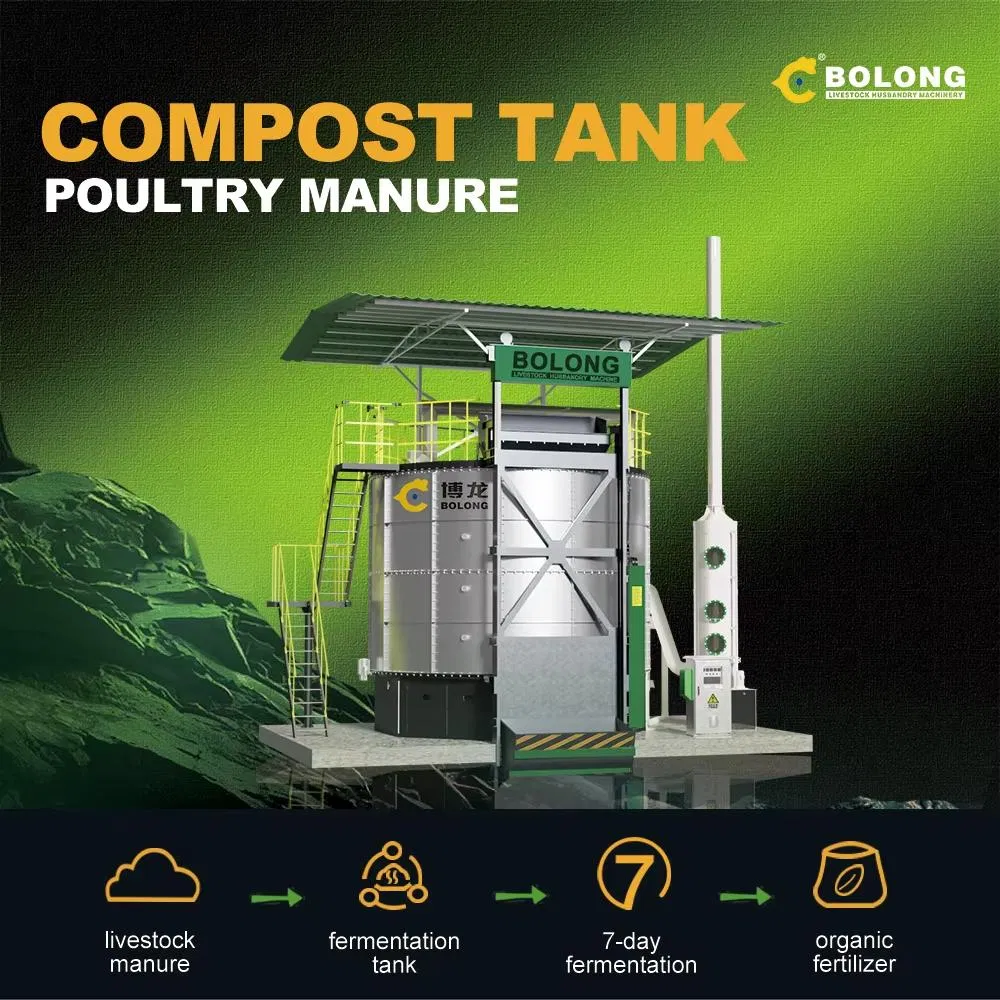
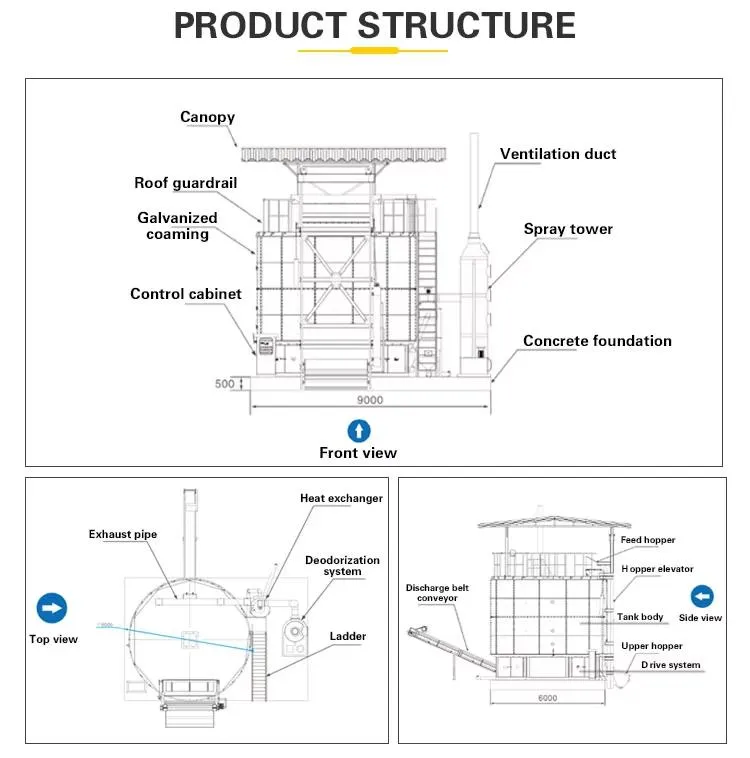
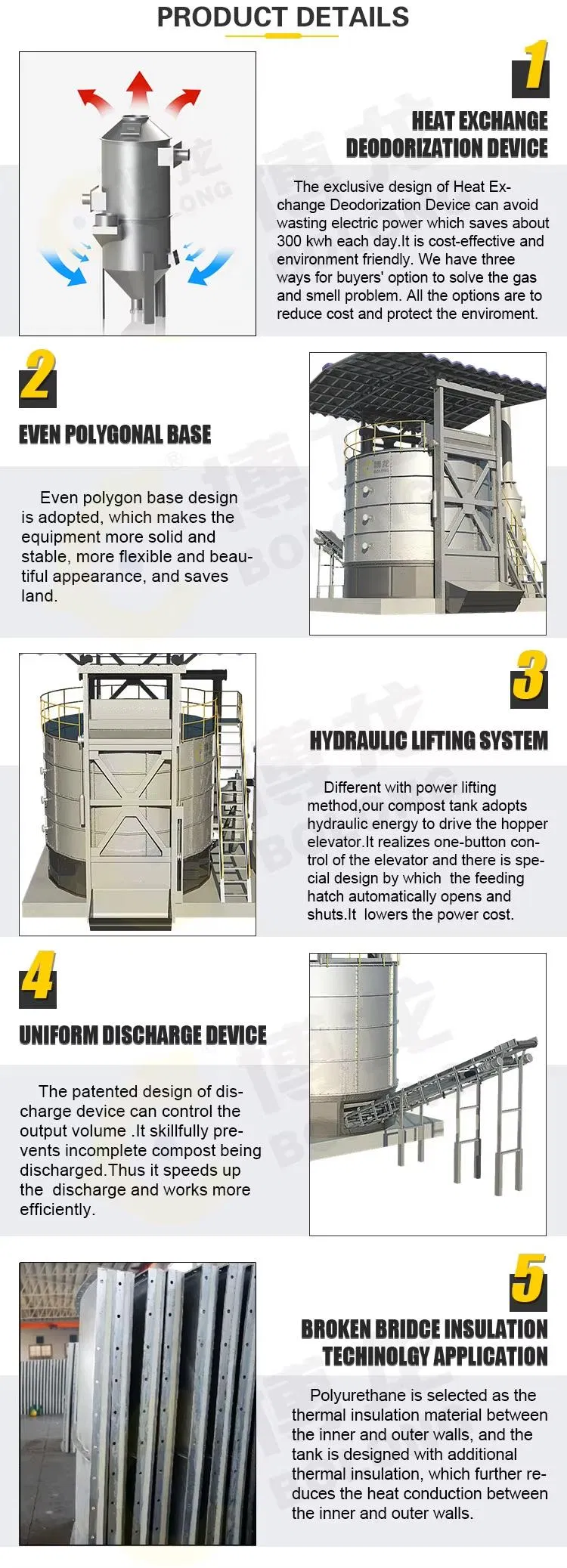
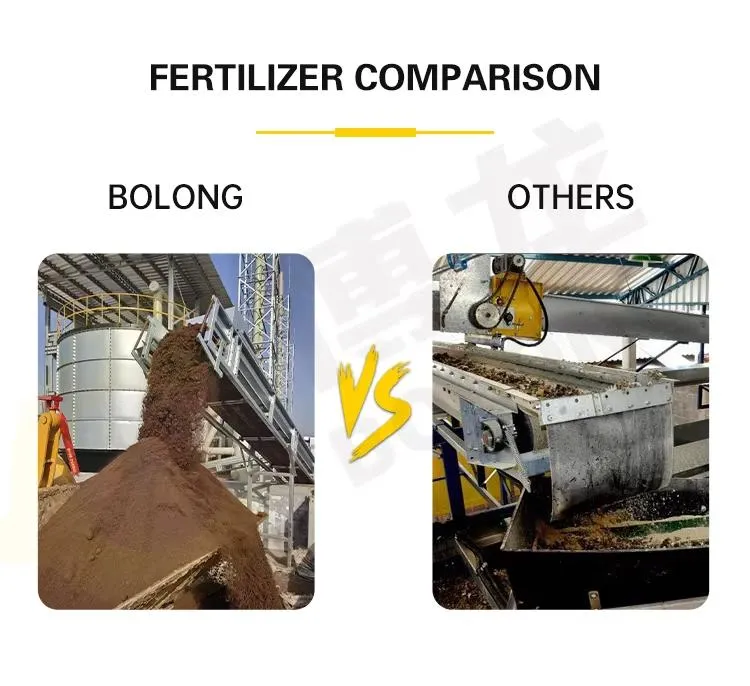
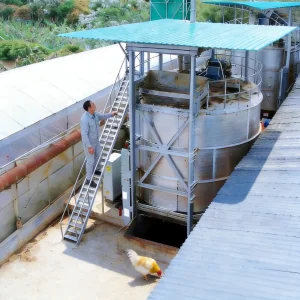
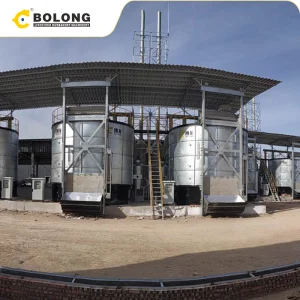
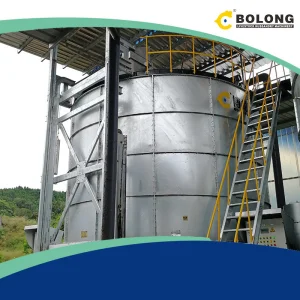
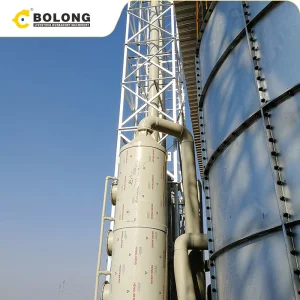
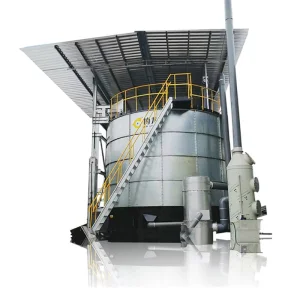
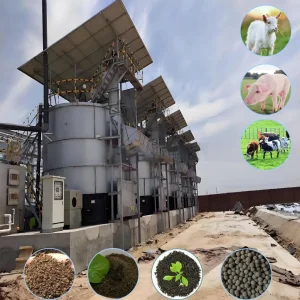
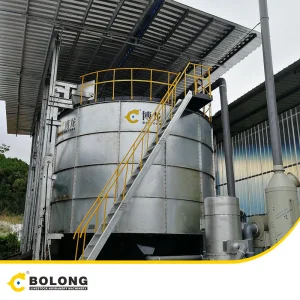
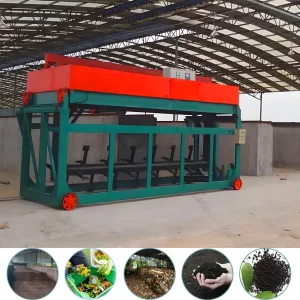
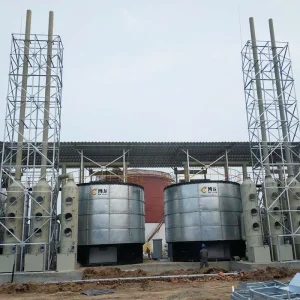
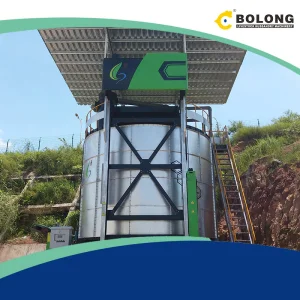
An organic fertilizer fermentation tank is a device that converts organic solid waste into organic fertilizer through aerobic fermentation of microorganisms in a closed container. It utilizes the decomposition of microorganisms in nature, matures the materials through high temperature and microbial activity, kills harmful substances and reduces the moisture content and volume of the materials.
The working principle is to deliver oxygen through a vortex air pump, continuously stirring to maintain aerobic bacteria activity. These microorganisms heat up to 50-65 degrees, effectively killing insect eggs, pathogens, and weed seeds within about 7 days.
In livestock farming, fermentation technology enhances feed nutritional value. Processed via microbial action, fermented livestock excreta becomes biofertilizer rich in nitrogenous compounds like ammonia, urea, nitrates; phosphorous; potassium; and organic matter. This not only enhances soil fertility but also promotes plant growth and higher yields. As an environmental protection equipment, it is essential for sustainable agriculture and animal husbandry.
?
Frequently Asked Questions
1. What is the main function of the composting tank?
It is designed to manage poultry manure and organic solid waste, converting them into high-quality organic fertilizer through aerobic fermentation.
2. How long does the fermentation process take?
The entire fermentation process typically takes about 7 days to reach the standards of harmless treatment and volume reduction.
3. What temperature does the tank reach during operation?
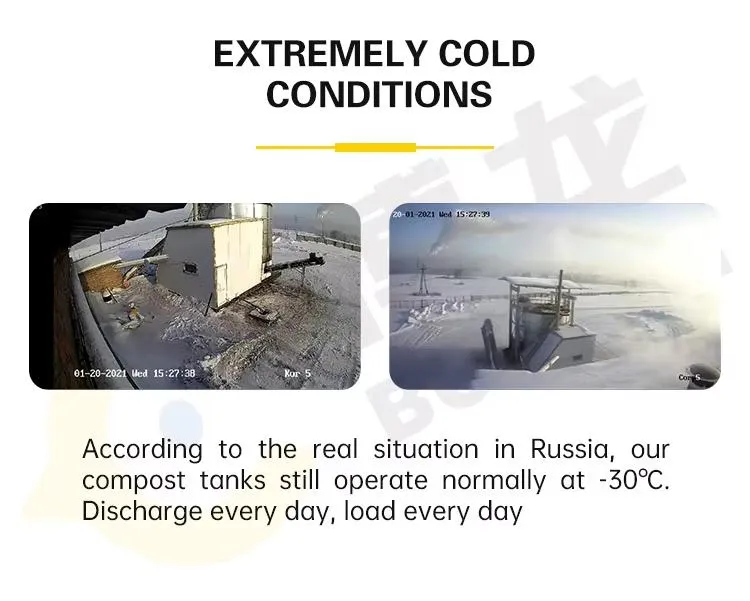
Microbial activity naturally heats the material to 50-65 degrees Celsius, which is sufficient to kill pathogens, insect eggs, and weed seeds.
4. What are the material specifications of the tank?
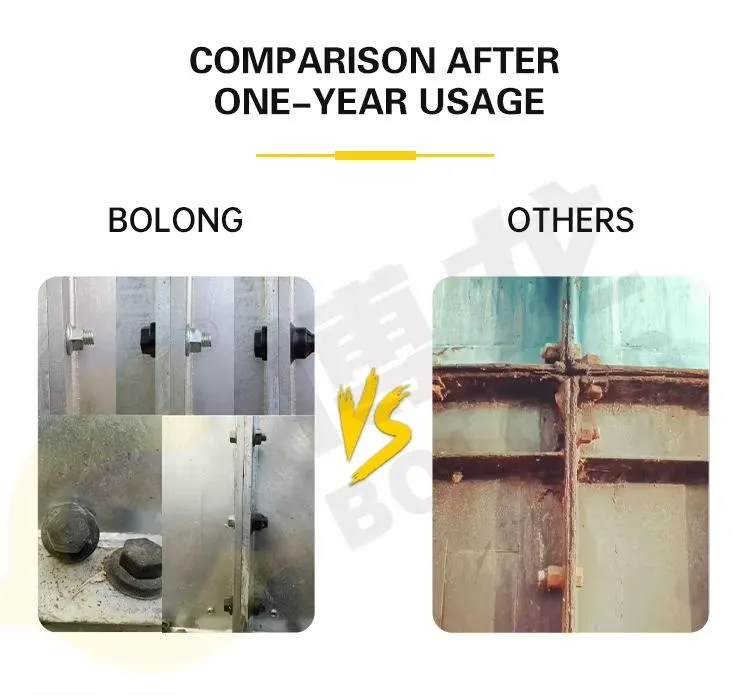
The tank is primarily constructed from 304 stainless steel or high-grade steel to ensure durability and resistance to corrosion from organic waste.
5. What is the handling capacity of the 102m³ model?
This model has a handling capacity of 8-12m³ and an output range of 3-9m³ of finished organic fertilizer.
6. Is the equipment automated?
Yes, the fermentation process is highly automated, utilizing vortex air pumps and stirring shafts to maintain optimal conditions with minimal manual intervention.
 AgBio Energy