AgBio Energy
1 / 5
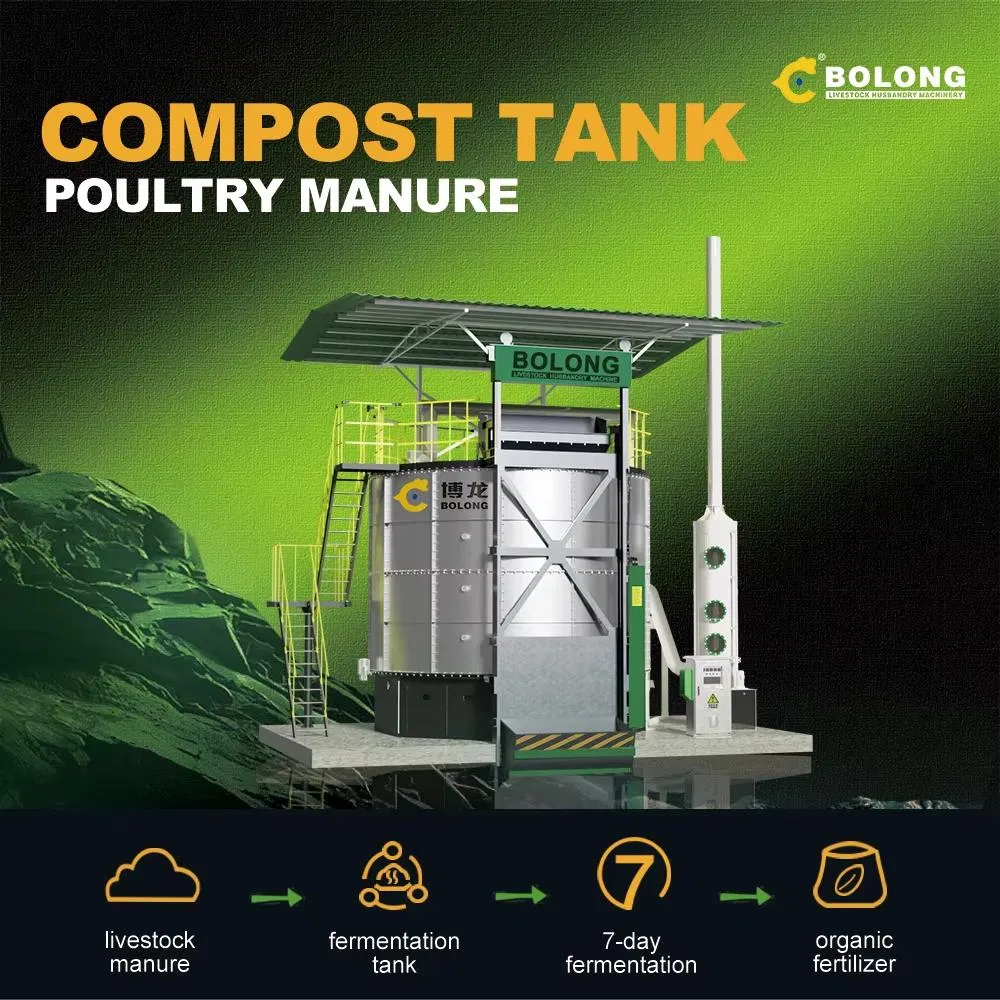
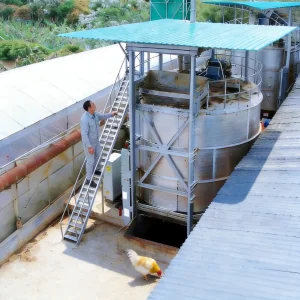
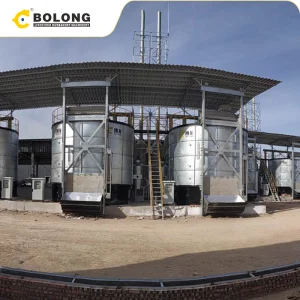
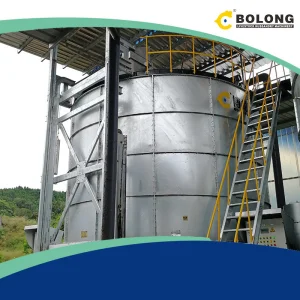
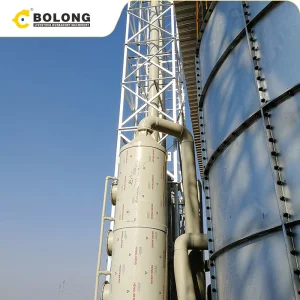
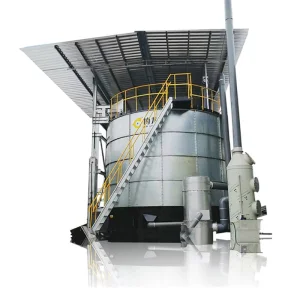
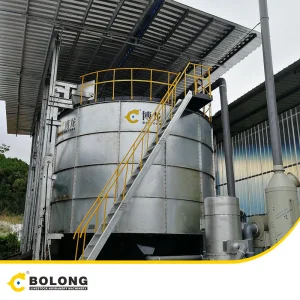
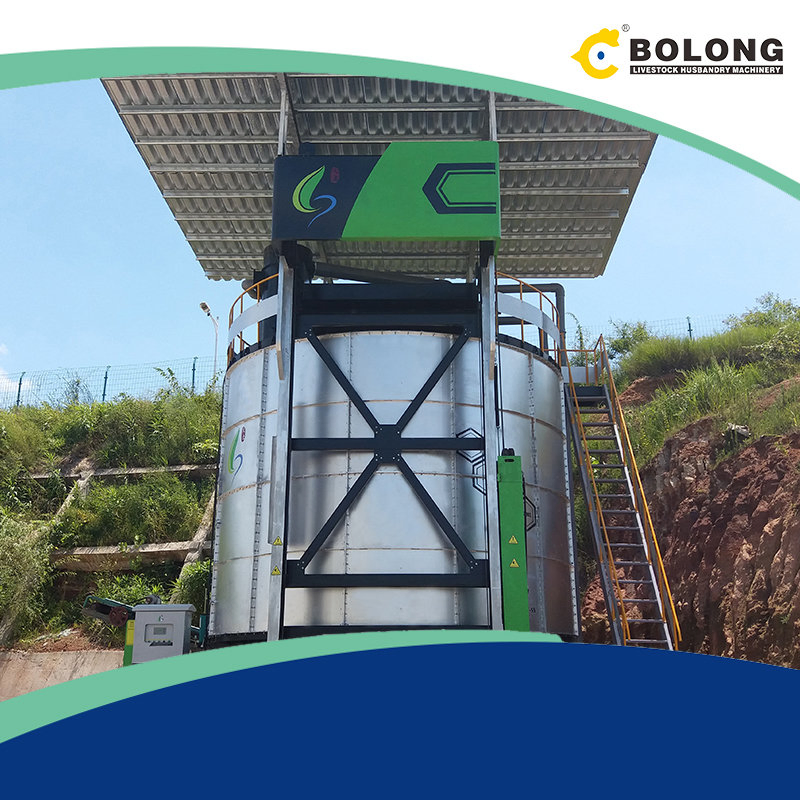
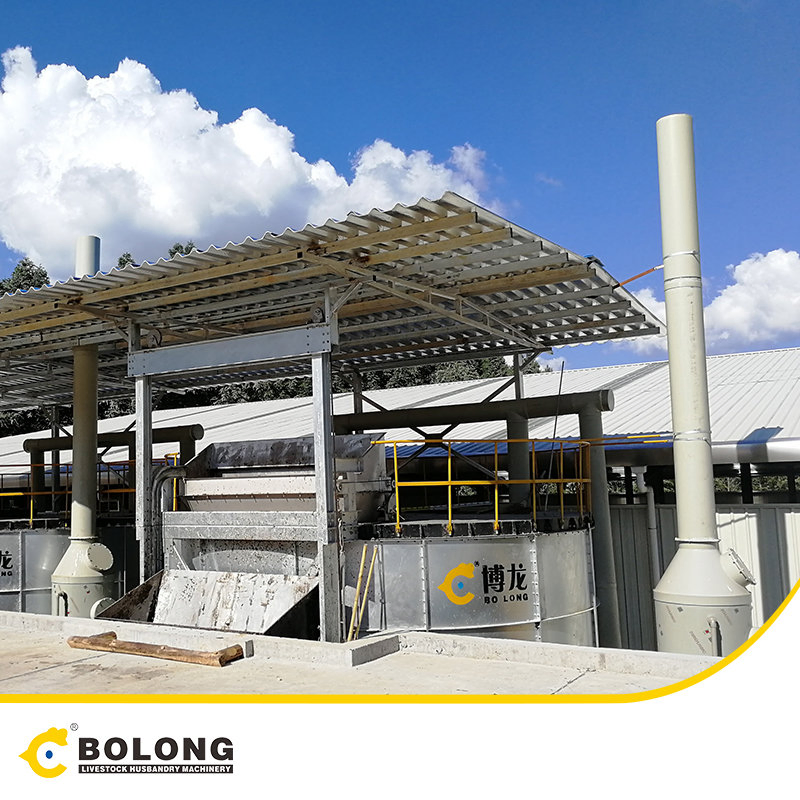
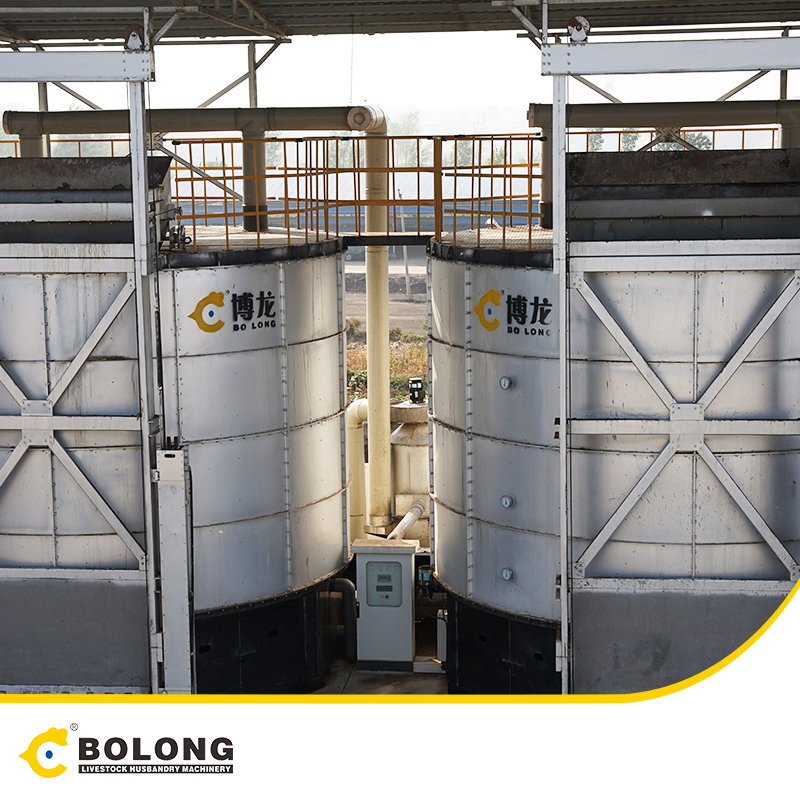
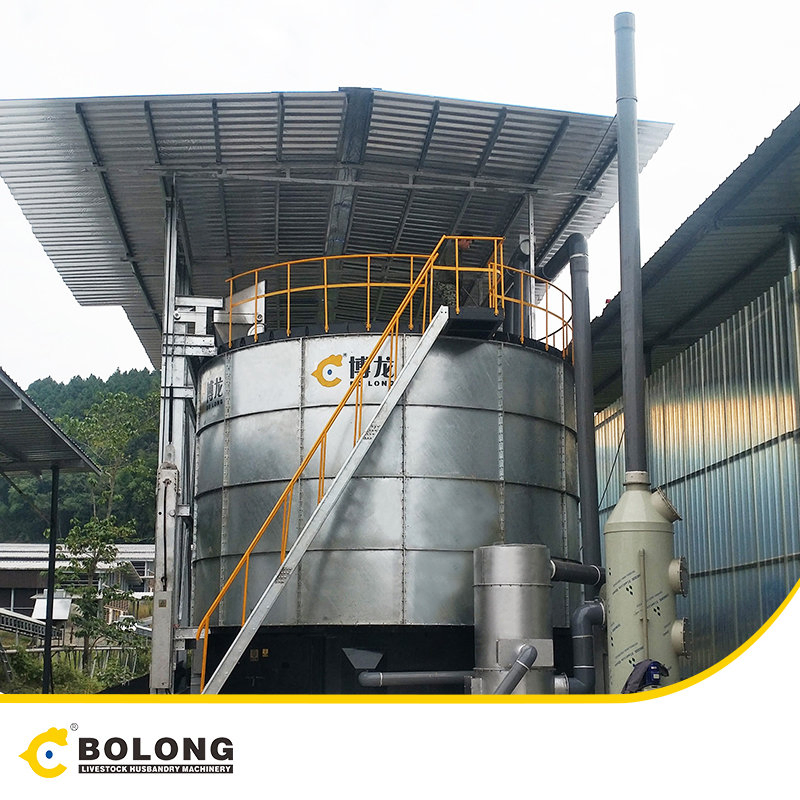
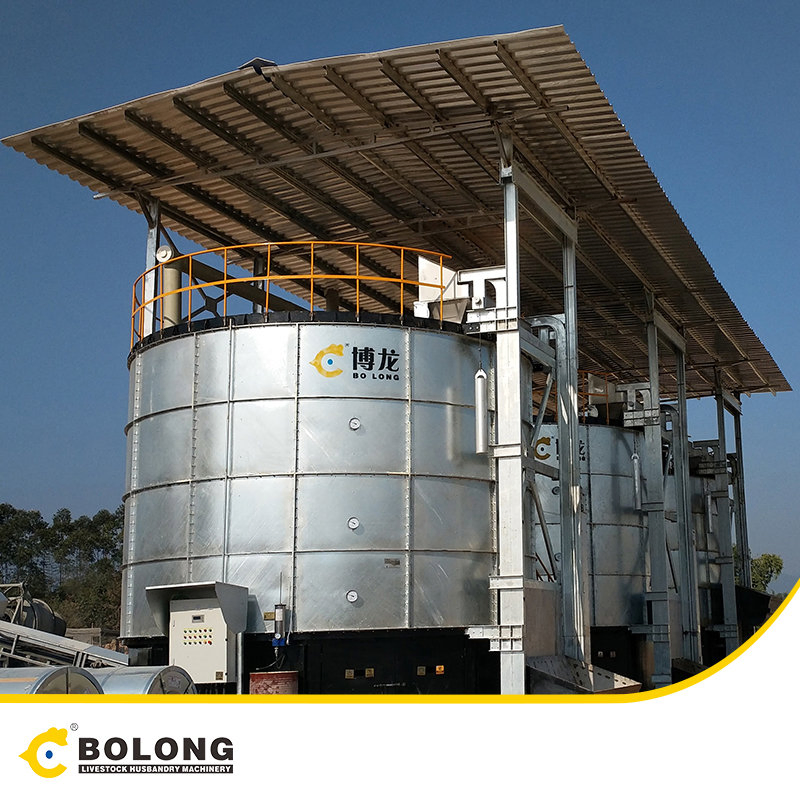
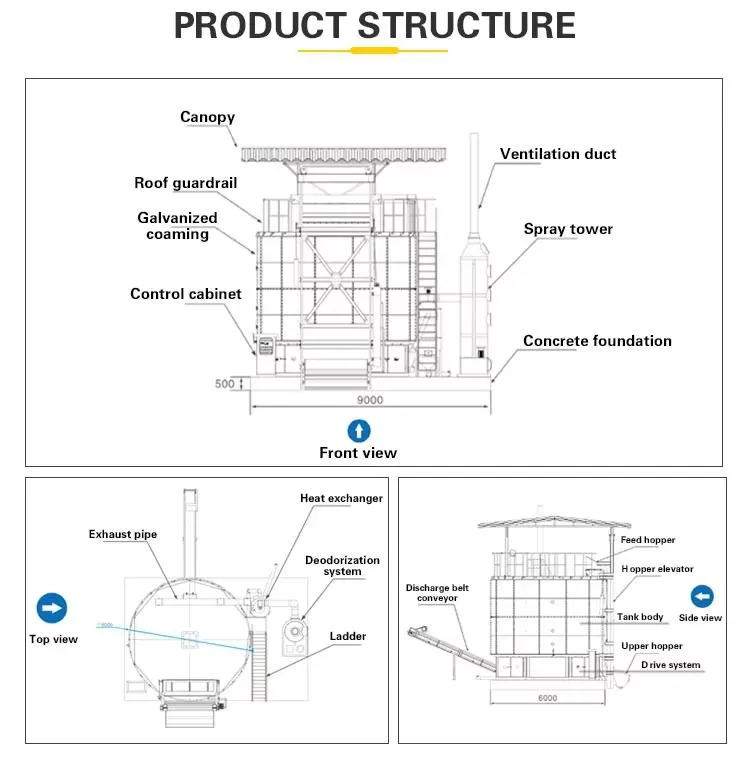
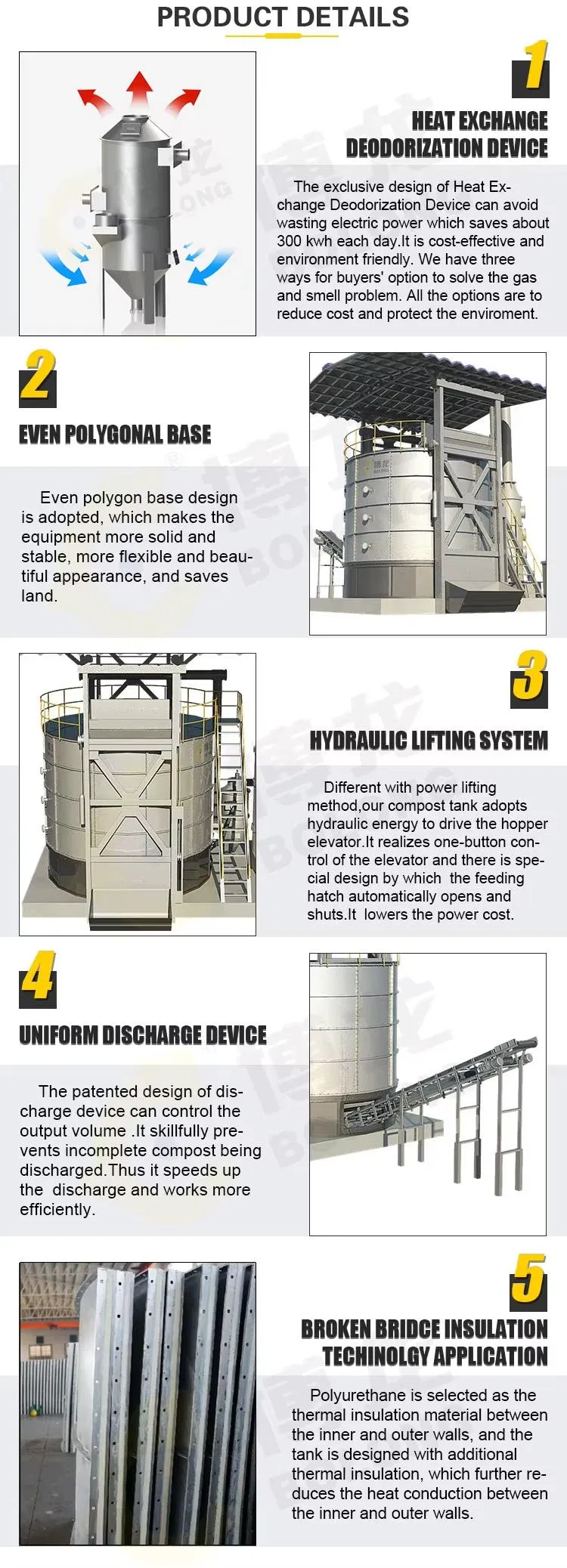
An organic fertilizer fermentation tank is a device that converts organic solid waste into organic fertilizer through aerobic fermentation of microorganisms in a closed container. It utilizes the decomposition of microorganisms in nature, matures the materials through high temperature and microbial activity, kills harmful substances and reduces the moisture content and volume of the materials.
The working principle is to deliver oxygen to the materials in the tank through a vortex air pump, and continuously turn the materials under the action of the stirring shaft to maintain the activity of aerobic bacteria.
These microorganisms will gradually heat up to 50-65 degrees, and after about 7 days of high-temperature fermentation, they will effectively kill insect eggs, pathogens and weed seeds, and reach the standards of harmless and reduced treatment. The entire fermentation process is highly automated, which reduces manual operation links and improves production efficiency.
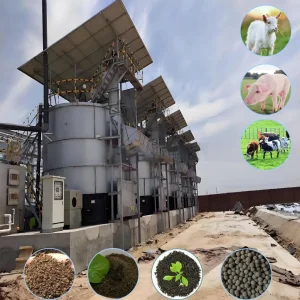
In livestock farming, incorporation of fermentation technology can highly enhance feed nutritional value. Processed via microbial action, fermented livestock and poultry excreta becomes biofertilizer rich in nitrogenous compounds like ammonia, urea, nitrates or nitrites; phosphorous as phosphate salts; potassium ions; and organic matter. It enhances waste utilization. Organic fertilizers not only enhance soil fertility but also promote improved plant growth leading to high yields.
| Model | 11FFG-102 |
| Bottom blower (KW) | 12.5*2 |
| Hydraulic station (KW) | 7.5+3 |
| Induced draft fan (KW) | 3 |
| Auxiliary heater (KW) | 4 |
| Installed power (KW) | 40.9 |
| Operating power (KW) | about 29.5 |