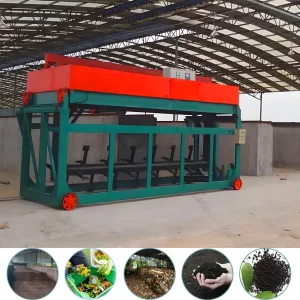
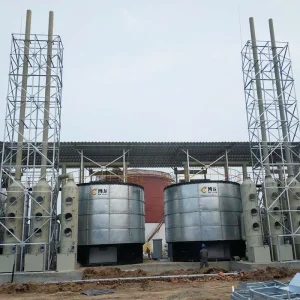
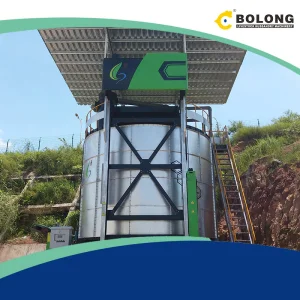
Vertical Farming Equipment in Vessel Composting Compost Making Machines

Customization: Available
After-sales Service: 1 Year
Warranty: 1 Year

Product Description

i

Basic Specifications

Type
Poultry Manure Compost Machine
Voltage
380V
Certification
CE, ISO
Inspection
Video Outgoing-Inspection Provided
Test Report
Machinery Test Report Provided
Transport Package
Container
Specification
Stainless steel
HS Code
8436800000
Package Size
160.00cm * 71.00cm * 90.00cm
Gross Weight
2000.000kg
Poultry Manure Compost Machine

Product Description

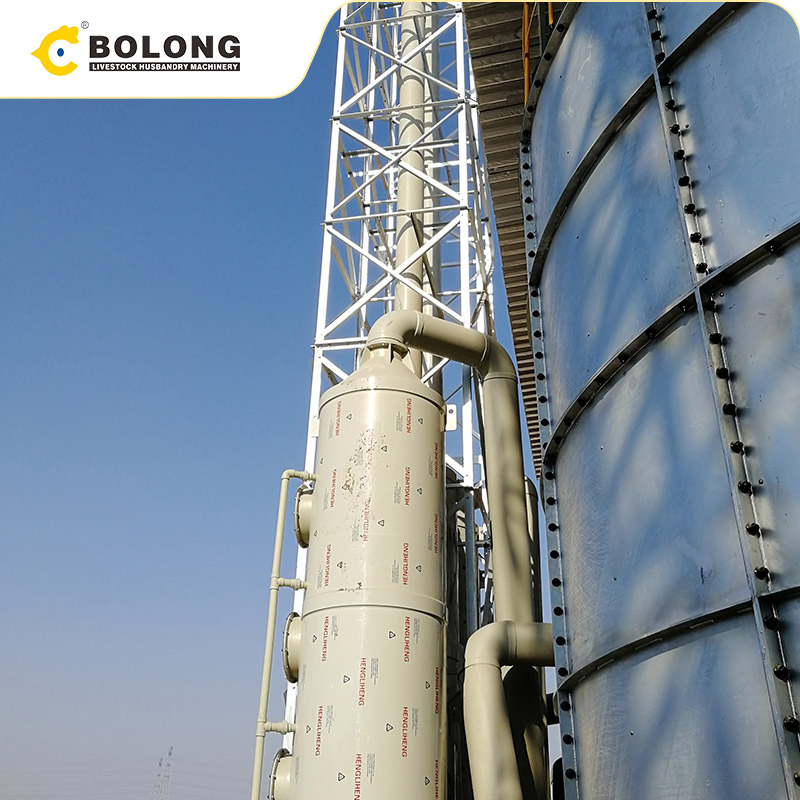
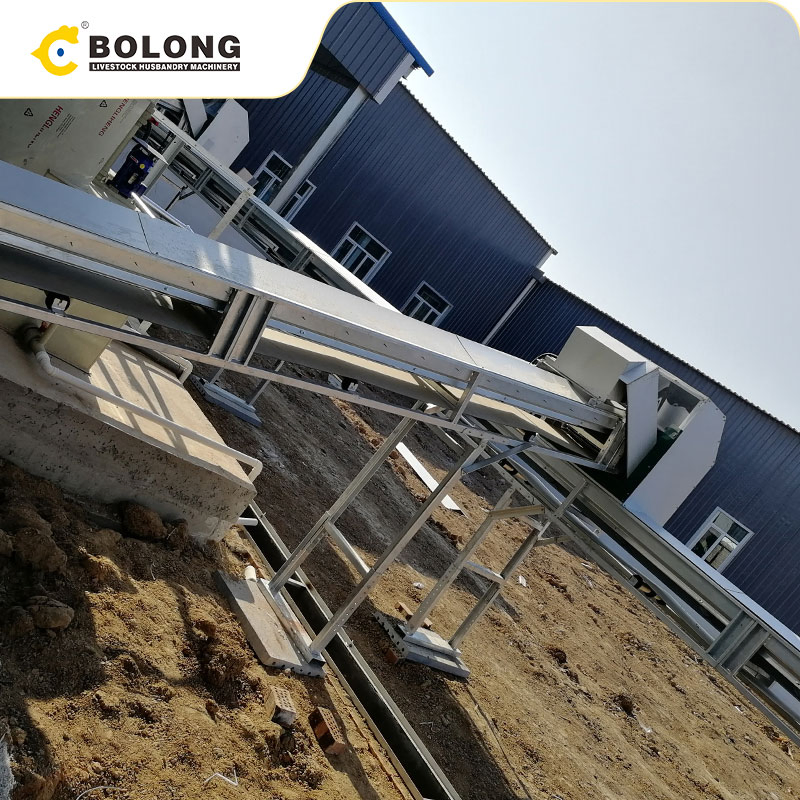
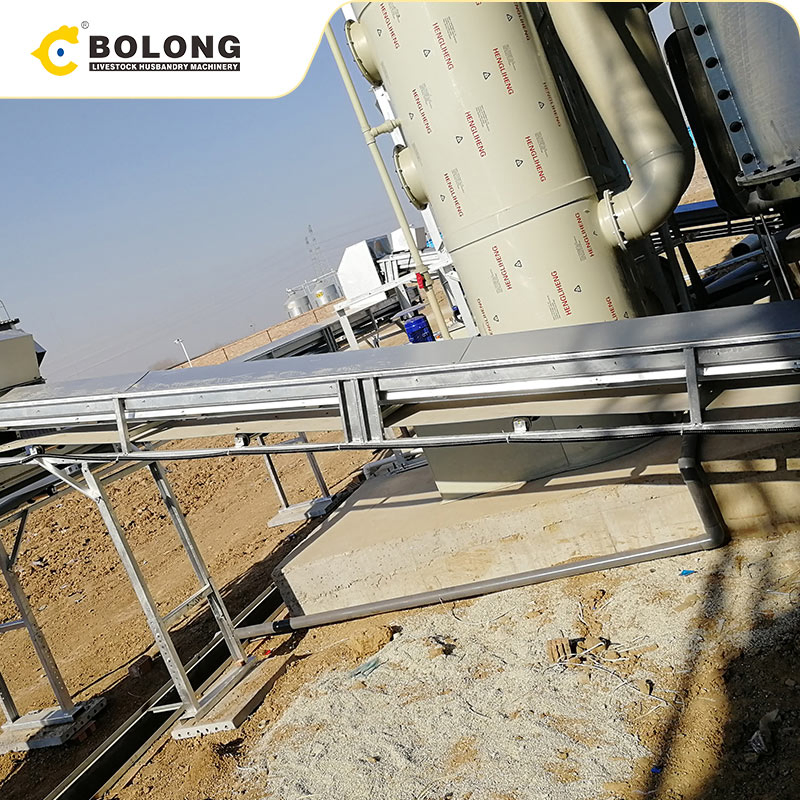
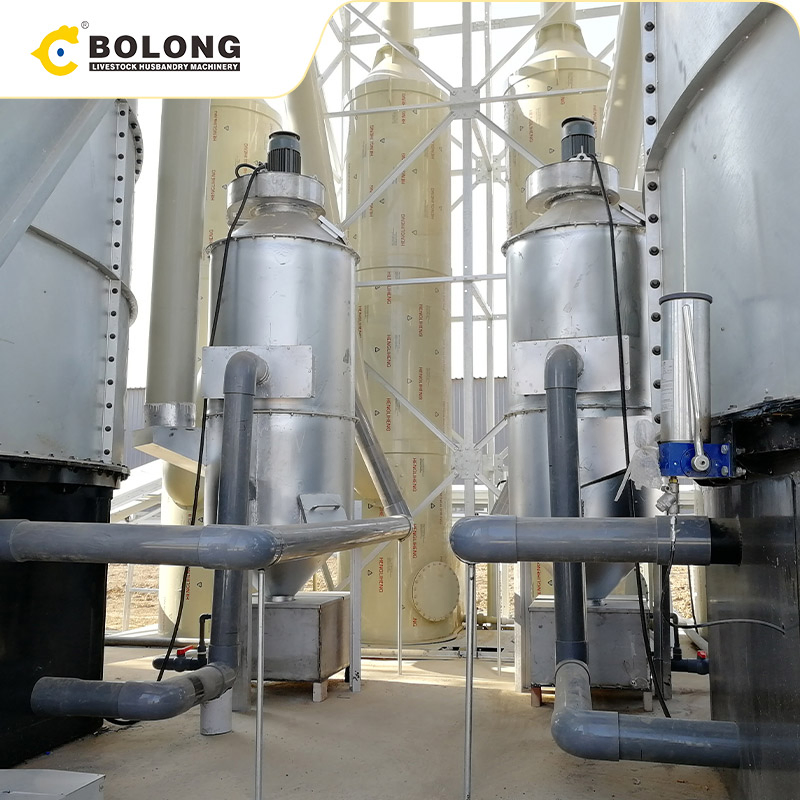
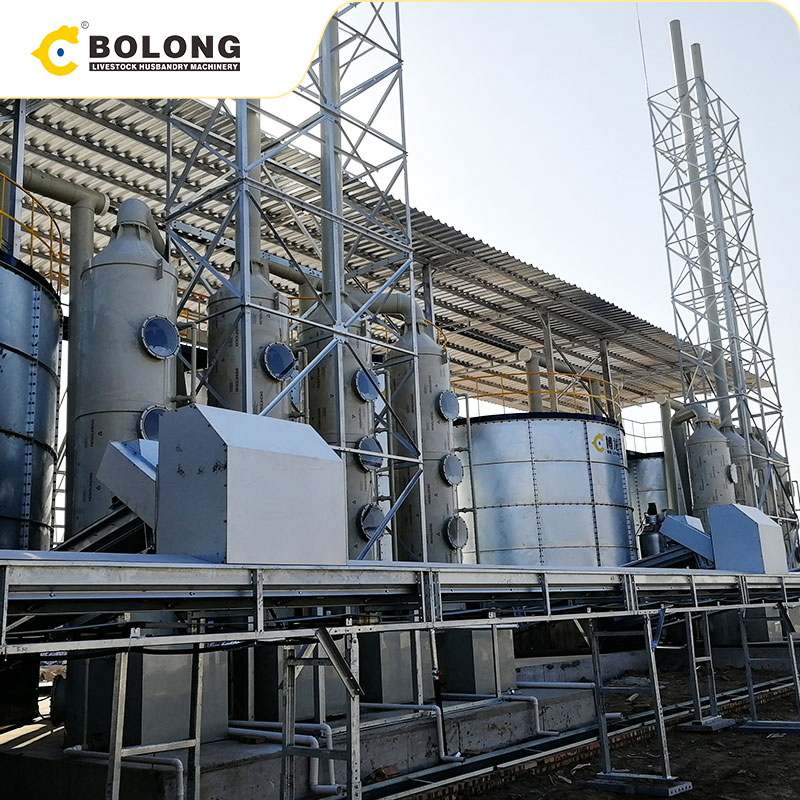
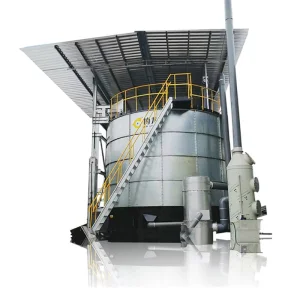
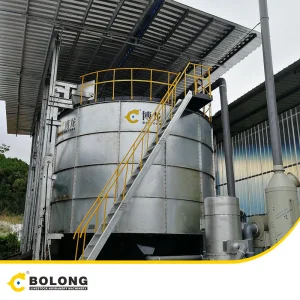
An organic fertilizer fermentation tank is a device that converts organic solid waste into organic fertilizer through aerobic fermentation of microorganisms in a closed container. It utilizes the decomposition of microorganisms in nature, matures the materials through high temperature and microbial activity, kills harmful substances and reduces the moisture content and volume of the materials.

The working principle of the organic fertilizer fermentation tank is to deliver oxygen to the materials in the tank through a vortex air pump, and continuously turn the materials under the action of the stirring shaft to maintain the activity of aerobic bacteria. These microorganisms will gradually heat up to 50-65 degrees, and after about 7 days of high-temperature fermentation, they will effectively kill insect eggs, pathogens and weed seeds, and reach the standards of harmless and reduced treatment.
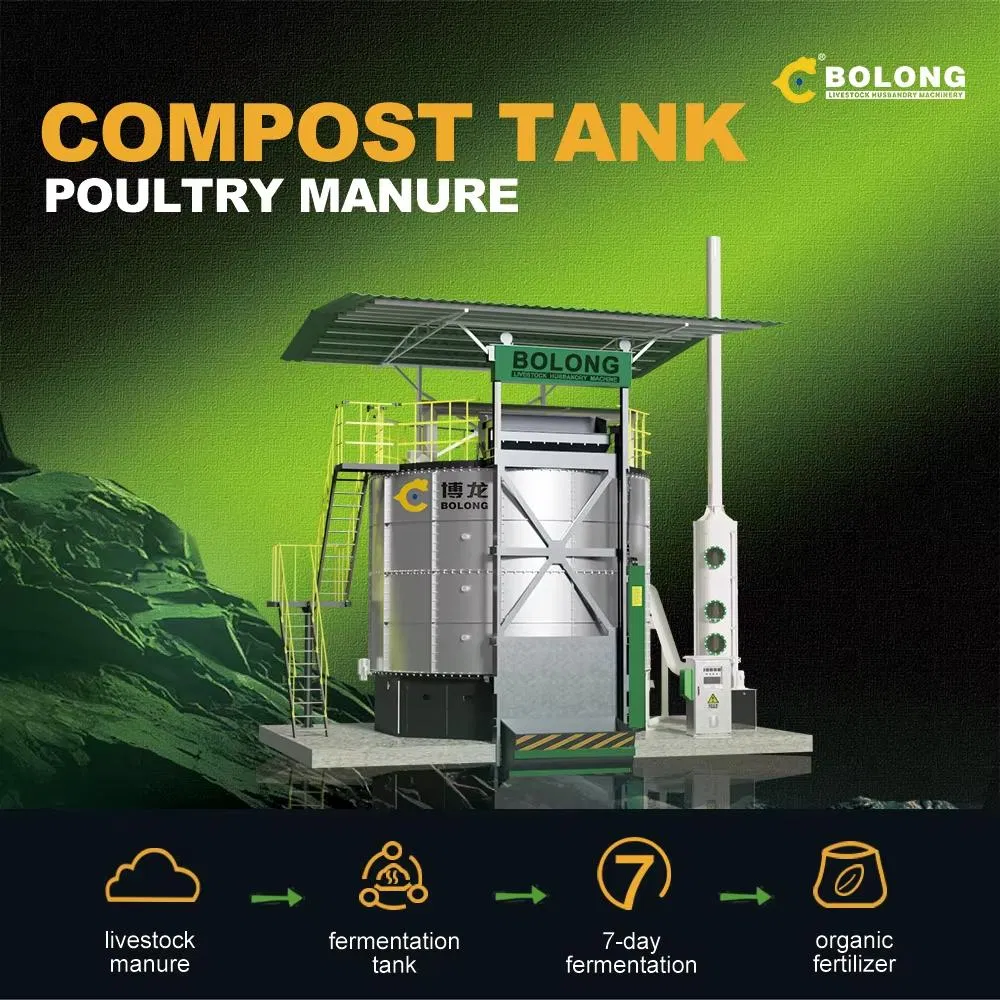
Fermentation Tank Process

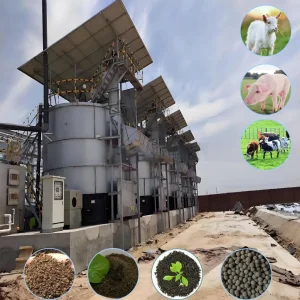
In livestock farming, incorporation of fermentation technology can highly enhance feed nutritional value. Processed via microbial action, fermented livestock and poultry excreta becomes biofertilizer rich in nitrogenous compounds like ammonia, urea, nitrates or nitrites; phosphorous as phosphate salts; potassium ions; and organic matter. It enhances waste utilization. Organic fertilizers not only enhance soil fertility but also promote improved plant growth leading to high yields.
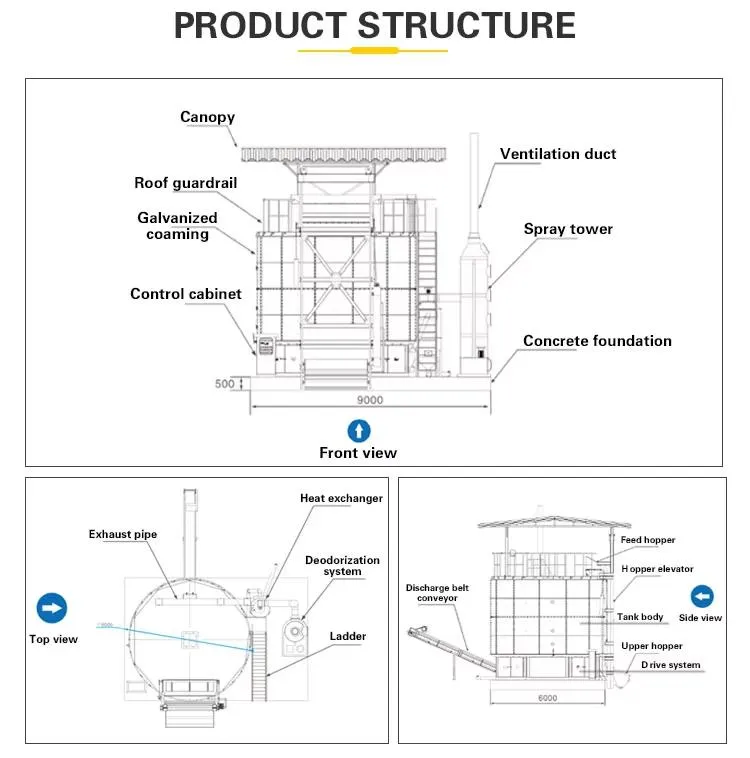
Technical Parameters

Technical Specifications Overview
Model 11FFG-102
Bottom blower (KW) 12.5*2
Hydraulic station (KW) 7.5+3
Induced draft fan (KW) 3
Auxiliary heater (KW) 4
Installed power (KW) 40.9
Operating power (KW) about 29.5

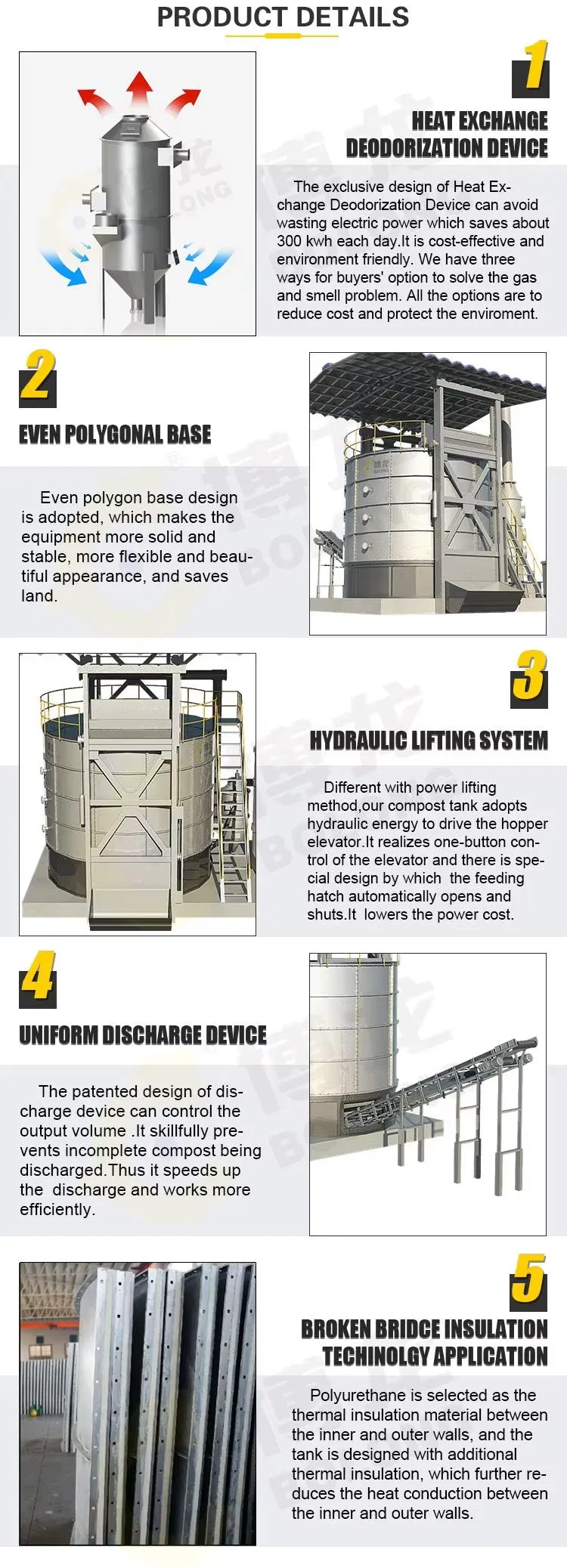
Equipment Features

?

Frequently Asked Questions

Q1: How does the organic fertilizer fermentation tank work? It uses aerobic fermentation in a closed vessel. A vortex air pump delivers oxygen while a stirring shaft turns materials, allowing aerobic bacteria to decompose waste and generate high temperatures (50-65°C).
Q2: How long is the fermentation cycle? The process typically takes about 7 days of high-temperature fermentation to effectively kill pathogens and seeds, resulting in high-quality biofertilizer.
Q3: What are the main benefits of this technology for livestock waste? It kills insect eggs and harmful pathogens, reduces moisture content, and transforms excreta into nutrient-rich biofertilizer (nitrogen, phosphorus, potassium, and organic matter).
Q4: Is the operation automated? Yes, the entire fermentation process is highly automated, which significantly reduces manual labor and increases production efficiency.
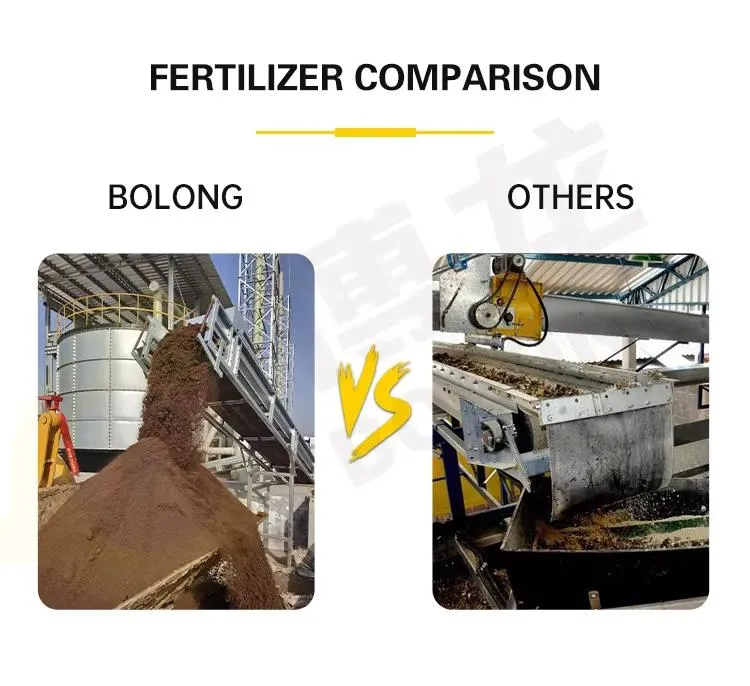
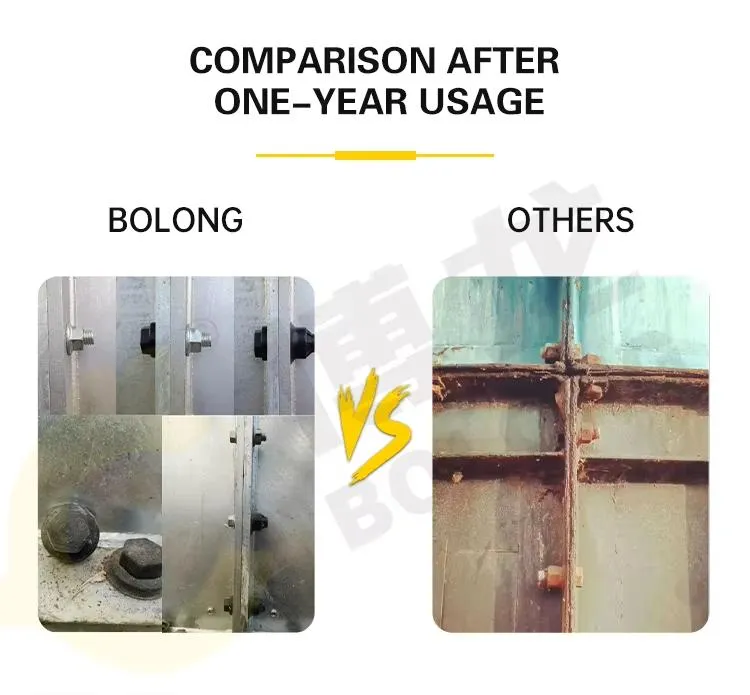
Q5: What materials are used to ensure equipment durability? The equipment is built using stainless steel specifications to ensure resistance to corrosion and long-term service life in agricultural environments.
Q6: What is the operating power requirement? While the total installed power is 40.9 KW, the actual operating power is approximately 29.5 KW, making it efficient for large-scale operations.

Related Products