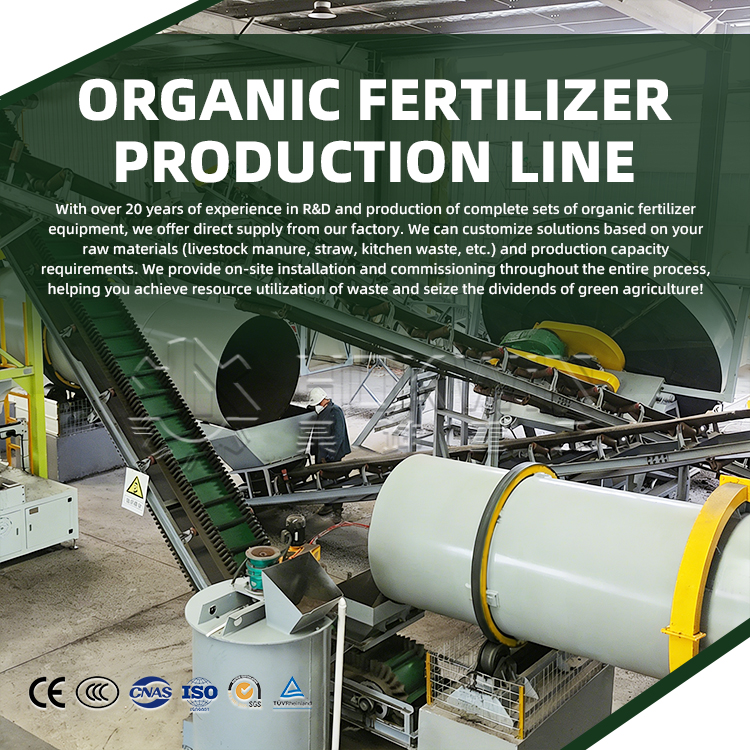
Cow Chicken Pig Manure Organic Fertilizer Making Line Compost Granulation Machine For Agricultural Waste Recycling

Product Description

Fertilizer Production
🌱
Raw Materials for Producing Organic Fertilizer
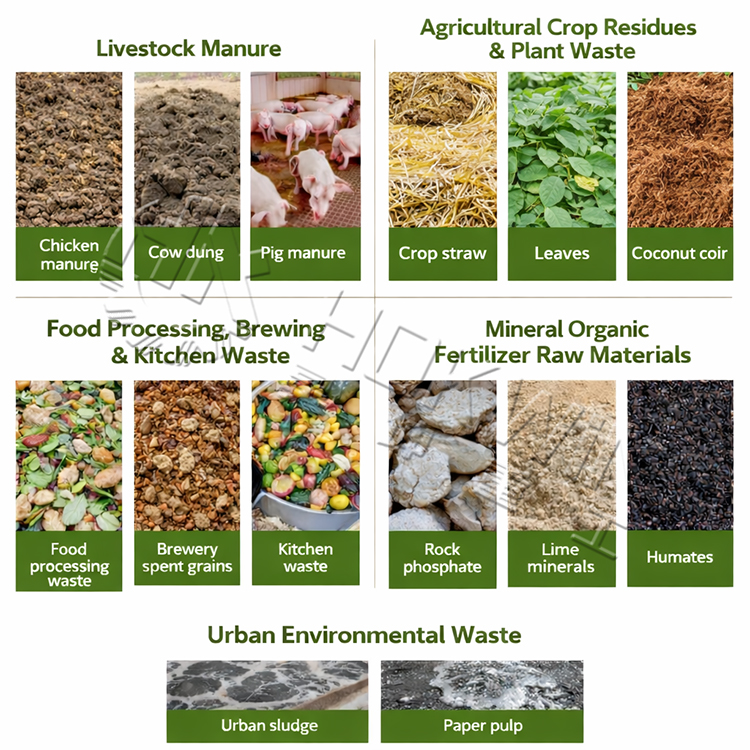
Animal Manure

Chicken, cow, sheep, horse, rabbit and other animal manure.
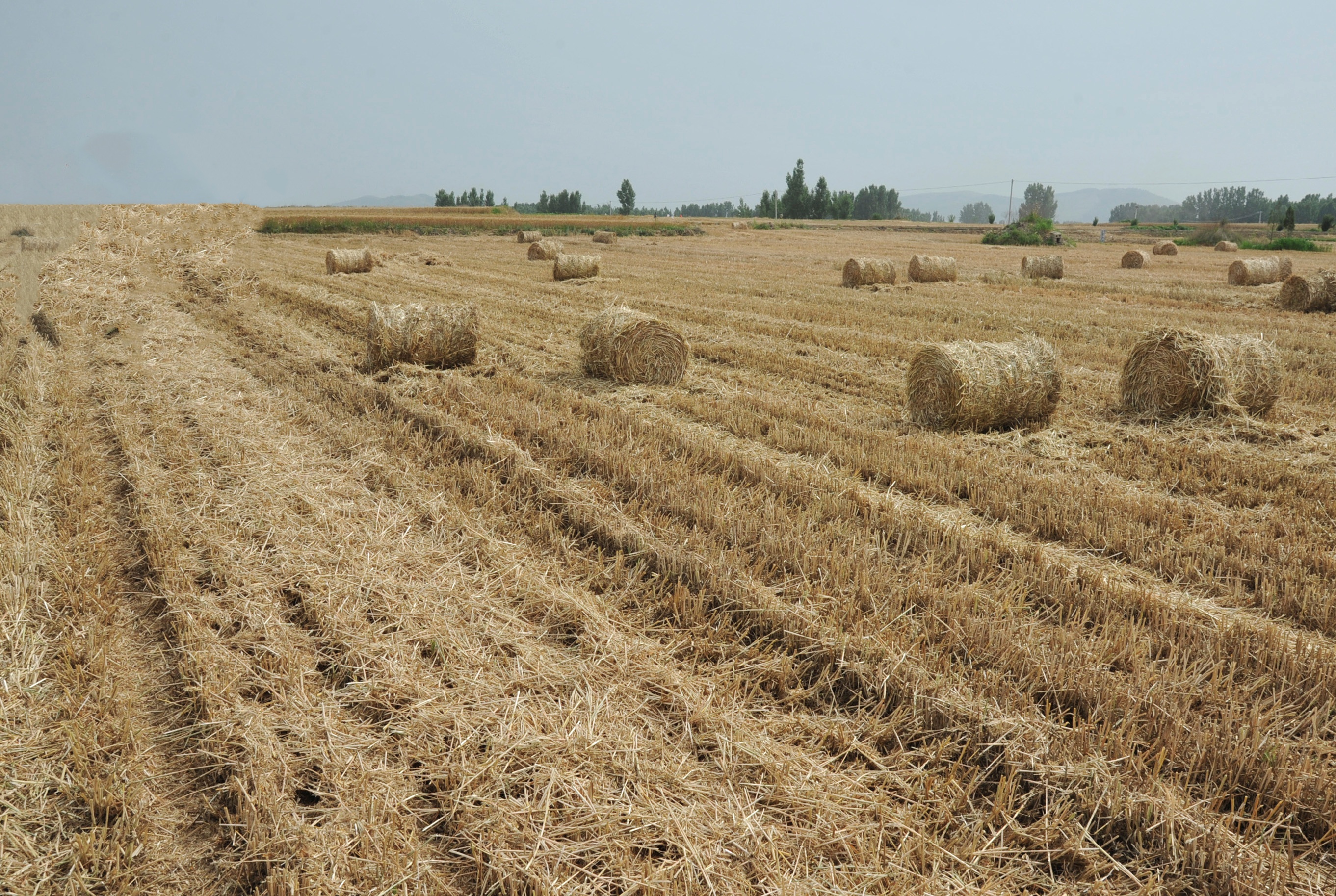
Crop Waste

Straw, wheat straw, corn straw, soybean residue, mushroom residue.
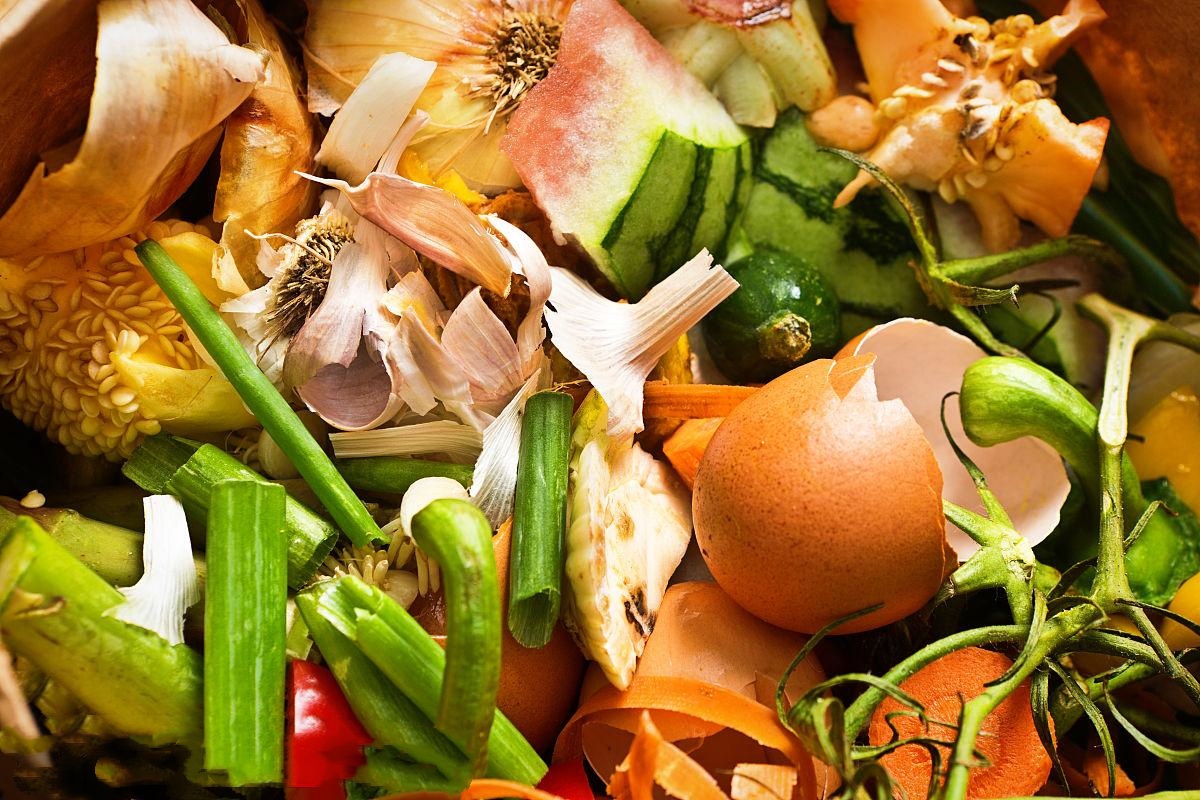
Food Waste

Kitchen waste, food waste, fruit skin, animal viscera.
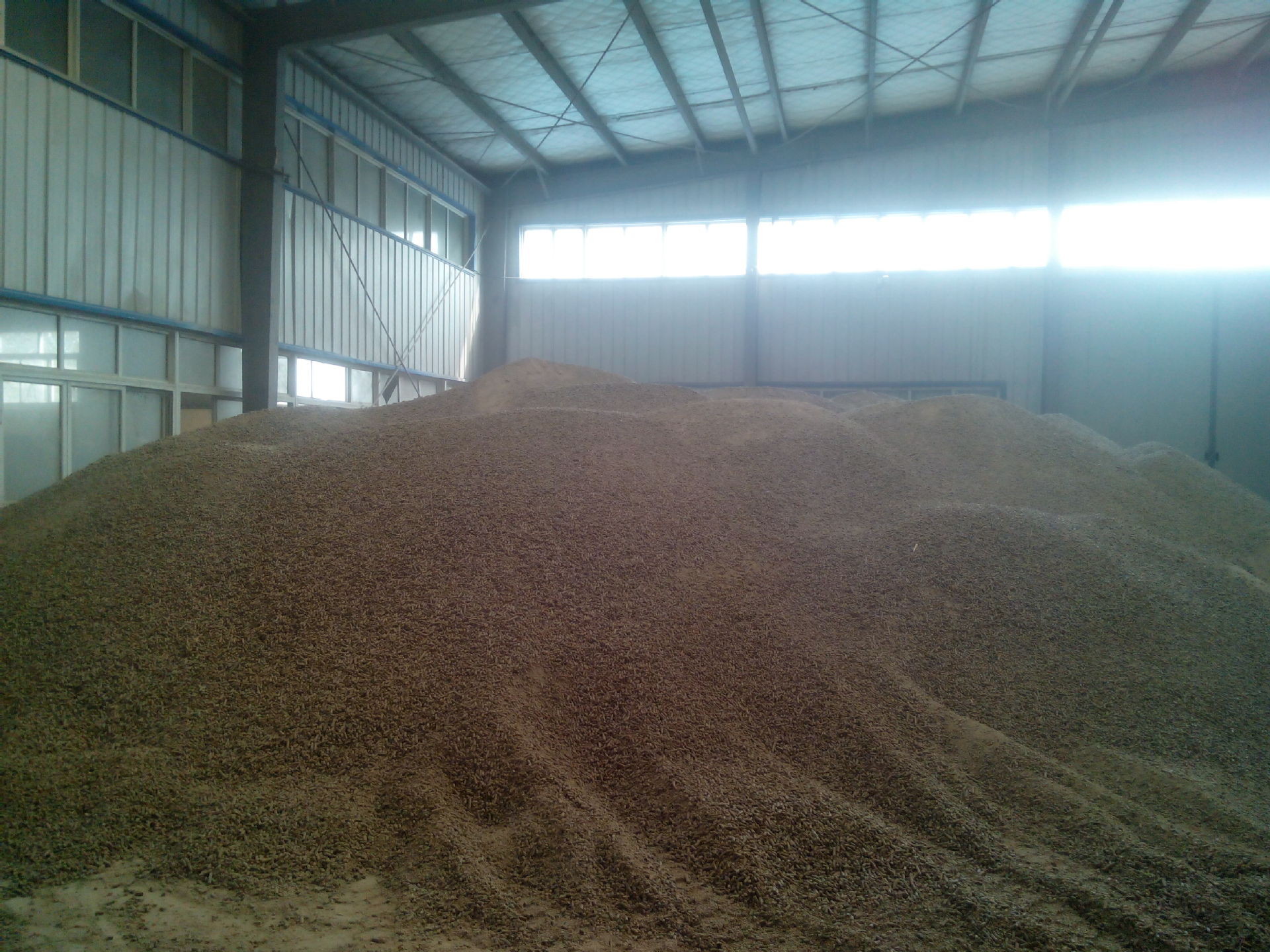
Industrial Waste

Wine lees, vinegar lees, cassava residue, sugar residue.
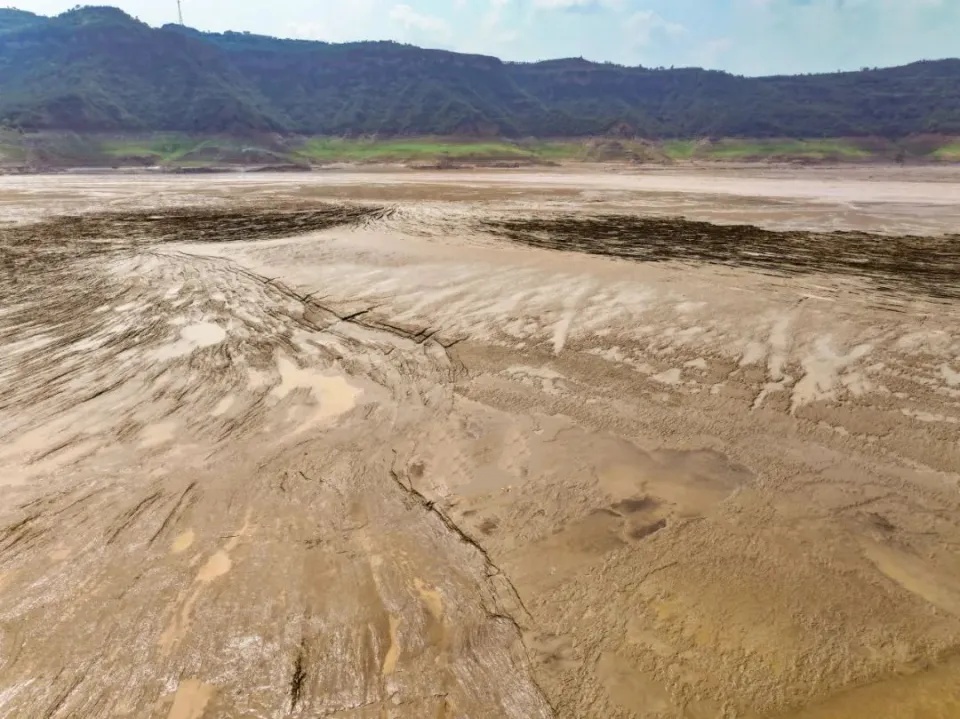
Urban Sludge

River silt, sewage sludge and other urban sludge.
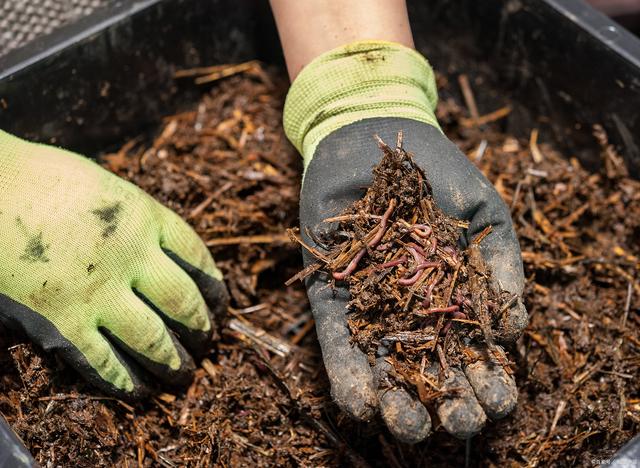
Other Organic Waste

Any other nutrient-rich organic waste materials.
⚙️
PRODUCTION PROCESS
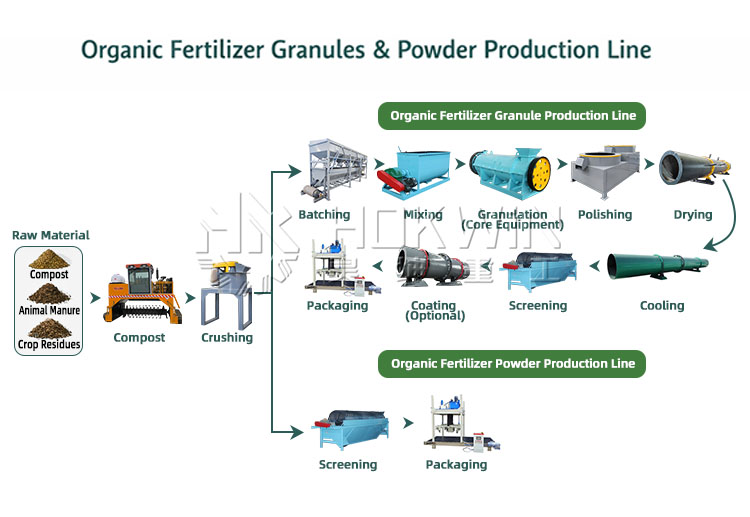
Organic Fertilizer Production Steps:
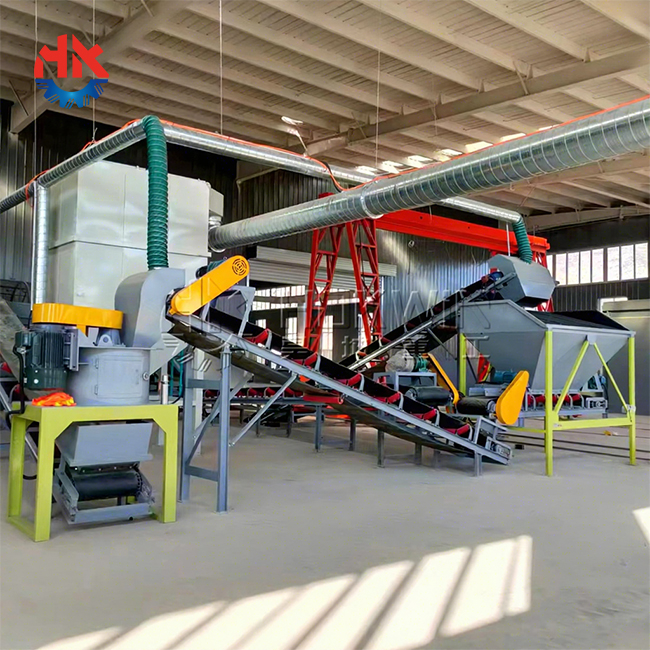
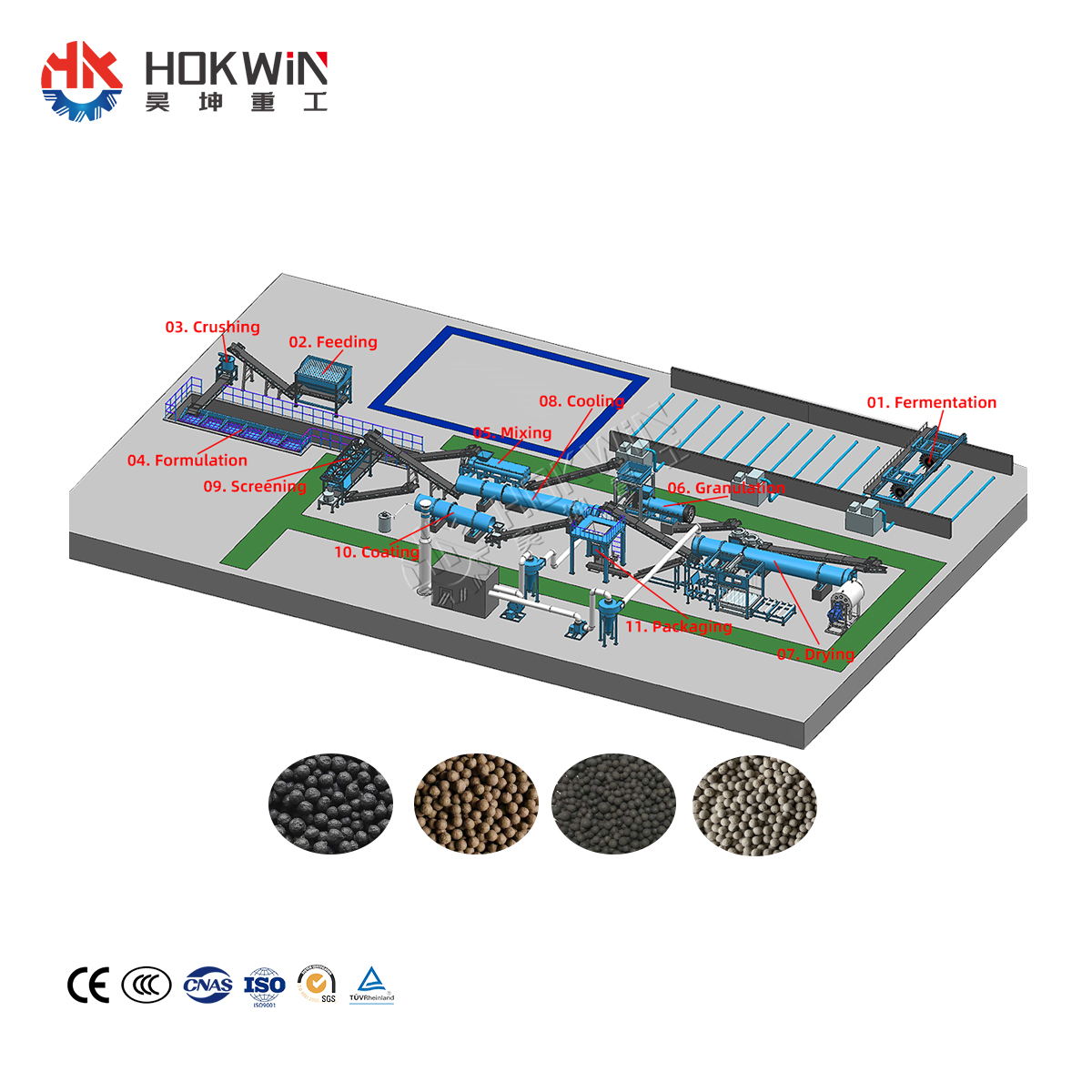
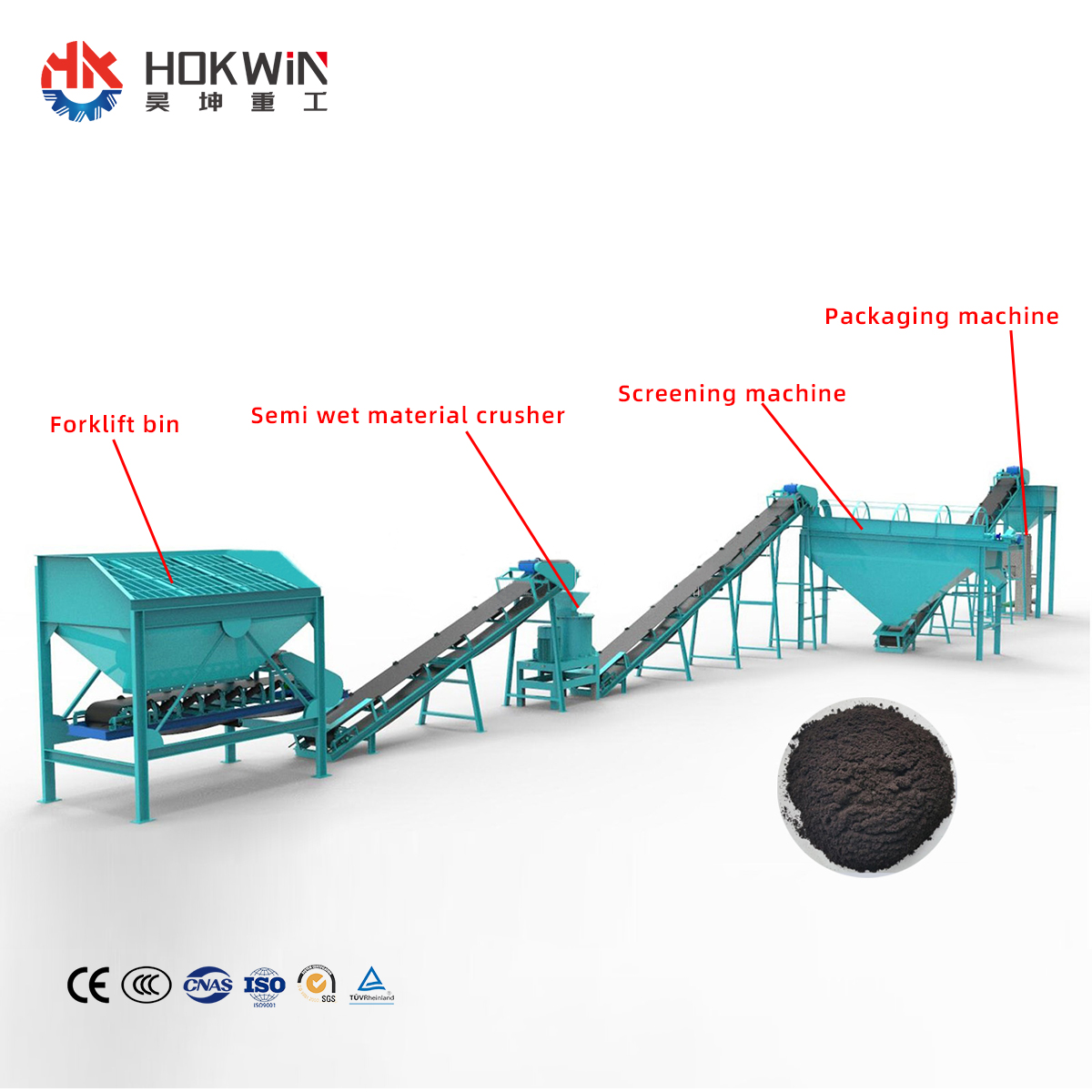
  • Raw Material Crushing: Materials like livestock manure and straw are crushed into uniform particles and purified.
  • Mixing & Fermentation: Fermentation agents are added and materials are fed into tanks to kill pathogens and transform raw materials.
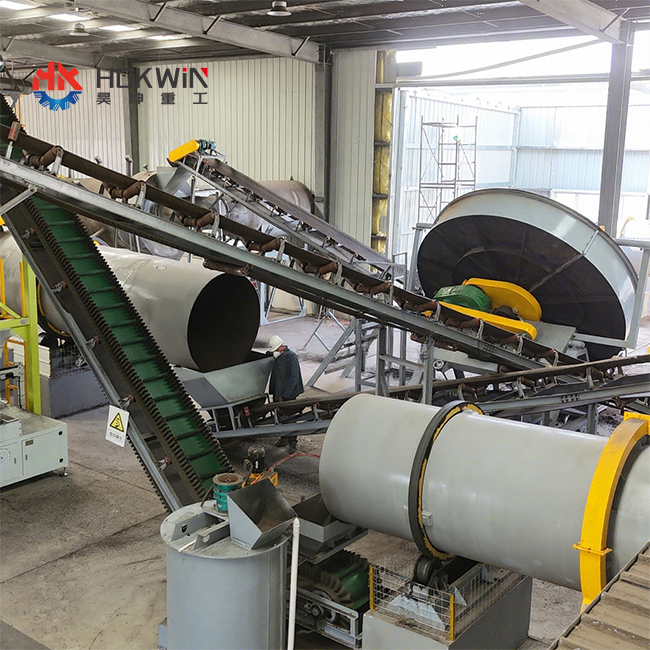
  • Granulation: Using extrusion or disc granulation to create uniform particles with high molding rates.
  • Drying & Cooling: Moisture is reduced to below 12% to ensure particle hardness for storage.
  • Sieving & Packaging: Qualified particles are screened and packaged automatically (25kg/50kg etc.).
📊
TECHNICAL PARAMETER

Technical parameters can be customized according to your specific requirements based on raw materials, capacity, and budget.

Daily Capacity: 5-100 T/D (Customizable) Final Product Type: Granular / Powder Organic Fertilizer
Raw Material: Livestock manure, straw, kitchen waste, etc. Fermentation Time: 7-15 Days
Granulation Rate: ≥ 90% Granule Size: 2-10 mm (Adjustable)
Overall Dimension: Customized Based on Capacity Voltage: 380V/220V, 50Hz/60Hz (Customizable)

Send us your raw material + capacity, we will design a solution for you within 24 hours.

👉 Get Free layout design | Machine recommendation | Best quotation
🔧
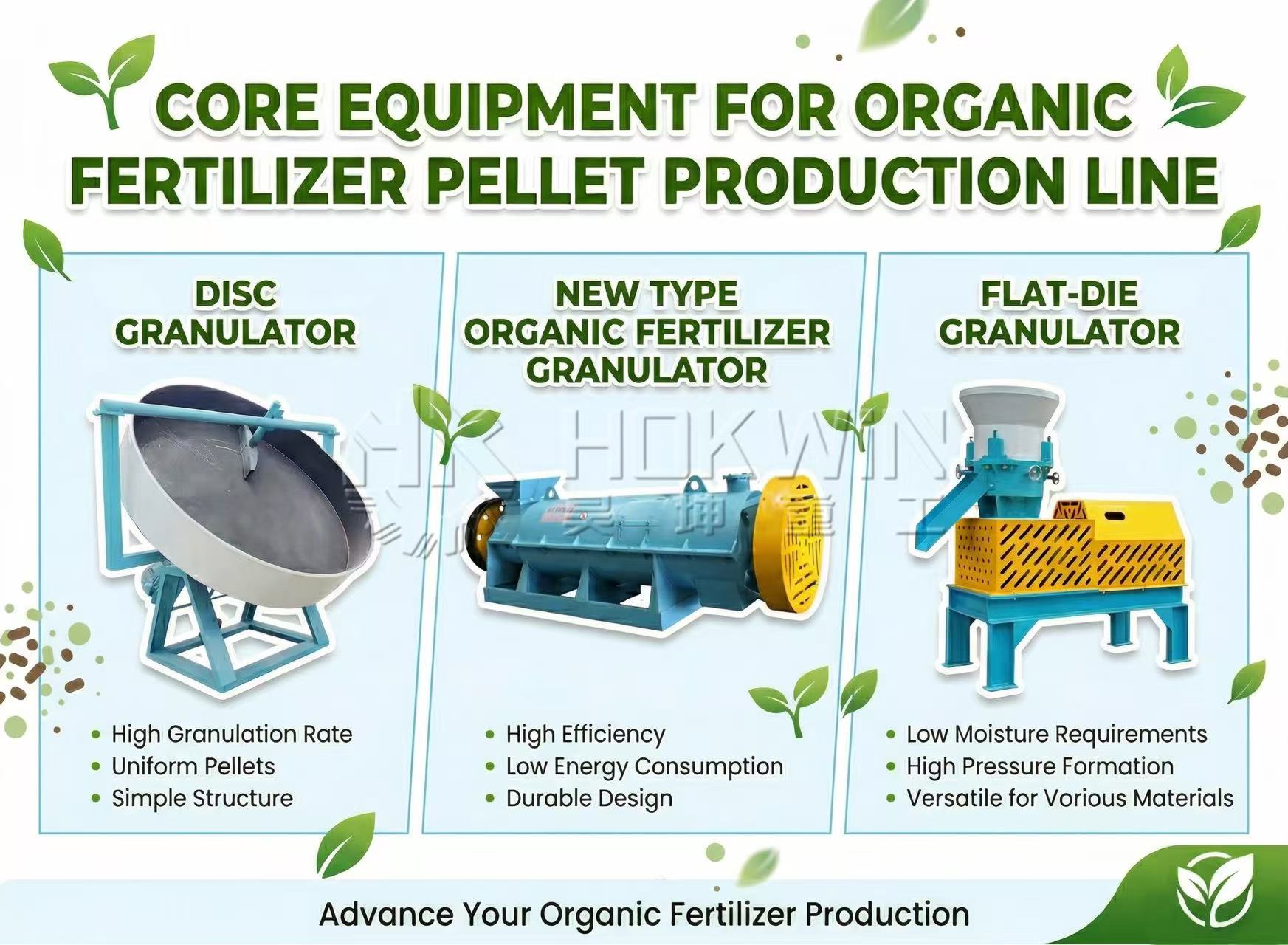
Core Granulation Technology

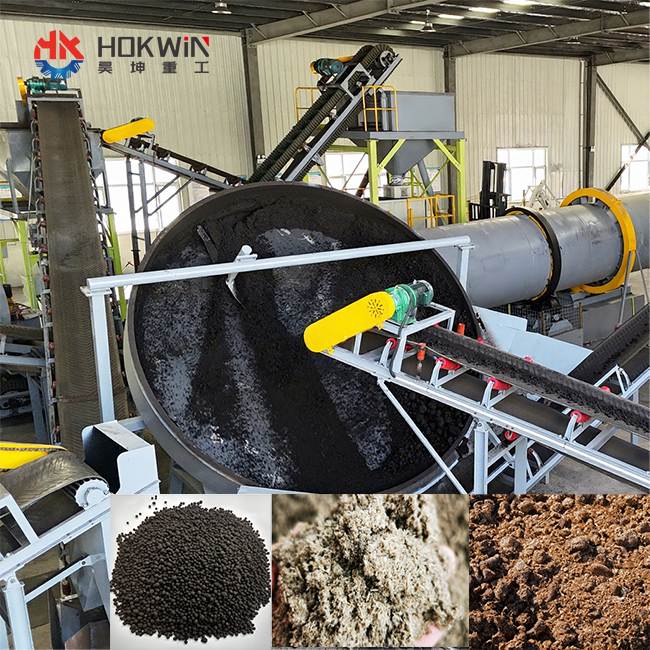
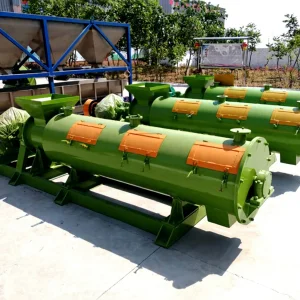
We offer three mainstream models: disc granulator, new type organic fertilizer granulator, and flat-die granulator.
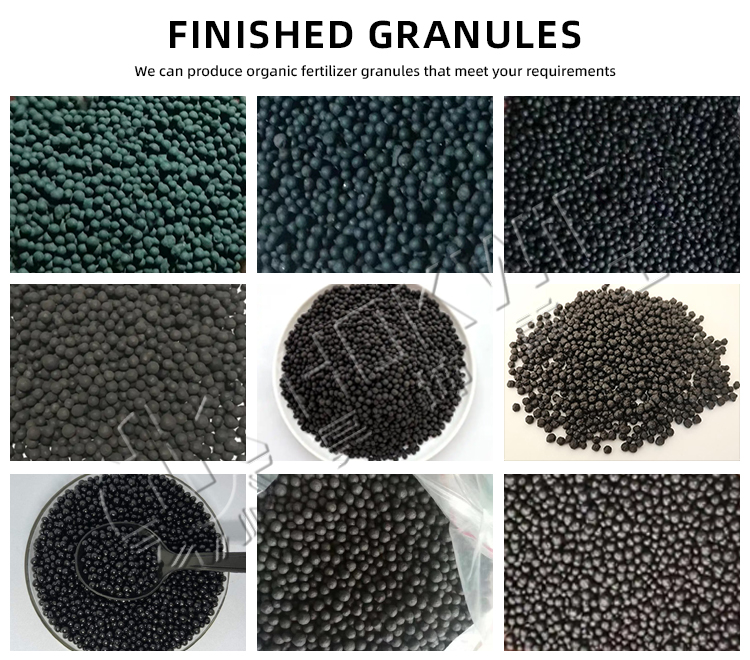

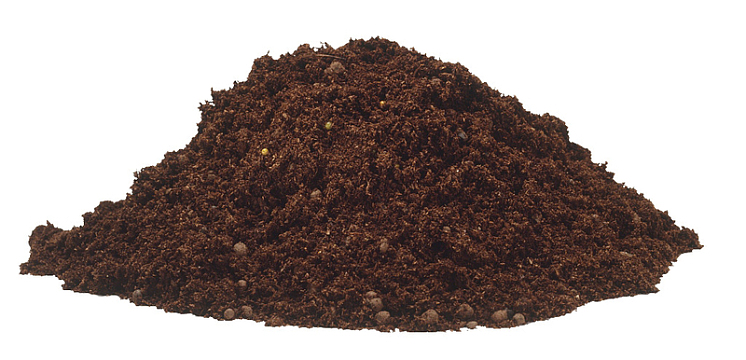
Finished Granules Display
PRODUCT ADVANTAGE & TESTING
Test Experiments

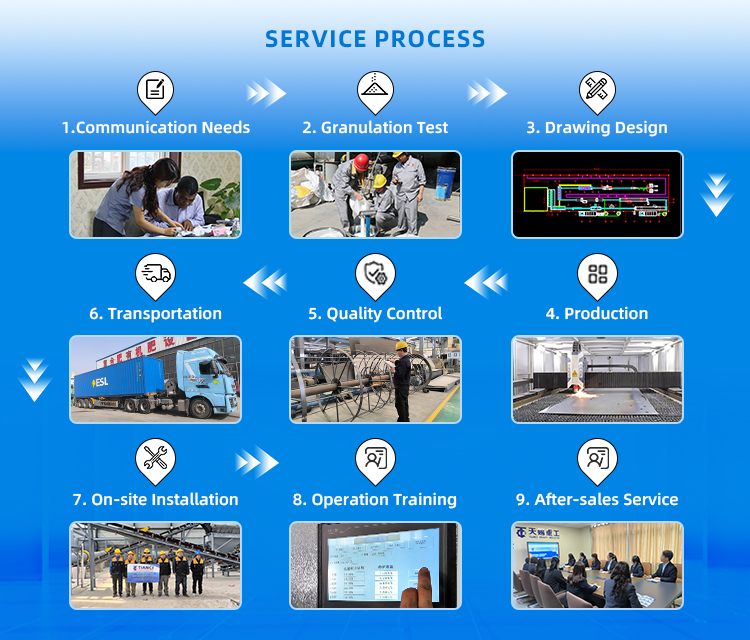
We perform experiments based on your raw materials to test strength and moisture of finished granules.
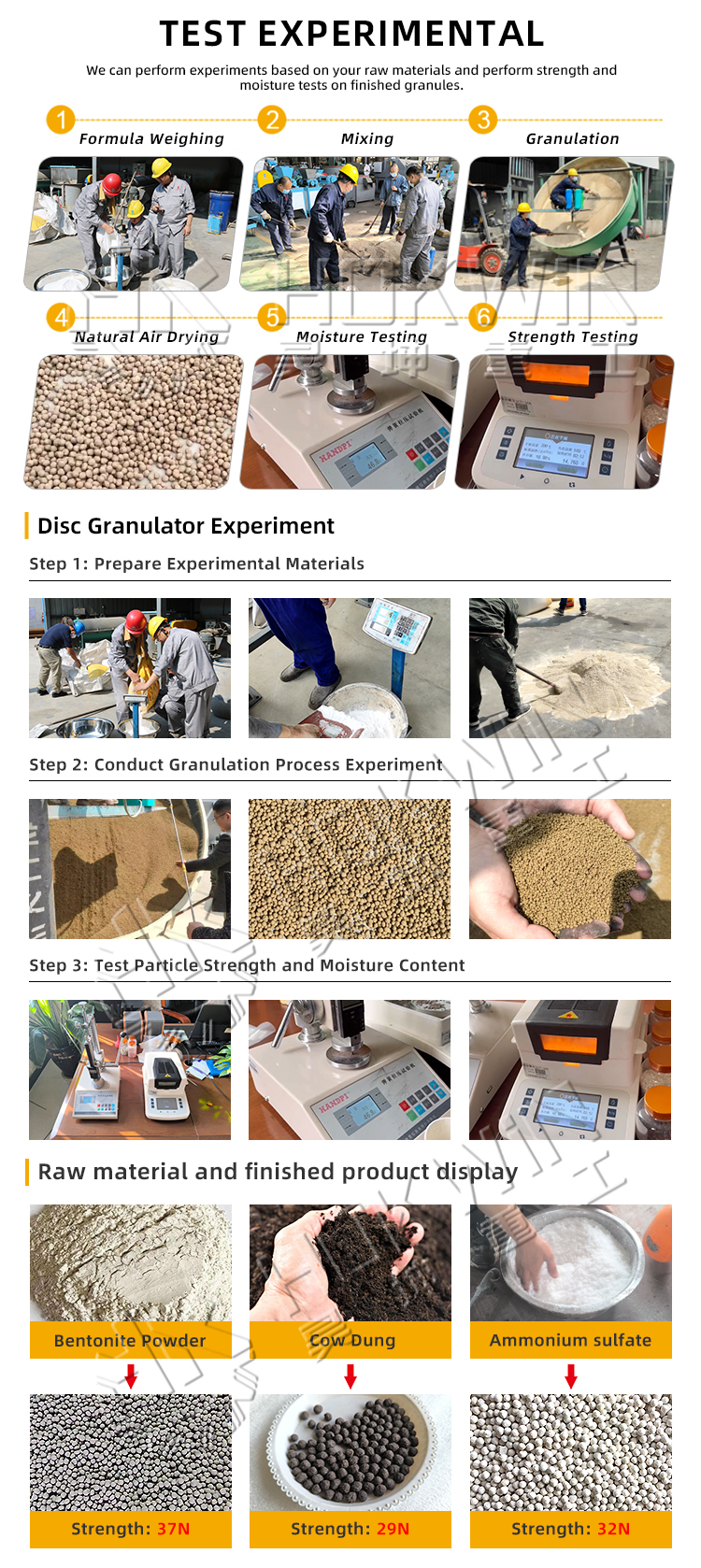
1. Formula Weighing
2. Mixing
3. Granulation
4. Natural Air Drying
5. Moisture Testing
6. Strength Testing
Core Advantages
  • High Efficiency & Energy Saving: Automatic operation, saves 30% labor and 25% energy.
  • Environmental Compliance: Zero discharge of waste gas/water. Meets global standards.
  • Durable Quality: Wear-resistant alloy steel parts with 8-10 years service life.
  • Customizable: Adaptable to various materials (manure, straw, sludge) and fertilizer types.
  • High Return: Factory direct supply with 6-12 months payback period.
🚢
GLOBAL SHIPMENT

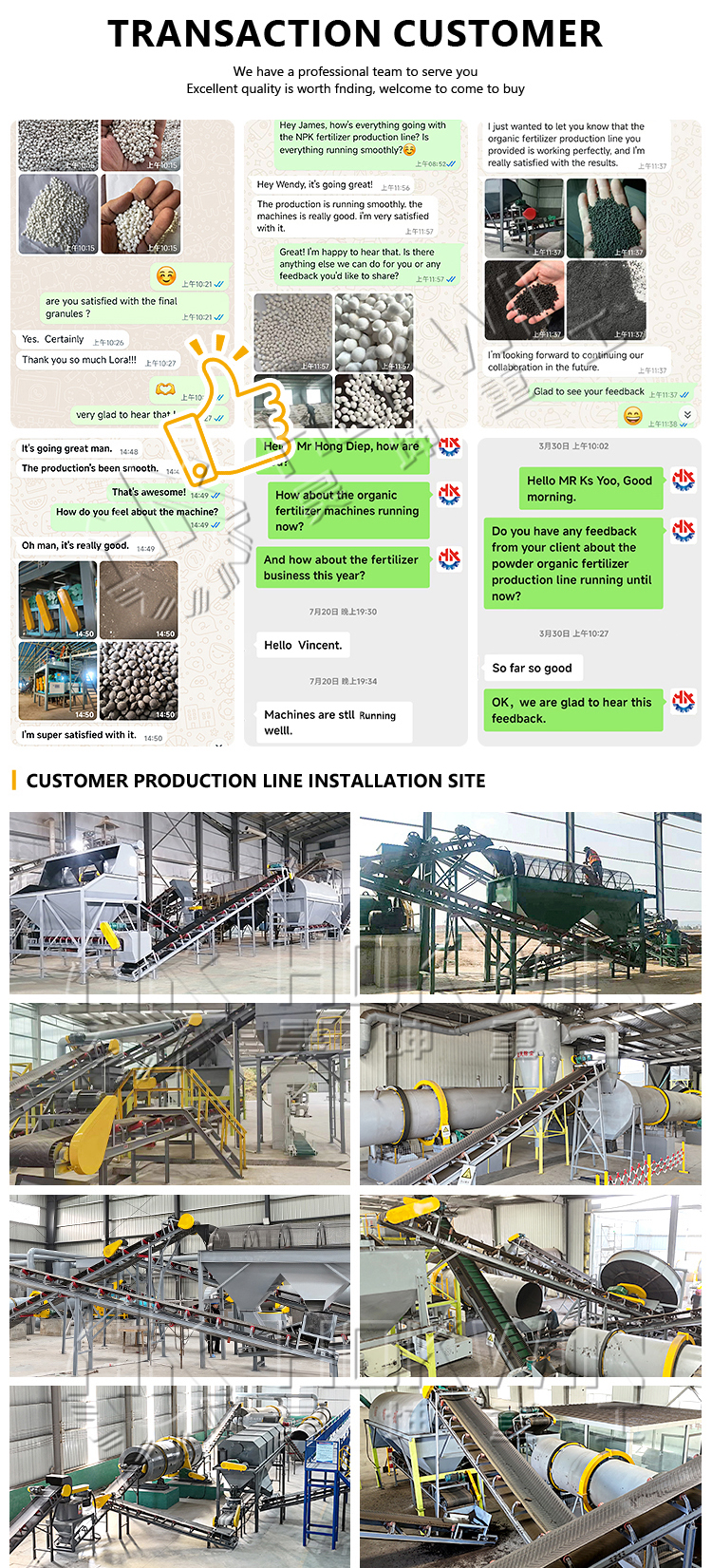
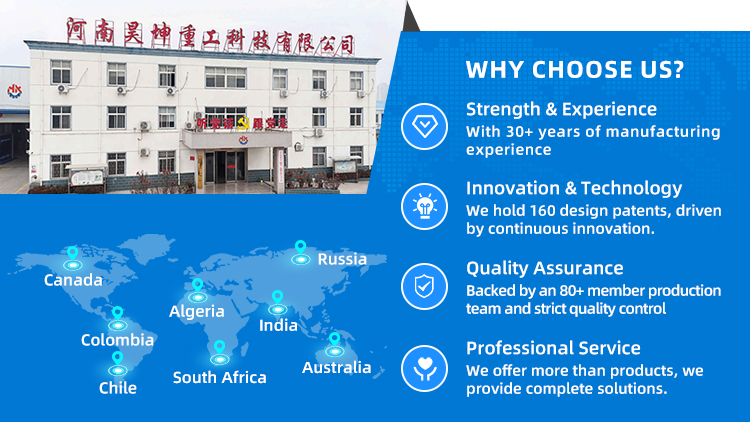
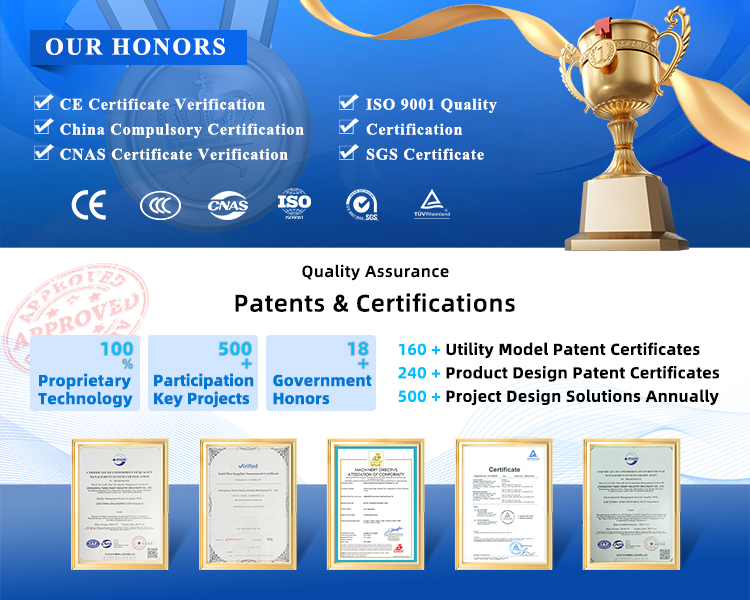
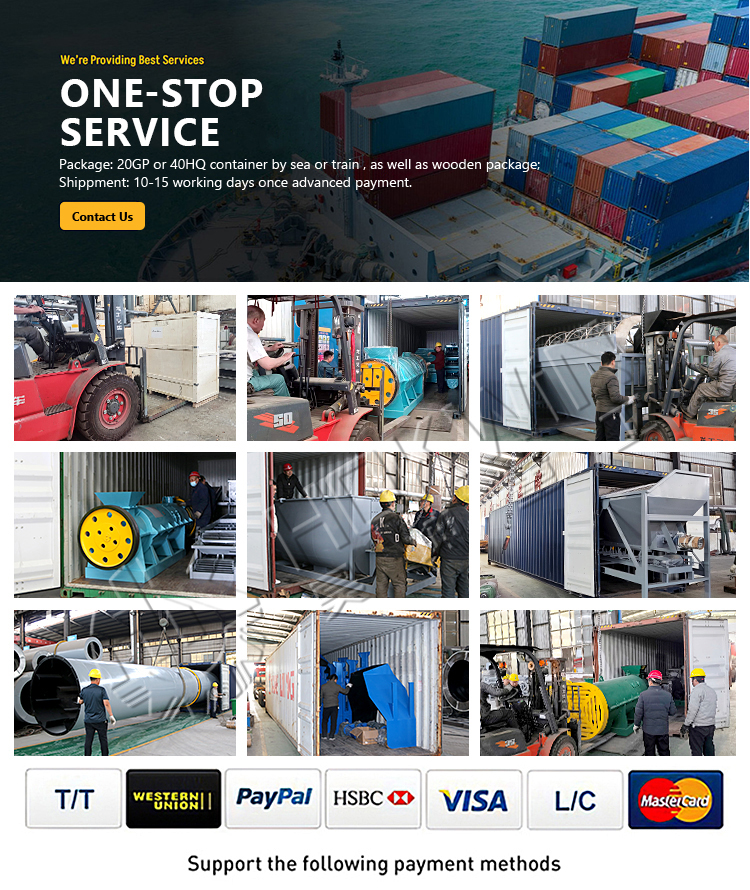
Our production lines have been exported to Africa, South America, the Middle East, Southeast Asia and over 50 other countries.
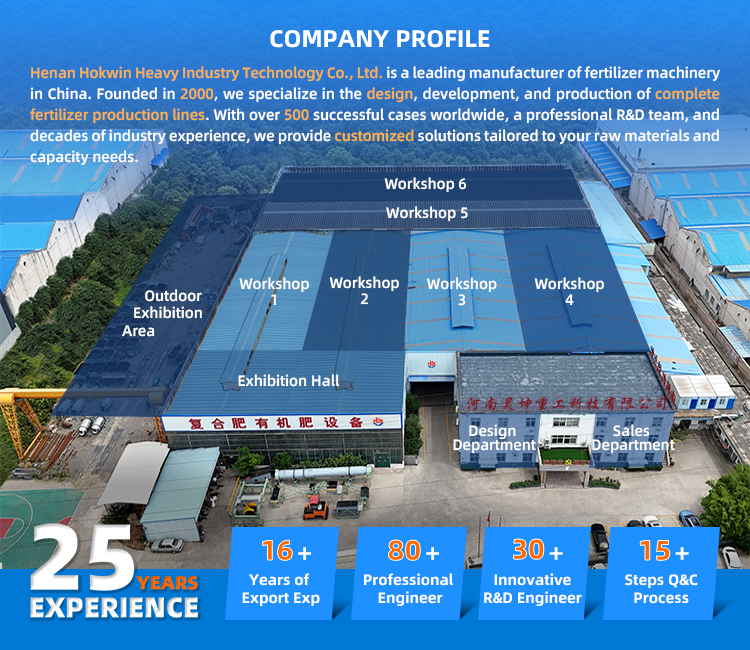
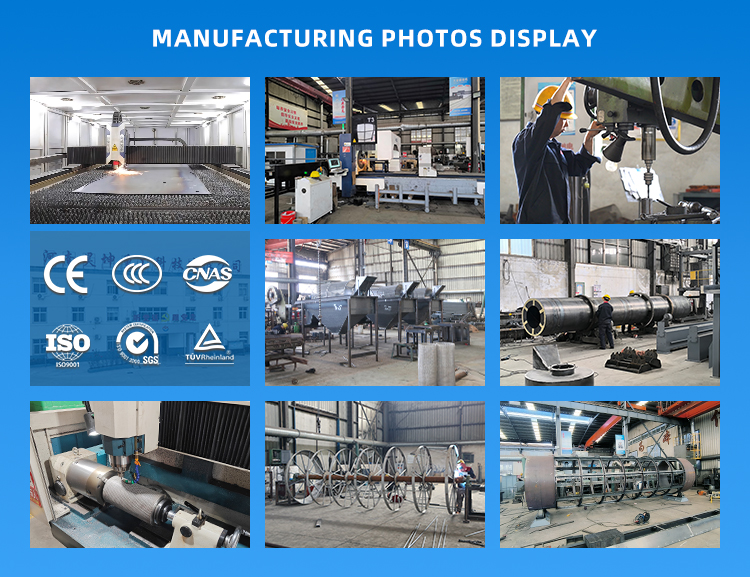
Production Facility
Frequently Asked Questions
Q: What is the production capacity of the fertilizer production line? A: The production capacity can be customized based on your requirements. Typical ranges are from 1 ton per hour to 10 tons per hour, depending on equipment configuration.
Q: What is the working principle of a fertilizer granulator? A: It works by mixing powdered materials with binders and then pressing or rotating them to form granules through double roller, rotary drum, or disc mechanisms.
Q: Can the fertilizer production line be customized for my raw materials? A: Yes, we can customize the line based on your raw materials (organic, compound, etc.), production goals, and specific site conditions.
Q: How long does the installation and commissioning take? A: Typically between 7 to 15 days, depending on the scale and complexity of the equipment and readiness of your site.
Q: Does the fertilizer granulator require high maintenance? A: Maintenance is relatively simple, involving regular cleaning, checking, and lubrication of key parts like the motor and transmission system.
Q: Is the production line suitable for both organic and chemical fertilizers? A: Yes, our production lines are versatile and suitable for both organic fertilizers and compound fertilizers with specific efficient solutions for each.

Related Products