AgBio Energy
1 / 5
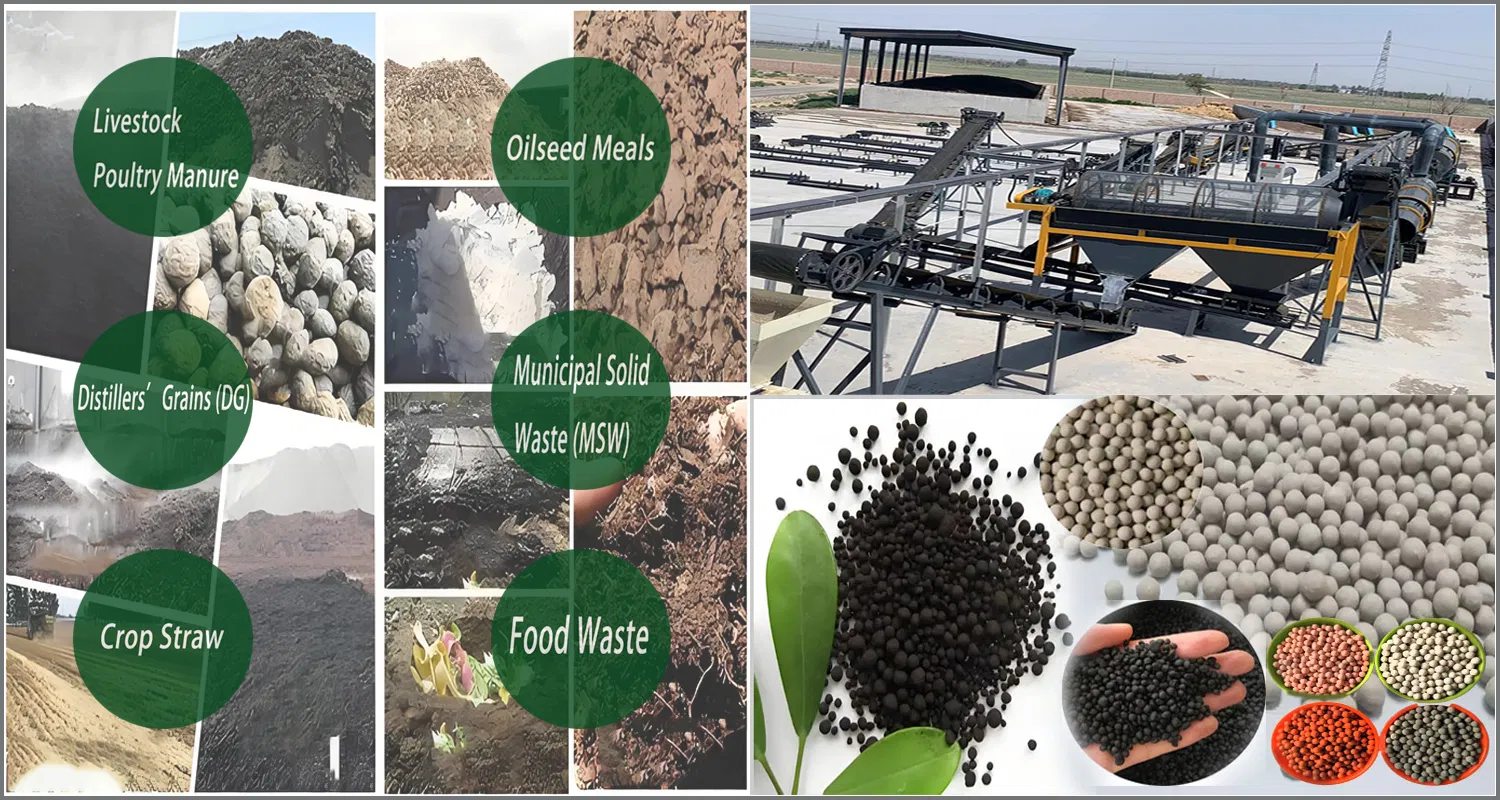
Suitable for various livestock farms, manure treatment centers, and the resource utilization of multiple organic wastes, including raw materials such as cow dung, sheep manure, pig manure, chicken manure, sludge, biogas residue, rice straw, and corn stalks.
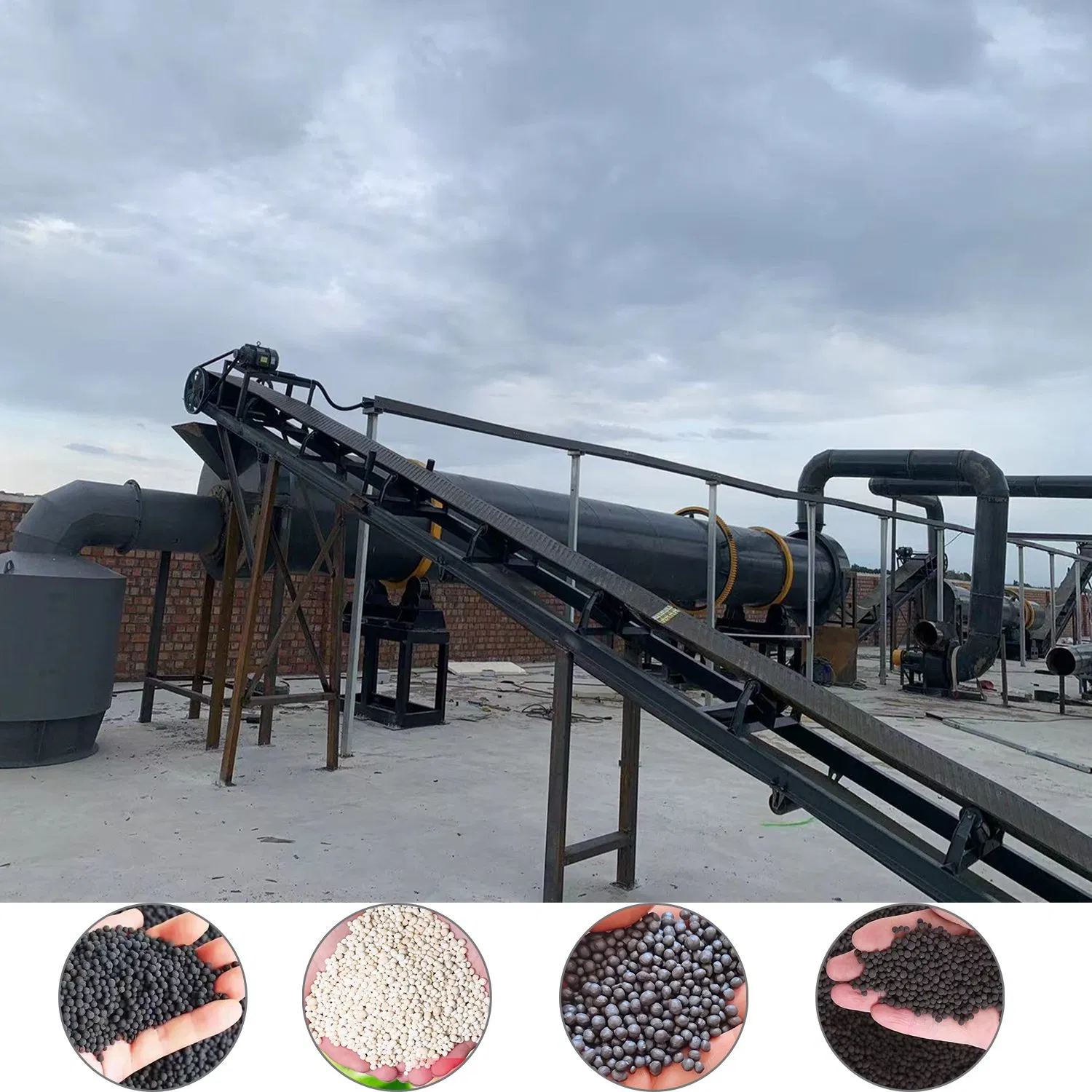
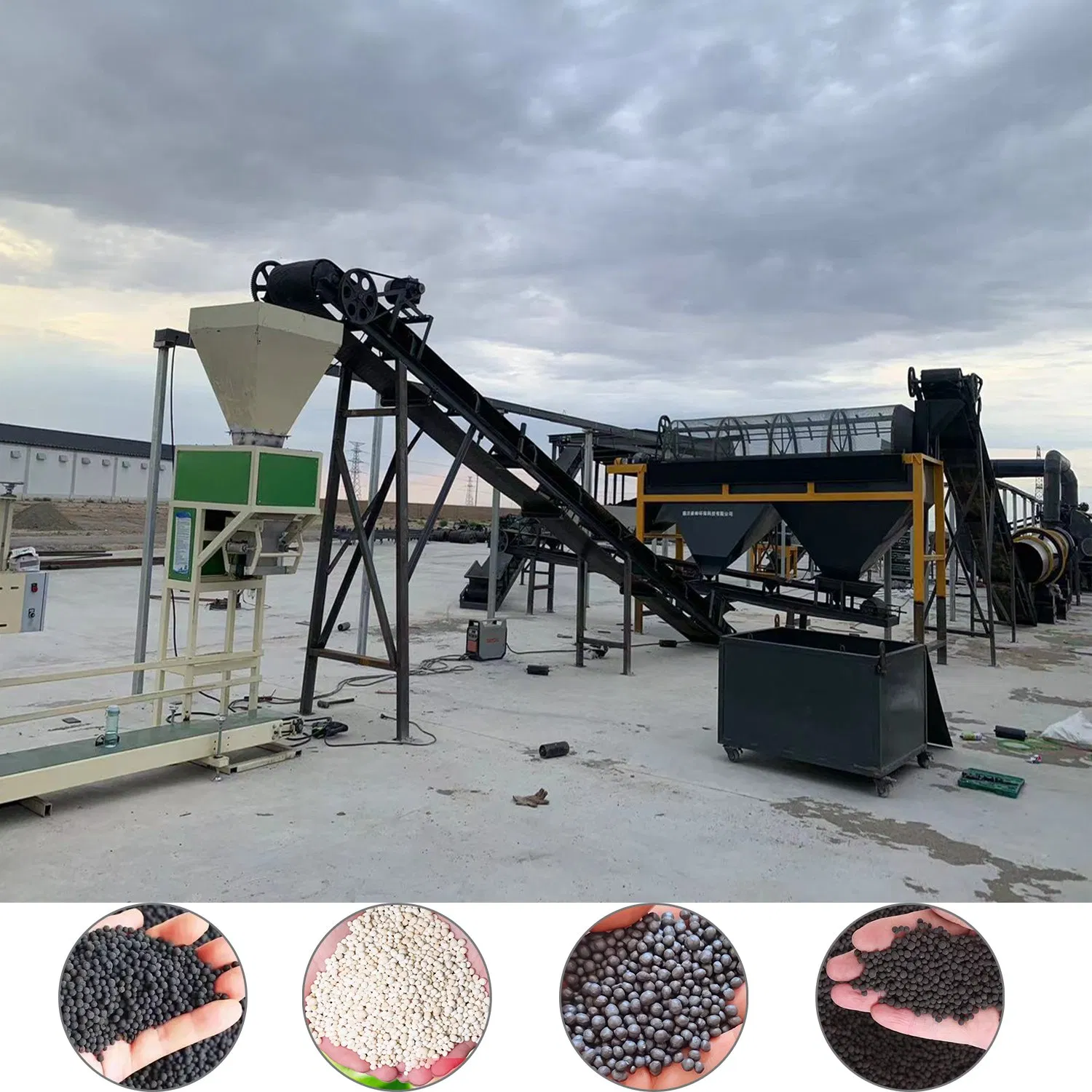
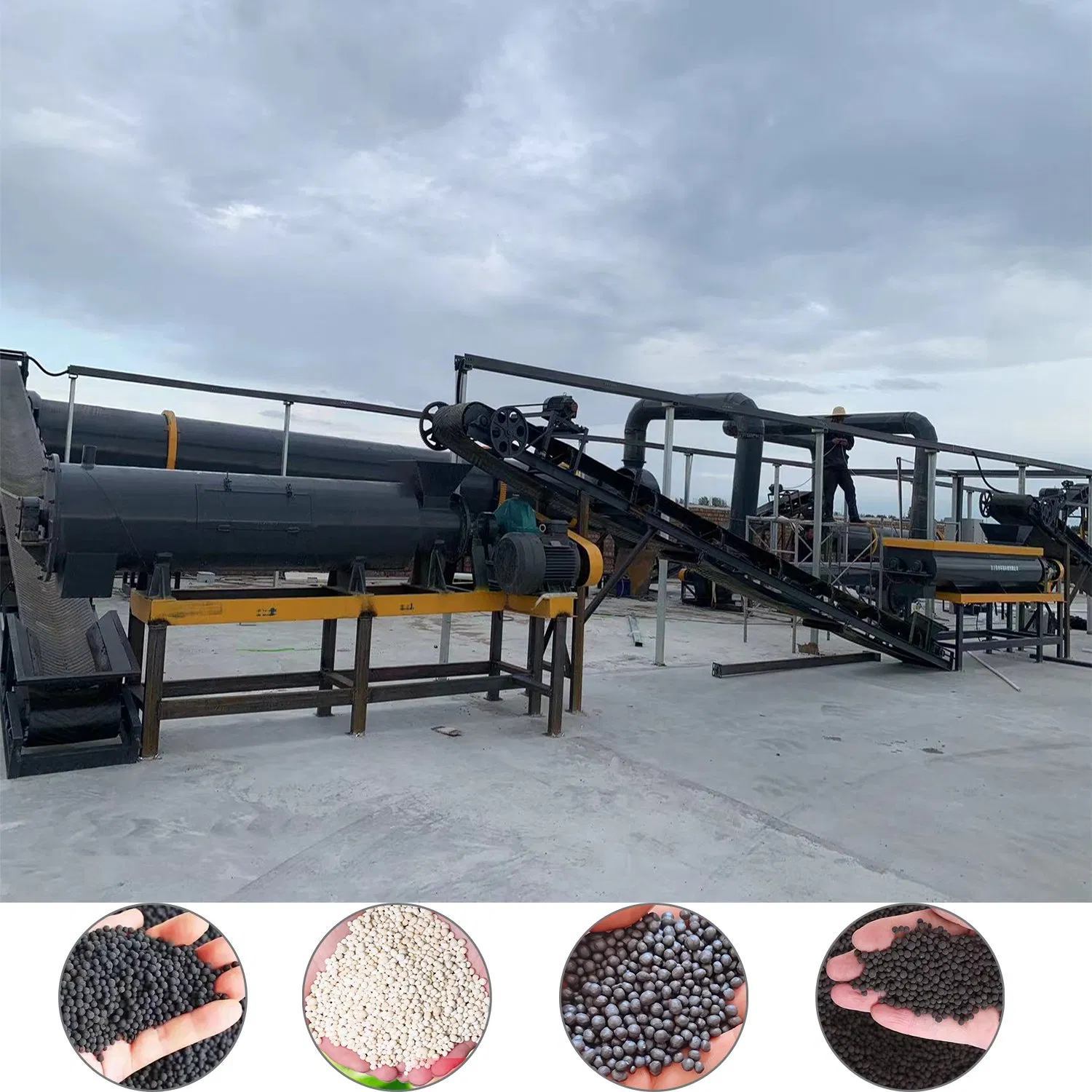
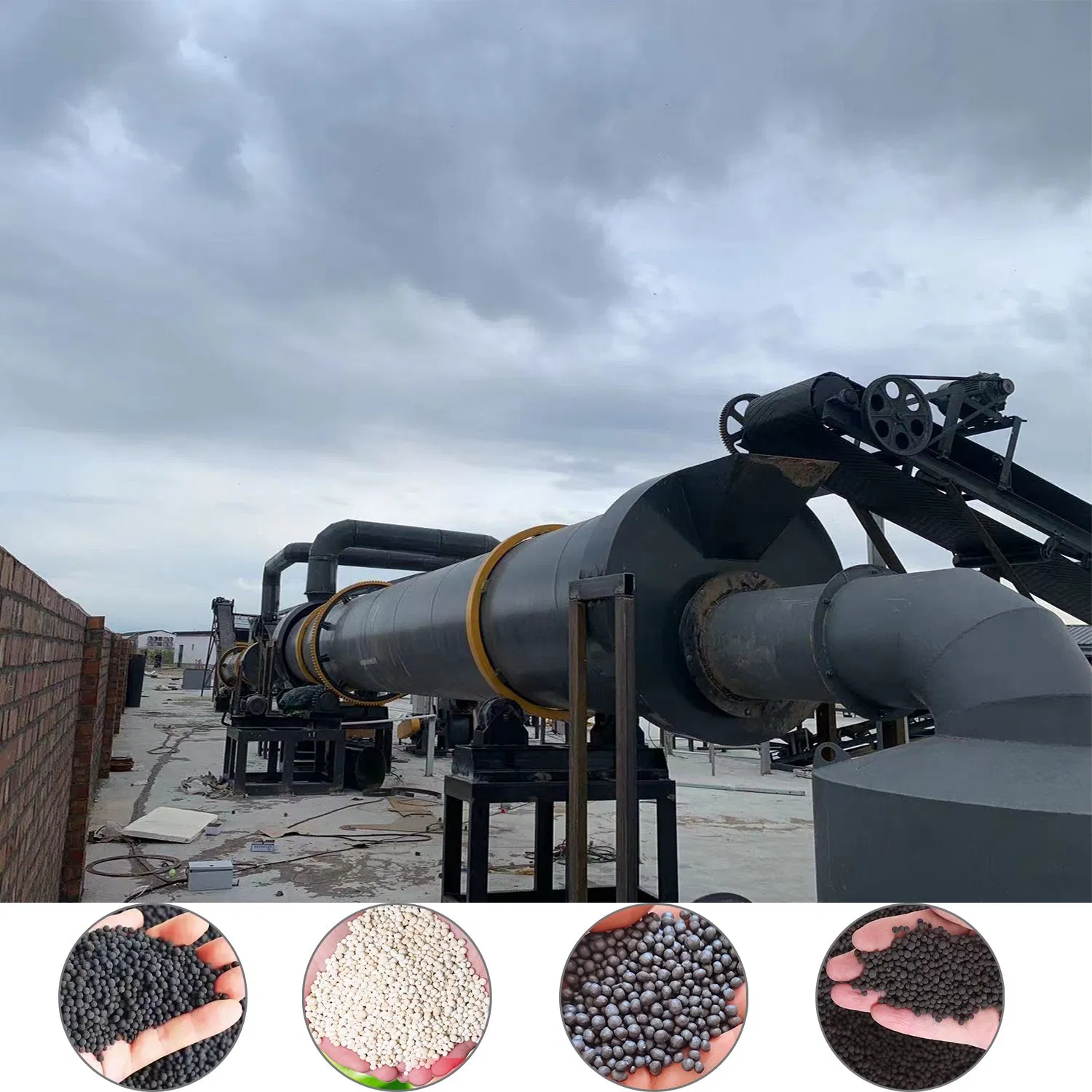
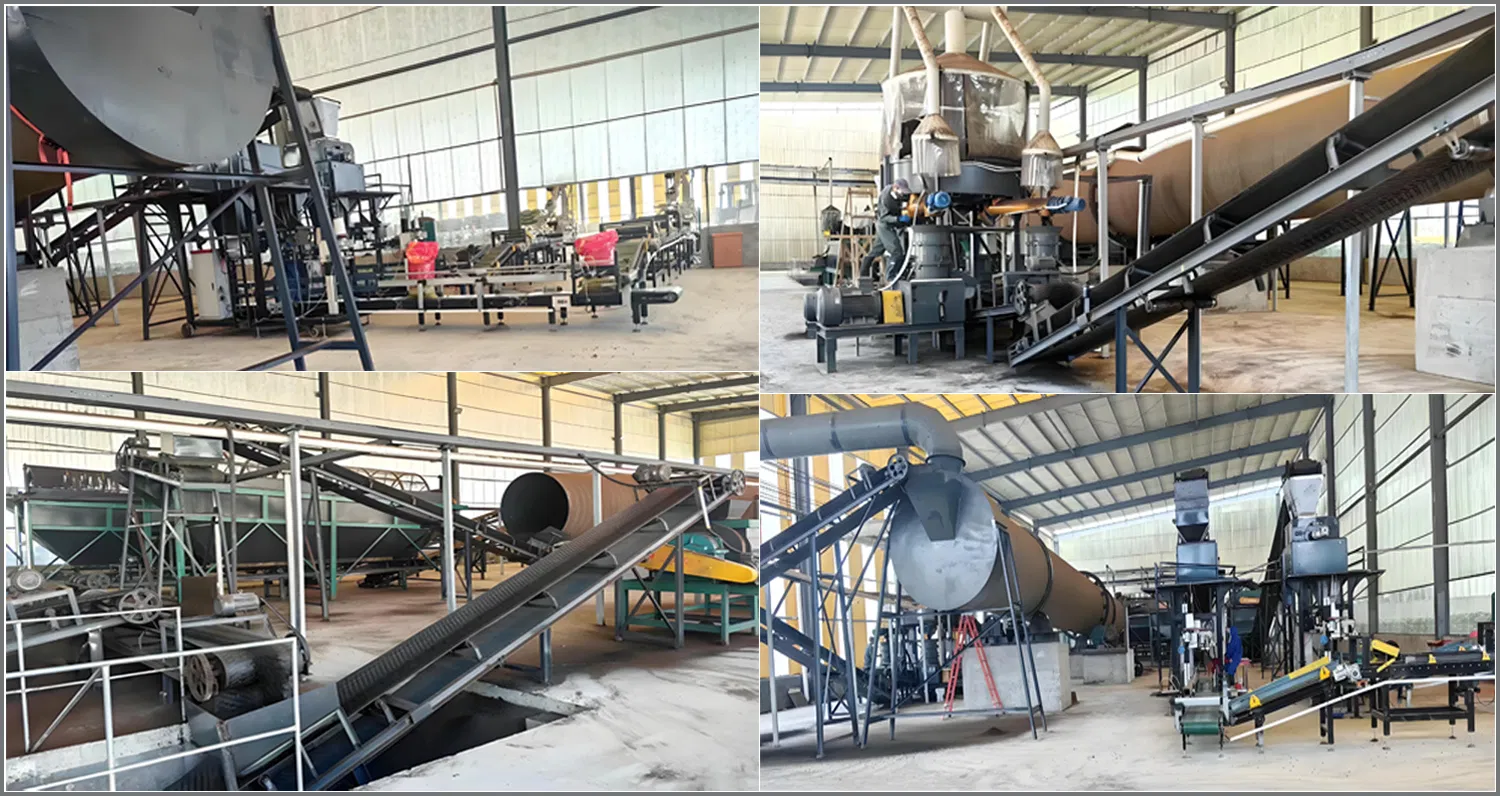
The complete line is divided into two primary sections:
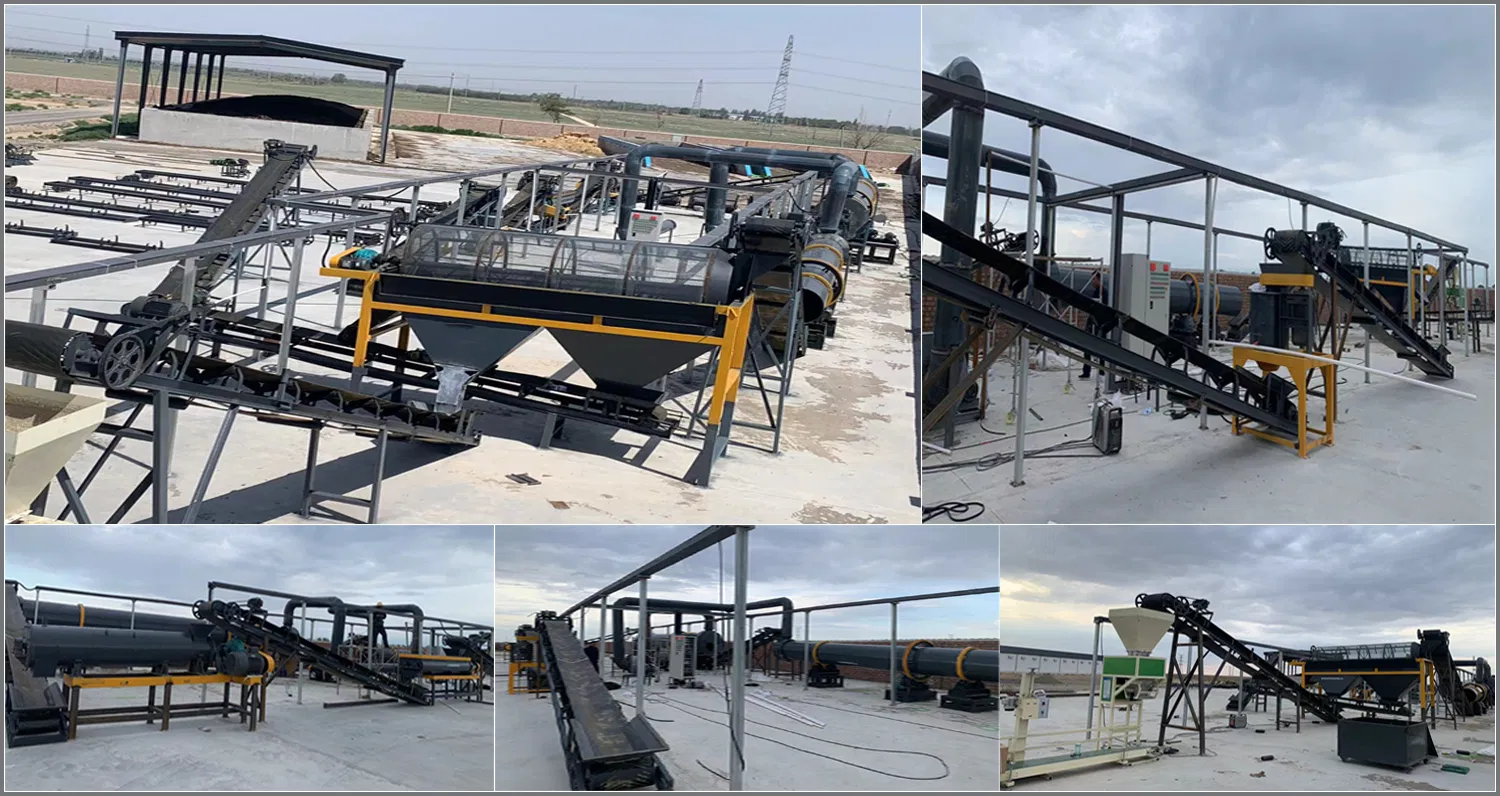
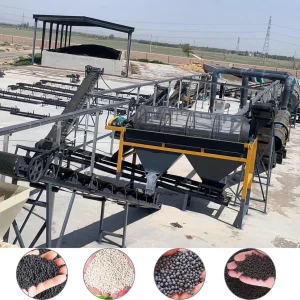
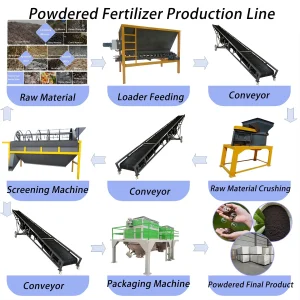
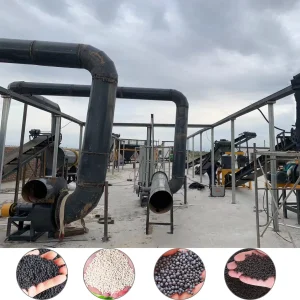
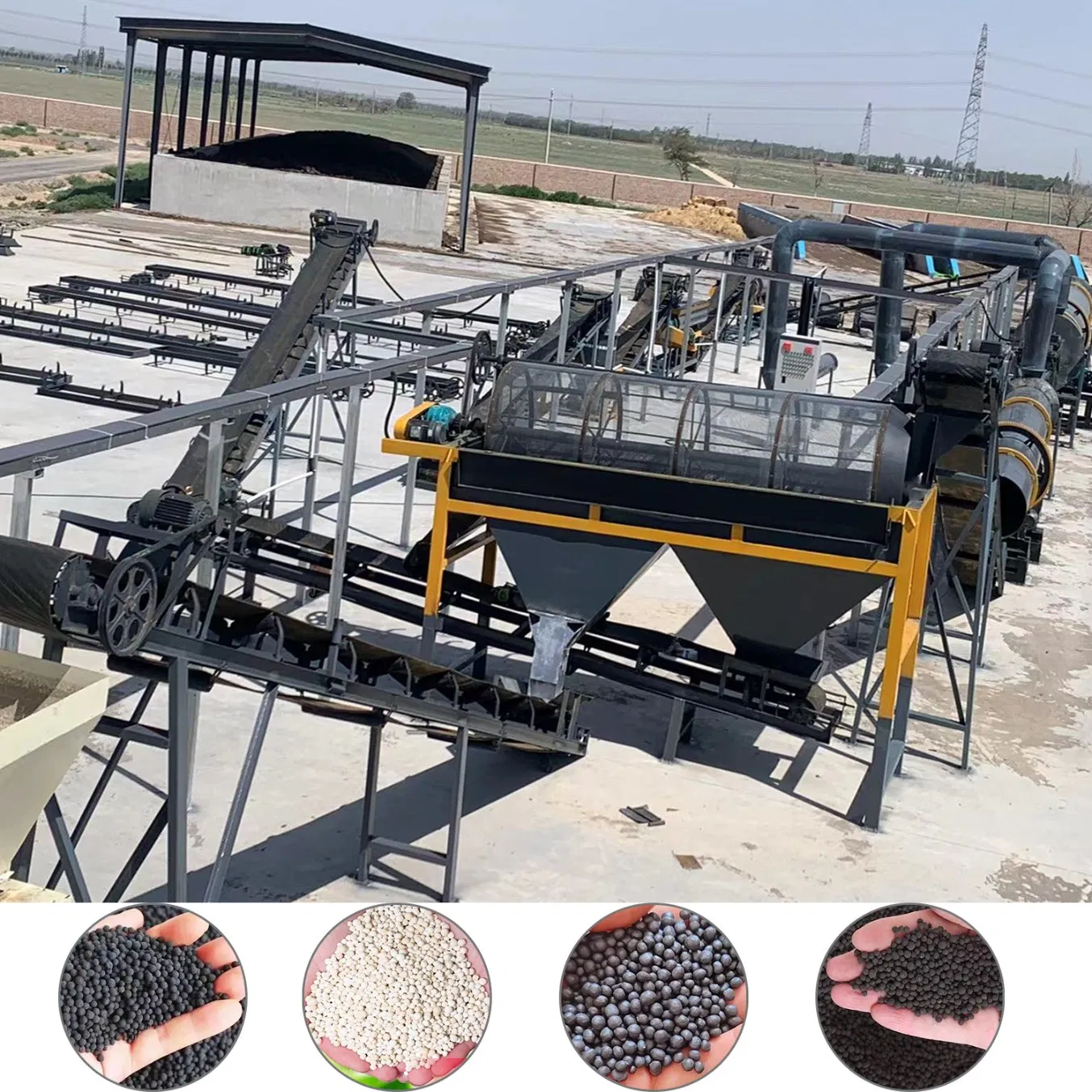
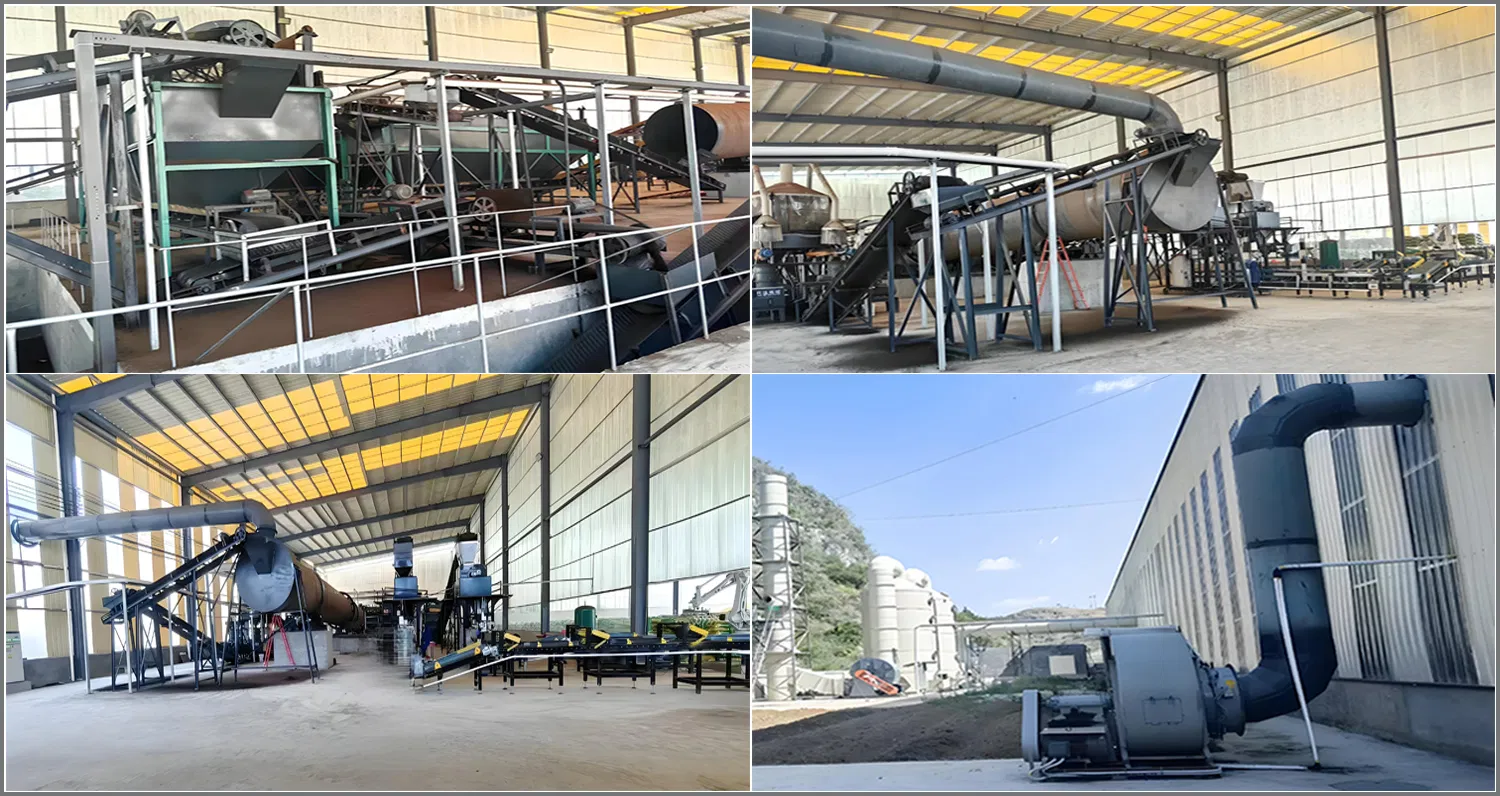
The fermented organic material is screened, batched, and mixed according to specific formulation ratios. The blended material is continuously fed into the granulator for shaping. After granulation, the particles are polished, rounded, and dried at low temperatures (≤65°C). Following cooling and screening, qualified granules are transported to the finished product silo for computer-controlled quantitative packaging.
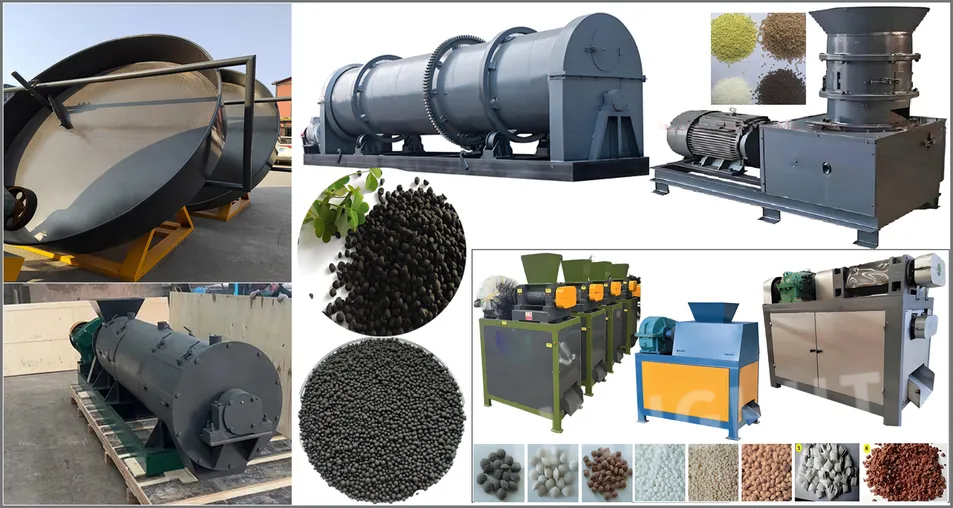
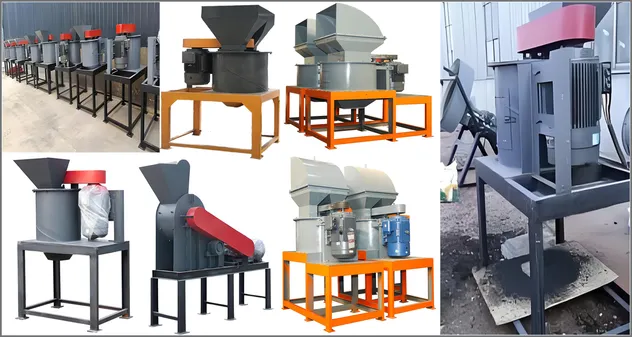
1. Crushing: Semi-wet material crushers (vertical/horizontal) designed without screen meshes to prevent clogging.
2. Mixing: Vertical, horizontal, or dual-shaft mixers tailored to specific material characteristics.
3. Granulation: Flexible selection of disc granulators, wet method granulators, or rotary drum granulators.
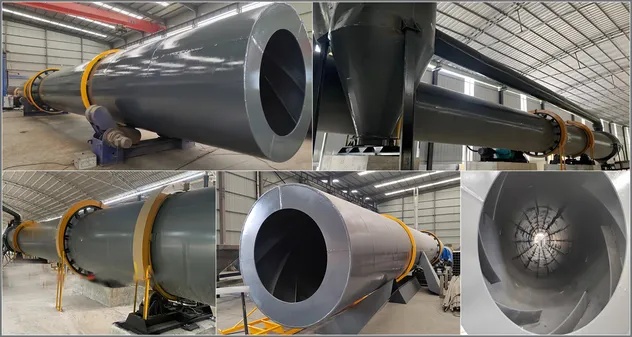
4. Drying & Cooling: Rotary systems using low-temperature air to preserve biological material activity.
5. Screening & Coating: Multi-stage screening for uniformity and surface treatment for enhanced granule quality.
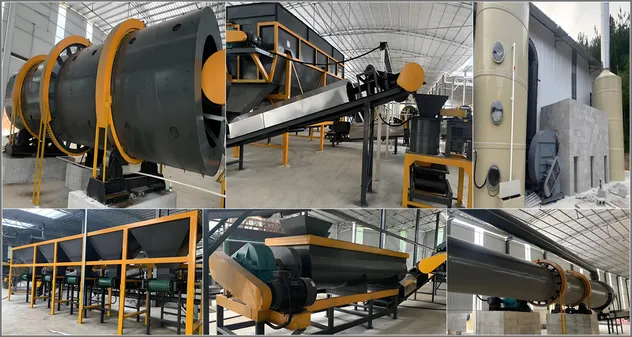
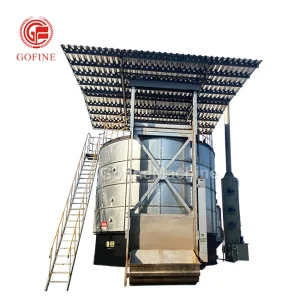
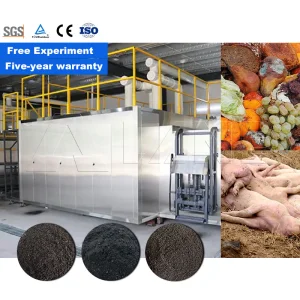
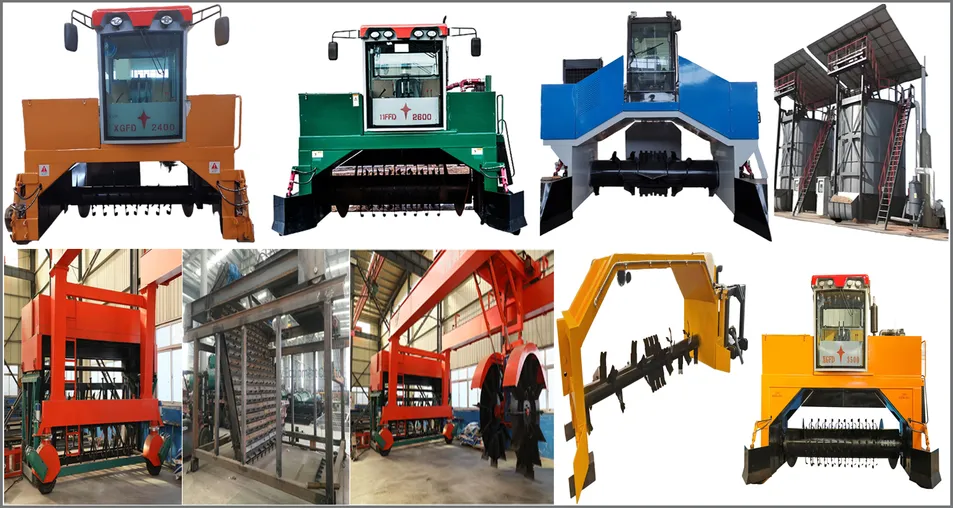
The system features an efficient aerobic fermentation process (approx. 15 days) that achieves rapid sterilization, deodorization, and decomposition, inactivating pathogens and weed seeds.
Utilizes rapid aerobic fermentation. Dried chicken manure contains 50% organic matter and high levels of N-P-K, making it an ideal raw material for premium organic fertilizers.
Focuses on sanitization and stabilization. Through composting technology, parasites and pathogens are eliminated, creating a sustainable waste management loop for large-scale farms.
Cow dung acts as a slow-release fertilizer. Our technology handles its high moisture content, converting it into nutrient-rich granular or powdered fertilizer.