Explore our highly-engineered waste conversion technologies deployed globally to process municipal organic, agricultural, and industrial biowaste streams.
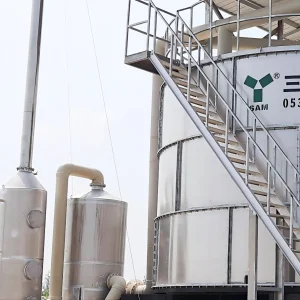
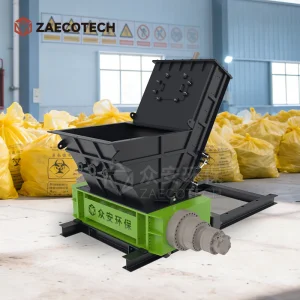
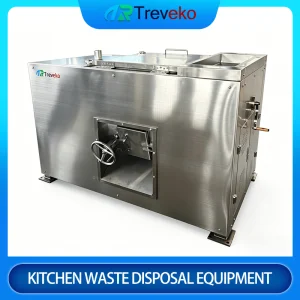
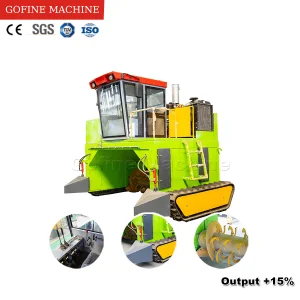
Understanding the transition to zero-landfill economies and the regulatory pressures driving industrial biowaste and wastewater technology adoption.
Governments worldwide are implementing strict landfill bans on organic compounds due to methane emission concerns. Utilizing high-efficiency bioreactors and dewatering systems allows corporate entities to drastically reduce carbon taxing exposure while producing valuable organic inputs for localized agricultural loops.
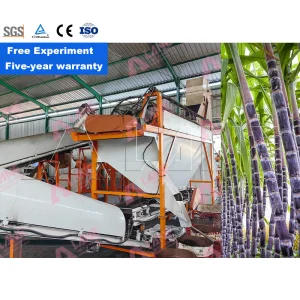
Traditional synthetic nitrogen and phosphate fertilizers represent significant carbon footprints. Transforming poultry manure, municipal food residue, and bagasse into highly stabilized humus addresses localized soil depletion while unlocking alternative commercial revenue streams for agricultural cooperatives and municipal waste managers.
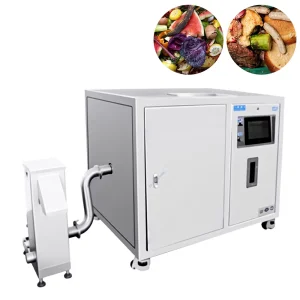
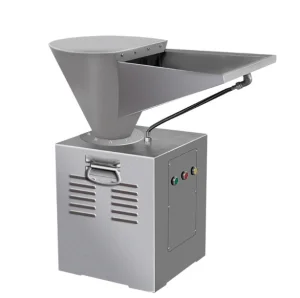
Transportation of heavy, moisture-laden waste accounts for substantial operational logistics expenditures. Implementing decentralized on-site food garbage disposers in hospitality centers, resorts, and corporate campuses offers immediate volumetric reductions, mitigating odor and biological hazards at the point of origin.
Chengdu AgBio Energy Co., Ltd. is a professional manufacturer specializing in organic waste composting equipment, food waste recycling systems, and sustainable waste treatment solutions. Established in 2013 and headquartered in Chengdu, Sichuan Province, China, the company is dedicated to helping businesses, agricultural operations, municipalities, and environmental service providers transform organic waste into valuable resources. With a modern manufacturing facility covering more than 16,000 square meters and a team of over 230 employees, AgBio Energy delivers efficient and environmentally responsible waste management technologies to customers around the world.
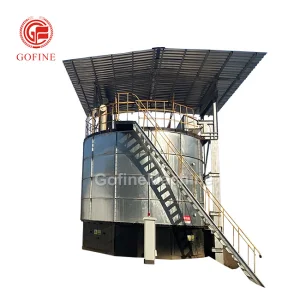
The company's product portfolio includes organic waste composting machines, food waste treatment systems, aerobic fermentation equipment, agricultural waste recycling solutions, manure composting systems, organic fertilizer production lines, municipal bio-waste treatment equipment, and intelligent composting management systems. These solutions are widely used in farms, food processing facilities, restaurants, hotels, commercial waste treatment centers, agricultural cooperatives, and municipal environmental projects.
AgBio Energy integrates engineering expertise, process optimization, and advanced manufacturing technologies to develop reliable composting and organic waste recycling systems. The company operates modern production workshops, assembly lines, and testing facilities to ensure product quality, operational efficiency, and long-term reliability. Strict quality management procedures are implemented throughout product development, manufacturing, installation, and customer support processes.
In addition to standard equipment, AgBio Energy offers OEM and ODM services, providing customized waste treatment solutions tailored to specific project requirements, processing capacities, and operational environments. The company works closely with environmental organizations, agricultural enterprises, waste management operators, and project contractors worldwide.
Committed to innovation, sustainability, and resource recovery, Chengdu AgBio Energy Co., Ltd. continues to support global efforts toward circular economy development, landfill reduction, and environmentally responsible organic waste management through advanced composting and recycling technologies.
A visual look inside AgBio Energy's advanced R&D, processing units, and high-precision manufacturing systems in Chengdu, China.
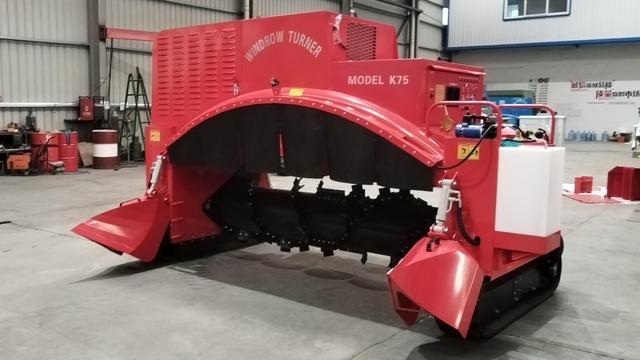
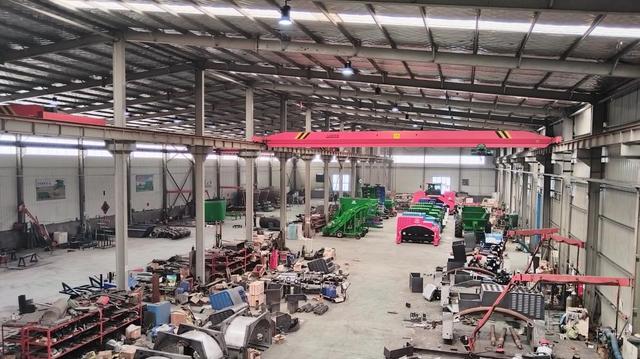
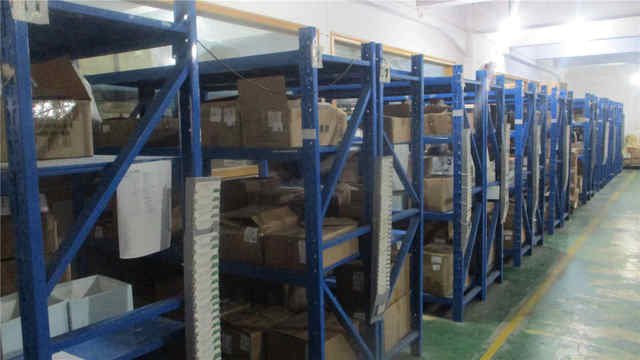
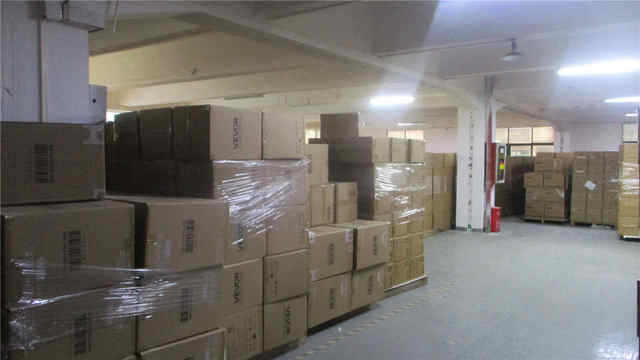
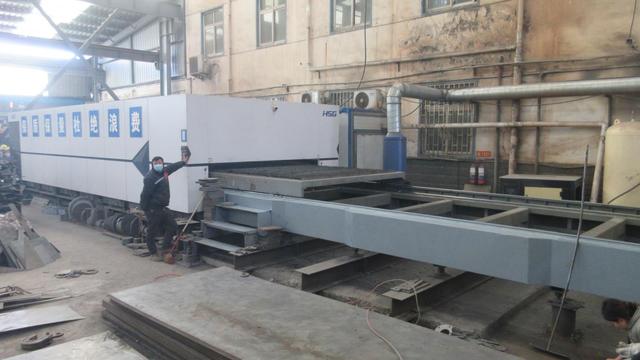
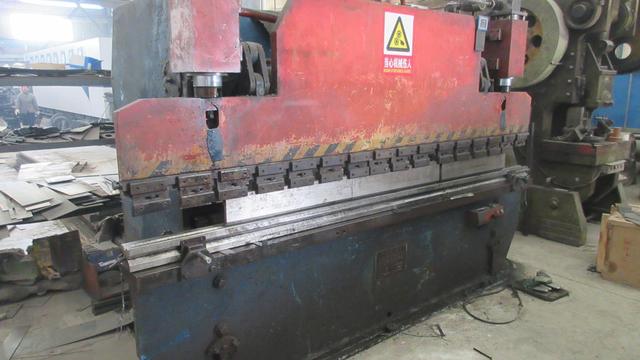
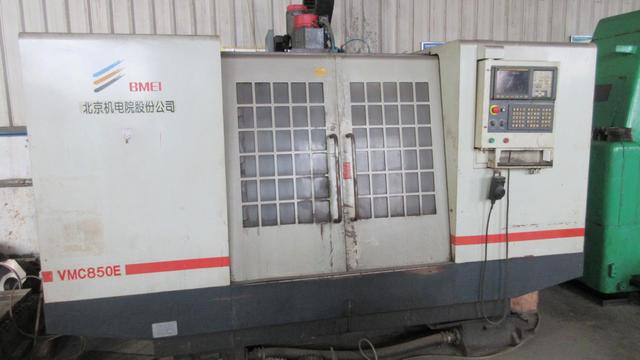
A closer look at how modern instrumentation, biology, and materials science converge to form the future of solid waste processing equipment.
Real-time biological oversight is central to the future of composting. Incorporating multi-sensor arrays directly monitoring temperature, gas composition, and oxygen levels enables intelligent aeration algorithms to maintain high thermophilic speeds, cutting manual management and power consumption by up to 40%.
Biowaste processes release high concentrations of organic acids, hydrogen sulfide, and moisture, accelerating chemical wear on structural parts. By employing marine-grade carbon steel treated with advanced polyurethane layers and specialized SUS316L, our design achieves over 15 years of standard component life.
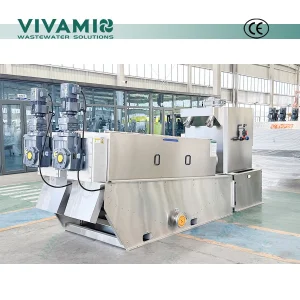
Unsorted organic streams present serious mechanical jamming risks. AgBio Energy's integrated high-torque shredding machinery coupled with mechanical dewatering and screw presses automatically reduces volumes, extracting liquid components while optimizing solid structure for aerobic decomposition.
Technical guidance addressing installation, biological processing requirements, structural materials, and operational efficiencies.
Our industrial aerobic digestion systems achieve composting cycles in as little as 10 to 15 days. High mechanical control combined with continuous air injection heats materials to thermophilic levels (55°C to 65°C), destroying weed seeds, pathogens, and insect larvae while accelerating organic digestion.
Our carbon steel structures undergo sandblasting to Sa2.5 grade, followed by double-layer epoxy primers and polyurethane topcoats. This forms an impermeable barrier against hydrogen sulfide, biological acids, and chlorides, guaranteeing long system lifetimes under continuous operation.
Yes, our screw press dewatering system features a fully automated self-cleaning cycle and smart control panel. The screw shaft runs at low speeds (2–5 RPM), reducing wear and power requirements, while mechanical sprayers prevent screen clogging during continuous operations.
AgBio Energy provides complete customization services, including custom material selections (SUS304, SUS316L, or coated carbon steel), structural size engineering, specialized gas cleaning units, and tailored motor and voltage requirements (220V/380V/440V, 50Hz/60Hz) to match localized infrastructure.
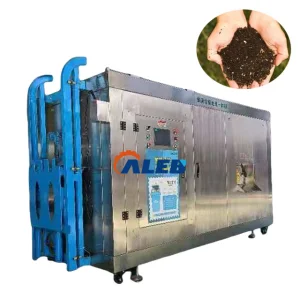
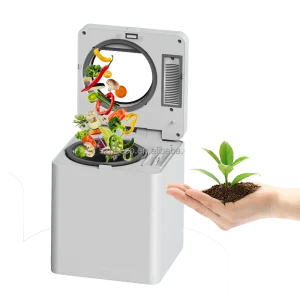
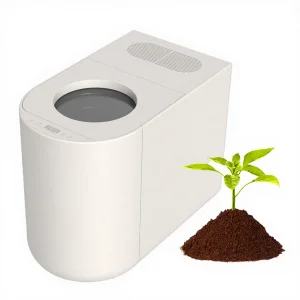
Our smart compact composters use automated software to control grinding, heat drying, and active carbon filtration. Operators can monitor progress, check current power consumption, and track organic mass reductions via a mobile application, making it ideal for hotel kitchens, offices, and lab environments.
Explore our highly-engineered waste conversion technologies deployed globally to process municipal organic, agricultural, and industrial biowaste streams.

 AgBio Energy