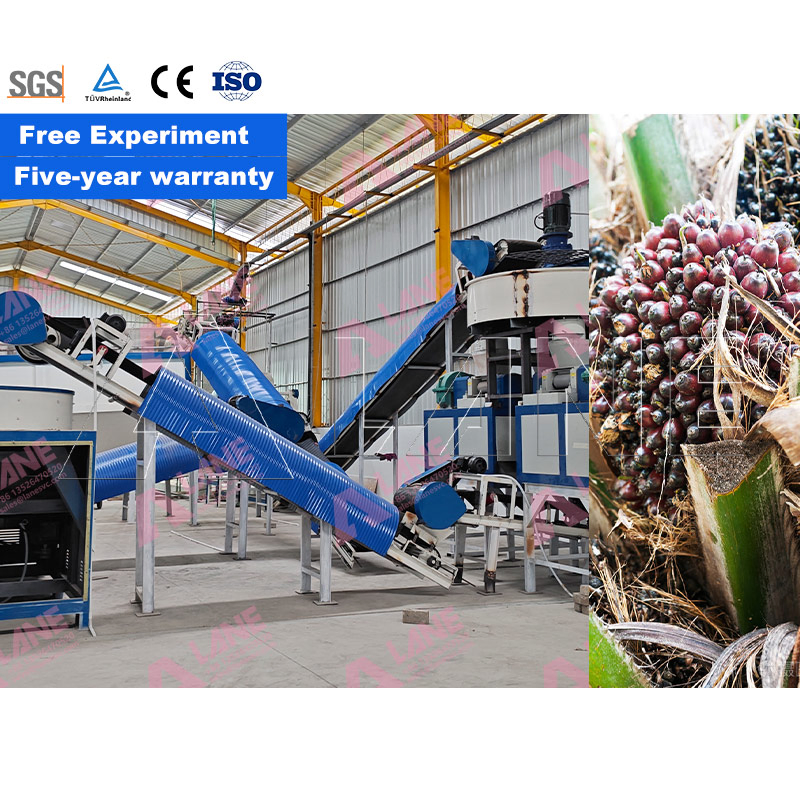
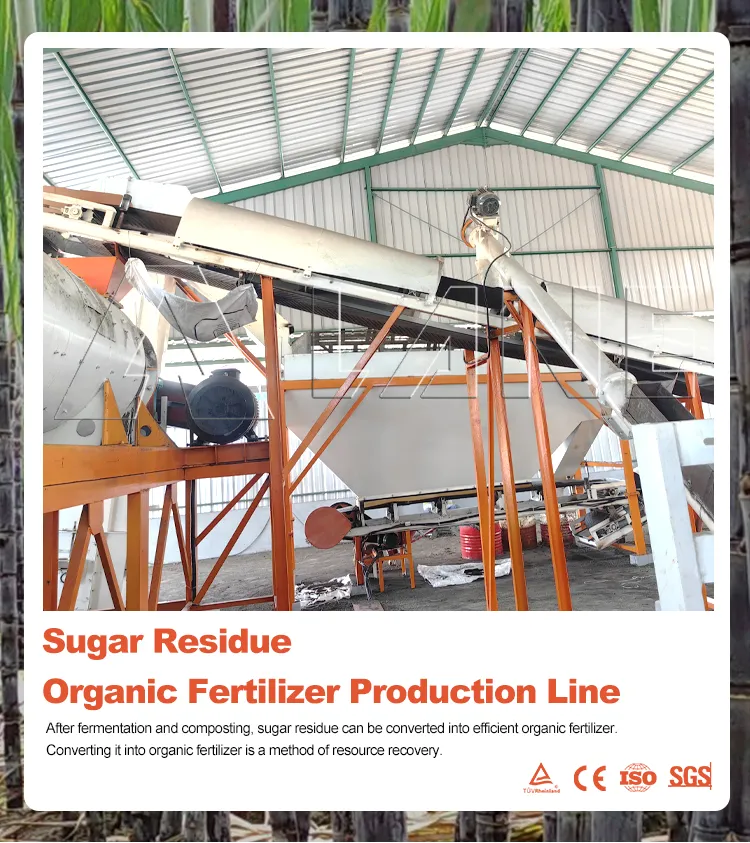
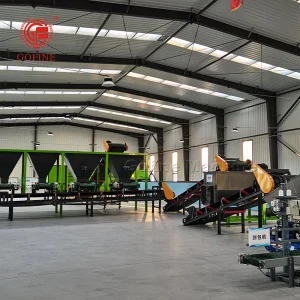
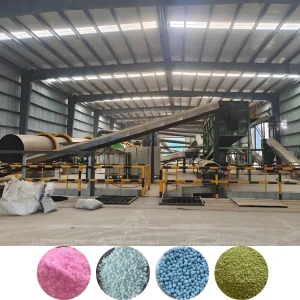
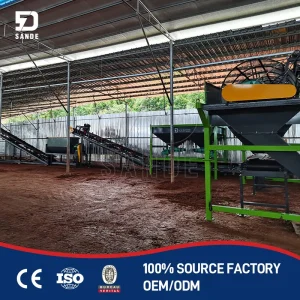
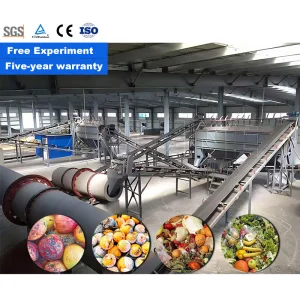
Lane Bagasse Composting Innovation for Sugar Residue Management Organic Fertilizer Production Line

Customization: Available
After-sales Service: Remote Video Guidance
Warranty: 5years

Product Description

Basic Specifications

Model NO.
TZX-001
Type
Fertilizer Granulator Machine
Voltage
380V
Certification
CE, ISO
Product Name
Organic Fertilizer Production Line
Raw Material
Organic Manure
Function
Making Fertilizer Particle
Usage
Organic Fertilizer Processing
Advantage
High Efficiency, Low Consumption
Origin
China
Capacity
1-20 Ton Per Day
Package
Standard Wooden Case

Packaging & Delivery

Package Size
1000.00cm * 800.00cm * 950.00cm
Gross Weight
1000.000kg

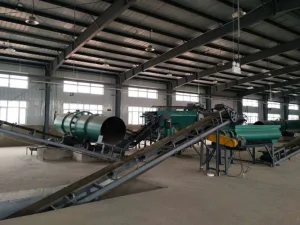
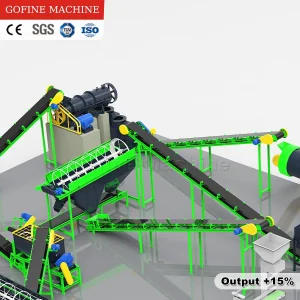
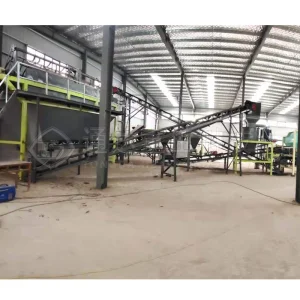
Sugar Residue Organic Fertilizer Production Line

Fertilizer Production Line

Applicable Industries

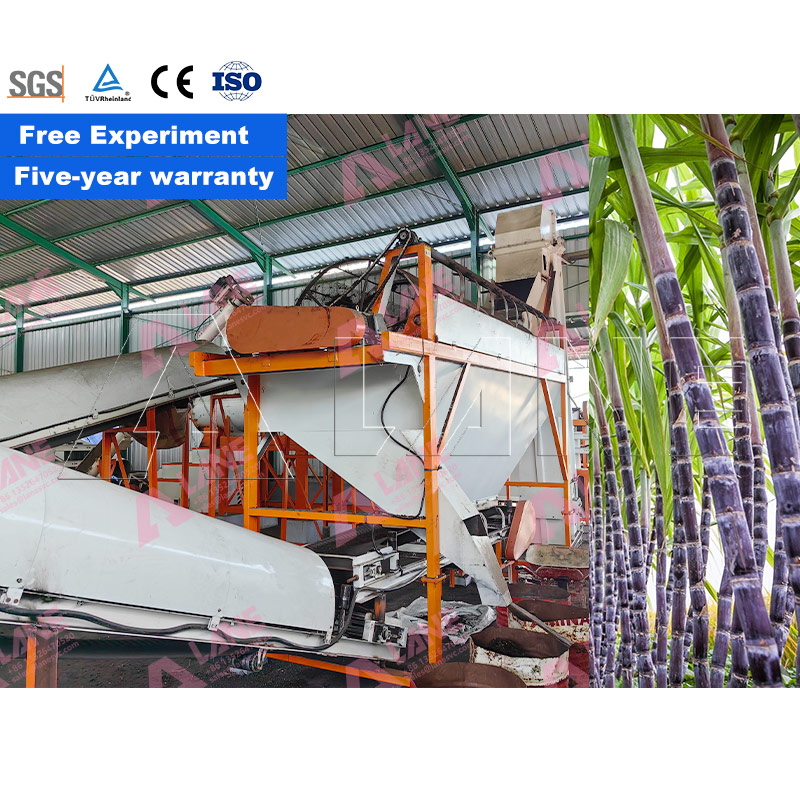
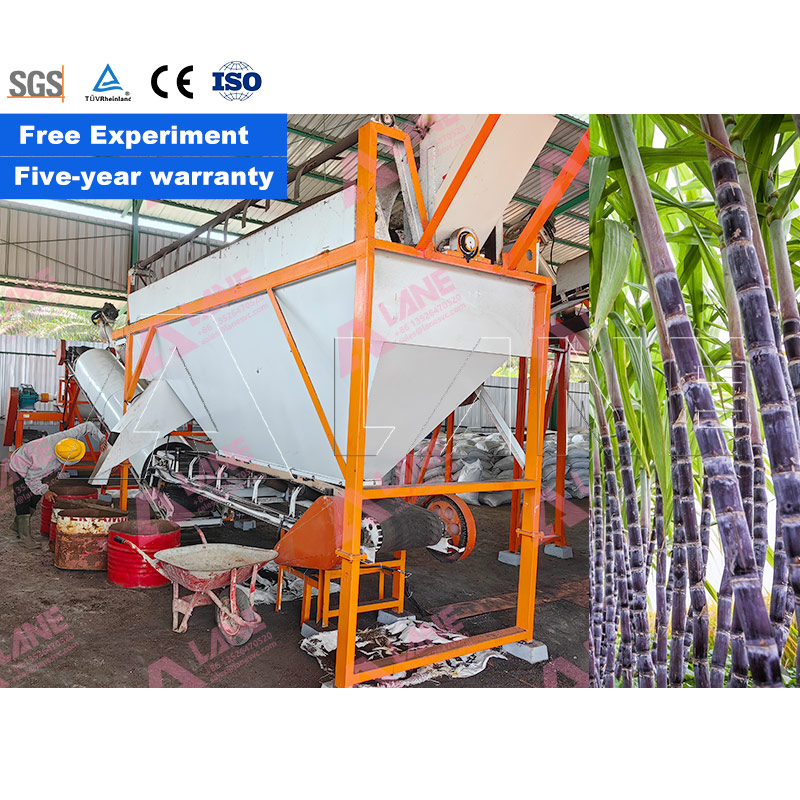
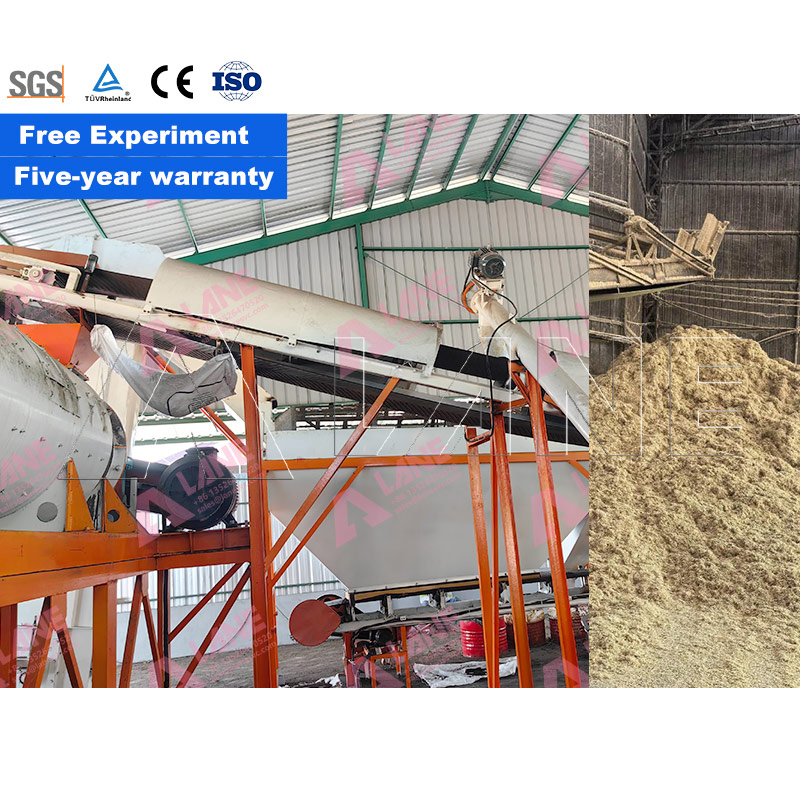
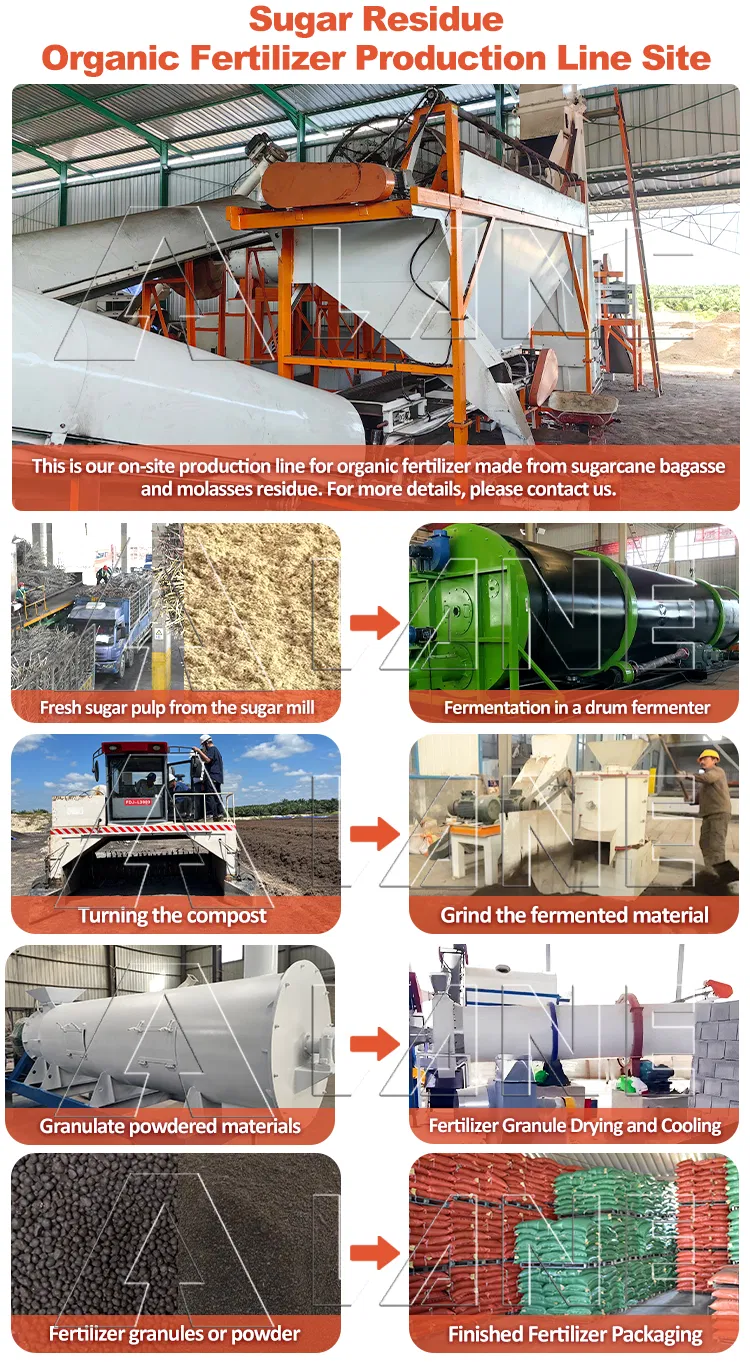
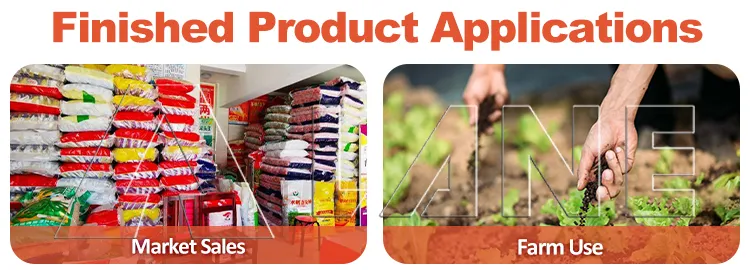
Various byproducts generated during the sugar production process from crops such as sugarcane and sugar beets—including filter mud, bagasse/beet pulp, and molasses—can be transformed into valuable resources through fermentation with other agricultural wastes like livestock manure. This process yields high-quality organic fertilizers that promote sustainable agricultural development.
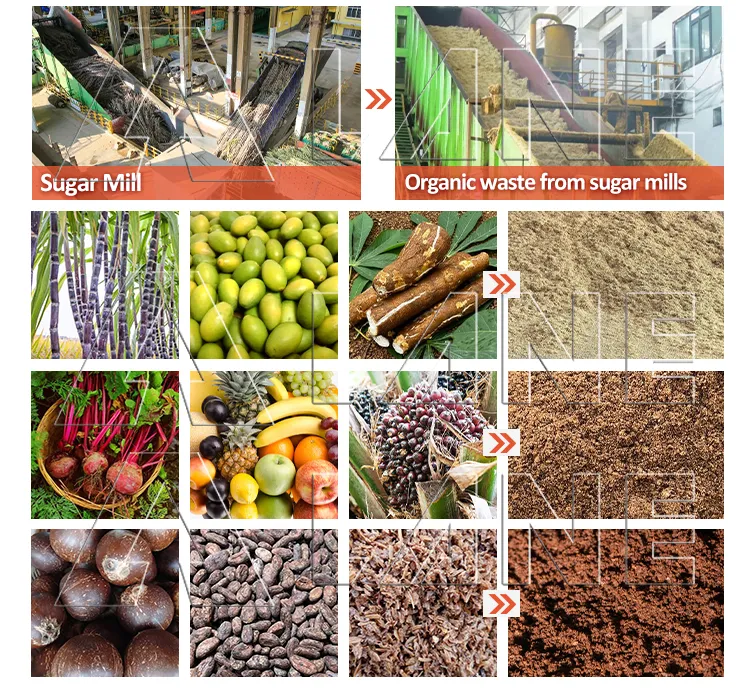
Industrial Application

Production Process Steps

1
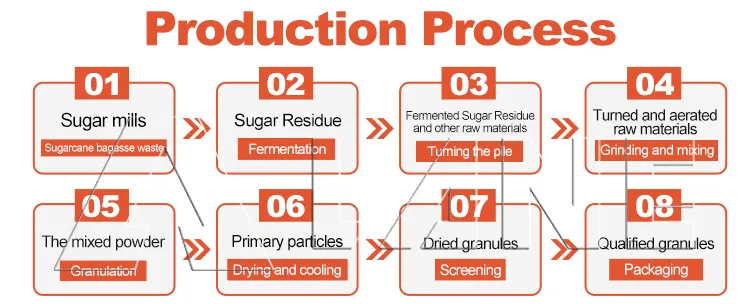
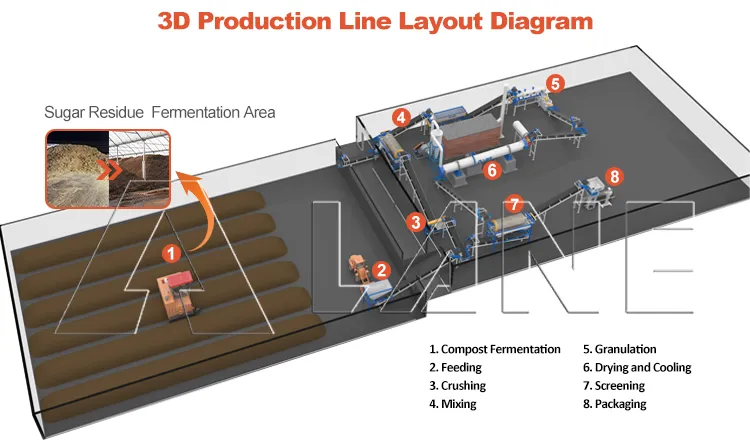
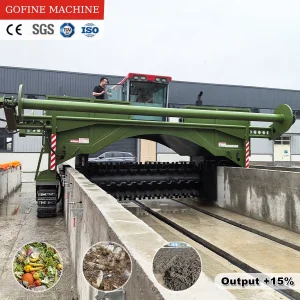
Composting Fermentation: Transport fresh sugar residue from sugar mills to the organic fertilizer production facility. Introduce fermentation bacteria, pile the mixed material into elongated heaps, and ferment using a turning machine.
2
Crushing: Fermented material may form clumps. Use a crusher to grind it into fine powder, preparing it for subsequent granulation.
3
Granulation: Feed the mixed powder into a granulator to form high-quality pellets.
Granulator Name Capacity Granulation Process
Rotary drum granulator 5-30 tons/h Wet material is granulated by rolling in an inclined rotating drum.
Stirring pin granulator 4-12 tons/h Material is compressed through the interaction between rotating paddles and the cylinder.
Double roller granulator 1-8 tons/h Dry powder material is formed through a die under high pressure without drying.
4
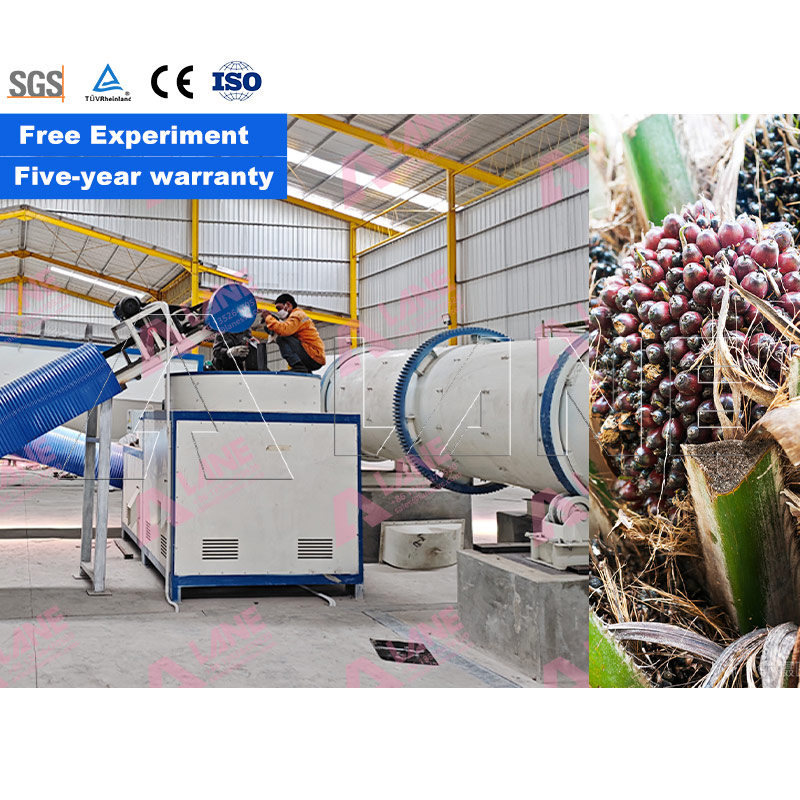
Drying and Cooling: Granulated pellets may retain high moisture content. Use a rotary drum dryer to reduce moisture, then cool to enhance pellet strength for storage.
5
Screening: The cooled pellets are graded using a drum screen. Correct-sized pellets proceed, while others are recycled for regranulation or repulverization.
6
Packaging: Screened granules are weighed using an automatic packaging scale and loaded into bags for storage.

Frequently Asked Questions

Q: Can I use this production line to produce multi-granularity particles?
Yes, our production line is multifunctional. We can customize ring moulds of different sizes, allowing you to easily adjust the size of your final fertilizer balls.
Q: How do I choose the most suitable machine for my needs?
Simply provide your raw material types, required capacity (tons/hour), and the desired final particle size. We will recommend the best configuration based on your specific situation.
Q: What support is available for installation and operation?
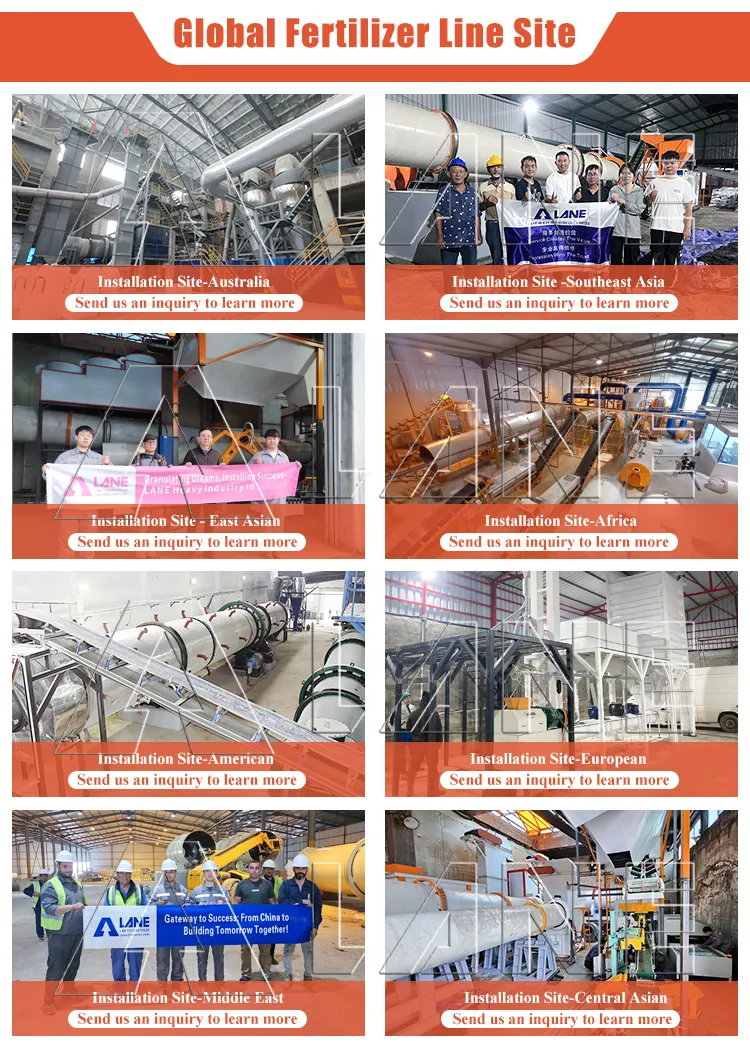
Our engineers provide detailed instructions for site installation and workshop construction. We also conduct field tests and train your workers on proper operation and maintenance.
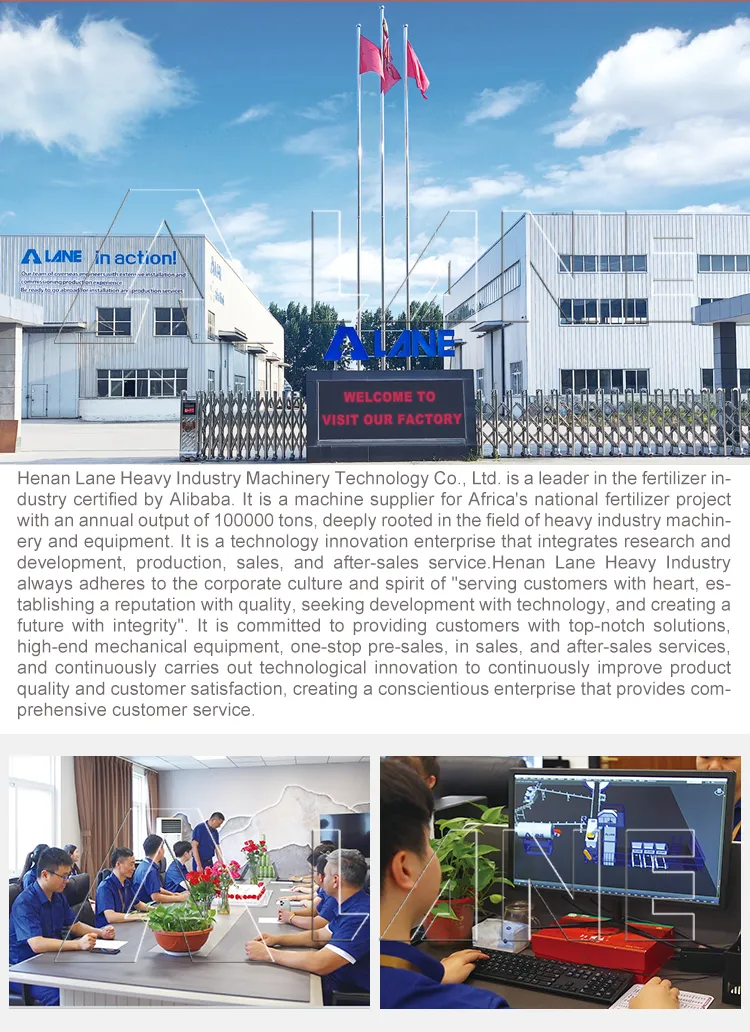
Q: Are you a manufacturer?
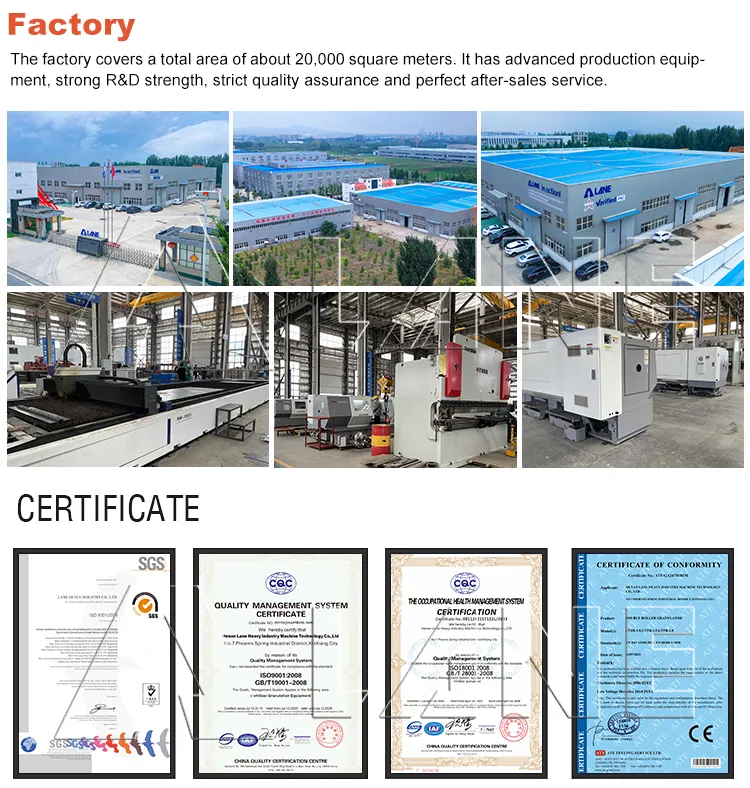
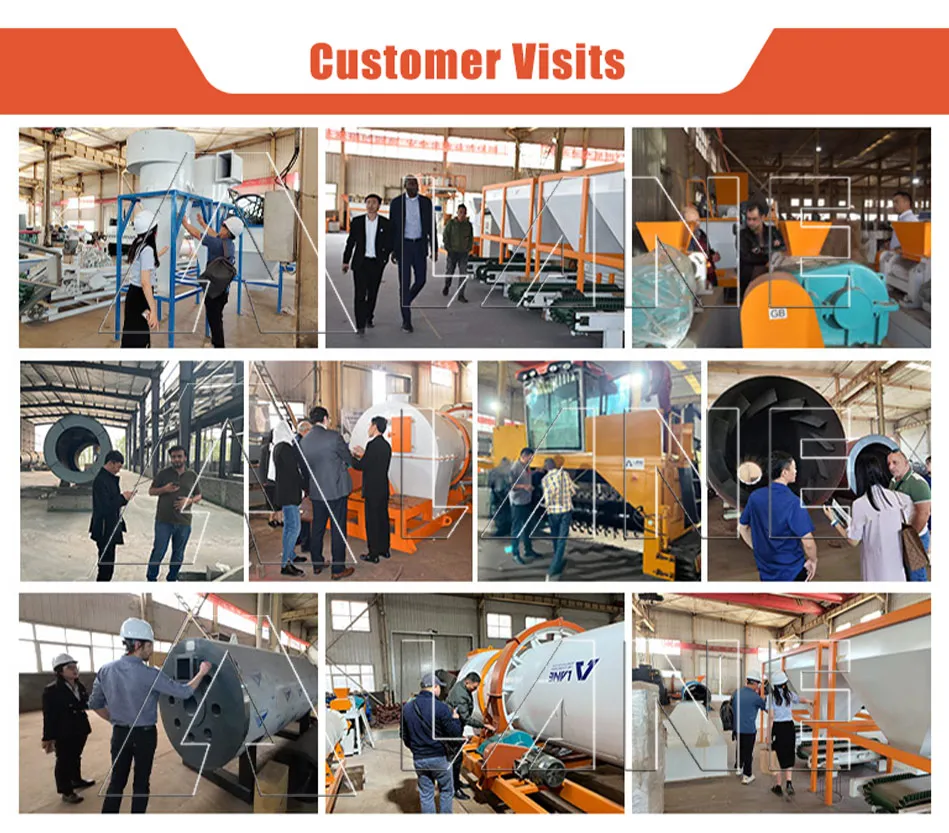
Yes, we operate a large-scale manufacturing facility in China covering over 10,000 square meters. Visitors are always welcome to tour our factory.
Q: What is the typical production period for the machinery?
For single fertilizer machines, the production time is approximately 7 days. For a complete fertilizer production line, the production period is typically no more than 30 days.
Q: What quality guarantees and certifications do you provide?
All machines have passed ISO and CE certifications. We guarantee the highest quality standards, and our warranty period extends for 5 years after the shipment date.

Related Products