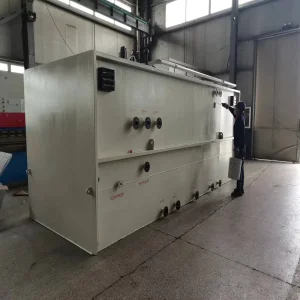
As the world pivots toward a Circular Economy, the management of organic residue has transitioned from a municipal challenge to a strategic resource opportunity. Global organic waste—ranging from agricultural byproducts to urban food scraps—accounts for nearly 44% of total municipal solid waste. Mismanagement leads to methane emissions, groundwater contamination, and lost economic potential. Today, Chengdu AgBio Energy Co., Ltd. stands at the forefront of this industrial revolution, providing technology that aligns with the United Nations Sustainable Development Goals (SDGs) and global carbon neutrality targets.
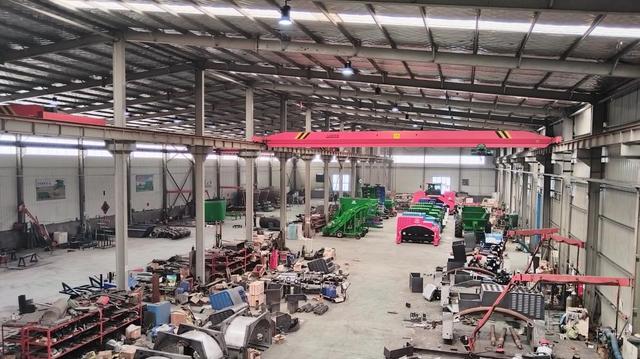
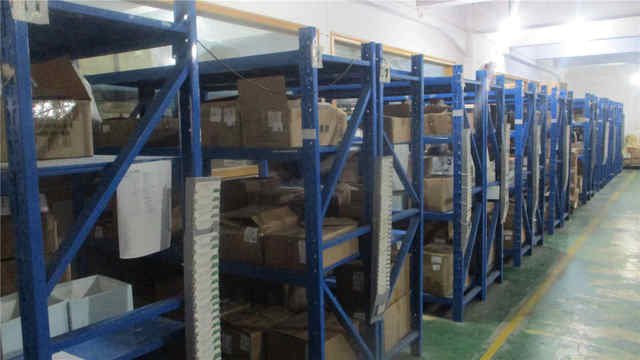
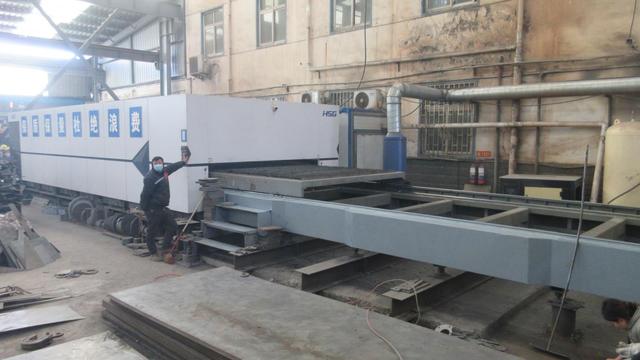
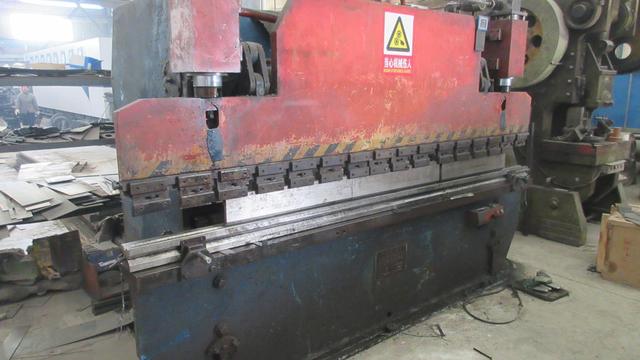
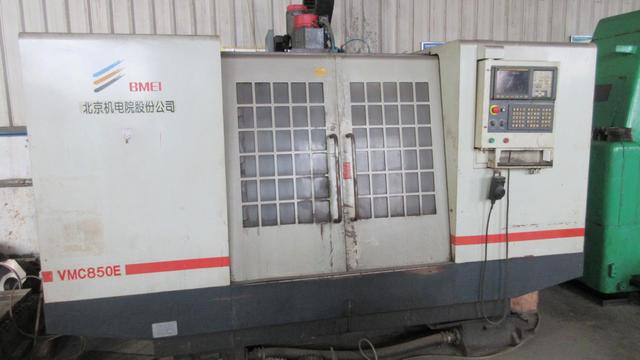
Established in 2013 and headquartered in Chengdu, Sichuan Province, Chengdu AgBio Energy Co., Ltd. is a professional manufacturer specializing in organic waste composting equipment, food waste recycling systems, and sustainable waste treatment solutions. With a modern manufacturing facility covering more than 16,000 square meters and a team of over 230 employees, we deliver efficient technologies to environmental service providers globally.
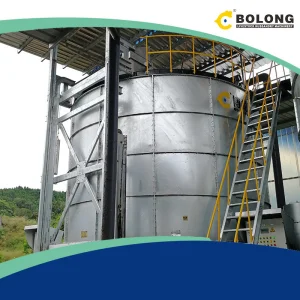
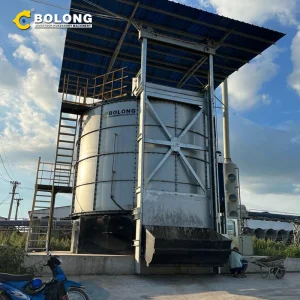
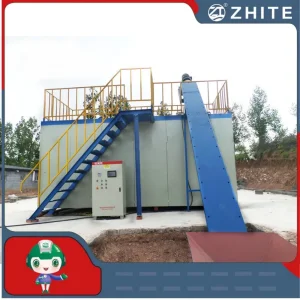
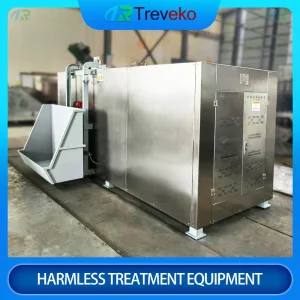
The company's product portfolio includes aerobic fermentation equipment, agricultural waste recycling solutions, manure composting systems, and intelligent management platforms. These solutions are widely used in farms, food processing facilities, restaurants, and municipal environmental projects. We integrate engineering expertise, process optimization, and advanced manufacturing to ensure product quality and long-term reliability.
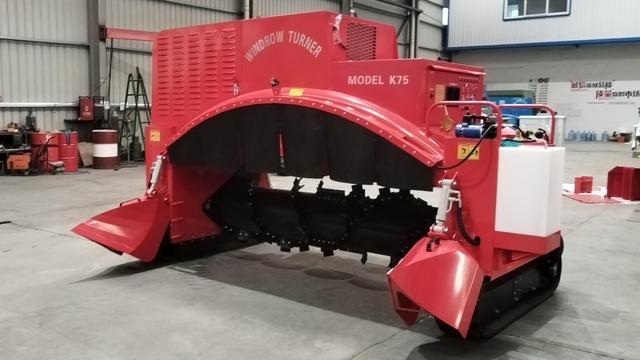
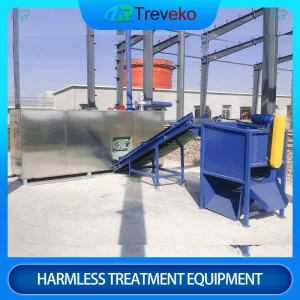
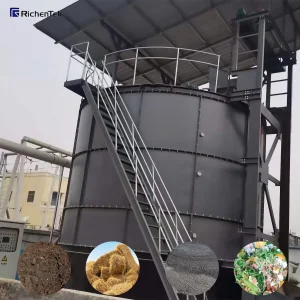
Our systems utilize thermophilic bacteria to break down organic matter at 55-70°C, ensuring the total elimination of pathogens and weed seeds within 24-48 hours.
Integrated bio-filtration and activated carbon systems neutralize ammonia and H2S, making our equipment suitable for urban and residential proximity.
Real-time tracking of moisture, temperature, and oxygen levels via cloud-based platforms, allowing for remote optimization and predictive maintenance.
From 50kg/day household units to 100-ton/day municipal plants, our modular designs allow for rapid deployment and capacity expansion.
Heat recovery systems capture thermal energy from the fermentation process to pre-heat incoming waste, reducing external energy demand by 30%.
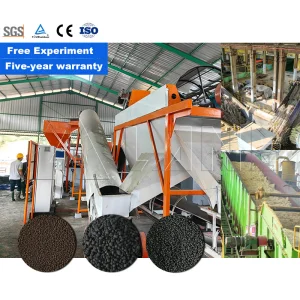
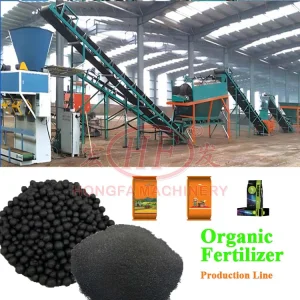
Integrated crushing and granulation stages ensure that the output is ready-to-use organic fertilizer, meeting international agricultural standards.
AgBio Energy recognizes that organic waste management is highly localized, influenced by climate, feedstock composition, and regional regulations. We provide OEM and ODM services to tailor solutions for specific environments.
Our equipment is CE certified and meets ISO9001 quality management standards. We ensure compliance with European environmental directives and North American safety standards, facilitating seamless integration into local municipal infrastructures.
We offer global technical support, including on-site installation, operator training, and biological process consulting to ensure your facility achieves peak performance from day one.
Transforming livestock manure and crop residues into nutrient-rich soil conditioners on-site, reducing reliance on chemical fertilizers.
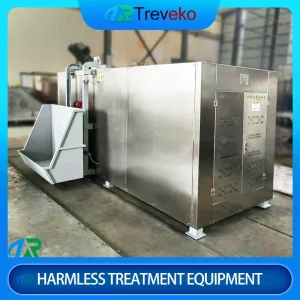
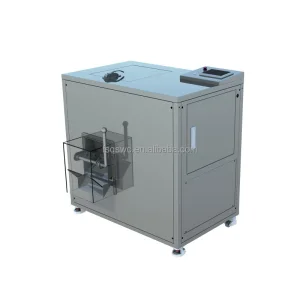
Hotels and shopping malls utilizing compact food waste processors to reduce waste hauling costs and meet "Zero Waste" corporate goals.
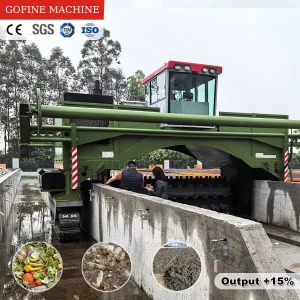
Large-scale tunnel composting systems for city-wide source-separated organic waste, diverting thousands of tons from landfills.
A: Our high-temperature aerobic fermentation technology reduces the cycle from months to just 24-96 hours for stabilization, depending on the feedstock moisture and carbon-to-nitrogen ratio.
A: No. Our equipment is equipped with multi-stage air treatment systems (bio-filters and UV-C / activated carbon) that ensure 99% of VOCs and odors are neutralized before discharge.
A: Typically, clients see a return on investment within 18-36 months through the elimination of waste disposal fees and the sale or use of the produced organic fertilizer.
A: Yes. Our commercial and industrial units feature heavy-duty crushing mechanisms (Multigrind technology) capable of processing animal bones, oyster shells, and other tough organic residues.
 AgBio Energy