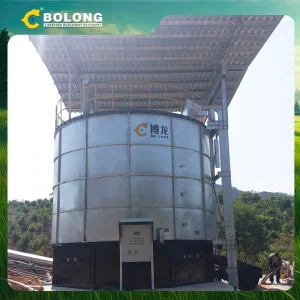
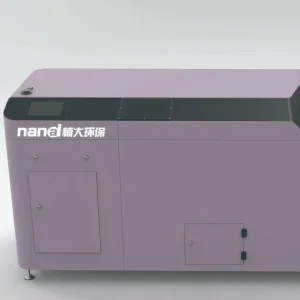
High-performance mechanical organic bioreactors and rapid vessel compost configurations optimized for heavy-duty applications.
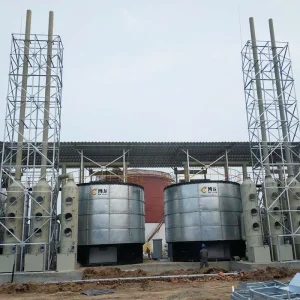
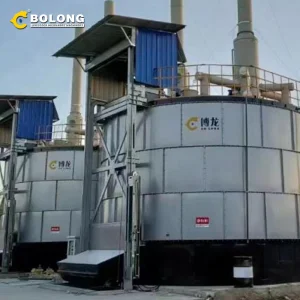
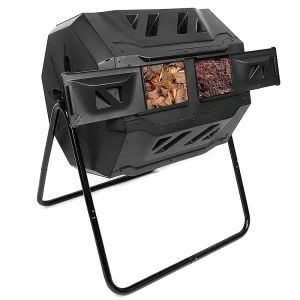
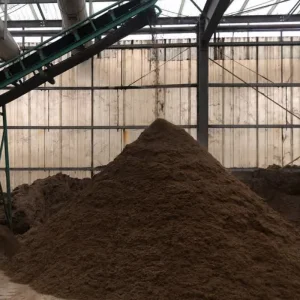
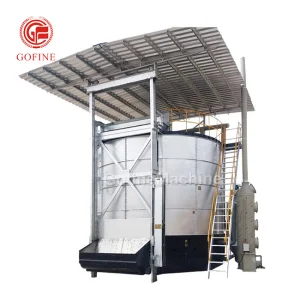
An expert review of biological degradation, thermal optimization, automated control mechanisms, and the global regulatory trends shaping commercial organic solid waste handling.
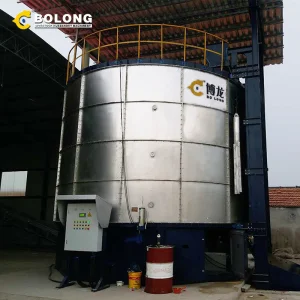
In-vessel composting (IVC) systems represent the gold standard in environmental engineering for the processing of diverse organic streams, including municipal source-separated organics, institutional food remnants, high-nitrogen livestock manures, and municipal wastewater treatment sludge. By enclosing the biological process within a controlled, sealed reactor chamber (either cylindrical drums, modular aerobic containers, or vertical silo fermenters), operators can exercise precise regulatory dominion over temperature, oxygen concentration, volatile organic moisture levels, and odor emission matrices. This level of optimization minimizes the process footprint, accelerates biological stabilization, and guarantees pathologically clean outputs.
Compared to open windrow methods or simple static aerated piles, in-vessel bioreactors reduce retention cycles by up to 75% and are highly resistant to ambient thermal fluctuations. For modern enterprises trying to balance environmental compliance, commercial profitability, and rapid decarbonization goals, finding the right in-vessel treatment system supplier is no longer just a purchasing decision—it is a critical step in building a resilient circular economy.
SEO & Technical Digest: Real in-vessel stabilization relies heavily on maintaining a strict carbon-to-nitrogen (C:N) ratio of 25:1 to 30:1, relative humidity levels between 50% and 60%, and an oxygen concentration of over 10% in the exhaust gas streams to prevent localized anaerobic fermentation pockets and control volatile organic compound (VOC) emissions.
The global demand for industrial and commercial in-vessel composting systems is experiencing double-digit annual growth, driven by key regulatory movements across North America, Europe, and Asia:
Industrial waste management needs vary by sector. Standardized off-the-shelf equipment rarely delivers long-term efficiency without customization:
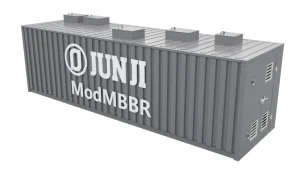
For city districts, institutions, and campus communities. Focuses on modular, odorless, containerized systems with integrated auto-loaders and air scrubbers to manage heavy kitchen prep waste and dining scraps.
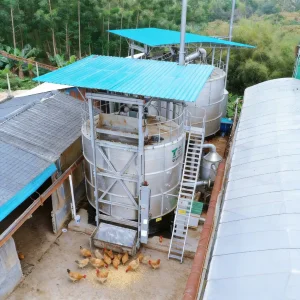
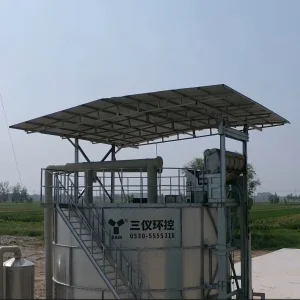
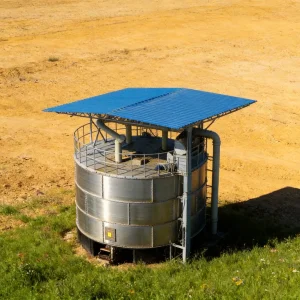
Heavy-duty, vertical fermentation tanks designed to handle high moisture, abrasive grits, and high nitrogen ratios from swine, poultry, and dairy farming operations, converting raw manure into organic fertilizer.
Automated, continuous-feed rotary drum bioreactors. Designed for food processing plants, bakeries, breweries, and slaughterhouses that deal with high-volume, uniform organic sludge and processing remnants.
High-efficiency in-vessel biological decomposition relies on complex biochemical processes. Below is the technical configuration matrix of our commercial-grade systems:
| Operational Vector | Optimal Technical Parameter Range | Engineering Control Mechanism |
|---|---|---|
| Temperature Profile | 55°C to 65°C (131°F to 149°F) | Self-heating biological thermophilic phase, sustained via thick polyurethane insulation jackets. |
| Oxygen Concentration | >10% to 15% in Exhaust Gas | Variable-frequency drive (VFD) blower units coupled with automated oxygen sensors. |
| C:N Input Balance | 25:1 to 30:1 | Balanced sorting, automatic feed shredding, and automated bulking agent delivery systems. |
| Moisture Boundaries | 45% to 60% | Built-in internal moisture detection systems with automated leachate recycling loops. |
| Hydraulic Retention Time | 7 to 14 days (continuous flow) | Configured rotary turning speed and PLC-controlled horizontal or vertical discharge cycles. |
When international procurement teams review potential suppliers, they look for key engineering certifications and manufacturing capabilities:
In-vessel composting systems are moving beyond basic structural engineering into smart digital integration. By utilizing IoT multi-sensor probes, operators can monitor moisture levels, carbon dioxide generation, ammonia tracking, and volatile organic compound (VOC) profiles in real time.
Integration of wireless physical probes to feed temperature, moisture, and oxygen data directly into a central PLC system.
Automated exhaust fan adjustments based on real-time sensor feedback to optimize energy use and maintain aerobic stability.
Using advanced algorithm modeling to predict composting cycle completion and dynamically optimize throughput for changing feedstock recipes.
Established in 2013 and headquartered in Chengdu, Sichuan Province, China, Chengdu AgBio Energy Co., Ltd. is a professional manufacturer specializing in organic waste composting equipment, food waste recycling systems, and sustainable waste treatment solutions.
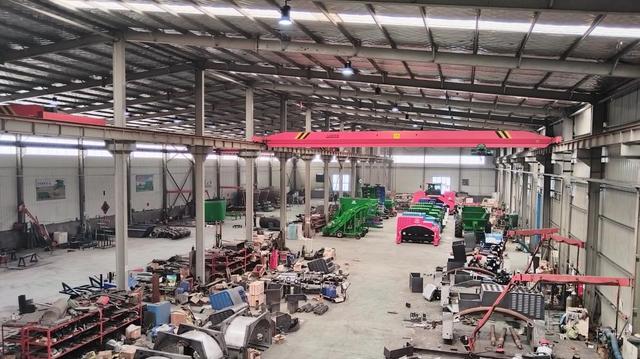
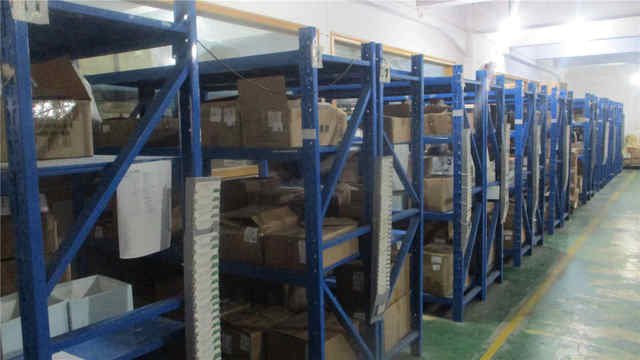
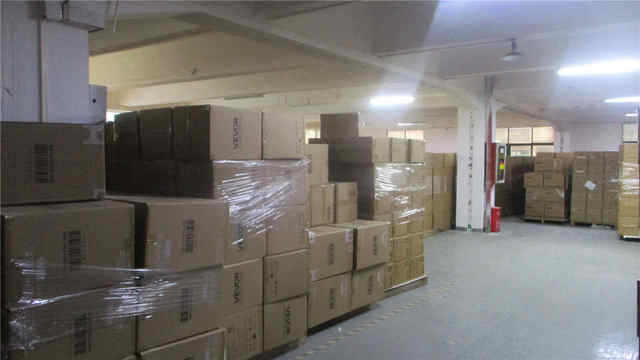
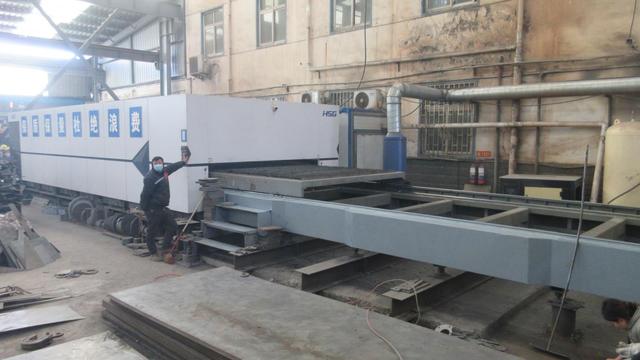
With a modern manufacturing facility covering more than 16,000 square meters and a team of over 230 employees, AgBio Energy delivers efficient and environmentally responsible waste management technologies to customers around the world. The company integrates engineering expertise, process optimization, and advanced manufacturing technologies to develop reliable composting and organic waste recycling systems.
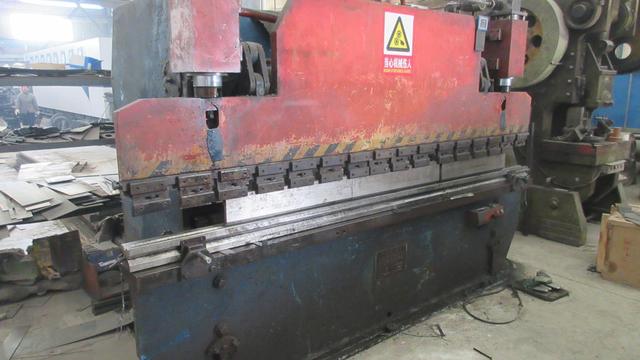
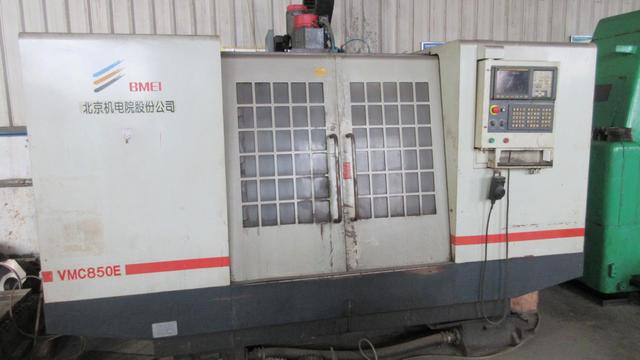
AgBio Energy offers robust OEM and ODM services, providing customized waste treatment solutions tailored to specific project requirements, processing capacities, and operational environments.
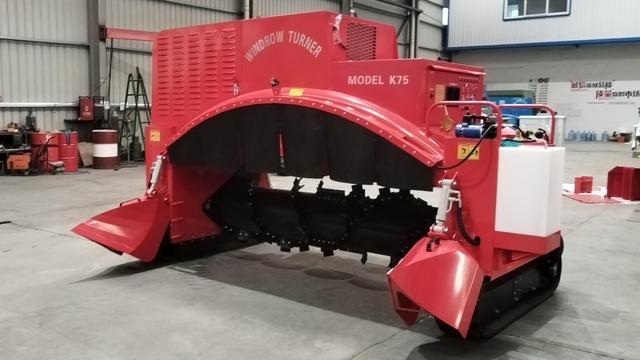
Expert engineering answers regarding operation, design parameters, and configuration optimization.
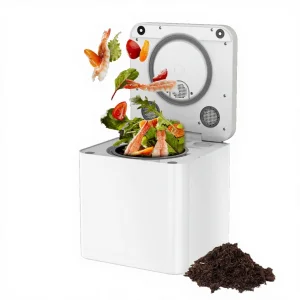
Advanced food waste recovery processors and customized wastewater stabilization machinery.
 AgBio Energy