In the current era of climate urgency and regulatory rigor, the management of organic waste has transitioned from a logistical necessity to a strategic environmental asset. Aerobic waste processing stands at the forefront of this transition, offering a high-efficiency biological pathway to convert biomass into stabilized soil amendments. As a premier China Aerobic Waste Processing Equipment Manufacturer, Chengdu AgBio Energy Co., Ltd. integrates decades of biotechnological research with industrial-scale engineering to solve the complexities of modern waste streams.
Global enterprises are increasingly seeking "Information Gain" in their procurement strategies—moving beyond simple machine metrics to understand the microbial dynamics, energy efficiency ratios, and long-term carbon sequestration potential of their equipment. This white paper explores why China’s manufacturing ecosystem, led by innovators like AgBio Energy, has become the global hub for sustainable waste infrastructure.
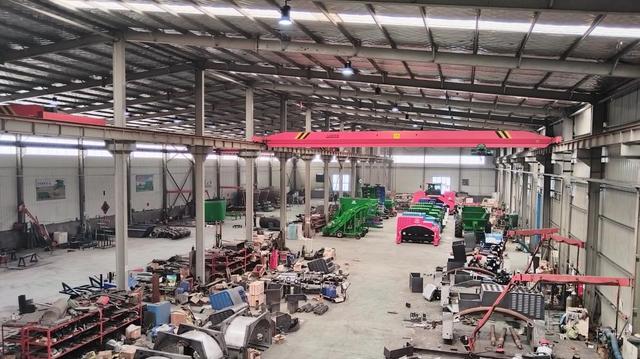
Established in 2013 and headquartered in the industrial heart of Sichuan, Chengdu AgBio Energy Co., Ltd. is not just a manufacturer but a pioneer in organic recovery. With a modern manufacturing facility covering more than 16,000 square meters, we have engineered solutions that handle everything from kitchen scraps to complex poultry manure management. Our team of over 230 specialists ensures that every fermentation tank and composting turner adheres to the strictest international standards of reliability and operational efficiency.
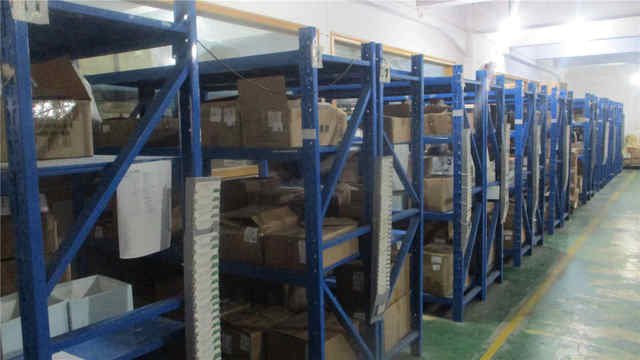
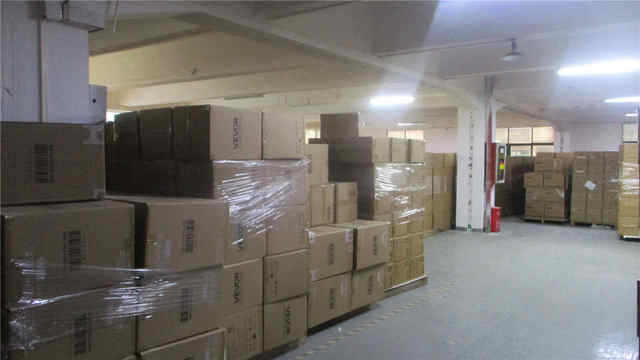
China's comprehensive supply chain allows for rapid sourcing of high-grade stainless steel (HDPE) and precision PLC electronics, reducing lead times by up to 40% compared to Western counterparts.
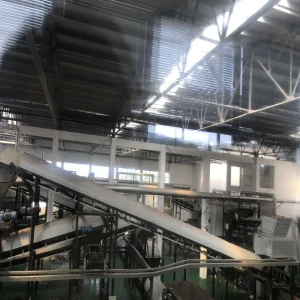
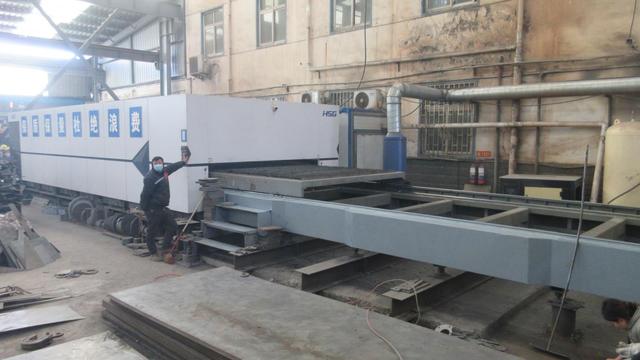
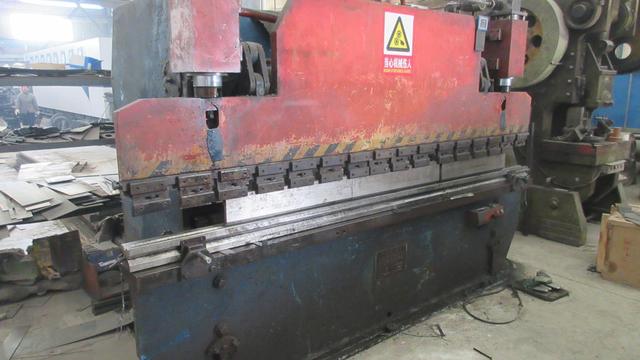
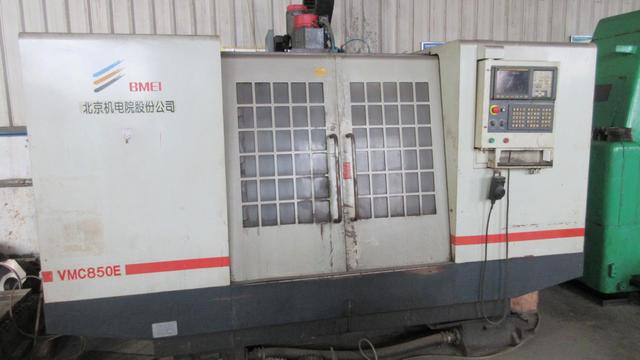
AgBio Energy integrates engineering expertise with process optimization, utilizing modern production workshops and testing facilities to ensure each machine operates at peak biological efficiency.
We offer customized waste treatment solutions tailored to specific project requirements, processing capacities (up to 3000kg/h), and diverse operational environments across Europe, Africa, and Asia.
The manufacturing prowess of Chengdu AgBio Energy is built on Vertical Integration. By controlling the design, assembly, and testing phases within our own facility, we eliminate the quality variances associated with subcontracted manufacturing. This is the cornerstone of our "Authoritativeness" in the market—providing equipment that isn't just sold, but engineered to last.
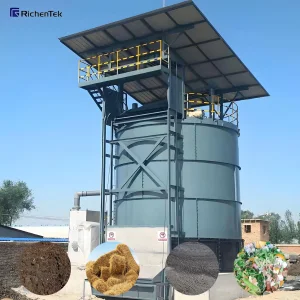
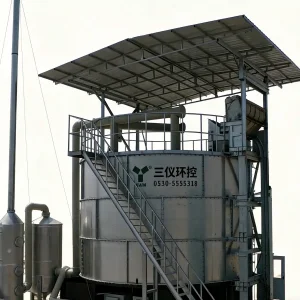
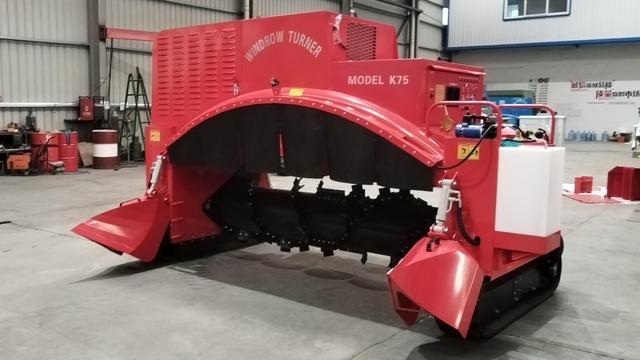
Traditional composting methods often require 3-6 months and vast amounts of land. Our High-Temperature Aerobic Digestion Equipment revolutionizes this by achieving stabilization in a rapid 15-day composting cycle. But how does it work?
For global procurement departments, "Reliability" means equipment that meets local environmental regulations and electrical standards. Whether it's the CE mark for European markets or specific sewage treatment certifications for African water projects, AgBio Energy ensures that every system is Compliance-Ready.
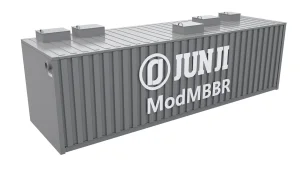
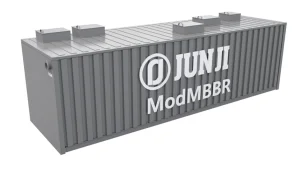
We provide compact, transportable sewage systems for remote communities where infrastructure is lacking, ensuring rapid installation and low maintenance.
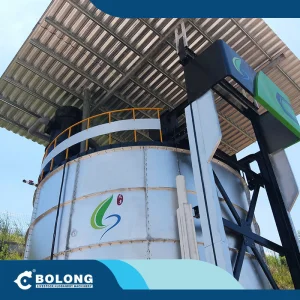
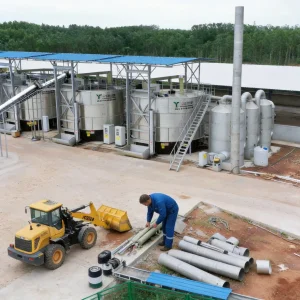
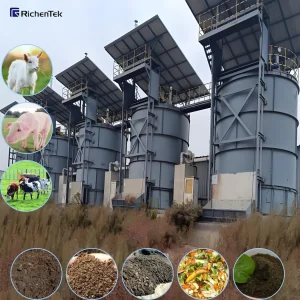
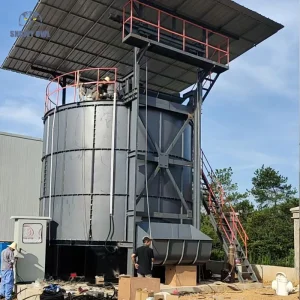
Large-scale poultry manure fermentation tanks help agricultural enterprises meet their ESG (Environmental, Social, and Governance) targets by reducing nitrogen runoff.
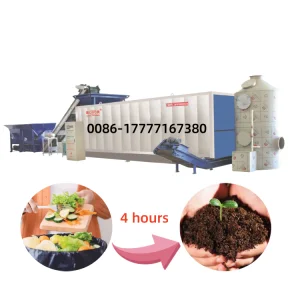
Smart 2.5L kitchen composters for hotels and restaurants provide a visible commitment to sustainability, turning guest waste into garden-ready compost instantly.
The industry is moving toward Intelligent Composting Management Systems. Future-proofing your investment means choosing equipment that can be monitored remotely. At AgBio Energy, we are integrating IoT sensors into our fermentation vessels to monitor temperature, humidity, and CO2 levels in real-time, allowing operators to optimize the biology from their smartphones.
This "Smart Waste" approach aligns with global trends in Carbon Neutrality. By diverting organic waste from landfills, our machines significantly reduce methane emissions, providing a quantifiable impact on a company's carbon footprint.
 AgBio Energy