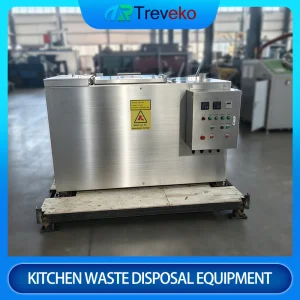
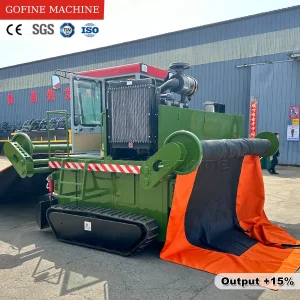
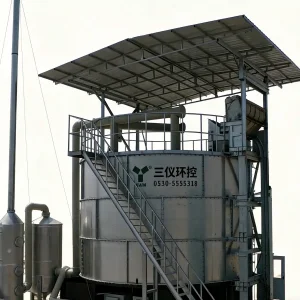
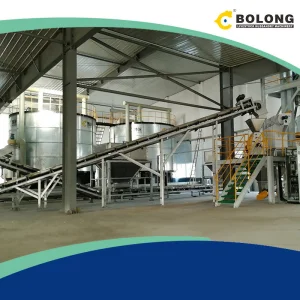
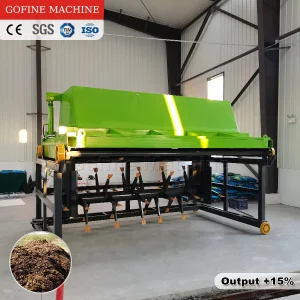
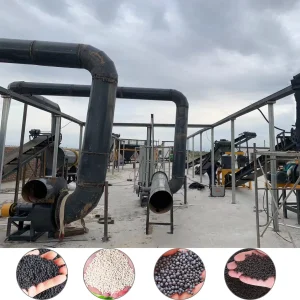
High-efficiency processing units engineered for livestock recycling, municipal food waste diversion, and industrial bio-organic fertilizer production.
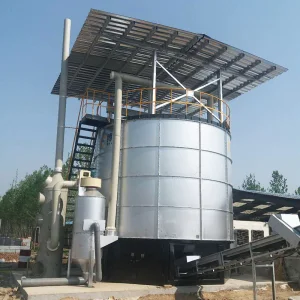
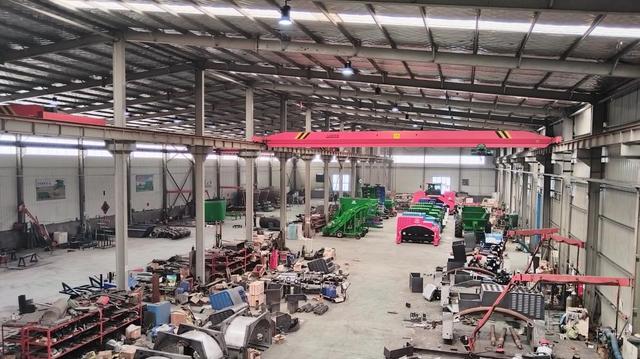
Chengdu AgBio Energy Co., Ltd. is a professional manufacturer specializing in organic waste composting equipment, food waste recycling systems, and sustainable waste treatment solutions. Established in 2013 and headquartered in Chengdu, Sichuan Province, China, the company is dedicated to helping businesses, agricultural operations, municipalities, and environmental service providers transform organic waste into valuable resources. With a modern manufacturing facility covering more than 16,000 square meters and a team of over 230 employees, AgBio Energy delivers efficient and environmentally responsible waste management technologies to customers around the world.
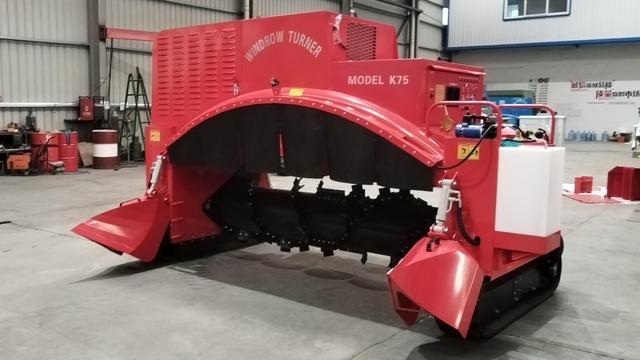
The company's product portfolio includes organic waste composting machines, food waste treatment systems, aerobic fermentation equipment, agricultural waste recycling solutions, manure composting systems, organic fertilizer production lines, municipal bio-waste treatment equipment, and intelligent composting management systems. These solutions are widely used in farms, food processing facilities, restaurants, hotels, commercial waste treatment centers, agricultural cooperatives, and municipal environmental projects.
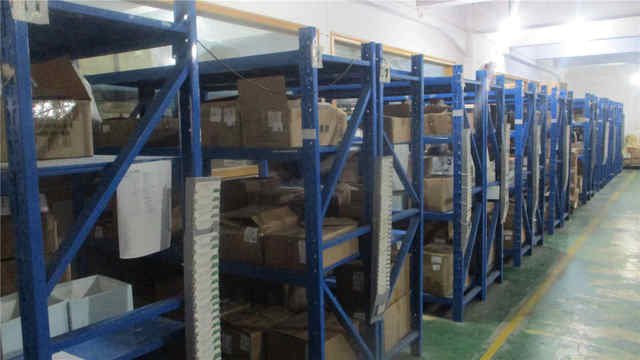
AgBio Energy integrates engineering expertise, process optimization, and advanced manufacturing technologies to develop reliable composting and organic waste recycling systems. The company operates modern production workshops, assembly lines, and testing facilities to ensure product quality, operational efficiency, and long-term reliability. Strict quality management procedures are implemented throughout product development, manufacturing, installation, and customer support processes.
Innovating at the convergence of biochemistry and mechanical automation to maximize thermophilic kinetics and biological stability.
The transition toward an integrated bio-economy requires composting systems that are not just mechanical containers, but optimized biochemical reactors. Chengdu AgBio Energy Co., Ltd. continuously refines its technological footprint to meet the rigorous demands of the global solid waste management market. Our technical roadmap focuses on three core areas: thermo-kinetic optimization, automated atmospheric regulation, and high-purity mechanical pre-sorting.
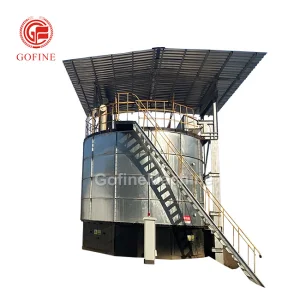
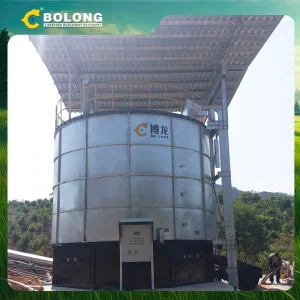
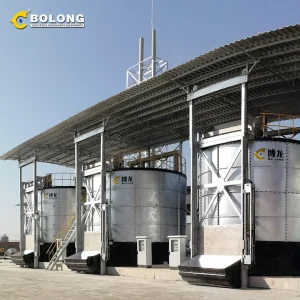
Traditional windrow composting is highly vulnerable to seasonal climate fluctuations and generates substantial odor issues. Our latest generation of vertical in-vessel aerobic fermenters integrates thermodynamic jackets that recycle process heat. This minimizes energy input for thermophilic stage maintenance. Aeration manifolds, controlled via variable frequency drives (VFD) linked to real-time oxygen sensors, ensure the microbial culture remains in the optimal respiration phase, accelerating processing cycles from 28 days to under 7 days.
For high-moisture organic wastes such as municipal source-separated organic waste (SSOW) and food waste, anaerobic digestion provides a dual benefit: producing biogas for renewable energy and digestate for premium bio-organic fertilizers. Our reactor vessels are engineered with robust anti-corrosive coatings (e.g., dual-glass fused-to-steel and high-grade alloys) and advanced mechanical agitation to prevent crust formation and settling, maximizing methane yields.
Under our industry-leading smart operations framework, every composting system is outfitted with smart PLCs configured for SCADA integration. Operational metrics—including core temperature, moisture gradient, volatile organic compound (VOC) emissions, and mechanical torque—are streamed to cloud dashboards. Automated alerts identify motor stress, oxygen drops, or hydraulic imbalances before failure occurs, ensuring uninterrupted operation for industrial waste managers.
By 2030, our goal is to deploy system upgrades that utilize AI models to analyze waste compositions dynamically and adjust microbiological culture dosing automatically, ensuring optimal decomposition kinetics across varying feedstocks.
Configured layouts engineered for key market segments: municipal, agricultural, commercial, and industrial food processing.
For city councils seeking to eliminate organics from landfill, we offer modular organic fertilizer production lines. These incorporate heavy-duty crushing, screening, and air-separation units that remove plastics, glass, and metal contaminants from municipal bio-waste, producing top-quality compost.
Overcoming the nutrient balance challenges of concentrated animal feeding operations (CAFOs). Our high-efficiency aerobic composting equipment treats chicken manure, pig slurry, and cattle bedding, converting highly unstable nitrogen complexes into non-leaching bio-organic humic acids.
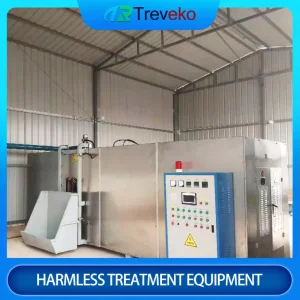
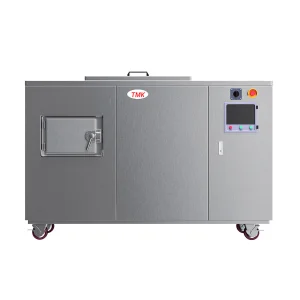
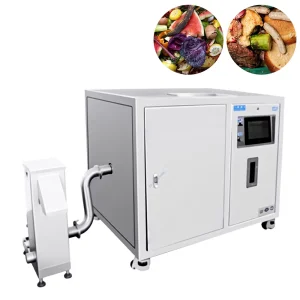
Compact, commercial-scale composting systems for hotels, business parks, and large-scale shopping malls. These units run quietly with active biological filters, treating source waste on-site, drastically reducing transport costs and disposal tipping fees.
Leveraging Chengdu’s robust industrial cluster to deliver highly optimized cost-to-performance ratios and rapid custom engineering.
The key to Chengdu AgBio Energy’s competitive advantage lies in our 16,000+ square meter manufacturing base. Our facility features advanced welding robotics, precise laser cutting, and computerized quality-assurance testing cells. By standardizing component modules, we minimize custom design lead times, offering OEM and ODM configurations with structural longevity that matches or exceeds European standards.
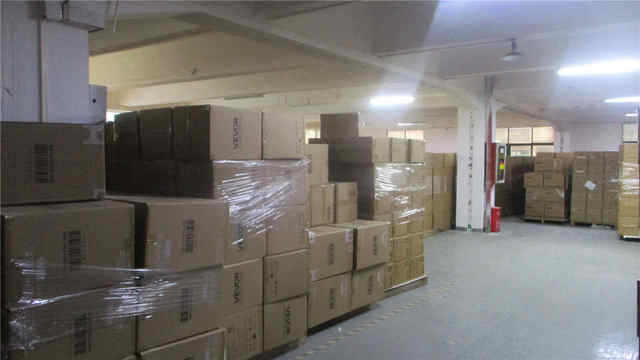
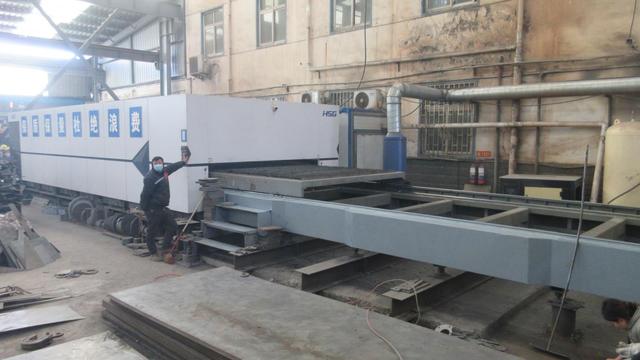
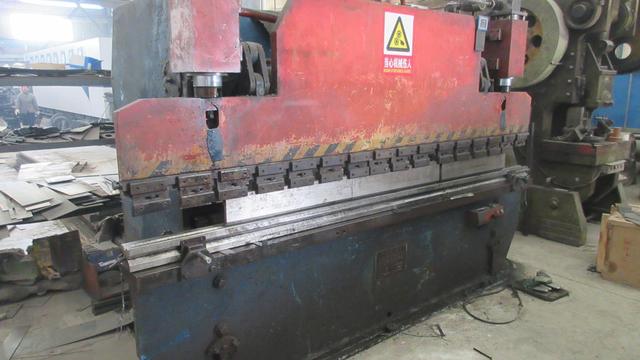
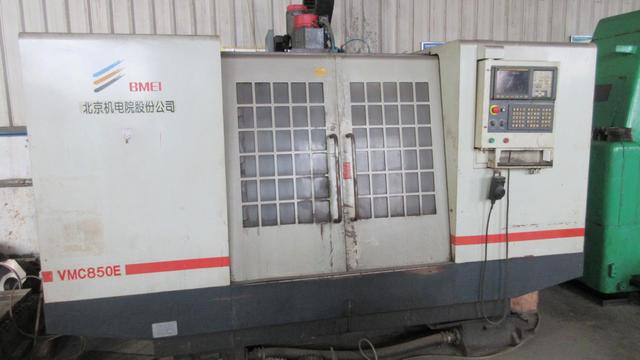
Technical parameters and quality indicators that international procurement managers must prioritize.
When selecting a Chinese manufacturing partner for environmental equipment, global buyers must look beyond purchase price. Achieving a low Total Cost of Ownership (TCO) demands careful evaluation of several structural and operational factors:
Fermentation releases volatile fatty acids (VFAs) and corrosive gases. High-wear and contact zones must use SUS304 stainless steel or epoxy-coated carbon steel with a certified thickness (minimum 6-8mm for load-bearing walls).
Specify systems utilizing mainstream PLC platforms (e.g., Siemens, Schneider, or Omron) configured for Ethernet communication, allowing local SCADA integration and remote diagnostic support.
Confirm the insulation material thickness (e.g., polyurethane foam layer > 50mm) to prevent thermal dissipation. This ensures the compost mixture remains above 55°C for pathogen destruction in colder seasons.
Always verify that electrical components match local industrial standards (e.g., UL, CSA, CE) and voltage specifications (e.g., 480V 3-phase 60Hz for North America, 400V 3-phase 50Hz for Europe). Chengdu AgBio Energy customizes all motor drive packages to match domestic utility parameters perfectly.
Operating critical waste treatment lines demands reliable support networks to minimize downtime. AgBio Energy addresses this through specialized localization programs. We provide step-by-step guidance from site layout design to final commissioning.
Our remote diagnostic software allows our engineers in Chengdu to monitor your system parameters, identify process anomalies, and recommend tuning adjustments without costly on-site visits. For mechanical support, we maintain partnerships with regional distributors and stock spare parts locally, ensuring wear components like seals, shredder teeth, and temperature sensors are dispatched promptly.
Green waste operations must comply with strict environmental policies regarding odor control and leachate management. Our design teams are well-versed in global regulations, including the European Union’s Animal By-Products Regulation (EC 1069/2009) and the US EPA Title 40 CFR Part 503 standards. Our integrated biological filtration systems scrub ammonia and sulfur compounds from process exhaust, helping you secure local environmental permits easily.
Technical explanations to help you select, deploy, and maintain industrial organic waste equipment.
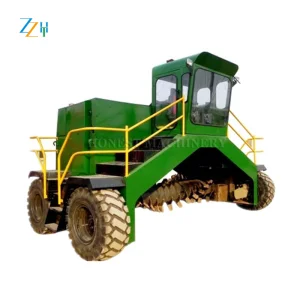
Heavy-duty machinery designed to handle manure fermentation, garden leaf waste shredding, and organic waste granulation.
 AgBio Energy