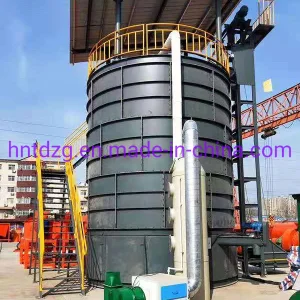
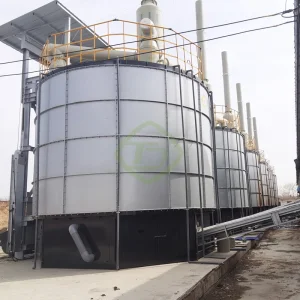
Engineered to handle municipal waste, cocoa processing biomass, and intensive livestock manure under equatorial environments.
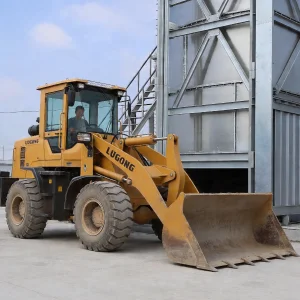
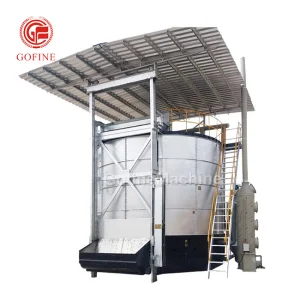
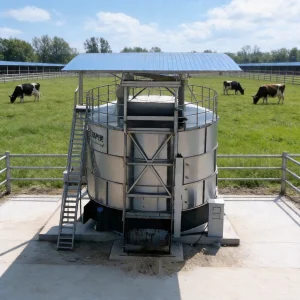
Established in 2013 and headquartered in Chengdu, Sichuan Province, China, Chengdu AgBio Energy Co., Ltd. is a pioneering designer and high-capacity manufacturer specializing in organic waste composting systems, intelligent biological waste treatment plant lines, and commercial agricultural organic recovery solutions. Over the past decade, we have scaled our operations to include a modern state-of-the-art production base extending over 16,000 square meters, staffed by a multi-disciplinary workforce of over 230 employees including senior environmental engineers, structural designers, and control system software programmers.
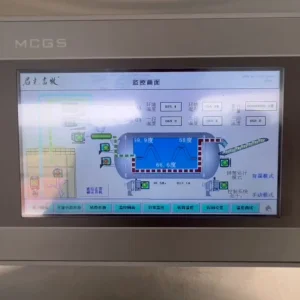
Our core mission revolves around driving circular economy transitions. We provide specialized industrial and agricultural clients in Central and West Africa—specifically targeted to the developing bio-economy of São Tomé and Príncipe—with high-efficiency aerobic digestion vessels, modular bio-waste management packages, and turn-key solid organic fertilizer processing lines. By integrating mechanical engineering, microbiological process design, and remote SCADA monitoring systems, we ensure long-term equipment stability and performance.
Developing structural sustainability solutions for an island economy under ecological pressure.
São Tomé and Príncipe, an island state located on the equator in the Gulf of Guinea, relies heavily on its unique agricultural exports (primarily high-grade organic cocoa and shade-grown coffee) and oceanic fisheries. However, the wet equatorial climate brings high relative humidity and regular intense rainfall. This presents a critical challenge: traditional open-air windrow composting frequently fails in these areas due to rain saturation, which causes anaerobic compaction, creates severe odor problems, and pollutes local aquifers with high-concentration leachate.
Industrial agriculture in regions like Lemba, Caué, and Mé-Zóchi generates significant amounts of organic waste, including cocoa husks, coffee pulp, and banana biomass. Additionally, municipal waste management in Agua Grande (particularly around the capital city of São Tomé) faces capacity limitations. Using enclosed, automated high-temperature aerobic fermentation tanks is the most effective way to process these wet, organic waste streams quickly and protect the islands' delicate ecosystems.
Cocoa pod husks, when left untreated, are prone to propagating phytopathogens like *Phytophthora* (black pod rot), which can devastate nearby plantations. By utilizing our enclosed vertical reactor composting technology, operations can process raw organic waste at thermophilic temperature profiles (55°C - 65°C) to neutralize pathogens, eliminate weed seeds, and stabilize raw cellulose and lignin structures. The resulting compost is turned into nutrient-rich organic fertilizer, reducing the need for costly imported chemical fertilizers and supporting the country's national focus on certified organic agriculture.
Technical parameters of AgBio Energy's closed-loop bio-degradation technology.
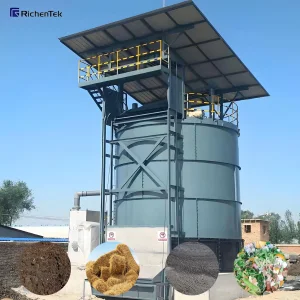
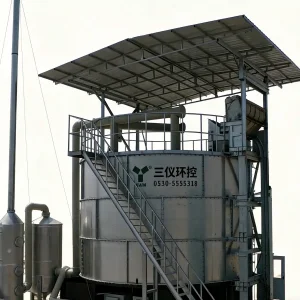
Our aerobic fermentation systems use a high-temperature aerobic method to break down waste. The process relies on microbes to metabolize organic matter inside an insulated, vertically integrated reactor. By maintaining precise oxygen levels, moisture, and temperature, the system speeds up the decomposition process, converting raw waste into organic fertilizer in just 7 to 15 days.
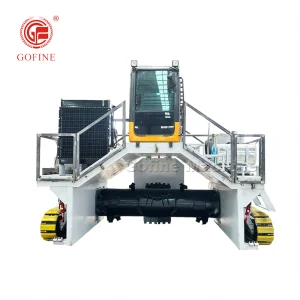
Unlike traditional horizontal systems that require large footprints and frequent manual turning, our vertical reactors feature automatic hydraulic mixing and bottom-up aeration. This design saves labor and space while keeping operating costs low.
| Equipment Type / Model Group | Volume Capacity (m³) | Applicable Raw Feedstocks | Heating & Aeration Control | Best Suited For (STP Applications) |
|---|---|---|---|---|
| Vertical Fermentation Reactor Series | 15m³ - 150m³ | Chicken, pig, cow manure, cocoa husks, municipal organic fractions | Enclosed heating, automated PLC air-injection, biofilter exhaust | High-throughput farming, livestock operations, cocoa cooperatives |
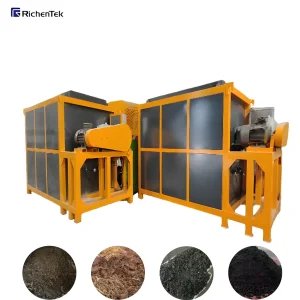
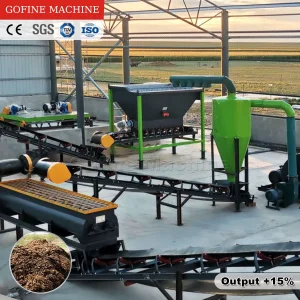
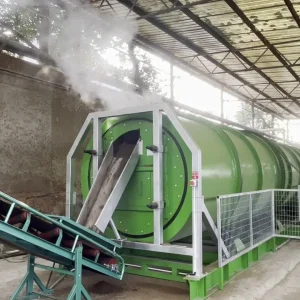
| Organic Fertilizer Production Lines | 1 - 3 Tons/Hr | Dehydrated animal manure, digested sludge, agricultural residues | Rotary drum drying, crushing, screening, and optional granulating | Regional commercial composting facilities and fertilizer packaging plants |
| Farm Bedding Management Units | Custom Modular | Dairy manure, separated solids from agricultural waste | Thermophilic sanitization, high efficiency screen separator | Dairy farms in the highlands of São Tomé and Príncipe |
| Municipal Solid Bio-Waste Systems | 50m³ - 250m³ | Segregated municipal organic waste, market refuse, kitchen waste | Continuous multi-stage digestion, centralized hydraulic mixing | Urban environmental management, municipal landfill diversion projects |
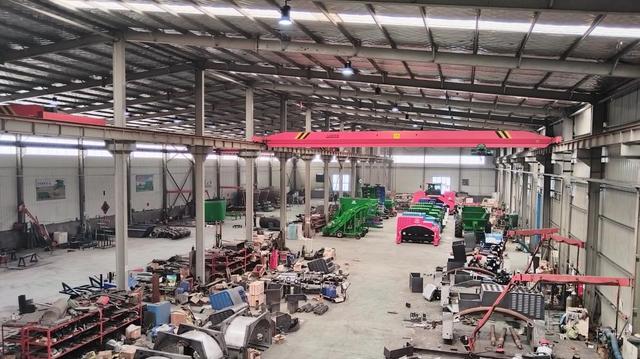
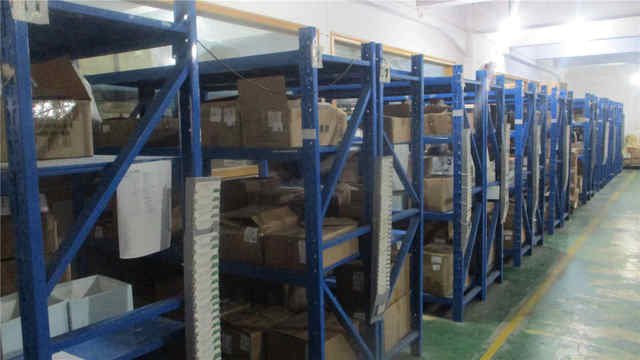
Inside our 16,000+ square meter factory showing quality-controlled production of composting equipment.
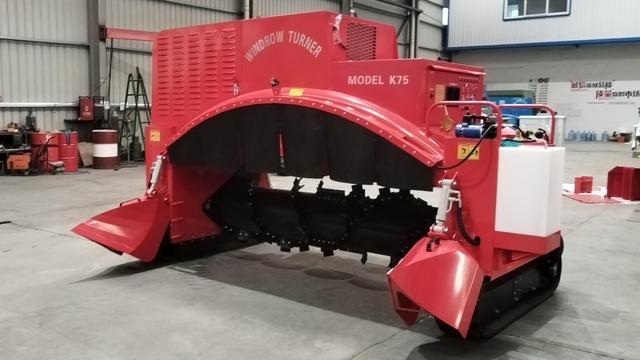


Ensuring smooth customs clearing, heavy marine freight delivery, and site integration inside STP.
As a heavy industrial exporter, Chengdu AgBio Energy manages ocean freight logistics from ports in China (Shanghai, Shenzhen, or Qingdao) directly to the Port of Ana Chaves in São Tomé. We coordinate custom wooden-crate seaworthy packaging and secure containers to prevent shifting during maritime transit around the Cape of Good Hope.
All critical electrical components (PLC modules, sensor arrays, hydraulic control cabinets) are shipped in moisture-barrier bags with desiccant packs to prevent humidity damage during sea transport.
Recognizing that skilled technical personnel can be limited in remote island regions, AgBio Energy offers a two-tier installation support model:
Technical answers for engineering companies, agriculture consultants, and plant managers in STP.
High ambient humidity slows down evaporation and can cause traditional open compost piles to become waterlogged and anaerobic. Our system resolves this by using an enclosed vertical vessel with controlled aeration and heating. This maintains optimal processing conditions regardless of external weather.
Yes. Cocoa and coffee residues often have high acidity and moisture levels. Our vertical reactors feature dynamic mixing systems that can blend these acidic feedstocks with structuring agents (like wood chips or dry manure) to stabilize pH and maintain the proper carbon-to-nitrogen ratio.
Our systems are designed for low power consumption, making them suitable for areas with high energy costs. The composting process uses the natural metabolic heat generated by thermophilic bacteria, minimizing the need for external heating. The primary power usage is for periodic hydraulic mixing and aeration fans, which can be optimized via the PLC controller.
We use high-grade, corrosion-resistant metals for our equipment. All waste contact surfaces are built with SUS304 stainless steel (with options for SUS316 in high-salinity coastal areas). Outer shells are treated with multi-layer epoxy anti-corrosion paint to withstand humid marine environments.
Manufacturing typically takes 30 to 45 days, depending on custom requirements. Ocean transit to the Port of São Tomé generally takes 45 to 60 days. Once on site, standard modular systems can be installed, tested, and running within 7 to 10 days.
Select the appropriate capacity and configuration to match your agricultural or municipal operating scale.
Get in touch with our design engineers for a custom equipment layout proposal, complete with process flow charts, localized shipping estimates, and technical specifications tailored for São Tomé and Príncipe.
Send Inquiry Now AgBio Energy