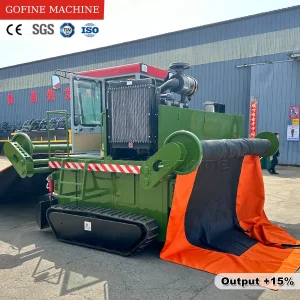
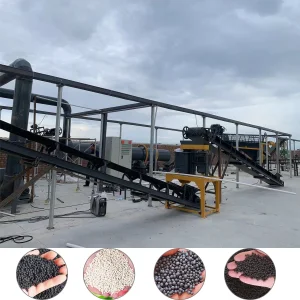
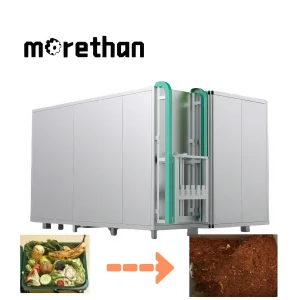
As the capital of Aichi Prefecture and a global hub for manufacturing and logistics, Nagoya stands at a critical juncture in environmental management. With Japan’s stringent Food Recycling Law and the regional push toward SDGs (Sustainable Development Goals), businesses in the Chūbu region are increasingly seeking high-performance Commercial Composting Systems to mitigate landfill dependency and carbon tax liabilities.
The industrial landscape of Nagoya, characterized by high-density commercial districts like Sakae and the heavy logistics corridor around the Port of Nagoya, generates massive volumes of organic byproducts. Traditional waste disposal methods are no longer economically viable due to rising incineration costs. Our technology roadmap offers a localized solution: transforming organic waste into high-quality bio-fertilizer within 24 hours, utilizing high-temperature aerobic fermentation technology specifically tuned for the Japanese climate.
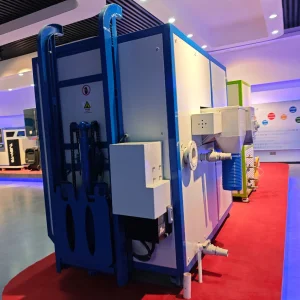
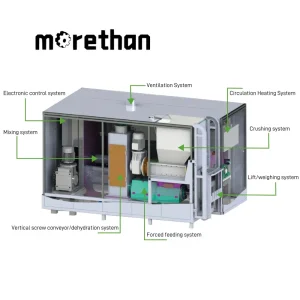
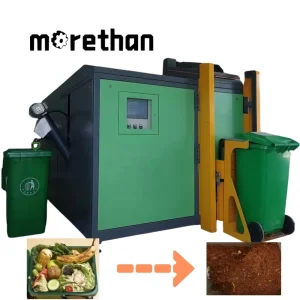
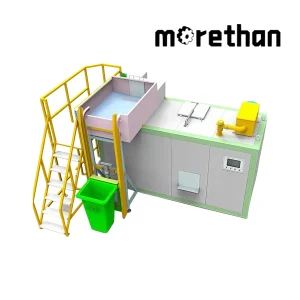
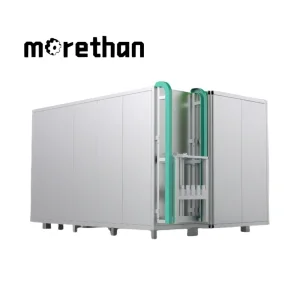
Our systems feature a vertical footprint, essential for Nagoya’s high-rent commercial zones, allowing hotels and hospitals to manage waste on-site.
Designed with "Monozukuri" philosophy in mind, ensuring our exporters provide equipment that matches the mechanical reliability expected in Aichi.
By eliminating the transport of wet waste to incinerators, Nagoya enterprises can reduce their Scope 3 emissions significantly.
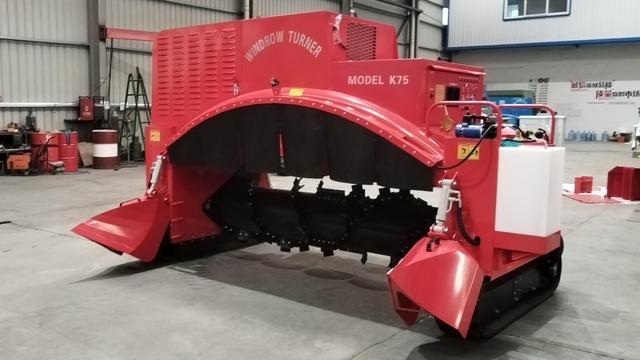
At Chengdu AgBio Energy, our R&D roadmap focuses on the intersection of Biotechnology and Industrial IoT. For the Nagoya market, we have integrated several "Information Gain" features that traditional exporters overlook:
The future of Nagoya’s waste management lies in Decentralized Processing. Instead of central incineration plants, each commercial block becomes a self-sustaining resource recovery node.
Explore Tech SpecsYears of R&D
Production Base
Expert Employees
Waste Reduction Rate
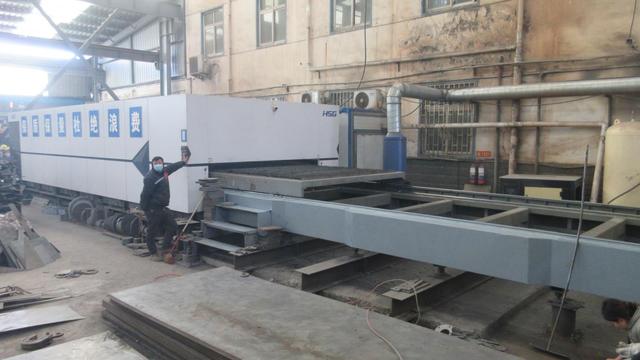
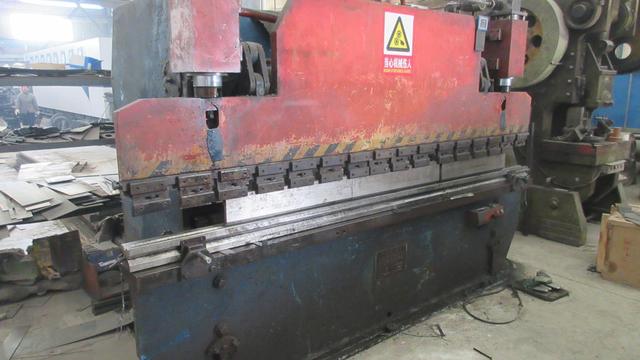
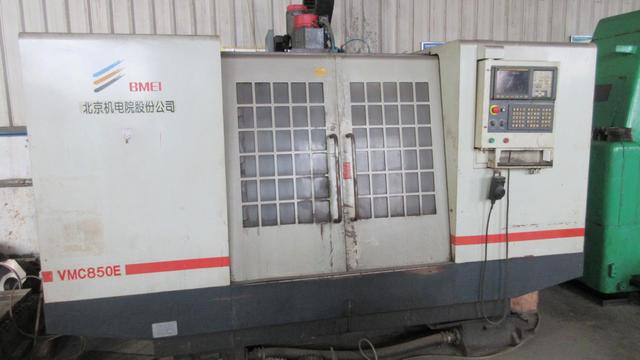
Located in the heart of Sichuan’s manufacturing hub, Chengdu AgBio Energy Co., Ltd. leverages a sophisticated Factory 4.0 infrastructure to ensure that our Nagoya partners receive equipment on time and within specification. Our 16,000 square meter facility utilizes automated welding robots and precision CNC machining to maintain a zero-defect rate.
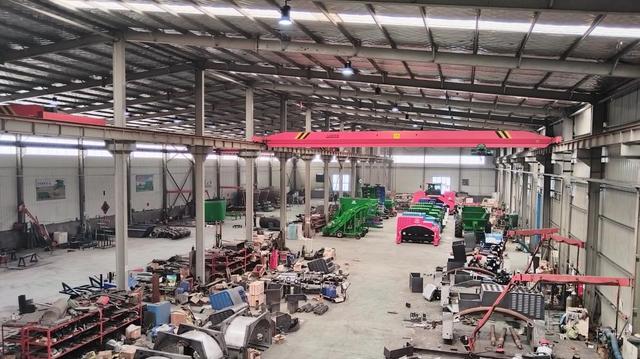
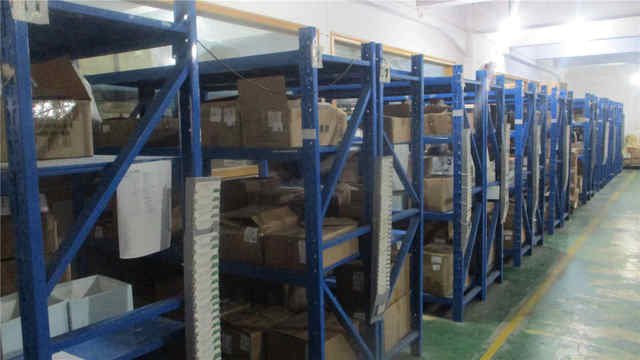
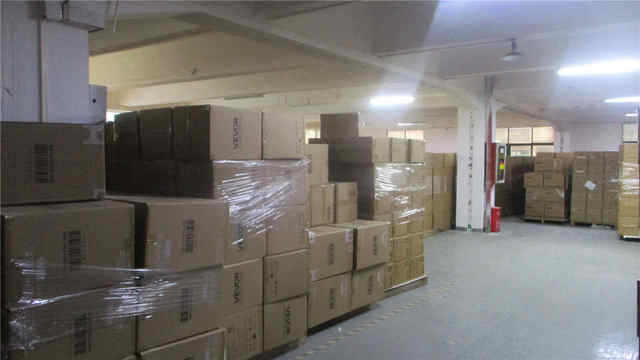
By vertically integrating our supply chain—from raw steel processing to final assembly—we offer a 30-40% cost advantage over local Japanese alternatives without sacrificing quality. Our OEM/ODM capabilities allow for customization to METI (Ministry of Economy, Trade and Industry) standards and local Japanese electrical requirements (100V/200V 60Hz for Aichi).
Safe, odor-free sterilization and composting for hospital food service and university campuses in the Nagoya university district.
Large-scale organic waste conversion for Aichi's massive food manufacturing sector, turning soy pulp and vegetable trimmings into profit.
Integrating "Smart Waste Rooms" into new commercial developments near Nagoya Station for LEED and CASBEE certification.
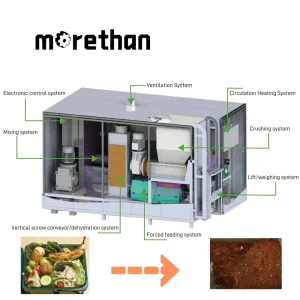
Our Nagoya-grade systems include an advanced pre-dehydration stage and utilize specialized Thermo-Acidophilic microbial strains that thrive in the high-salt environment typical of Japanese cuisine, ensuring stable fermentation without odor.
Yes. All exported systems are built to meet CE and ISO standards, and we provide documentation to assist with local Japanese fire safety and sewage compliance (Gappei Johkasou requirements).
Given Nagoya's commercial waste disposal fees, most clients see a full return on investment (ROI) within 18 to 24 months through savings on hauling fees and the production of usable fertilizer for local landscaping.
Connect with our senior growth directors for a free waste audit and customized system design.
Get a Custom Quote Now AgBio Energy