High-performance organic waste processors designed for localized climate challenges, supporting eco-tourism and agricultural resilience.
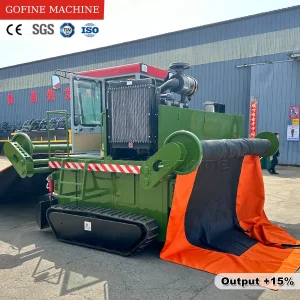
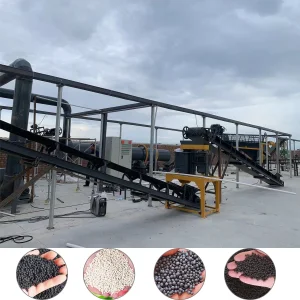
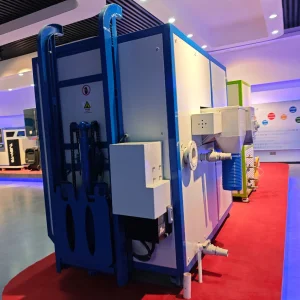
Namibia's unique geographical and climatic conditions create distinct requirements for commercial and industrial organic waste management. From the arid reaches of the Namib Desert to the busy fishing ports of Walvis Bay and Lüderitz, traditional disposal methods are becoming increasingly unsustainable. Landfill space in urban centers like Windhoek is limited, and environmental regulations are tightening under the Namibia Environmental Management Act.
Decentralized composting systems offer a transformative pathway to address waste challenges while generating high-value soil conditioners. Soils in agricultural zones and coastal communities are heavily depleted of organic matter. Implementing state-of-the-art aerobic composting plants allows businesses to turn liabilities (municipal solid waste, hotel food waste, and food processing residues) into structured bio-nutrients that improve water retention and crop yields.
Landfill Methane Reduction Potential
Rapid Aerobic Fermentation Cycle
Lower Crop Irrigation Demands
Compliance with Waste Regulations
How progressive enterprises are integrating closed-loop waste treatment solutions to meet regulatory ESG standards and structural supply-chain objectives.
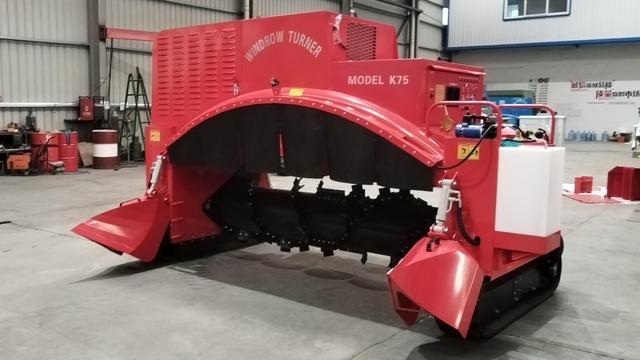
Globally, the commercial composting sector has shifted from passive, windrow-based operations to highly controlled, automated, and closed-loop bio-reactors. This transformation is driven by global carbon pricing, municipal food scrap landfill bans, and corporate ESG pledges. Advanced facilities are deploying computerized aeration, negative-pressure bio-filters, and smart heating systems that sustain thermophilic environments to destroy pathogens within hours.
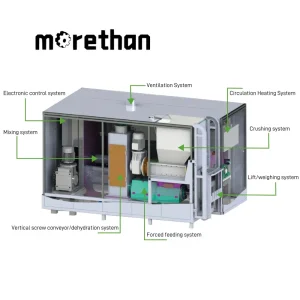
Suppliers are also seeing increased demand for hybrid decentralized/centralized systems. Modern processing plants process thousands of tons of organic waste daily. By implementing high-efficiency machinery that combines mechanical grinding, continuous mixing, and precise moisture regulation, operators can reduce overall footprint requirements by up to 80% compared to traditional windrow composting methods.
Combining over a decade of research with advanced manufacturing capabilities to deliver high-quality waste management systems globally.
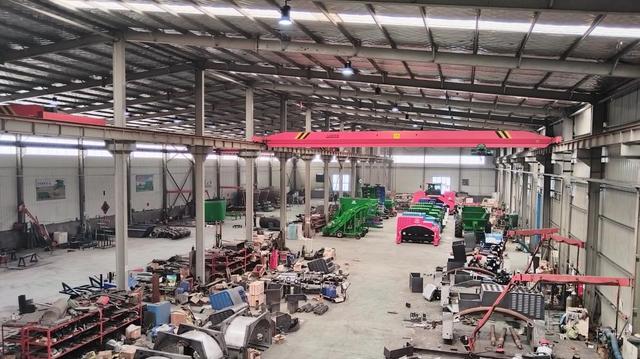
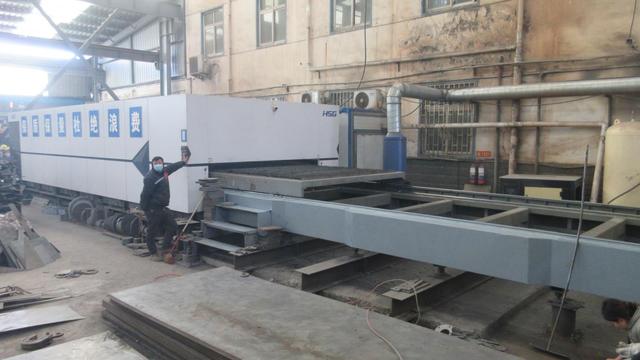
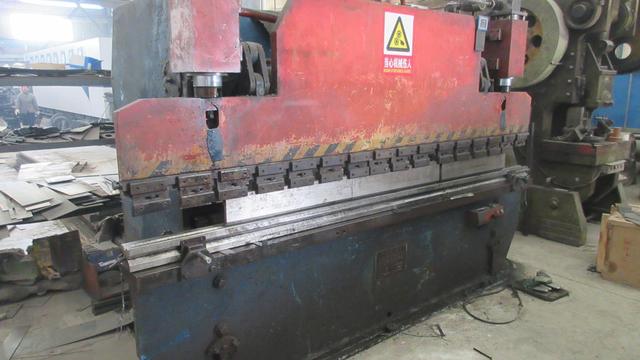
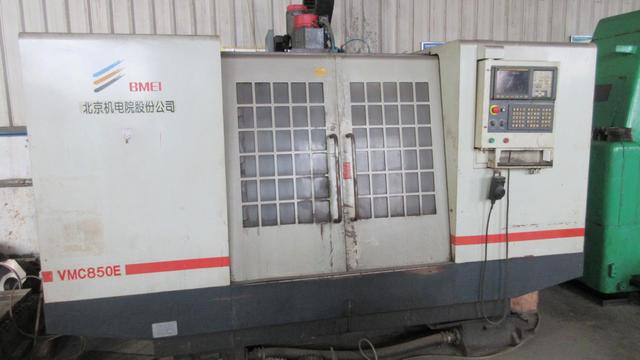
Established in 2013 in Chengdu, Sichuan Province, China, Chengdu AgBio Energy Co., Ltd. is a dedicated manufacturer of organic waste composting equipment, food waste recycling systems, and sustainable waste treatment solutions. Spanning a modern manufacturing footprint of over 16,000 square meters, AgBio Energy houses advanced production workshops, high-precision assembly lines, and testing centers managed by over 230 waste treatment experts and engineers.
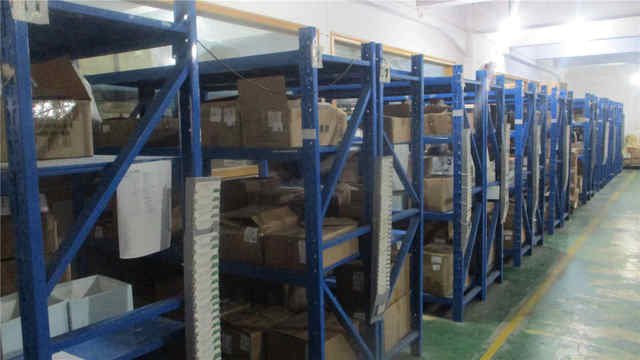
Our competitive advantage lies in systematic manufacturing processes, strict quality control, and extensive supply chain access. Chengdu's position as an industrial manufacturing hub allows AgBio Energy to source premium materials (such as heavy-duty marine-grade stainless steel) and state-of-the-art electronics, providing reliable equipment at competitive capital costs. The company offers end-to-end OEM and ODM support, tailoring processing systems to operate reliably in Namibia's harsh desert and high-salinity coastal environments.
Deploying modular organic processing units to address specific logistical and operational challenges in the region.
Lodges in regions like Sossusvlei, Etosha, or the Caprivi Strip face high waste transportation costs. On-site food waste composting systems help convert kitchen leftovers into nutrient-rich soil for lodge vegetable gardens, eliminating logistics and reducing waste footprint.
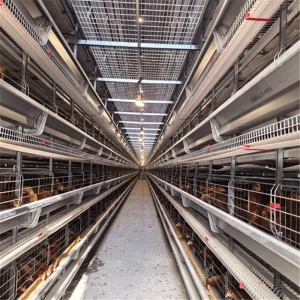
Poultry and cattle farms in areas like Otjiwarongo generate significant amounts of manure. Our processing systems help convert livestock manure into organic fertilizer, while biomass machines process encroaching invader bush into useful mulch base material.
Coastal fish processing facilities in Walvis Bay generate high-protein organic waste. Our specialized composting systems handle high-nitrogen materials, transforming processing waste into stable organic fertilizer for agricultural applications.
Engineered with automated process controls and high-durability components for reliable operation under demanding conditions.
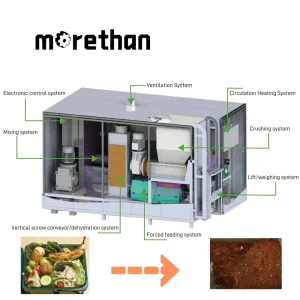
Equipped with integrated PLC control systems that monitor oxygen concentration, moisture levels, and temperature, allowing remote troubleshooting and performance optimization.
Sustains high temperature ranges (55°C–70°C) to neutralize weed seeds, insects, and pathogens within 24 to 48 hours, yielding clean organic fertilizer ready for immediate soil integration.
Constructed with high-strength stainless steel to resist corrosive acids, sulfurous gases, and high-moisture organic compounds, extending operational lifespans in tough environments.
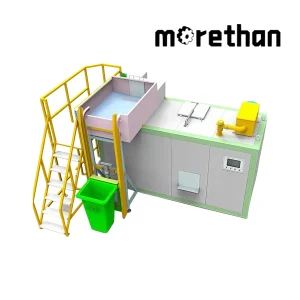
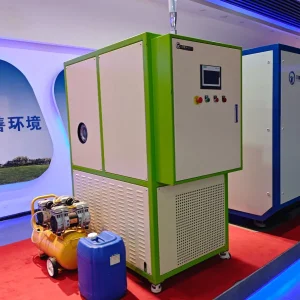
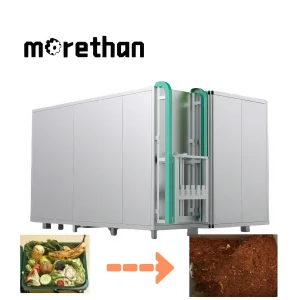
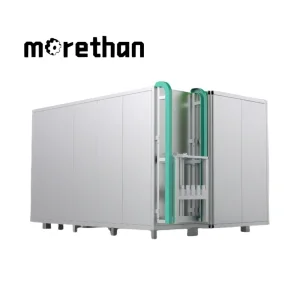
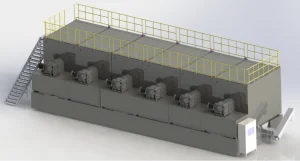
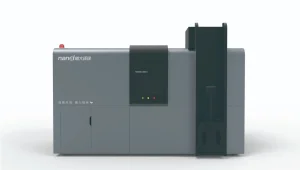
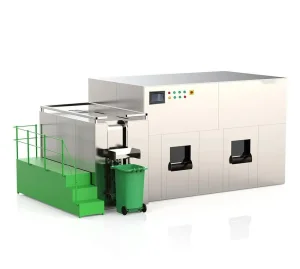
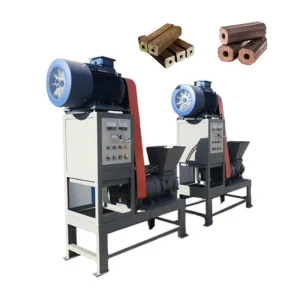
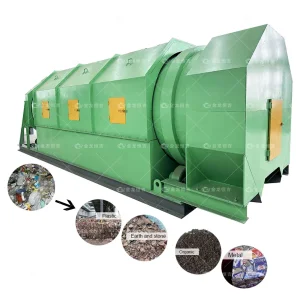
From small-scale kitchen units to large municipal sorting and composting lines, our systems are designed to match various industrial processing requirements.
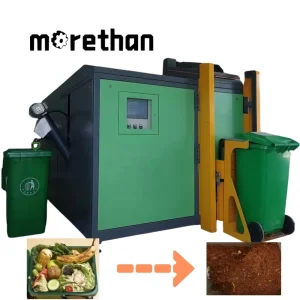
Expert insights on choosing, deploying, and maintaining commercial composting systems in Namibia and Southern Africa.
Our composting systems are designed with thermal insulation layers that protect the fermentation chamber from extreme ambient temperatures, which is particularly useful for Namibian desert environments. The sealed vessel structure minimizes moisture loss through evaporation, allowing the composting process to proceed efficiently with minimal water input.
Yes, our industrial composting machinery features high-grade, corrosion-resistant stainless steel inner liners that withstand salts, acids, and bases. For high-salinity fish waste, we recommend mixing it with carbon-rich bulking materials (like sawdust, straw, or chipped invader bush) to optimize the carbon-to-nitrogen (C:N) ratio and reduce salt concentration, producing high-grade agricultural fertilizer.
Our standard systems operate on 380V three-phase electrical power to drive the high-torque mixing shafts, internal heaters, and air injection pumps. For remote safari lodges and off-grid locations in Namibia, we can configure our systems to run on hybrid power setups or custom solar installations combined with battery storage systems, optimizing energy efficiency.
Odors are controlled through a negative-pressure air circulation system. Exhaust gases from the composting chamber are routed through a multi-stage bio-filtration system or an activated carbon filter. This setup removes volatile organic compounds (VOCs) and ammonia, ensuring odor-free operation suitable for hotels, resorts, and urban centers.
Yes. Invader bush (encroaching woody biomass) is abundant in Namibia and serves as a highly suitable carbon source. When shredded, it helps balance nitrogen-rich inputs like food waste or poultry manure, creating a favorable C:N ratio that supports aerobic fermentation and improves compost structure.
Under typical operating parameters, our thermophilic aerobic digestion systems complete the primary fermentation cycle in 24 to 48 hours. This rapid cycle breaks down pathogens and weed seeds, converting organic waste into a stable, semi-cured compost that can be applied to agricultural soils after a short curing period.
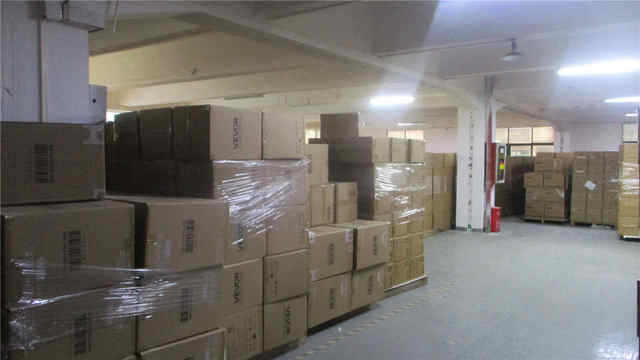
We offer comprehensive global export services. Equipment is shipped in seaworthy packaging to ports like Walvis Bay, with inland transport arranged to your facility. We provide detailed installation manuals, piping diagrams, and wiring layouts, along with remote commissioning support and video consultation from our engineering team in Chengdu.
Routine maintenance is straightforward, focusing on lubrication of bearings, inspection of drive chains, and checking sensor probes. The integrated PLC system alerts operators to necessary maintenance intervals, helping to ensure long-term reliability and minimal downtime for the facility.
 AgBio Energy