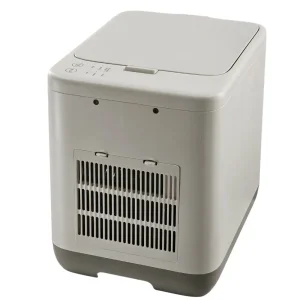
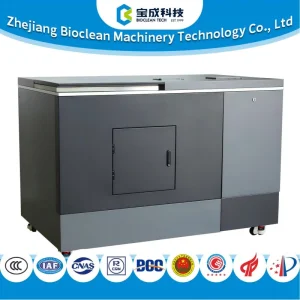
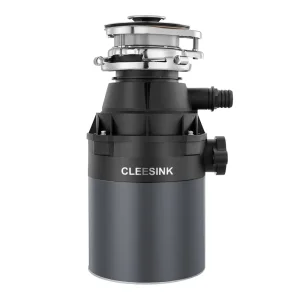
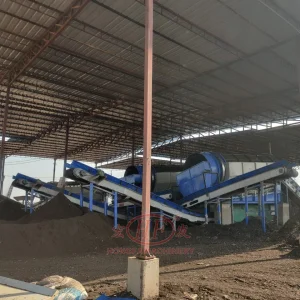
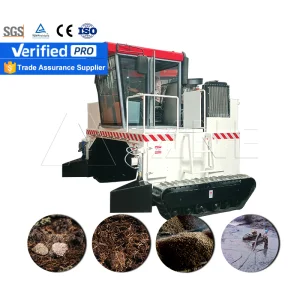
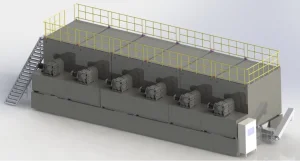
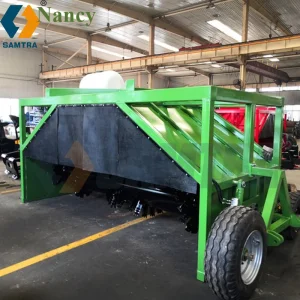
Vietnam is currently at a critical juncture in its waste management trajectory. With a rapidly growing population and a booming tourism and manufacturing sector, the generation of municipal solid waste (MSW) has increased by approximately 10-16% annually. A significant portion—often exceeding 60-70%—of this waste is organic food waste. As the Vietnamese government implements Decision No. 450/QD-TTg, focusing on the National Strategy for Environmental Protection, the demand for decentralized and industrial-scale food waste composting machines has skyrocketed.
In cities like Hanoi, Ho Chi Minh City, and Da Nang, traditional landfilling is becoming unsustainable due to land scarcity and environmental contamination (leachate and methane emissions). Forward-thinking Vietnamese enterprises are adopting Information Gain strategies by converting waste into high-value organic fertilizer. This not only reduces disposal costs but aligns with the "Green Growth" initiatives favored by international investors and the Decree 08/2022/ND-CP regulations.
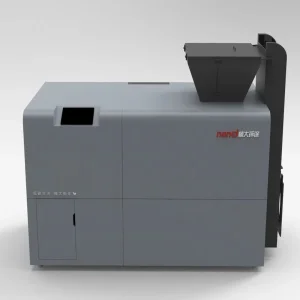
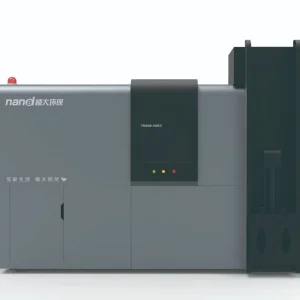
Modern composting is no longer just "turning soil." It is a bio-thermal process optimized by IoT sensors and AI algorithms. Our machines exported to Vietnam feature real-time monitoring of moisture, temperature, and oxygen levels, ensuring that the 24-hour aerobic fermentation process remains efficient regardless of the tropical humidity levels in regions like the Mekong Delta.
The global food waste composting industry is moving toward "Decentralized Smart Processing." Instead of transporting heavy, wet waste to distant plants, machines are installed at the source—hotels, hospitals, and industrial parks. This reduces the carbon footprint by up to 90%.
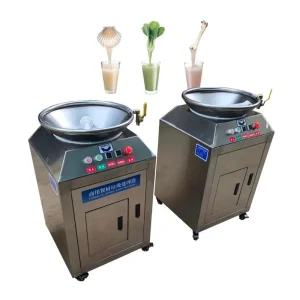
Automated shredding and dewatering reduce volume by 70%, preparing the substrate for rapid microbial action.
Utilizing specialized microbial strains that thrive at 60-80°C, pathogens are eliminated, and decomposition is accelerated into 24 hours.
The output is a nutrient-rich soil conditioner, ready for Vietnam's coffee and fruit plantations, completing the nutrient cycle.
Globally, the market for organic waste treatment is expected to reach $45 billion by 2028. Vietnam is positioned to be a regional leader in Southeast Asia, leveraging its agricultural heritage to utilize the organic fertilizers produced by our Food Waste Composting Machines. We are seeing a surge in "Waste-to-Fertilizer" export models where Vietnamese farms export organic-certified produce back to the EU and US, powered by these very machines.
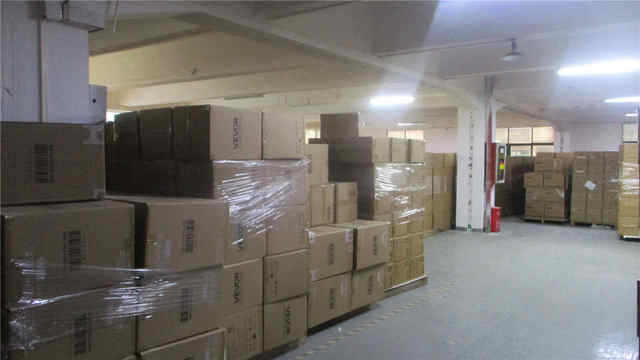
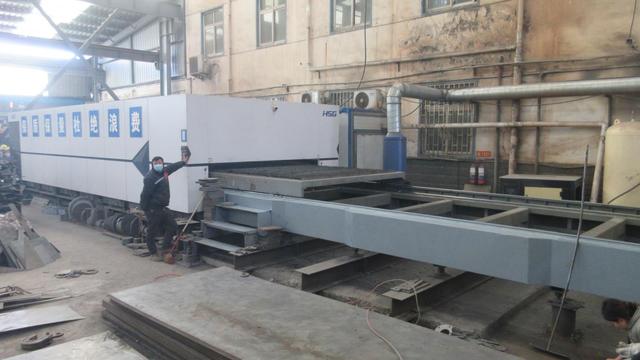
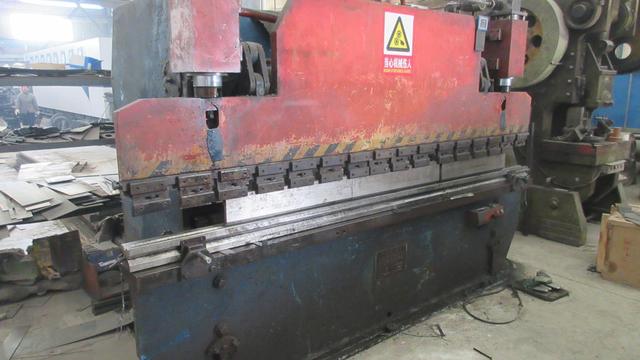
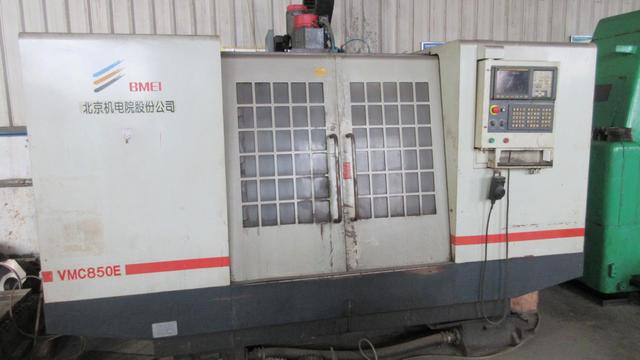
Chengdu AgBio Energy Co., Ltd. is a professional manufacturer specializing in organic waste composting equipment, food waste recycling systems, and sustainable waste treatment solutions. Established in 2013 and headquartered in Chengdu, Sichuan Province, China, the company is dedicated to helping businesses, agricultural operations, municipalities, and environmental service providers transform organic waste into valuable resources. With a modern manufacturing facility covering more than 16,000 square meters and a team of over 230 employees, AgBio Energy delivers efficient and environmentally responsible waste management technologies to customers around the world.
The company's product portfolio includes organic waste composting machines, food waste treatment systems, aerobic fermentation equipment, agricultural waste recycling solutions, manure composting systems, organic fertilizer production lines, municipal bio-waste treatment equipment, and intelligent composting management systems. These solutions are widely used in farms, food processing facilities, restaurants, hotels, commercial waste treatment centers, agricultural cooperatives, and municipal environmental projects.
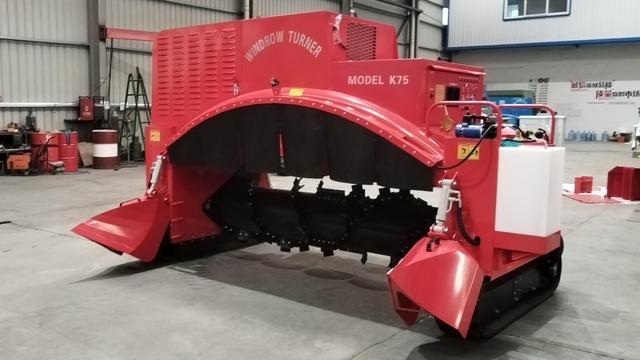
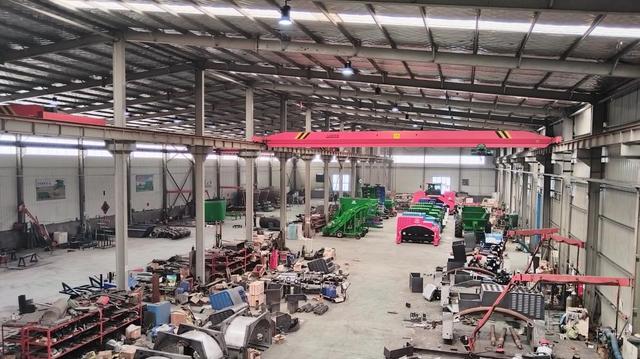
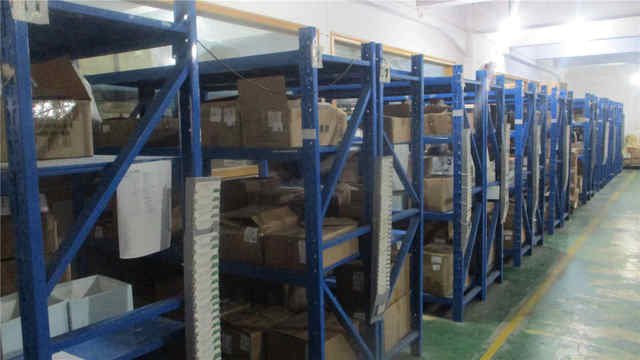
AgBio Energy integrates engineering expertise, process optimization, and advanced manufacturing technologies to develop reliable composting and organic waste recycling systems. In addition to standard equipment, we offer OEM and ODM services, providing customized waste treatment solutions tailored to specific project requirements in Vietnam, including the unique processing needs of high-salinity kitchen waste and tropical fruit residues.
Phu Quoc and Da Nang luxury resorts use our compact units to maintain "Zero Waste" certifications, turning kitchen scraps into landscape fertilizer on-site.
Processing plants in Binh Duong integrate large-scale dewatering and composting lines to manage canteen waste for thousands of employees daily.
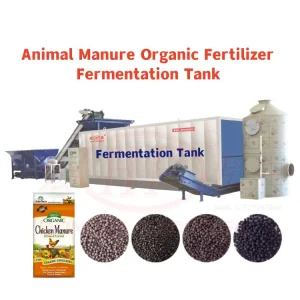
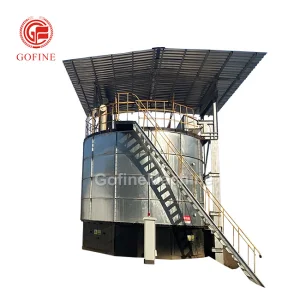
In Da Lat and the Central Highlands, our fermentation tanks convert livestock manure and vegetable waste into high-quality organic fertilizer for export crops.
Our machines are equipped with smart humidity sensors and adjustable aeration systems. In the tropical climate of Vietnam, we optimize the heating elements to ensure moisture levels are kept at the ideal 40-60% for aerobic bacteria, preventing anaerobic odors.
We utilize heat recovery technology and energy-efficient motors. For example, our 500kg/day unit is optimized to minimize power draw during the steady-state thermophilic phase, significantly reducing operational costs compared to traditional incineration.
Yes. Our industrial series uses SUS316L stainless steel for components in contact with waste to prevent corrosion from high salinity and acidity common in Vietnamese kitchen waste.
After the 24-hour rapid fermentation, the material is highly stable. For commercial sale, we recommend a 7-day maturation period, which can be done in our integrated maturation bins to ensure full nitrogen stabilization.
Join the leading Vietnamese enterprises adopting sustainable AgBio Energy technologies today.
Send Inquiry Now AgBio Energy