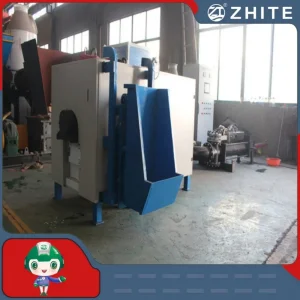
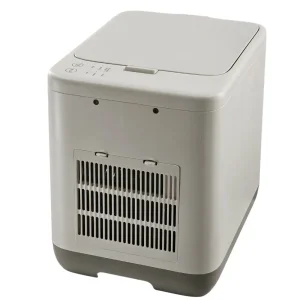
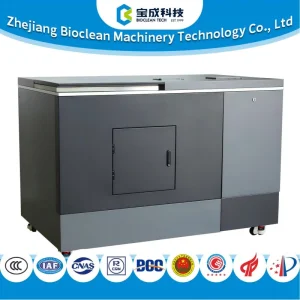
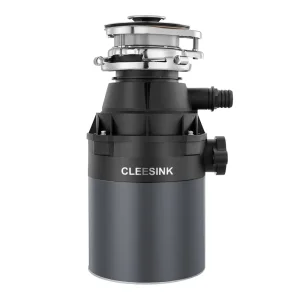
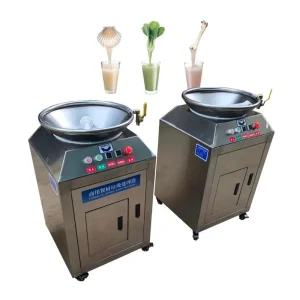
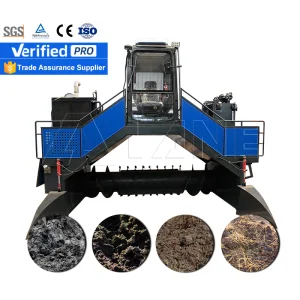
Engineered to comply with local Bavarian waste disposal initiatives, providing commercial establishments with modular, high-efficiency mechanical organic processing.
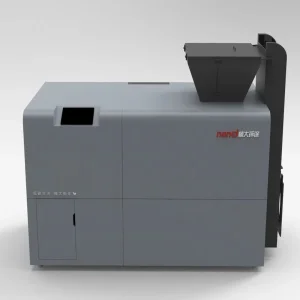
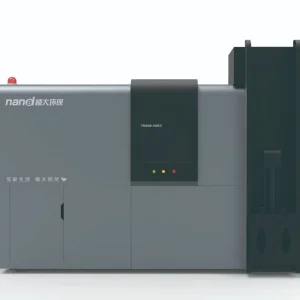
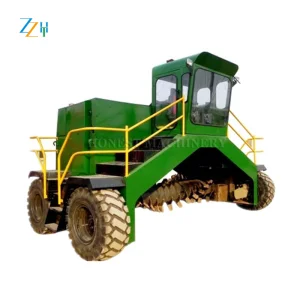
Munich is moving rapidly towards its ambitious goal of becoming a Zero Waste City. Commercial operators, industrial food processors, hospitality chains, and agricultural businesses across Bavaria are facing strict legislative pressures. The German Commercial Waste Ordinance (Gewerbeabfallverordnung - GewAbfV) mandates the separate collection and high-grade recycling of biowaste, while the national Bio-waste Ordinance (Bioabfallverordnung - BioAbfV) regulates the safety, sanitation, and tracking of composting output.
By implementing on-site aerobic composting equipment, Munich-based entities mitigate rising landfill taxes, transport emissions, and municipal disposal fees. Our thermal treatment systems sanitize raw food scraps on-site, converting complex waste streams into stabilized organic substrate in under 24 hours, conforming fully with regional hygiene requirements.
On-site processing prevents the anaerobic generation of methane gas in landfills, rendering measurable CO2-equivalent offsets that support Scope 3 corporate decarbonization initiatives.
Transform municipal bio-solids and restaurant scraps into nutrient-rich humus suitable for regional viticulture, hops cultivation in Hallertau, and general landscaping.
How modern organizations leverage high-temperature microbial processing to convert economic liabilities into valuable soil resources.
The United Nations SDG 12.3 aims to halve global food waste by 2030. Automated on-site composting machines play an indispensable role in decentralized circular economies, bypassing high transport logistics costs.
Modern systems utilize industrial PLC controls, tracking inner core decomposition temperatures (typically kept above 60°C to guarantee neutralization of pathogens and weed seeds) via real-time cloud interfaces.
Our high-temperature microbial strains are optimized to accelerate organic breakdown, reducing standard processing times from several months down to 12–24 hours inside the aerobic composting chamber.
The core technology behind our equipment revolves around **Thermophilic Aerobic Decomposition**. Within our composting tanks, mechanical mixing paddles dynamically agitate food waste under controlled oxygen injection. Heating jackets maintain the optimal microbial temperature, fostering the growth of robust thermophilic bacterial colonies.
Through active moisture extraction, shredding, and biological digesting, waste is stabilized and reduced by up to 90% in volume. Special odor control systems featuring integrated catalytic bio-filters and activated carbon grids guarantee that no offensive gases escape, allowing for indoor installation in commercial kitchens and basements.
| Feature/Specification | Standard Composter | AgBio Energy Advanced |
|---|---|---|
| Processing Window | 14–30 Days | 12–24 Hours |
| Volume Reduction Rate | 60%–70% | 85%–90% |
| Sanitation Level | Variable / Uncontrolled | Full (Temp > 60°C) |
| Odor Control System | Passive Ventilation | Activated Carbon + UV |
| Smart Connectivity | Manual Dial Controls | PLC IoT Telemetry |
Customized operational setups for Munich's key commercial sectors to achieve sustainable nutrient loops.
Munich's rich brewing heritage generates significant organic residue. Our industrial composters process spent grains (Treber) alongside canteen food scraps, transforming high-moisture organic mass into solid organic fertilizers for hops farmers.
Large hotels, logistics kitchens, and corporate cafeterias handle tons of food scraps daily. On-site compact systems like our 200kg/day models reduce municipal disposal fees and eliminate the hygienic hazard of storing putrid waste.
By converting raw waste into nutrient-stabilized nitrogen-phosphorus-potassium (NPK) compost, horticultural organizations around greater Munich create premium topsoil additives, promoting soil fertility in organic farms.
Volumetric Waste Reduction
Rapid Composting Cycle
Sqm Production Plant Area
Global Bio-Waste Engineers
Combining precision Chinese manufacturing capabilities with rigorous EU distribution standards to supply cutting-edge biological recycling machinery globally.
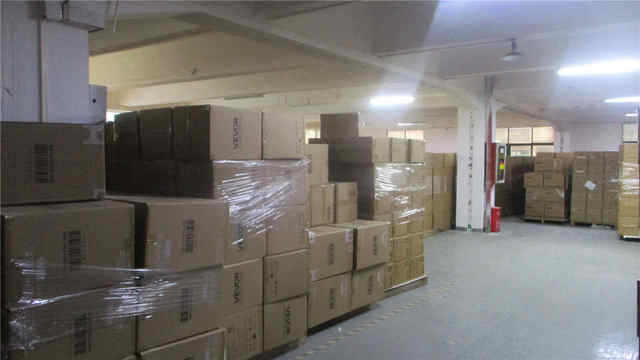
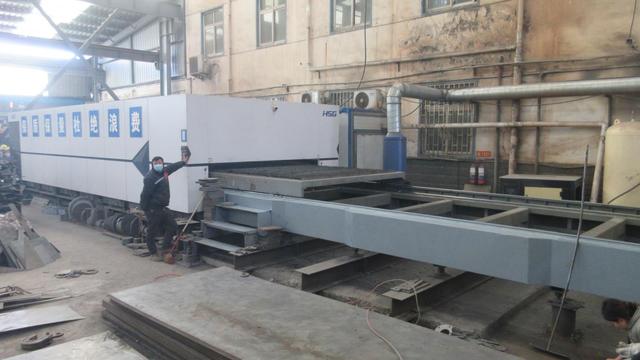
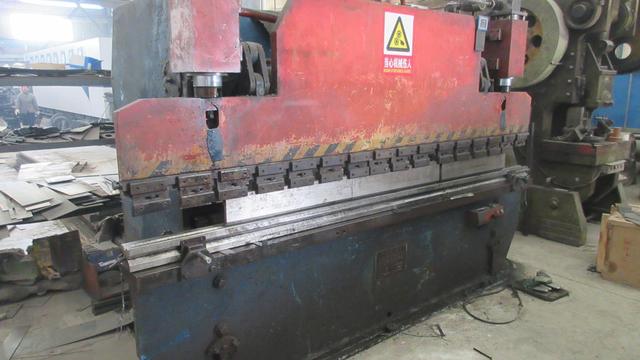
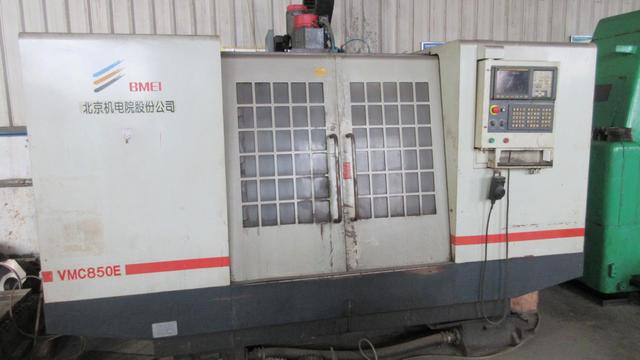
Chengdu AgBio Energy Co., Ltd. is a professional manufacturer specializing in organic waste composting equipment, food waste recycling systems, and sustainable waste treatment solutions. Established in 2013 and headquartered in Chengdu, Sichuan Province, China, the company is dedicated to helping businesses, agricultural operations, municipalities, and environmental service providers transform organic waste into valuable resources. With a modern manufacturing facility covering more than 16,000 square meters and a team of over 230 employees, AgBio Energy delivers efficient and environmentally responsible waste management technologies to customers around the world.
The company's product portfolio includes organic waste composting machines, food waste treatment systems, aerobic fermentation equipment, agricultural waste recycling solutions, manure composting systems, organic fertilizer production lines, municipal bio-waste treatment equipment, and intelligent composting management systems. These solutions are widely used in farms, food processing facilities, restaurants, hotels, commercial waste treatment centers, agricultural cooperatives, and municipal environmental projects.
AgBio Energy integrates engineering expertise, process optimization, and advanced manufacturing technologies to develop reliable composting and organic waste recycling systems. The company operates modern production workshops, assembly lines, and testing facilities to ensure product quality, operational efficiency, and long-term reliability. Strict quality management procedures are implemented throughout product development, manufacturing, installation, and customer support processes.
In addition to standard equipment, AgBio Energy offers OEM and ODM services, providing customized waste treatment solutions tailored to specific project requirements, processing capacities, and operational environments. The company works closely with environmental organizations, agricultural enterprises, waste management operators, and project contractors worldwide.
Committed to innovation, sustainability, and resource recovery, Chengdu AgBio Energy Co., Ltd. continues to support global efforts toward circular economy development, landfill reduction, and environmentally responsible organic waste management through advanced composting and recycling technologies.
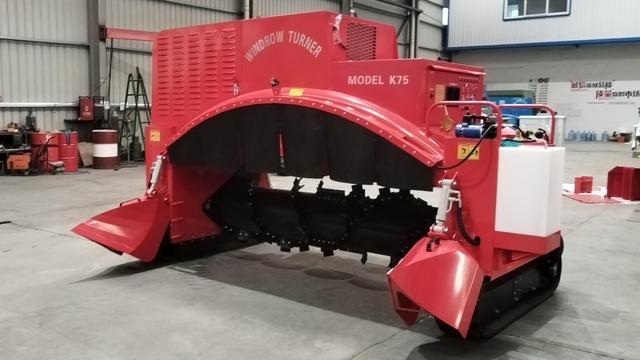
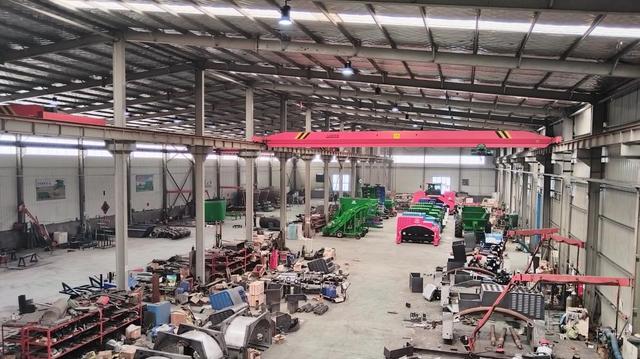
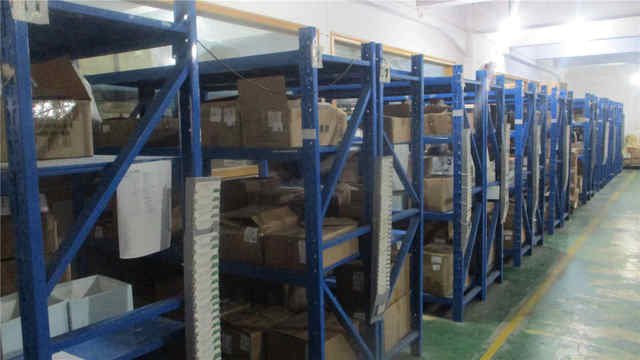
Addressing key technical, regulatory, and mechanical questions for project managers and facilities engineers in Munich.
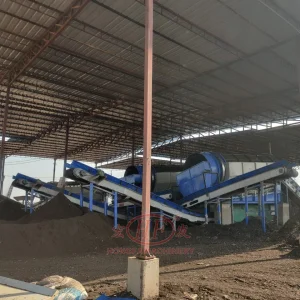
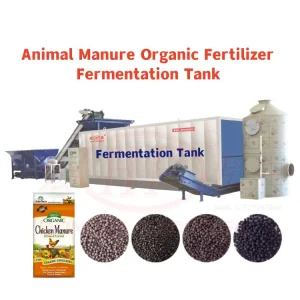
Explore our versatile range of organic waste processing equipment, including home-appliance smart kitchen solutions, integrated shredding-dewatering machines, and heavy-duty fermentation reactors.
Contact our local engineering consultants in Munich today for a tailored operational cost analysis, product customization options, or an equipment demonstration.
Send Inquiry Now AgBio Energy