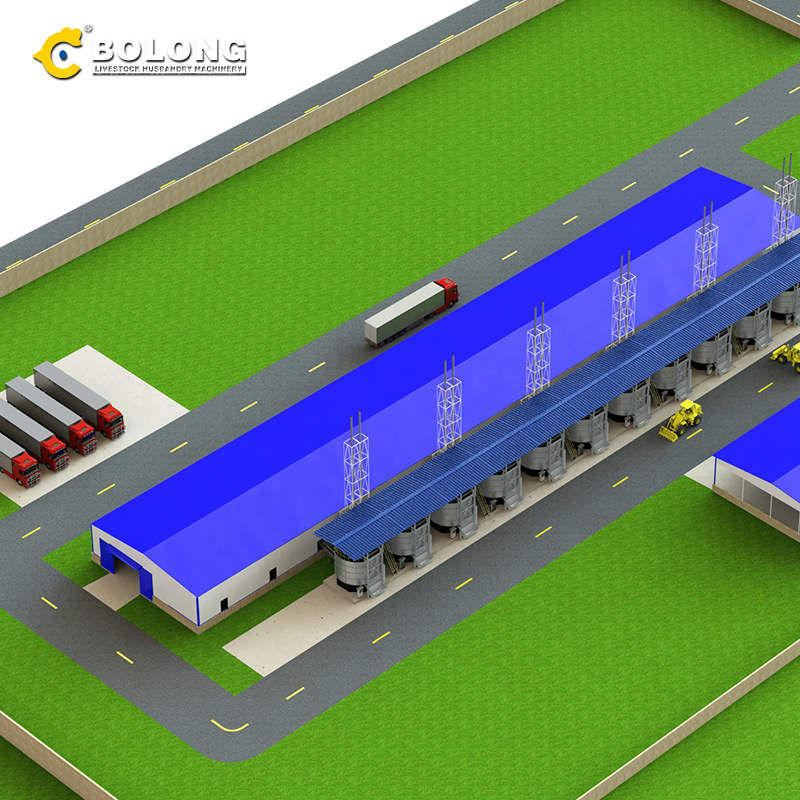
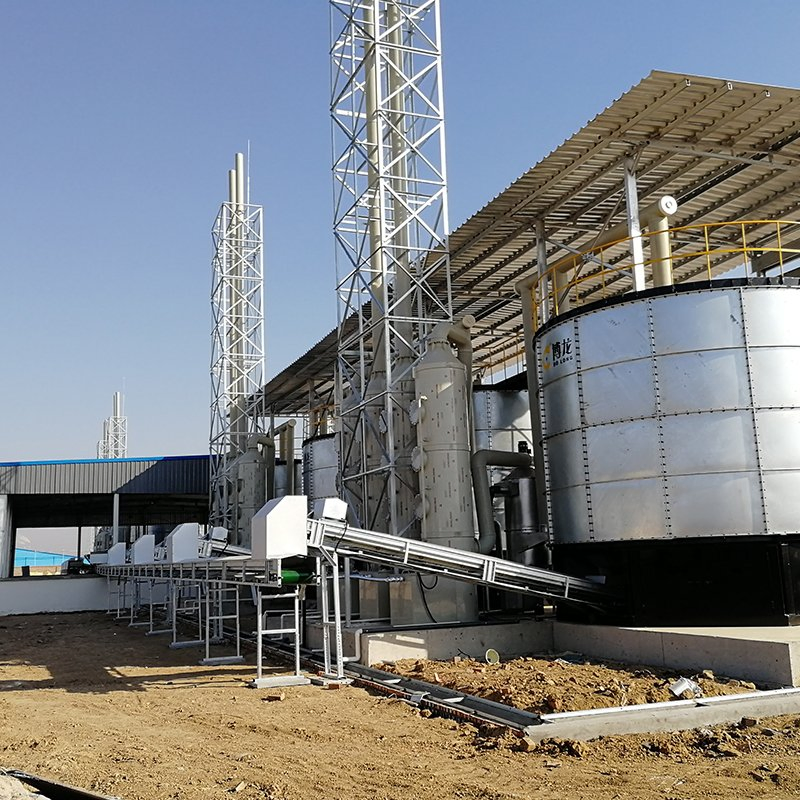
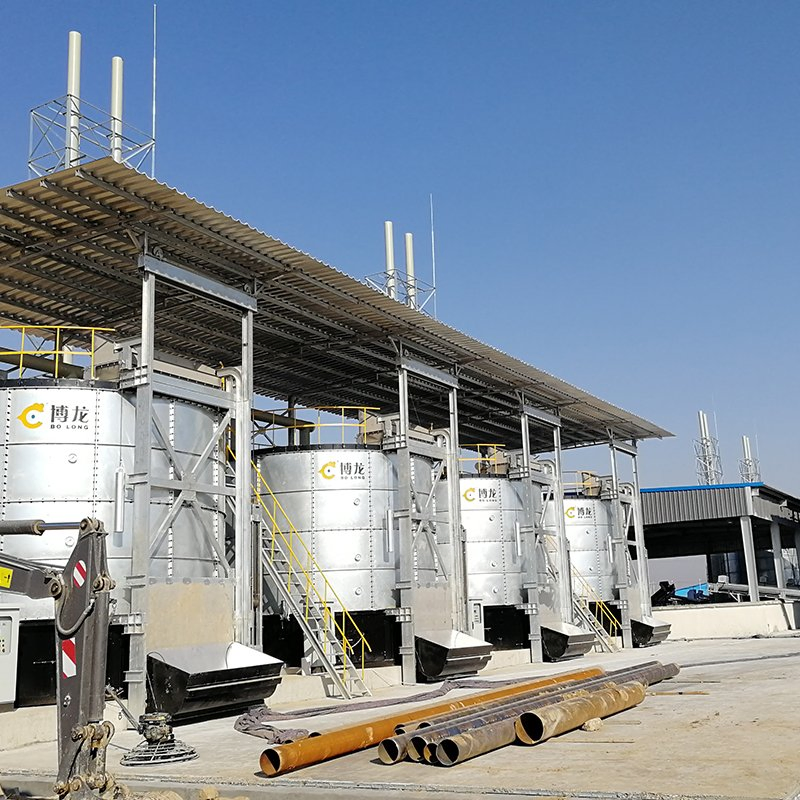
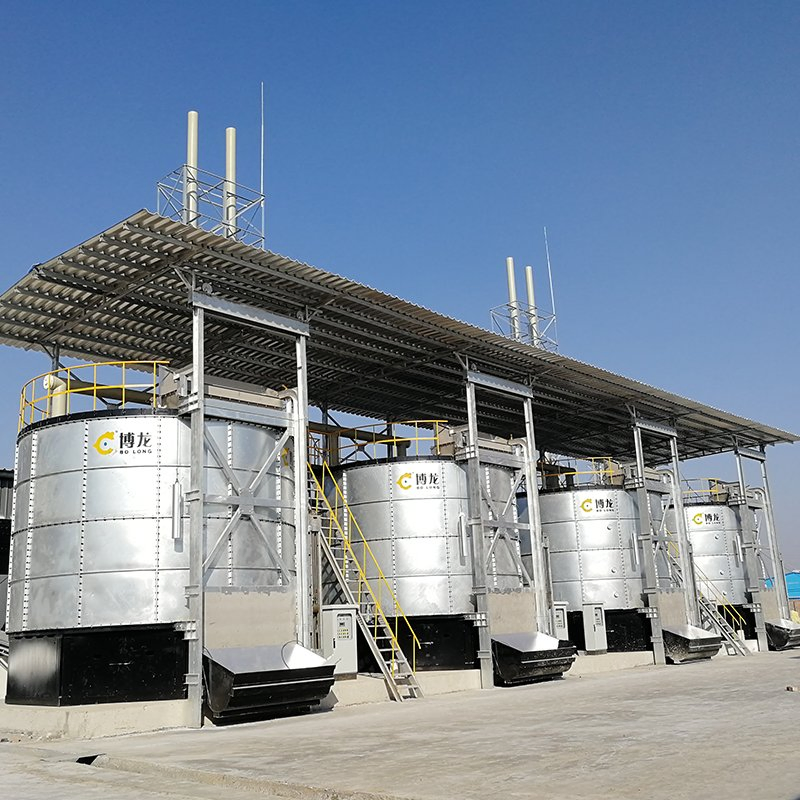
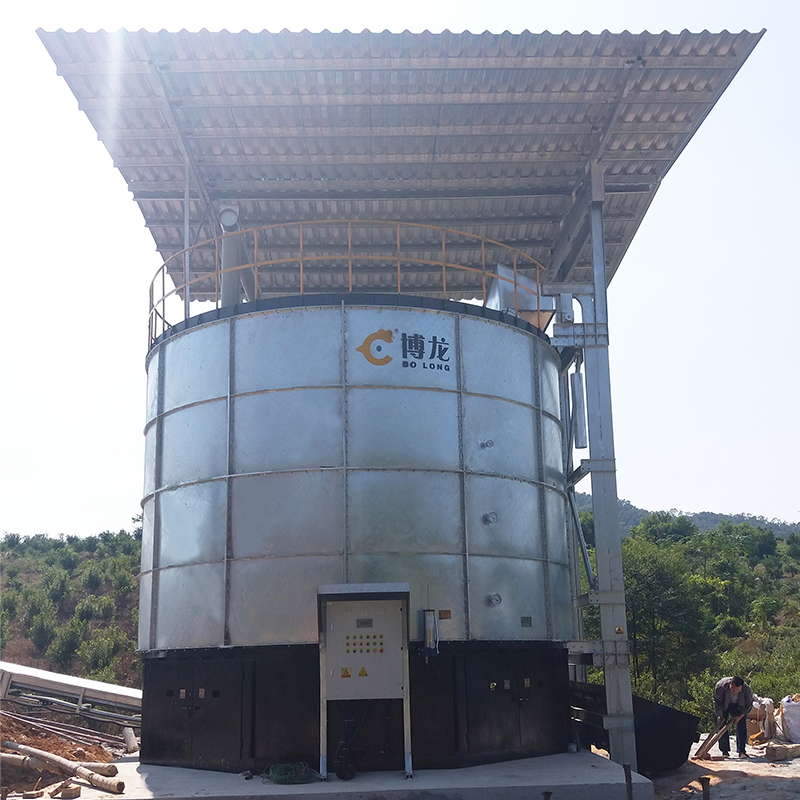
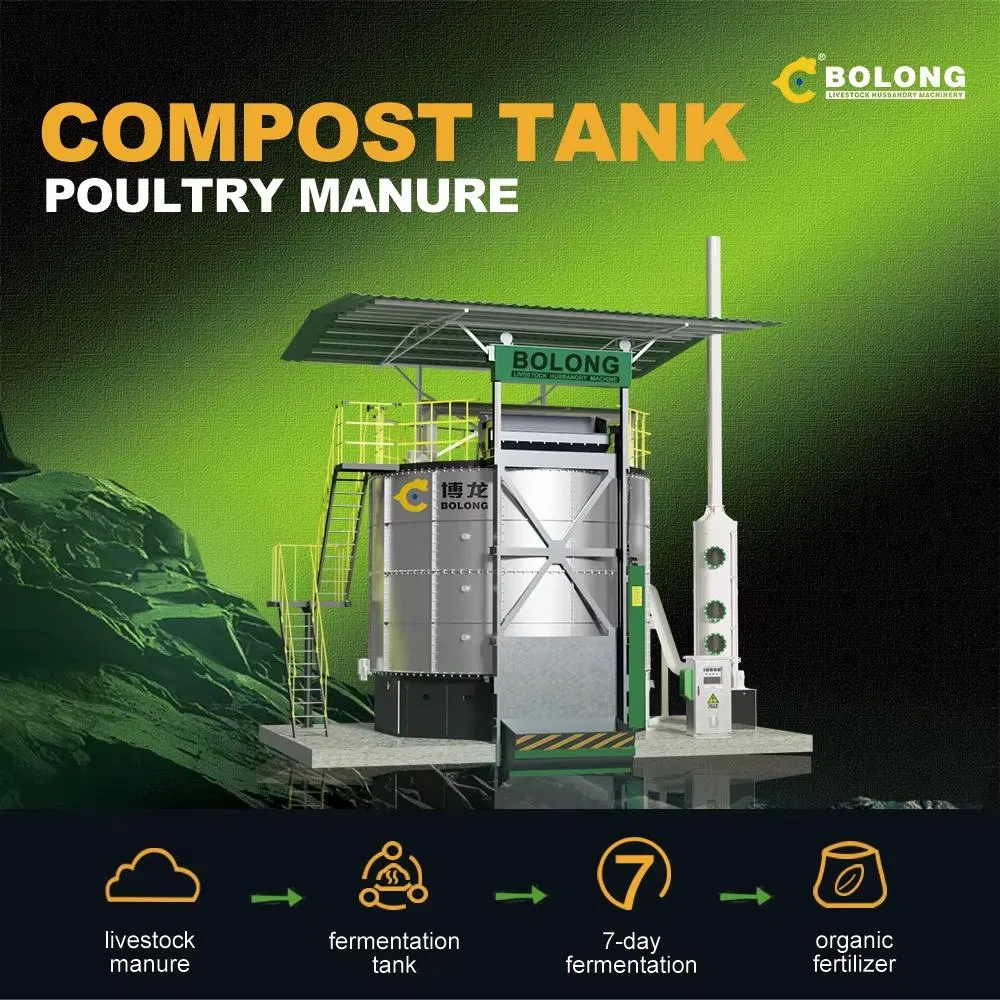
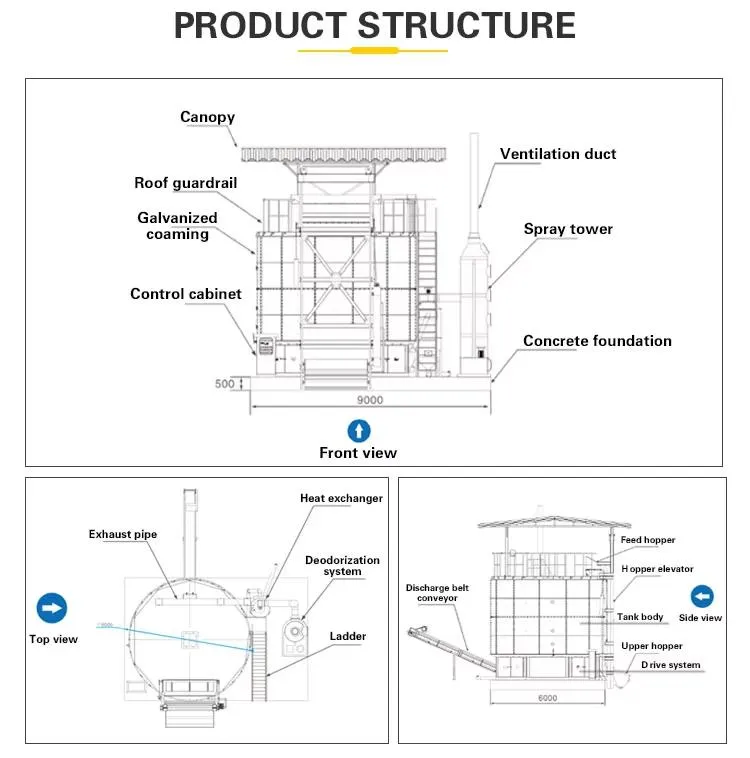
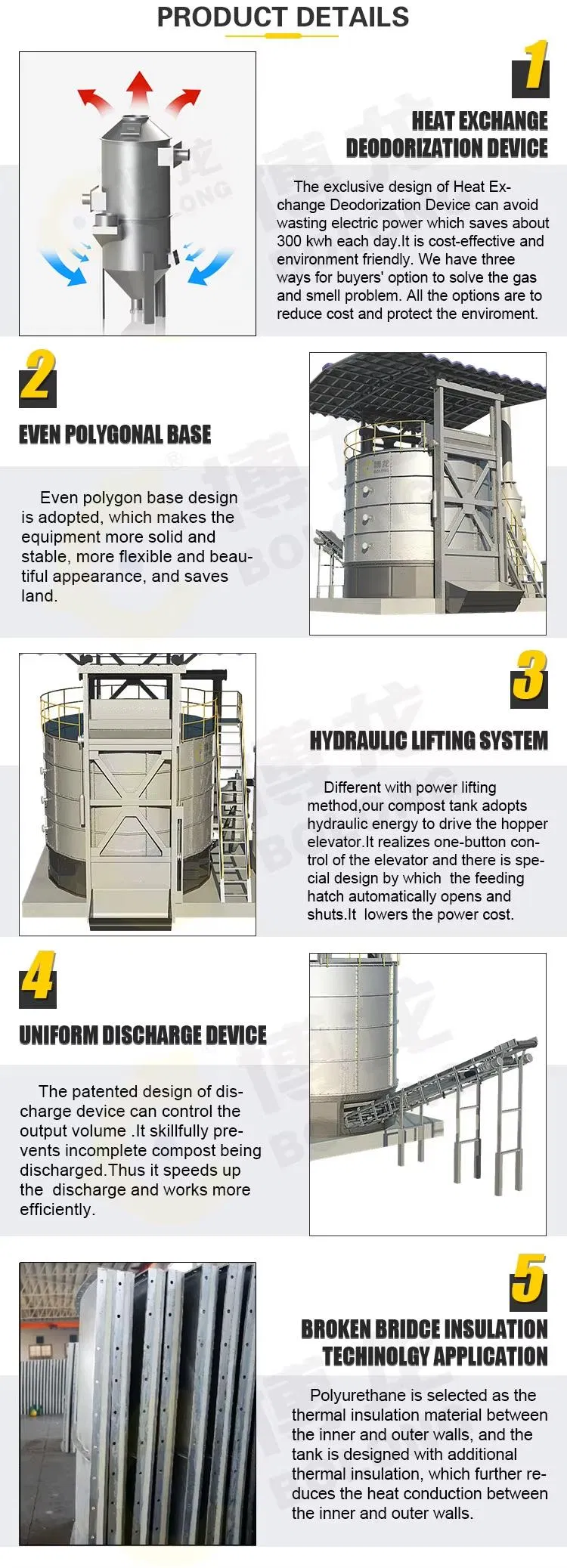
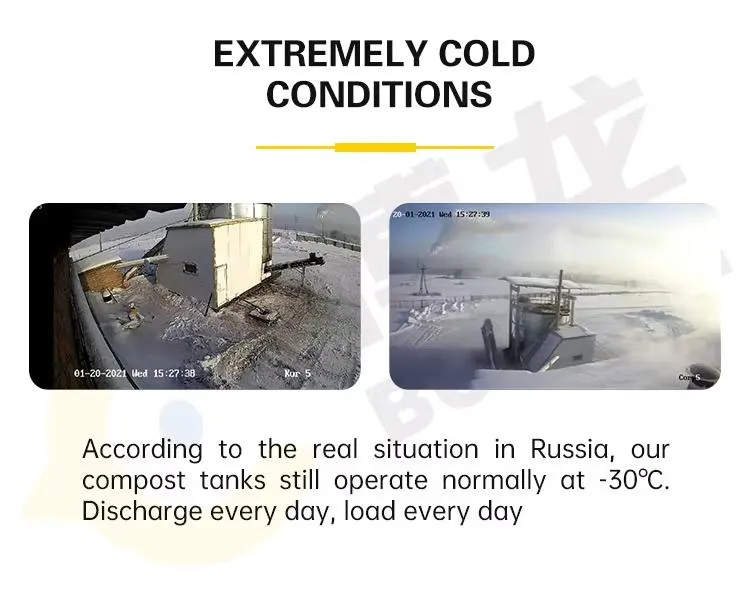
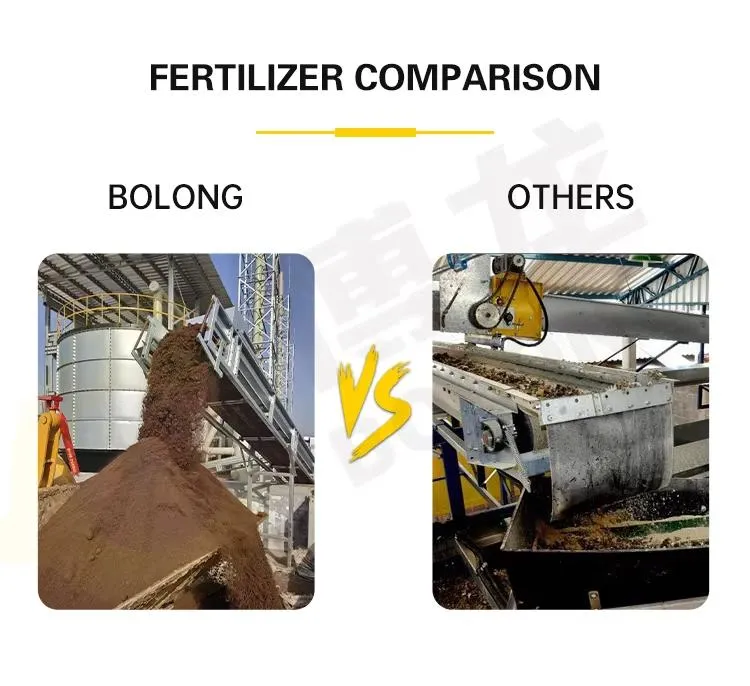
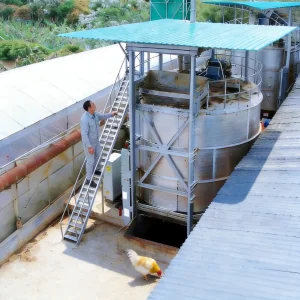
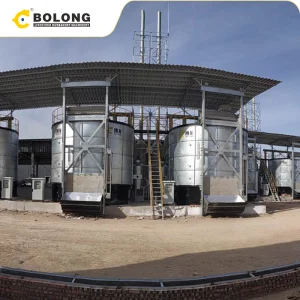
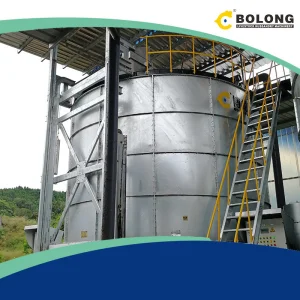
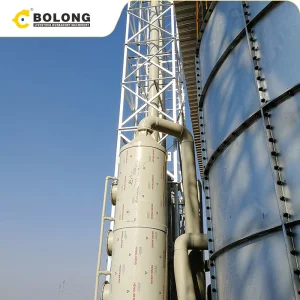
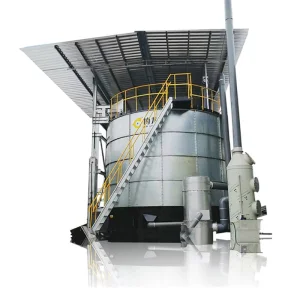
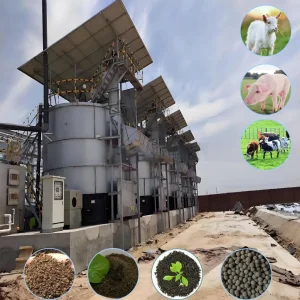
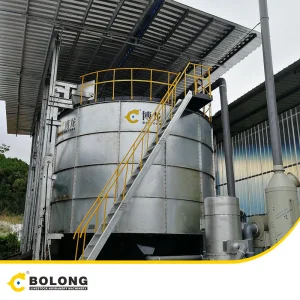
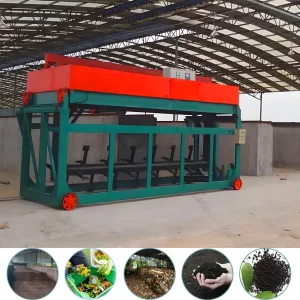
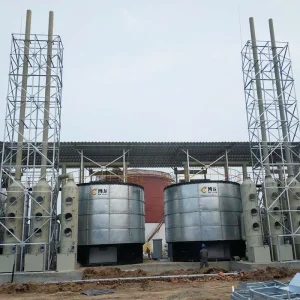
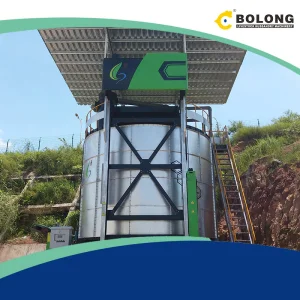
An organic fertilizer fermentation tank is a device that converts organic solid waste into organic fertilizer through aerobic fermentation of microorganisms in a closed container. It utilizes the decomposition of microorganisms in nature, matures the materials through high temperature and microbial activity, kills harmful substances and reduces the moisture content and volume of the materials.
The working principle involves delivering oxygen to the materials in the tank through a vortex air pump, while continuously turning the materials via a stirring shaft to maintain aerobic bacteria activity. These microorganisms heat up to 50-65 degrees. After approximately 7 days of high-temperature fermentation, insect eggs, pathogens, and weed seeds are effectively eliminated, meeting treatment standards.
?
Frequently Asked Questions
1. What is the primary function of the organic fertilizer fermentation tank?
The tank converts organic solid waste, such as poultry and livestock manure, into high-quality biofertilizer through aerobic microbial fermentation in a controlled, closed environment.
2. How long does the fermentation process take?
Under optimal conditions, the high-temperature fermentation process takes approximately 7 days to complete, significantly reducing processing time compared to traditional methods.
3. How does the equipment ensure the fertilizer is safe for use?
The internal temperature reaches 50-65 degrees Celsius, which effectively kills insect eggs, pathogens, and weed seeds, ensuring the resulting fertilizer meets harmless treatment standards.
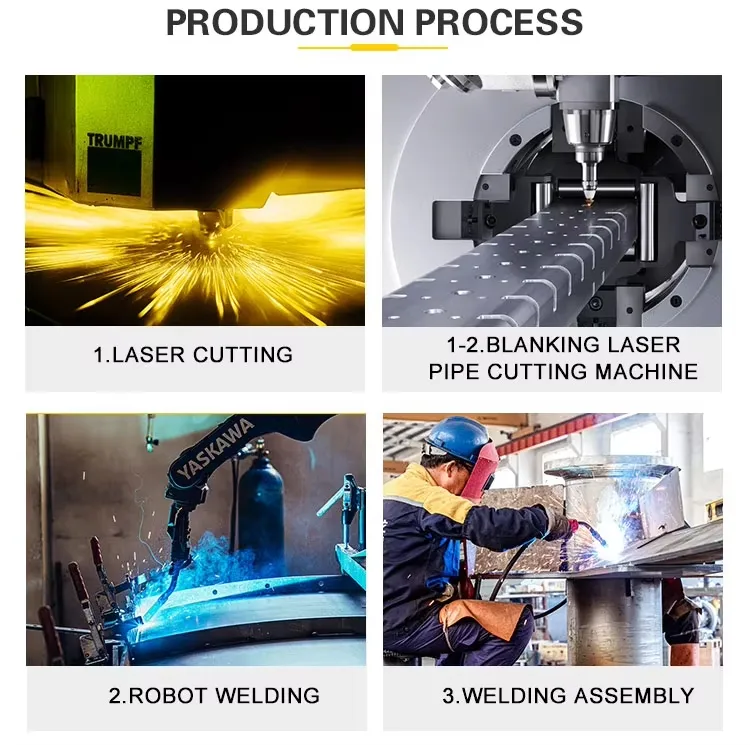
4. What materials is the fermentation tank made of?
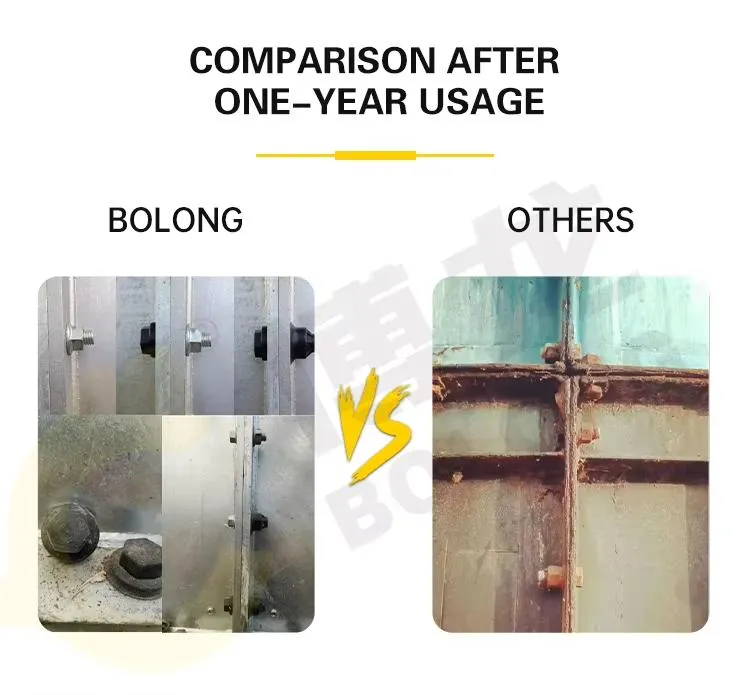
The equipment is constructed using high-quality 304 stainless steel or durable steel to ensure corrosion resistance and a long service life in demanding environments.
5. What is the handling capacity of the 102m³ model?
This specific model has a handling capacity of 8-12m³ per cycle, producing an output of approximately 3-9m³ of finished organic fertilizer.
6. Is the operation automated?
Yes, the system is highly automated, utilizing a vortex air pump for oxygen delivery and a mechanical stirring shaft, which reduces manual labor and improves production efficiency.
 AgBio Energy