Basic Information
Treatment
Biological Treatment
Raw Material
Municipal Solid Waste
Operation Hours
8-16 Hours
Working Method
Automatic/ Semi-Automatic
Production Capacity
30 Sets/Year
Product Description
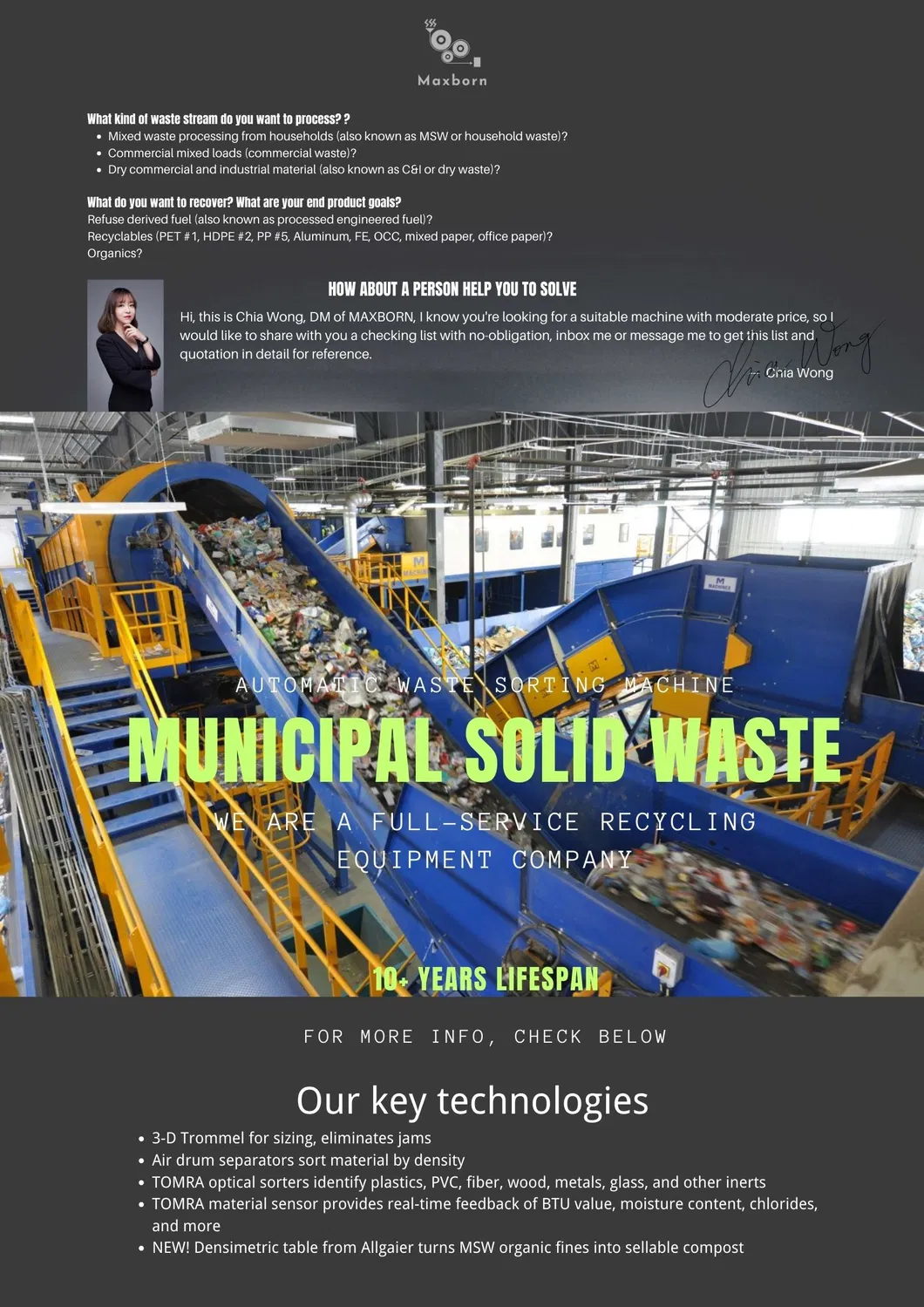
Municipal solid waste (MSW) varies across cities and seasons. It generally includes household refuse, construction waste, industrial solid waste, and hazardous materials. Due to this complexity, automated sorting is essential. Most of these wastes are recyclable and hold significant potential value. Our sorting machines effectively separate various wastes based on material type and future recycling utility.
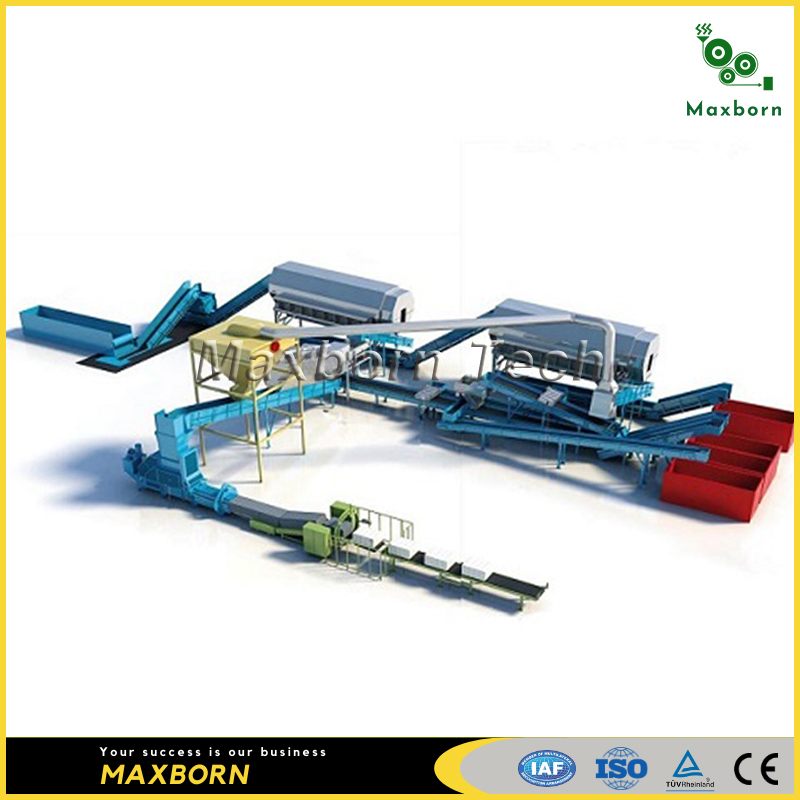
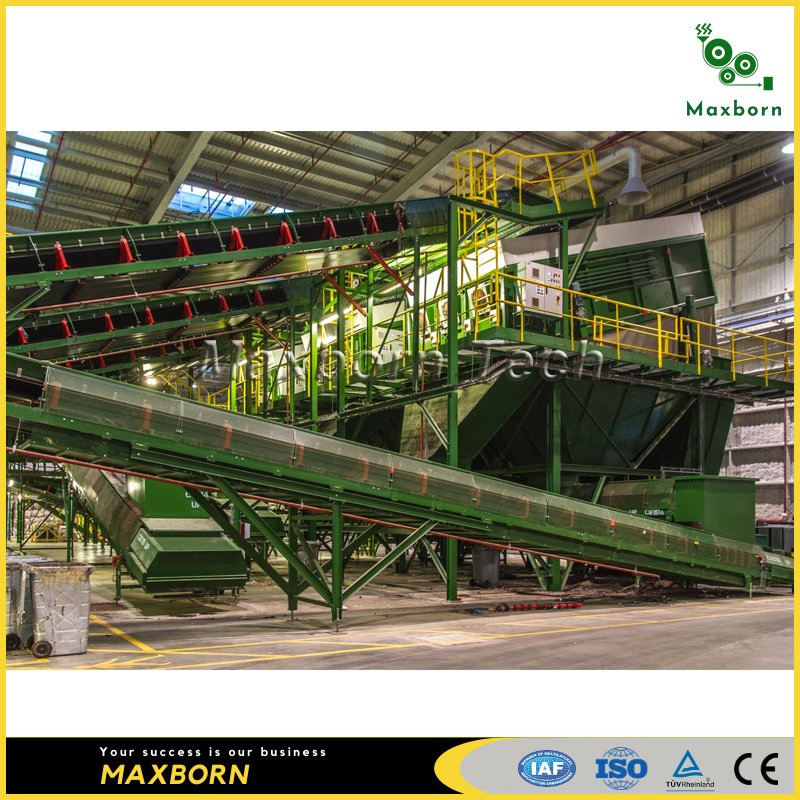
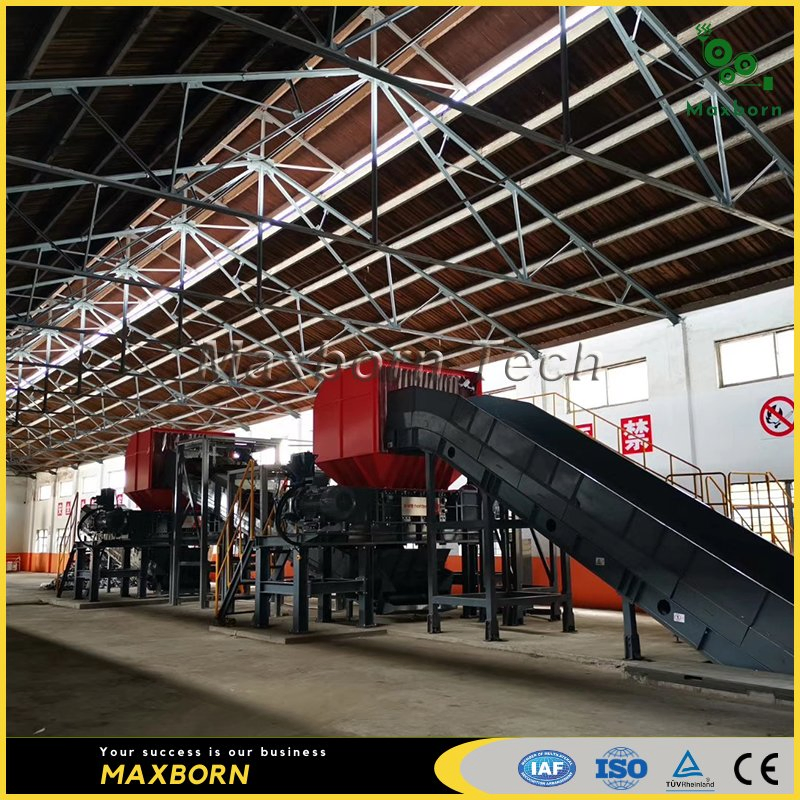
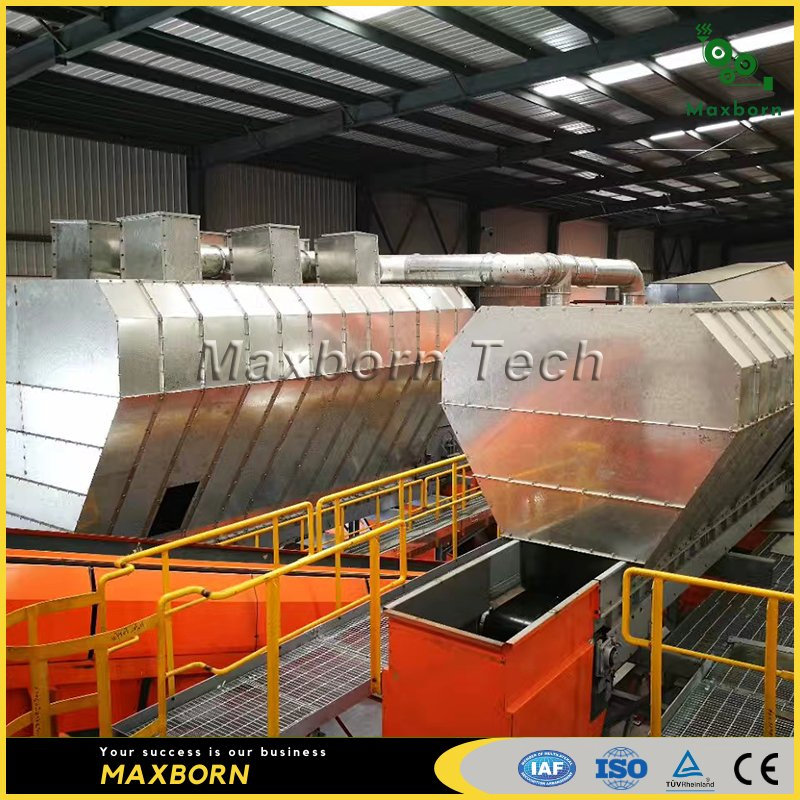
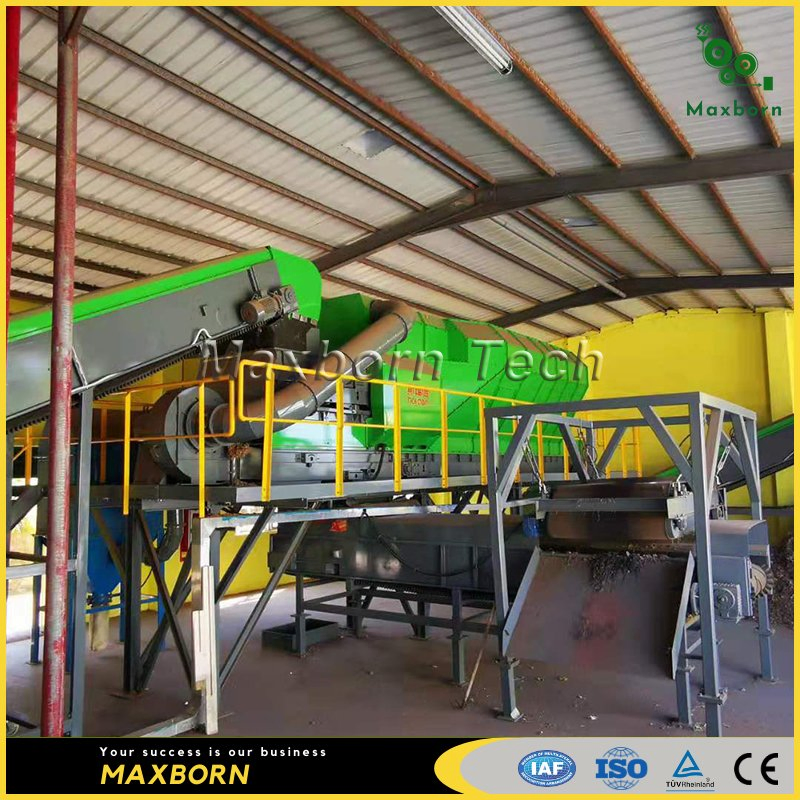
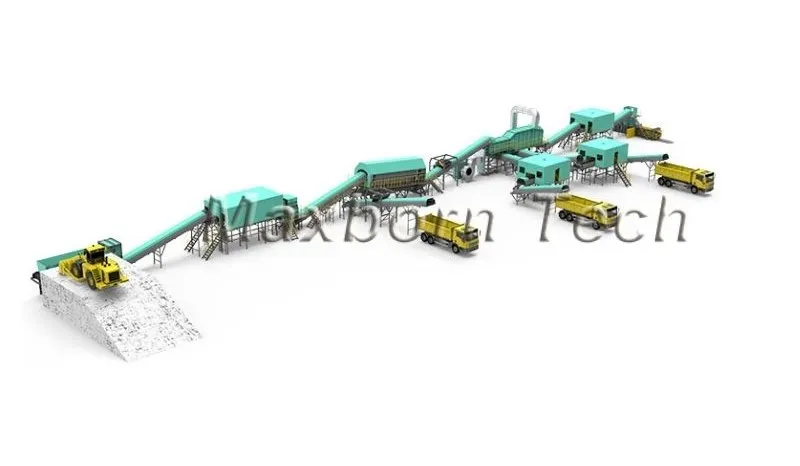
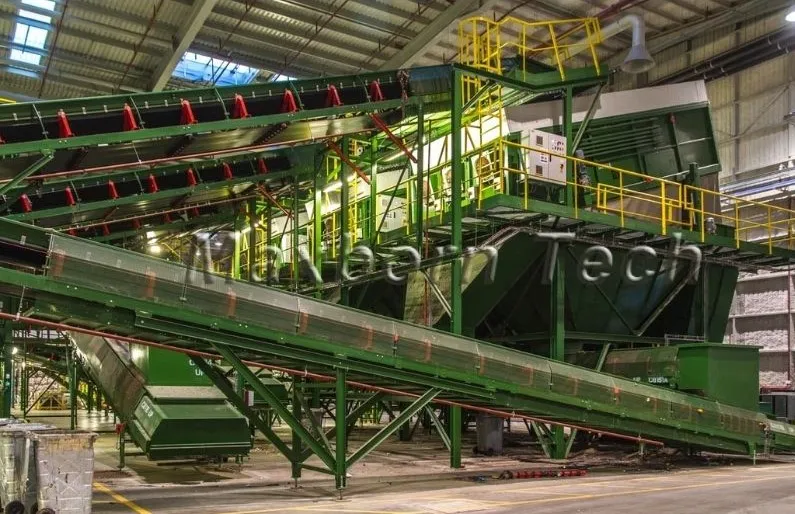
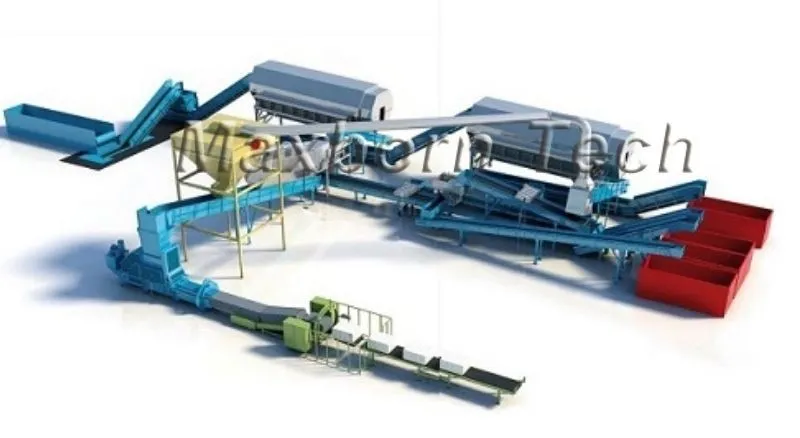
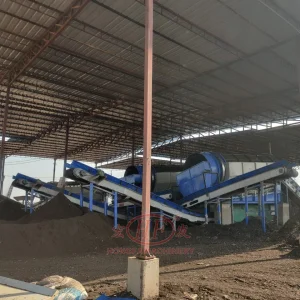
Using advanced waste sorting technology, this treatment plant integrates several key components: plate feeder, uniform material spreader, bag breaker, sealed belt conveyor, rotating screen, winnowing machine, gravity separator, and hydraulic packing systems.
Working Process of High-Quality MSW Sorting Machine
1. Feeding: Forklifts transport waste to the loading platform. A plate feeder and spreader ensure materials are distributed uniformly onto the belt conveyor.
2. Preliminary Sorting: Bulky materials are manually removed at the sorting platform, followed by magnetic separation to extract iron items.
3. Screening: A rotating screening machine separates materials by diameter (usually above/below 50mm).
4. Organic Separation: Materials below 50mm are primarily organics, which can be processed into fertilizer after final metal removal.
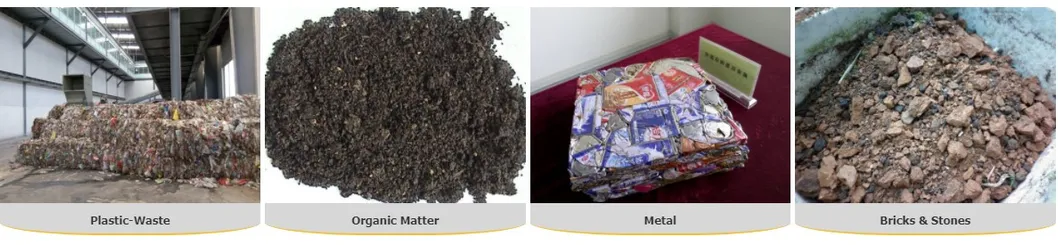
5. Comprehensive Winnowing: Air separation sorts waste into light plastics, heavy materials (bricks, stones, glass), and other recyclables (textiles, rubber, hard plastics).
6. Final Processing: Separated materials are pressed and packed for sale or further treatment, while combustibles can be used for electricity generation or landfill.
Technical Specifications
| Model |
MB-100 |
MB-200 |
MB-400 |
| Raw material |
Municipal solid waste, household waste, industrial waste, landfill waste, and mining waste |
| Capacity |
5T/H |
10T/H |
20T/H |
| Power |
149 KW |
224.7 KW |
279 KW |
| Occupied area |
2400m² |
2800m² |
3000m² |
| Working time |
8-16 H |
8-16 H |
8-16 H |
Garbage Utilization After Sorting
- Plastic: Can be reprocessed via pyrolysis into fuel oil or pelletized into plastic granules.
- Metal: Recovered for use in steel production.
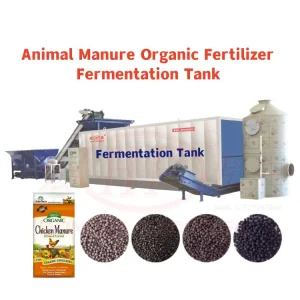
- Organic Waste: Utilized in fermentation systems to produce biogas or organic fertilizer.
- Biomass: Materials like wood and straw can be carbonized into charcoal.
- Inert Materials: Bricks and stones can be recycled into new construction materials.
- Combustibles: Processed into Refuse Derived Fuel (RDF) for energy generation.
Key Advantages
- High Automation: Precise sorting system with reduced labor intensity.
- Environmental Protection: Equipped with odor control and de-dusting devices to ensure a healthy workspace.
- Safety Integrated: Emergency stop devices and manual-auto switchers are standard across all systems.
- Flexible Configuration: Customizable layouts based on specific site requirements and waste composition.
Frequently Asked Questions
What types of waste can this equipment process?
The system is designed to handle municipal solid waste, household refuse, construction and demolition waste, industrial waste, and mining waste.
How does the sorting machine manage odors and dust?
The plant features an integrated odor control system and a sealed transmission device with de-dusting units to maintain a sanitary working environment.
What is the processing capacity of these machines?
Depending on the model, capacity ranges from 5 tons per hour (MB-100) up to 20 tons per hour (MB-400), with daily treatment options from 50 to 5000 tons.
Is the operation fully automatic?
Yes, the system is designed with a high level of automation to reduce labor costs, though manual sorting platforms are included for high-value bulky material recovery.
What are the final products after the sorting process?
Key outputs include light plastics for fuel or pellets, metals for recycling, organic matter for fertilizer/biogas, and combustible materials for electricity generation.
What is the lead time for equipment delivery?
The standard delivery time is generally between 40 to 60 days after the initial deposit is received.
 AgBio Energy